Nana Muazin
In the modern landscape of streaming television, the phrase "canceled too soon" is often bandied about with casual frequency. However, few shows have earned that epithet—and the subsequent resurrection—quite like The Expanse. A hard science-fiction masterpiece that evolved from a cult favorite on linear cable to a global phenomenon on Amazon Prime Video, the series serves as a definitive case study in how dedicated fan engagement can alter the trajectory of a major intellectual property.
The Genesis and Initial Run: A Hard Sci-Fi Masterpiece
Based on the sprawling literary series by James S.A. Corey (the pen name for collaborators Daniel Abraham and Ty Franck), The Expanse arrived on the Syfy network in December 2015. At a time when space operas were often characterized by "space magic" or simplified good-versus-evil narratives, The Expanse offered something radically different: a grounded, politically complex, and scientifically rigorous vision of a colonized solar system.
The premise was deceptively simple. Set hundreds of years in the future, humanity has expanded beyond Earth to occupy Mars and the resource-rich Asteroid Belt. The series centers on three distinct factions: the United Nations of Earth and Luna, the Martian Congressional Republic, and the Outer Planets Alliance (OPA). Through the eyes of a disparate crew—led by James Holden (Steven Strait)—and a sharp-witted detective, Josephus Miller (Thomas Jane), the show peeled back the layers of a vast alien conspiracy that threatened to shatter the fragile geopolitical peace of the galaxy.
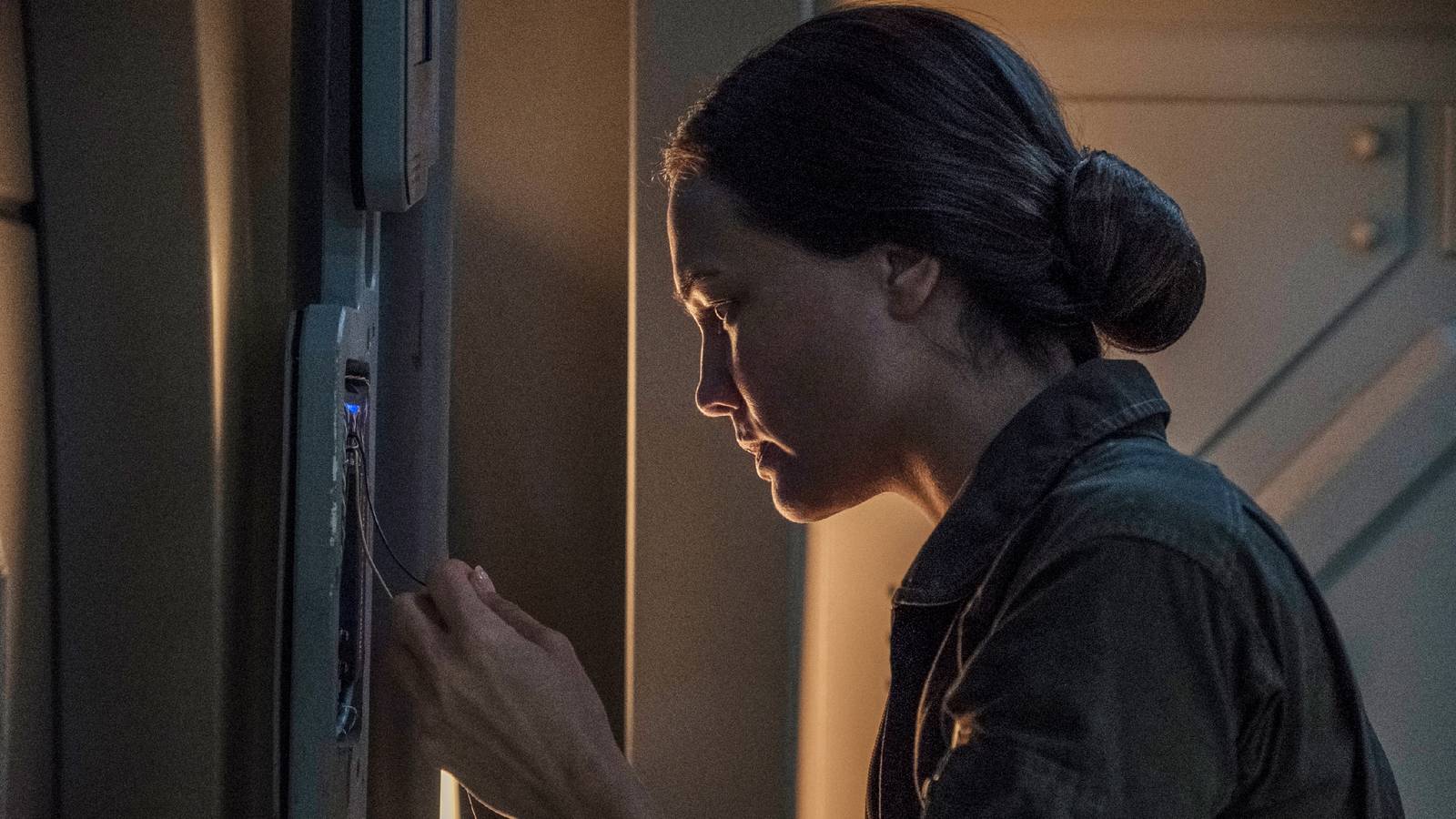
Over three seasons, the show garnered immense critical acclaim for its visual fidelity, realistic portrayal of gravity and orbital mechanics, and its willingness to tackle the "grime" of space travel. Unlike its contemporaries, The Expanse treated the vacuum of space as a deadly antagonist, making it a favorite among genre enthusiasts and hard-science aficionados alike.
The Great Cancellation and the "Screaming Firehawks"
Despite its critical success, the television industry is often dictated by metrics that do not always align with artistic quality. In May 2018, just as the show was midway through its third season, Syfy announced the cancellation of The Expanse. The decision sent shockwaves through the fan community.
For most series, this would have been the end. But the fans of The Expanse—who had adopted the moniker "Screaming Firehawks"—were not prepared to let the story conclude on a cliffhanger. What followed was one of the most organized and effective digital advocacy campaigns in the history of television.

The campaign was multi-faceted, utilizing everything from traditional petitions to high-tech, public-facing stunts. A Change.org petition gathered over 100,000 signatures in record time. Fans went further, employing a crowdfunding campaign to fly a "Save The Expanse" banner over Amazon Studios’ headquarters in Santa Monica. High-profile figures, including author George R.R. Martin and comedian/actor Patton Oswalt, utilized their platforms to champion the show, highlighting its importance to the science-fiction genre.
The pressure proved insurmountable for executives. Recognizing the high level of engagement and the clear, built-in audience, Amazon Prime Video officially announced it had picked up the series for a fourth season in May 2019, exactly one year after the initial cancellation.
Chronology of a Revival
The timeline of the show’s journey illustrates the volatility of the streaming era:
- December 2015: The series debuts on Syfy to strong reviews.
- May 2018: Syfy cancels the show after three seasons, citing a desire to move away from the series’ specific financial model.
- May–June 2018: The "Screaming Firehawks" campaign goes viral.
- May 2018: Amazon Prime Video officially announces the rescue of the show.
- December 2019: The Expanse premieres its fourth season on Amazon Prime, expanding its scope to include the exploration of new worlds via the Ring Gates.
- 2020–2022: Seasons 5 and 6 continue to receive accolades, cementing the show’s reputation as one of the best space dramas ever produced.
Why ‘The Expanse’ Stands Apart
The success of The Expanse is not merely due to its production values, but its commitment to thematic depth. While many space operas focus on the "final frontier," The Expanse focuses on the "human condition."
1. Political Realism
The series refuses to paint any of its factions as entirely "good" or "evil." The Martian Congressional Republic is defined by its militaristic drive and desire for independence, while the United Nations represents the bureaucracy of an aging Earth. The OPA, the voice of the downtrodden Belt, highlights the struggles of those living in poverty, dependent on air and water provided by the inner planets. These themes of resource scarcity and class struggle resonate deeply with contemporary geopolitical tensions.
2. Scientific Integrity
The show’s commitment to "hard" sci-fi—where ships flip and burn to account for inertia, and where communication delay is a constant factor—created a sense of realism that viewers rarely found elsewhere. This dedication to the "physics of space" grounded the narrative, making the alien "Protomolecule" plotline feel even more terrifying and profound.

3. Character Development
From Shohreh Aghdashloo’s commanding performance as the U.N. leader Chrisjen Avasarala to the ensemble chemistry of the Rocinante crew, the show prioritized character arcs over spectacle. The characters were forced to grapple with the consequences of their actions, leading to a show that felt lived-in and emotionally resonant.
Implications for the Industry
The rescue of The Expanse set a precedent for other shows on the chopping block. It proved that in the era of streaming, "cult status" can be a powerful currency. Platforms like Amazon, Netflix, and Apple TV+ often look for "sticky" content—shows that possess a high level of viewer loyalty and social media noise.
By proving that a loyal, global fanbase was willing to fight for their show, The Expanse fans fundamentally changed how studios view niche, high-concept programming. It transformed the relationship between the consumer and the content provider, shifting the narrative from "this show is finished" to "there is a viable market here if you are willing to invest."

Conclusion: A Legacy of Persistence
While The Expanse concluded its six-season run in early 2022, its legacy remains a cornerstone of 21st-century science fiction. It remains a testament to the idea that if a story is told with enough integrity and passion, it will find its audience—and if that audience is loud enough, they can force the world to listen.
For those who have yet to experience the journey of the Rocinante, the show serves as a masterclass in world-building. It is a rare example of a series that was saved from the brink of obscurity to become a cultural touchstone, proving that the vacuum of space is perhaps not as lonely as we think, provided there is a story worth telling. As the industry continues to evolve, the story of The Expanse will continue to be cited as the gold standard for how fans and creators can work together to ensure that great art does not disappear into the void.

 Nana Wu
 Jia Lissa