

For two decades, Thomas "TomSka" Ridgewell has been a cornerstone of the YouTube landscape. From the surrealist humor of his asdfmovie series to his ambitious live-action sketches, he has navigated the evolution of online content creation from its Wild West beginnings to the professionalized industry it is today. However, a recent revelation from the creator serves as a sobering reminder of the physical toll that early-internet "stunt culture" can exact on content creators.
In a candid disclosure posted to social media on June 1, 2026, Ridgewell revealed that a reckless stunt performed 15 years ago—involving a firework detonated in close proximity to his head—has resulted in a long-term, and recently worsening, case of tinnitus. The revelation has sparked a broader conversation within the creator community regarding the long-term health implications of the "do it for the content" mentality that defined the mid-to-late 2000s.
The Incident: A Costly Lesson in Stunt Production
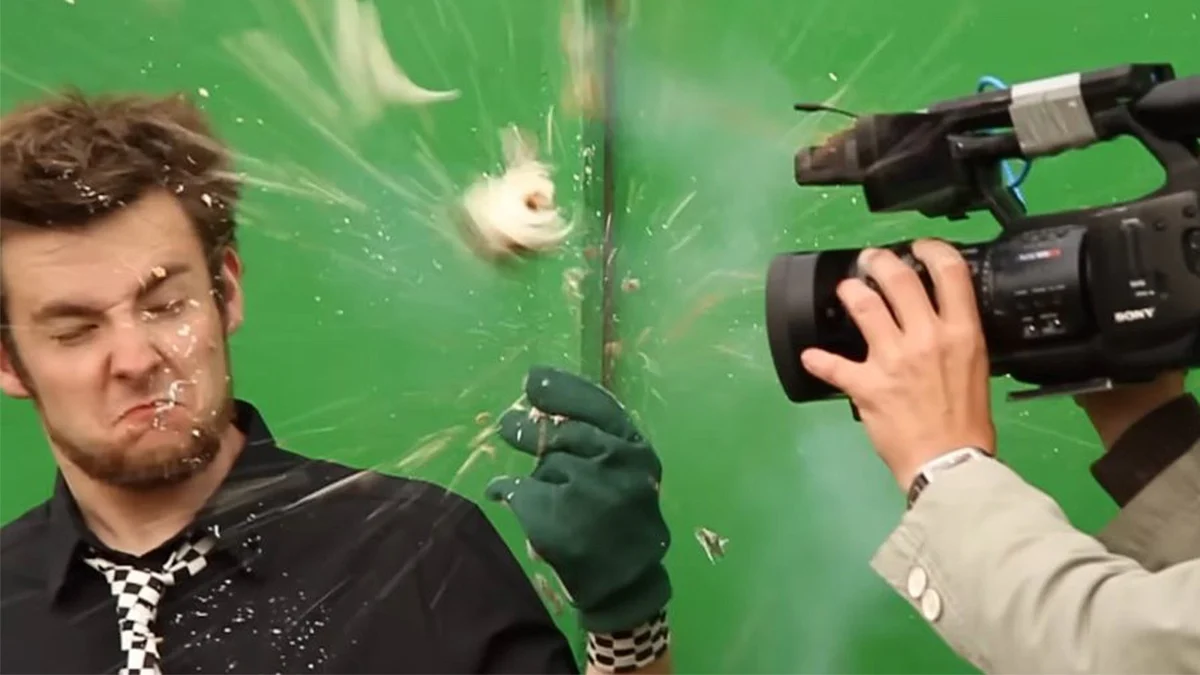
The details of the incident, as recounted by Ridgewell, paint a picture of a younger, less cautious creator operating in an era where high-risk stunts were often viewed as a rite of passage for aspiring YouTubers. According to the creator, the footage in question was filmed over a decade and a half ago. In the pursuit of a "bit" for a video that ultimately never saw the light of day, Ridgewell ignited a firework while positioned directly beside his ear.
The immediate aftermath was a case of "mild tinnitus" in his left ear—a persistent ringing or buzzing sensation that became a permanent fixture of his life. For years, Ridgewell managed the condition, treating it as an unfortunate but manageable side effect of his career choice. However, in May 2026, the situation took a turn for the worse. Ridgewell reported that the volume of the ringing in his ear "abruptly doubled," significantly impacting his quality of life and daily comfort.
In his social media post, Ridgewell adopted a self-deprecating tone, writing, "F**k you, past me, you stupid dumb idiot." The post included a screenshot of the original footage—filmed against a green screen—showing the creator wincing as the explosive device detonated near his face. Perhaps the most frustrating element for the creator is the realization that the footage was never even uploaded to his channel, leading him to note dryly that the shot wasn’t "even good."
A Chronology of Creator Risks
To understand the severity of Ridgewell’s situation, one must look at the timeline of his career and the evolution of the platform.
- 2006: Ridgewell creates his YouTube channel, joining the platform in its infancy. He quickly gains traction through creative, often absurdist comedy.
- 2011 (Approx.): The window in which the firework stunt occurred. This period was characterized by the "jackass-ification" of YouTube, where creators felt pressured to perform increasingly dangerous or painful physical feats to capture audience attention.
- 2011–2026: Ridgewell lives with mild, chronic tinnitus, largely keeping the severity of the injury private while his channel grows to over 7.5 million subscribers.
- May 2026: The onset of a sudden, drastic increase in the volume of the tinnitus, prompting a medical re-evaluation and public disclosure.
- June 1, 2026: Ridgewell publicly shares the story, serving as a cautionary tale for his audience and peers.
The timeline highlights a common theme in the creator economy: the long latency period between the performance of a stunt and the manifestation of chronic, life-altering health issues.
Supporting Data: The Science of Acoustic Trauma
Tinnitus, defined by the Mayo Clinic as the perception of noise or ringing in the ears, is a common condition affecting millions. However, the type of tinnitus experienced by Ridgewell—often classified as "noise-induced tinnitus"—is directly linked to exposure to loud sounds, such as explosions or fireworks.
When an individual is exposed to an impulsive sound like a firework, the pressure wave can damage the delicate hair cells within the cochlea. Unlike other cells in the human body, these hair cells do not regenerate. Once damaged, the brain often attempts to compensate for the loss of auditory input by creating its own signals, which the individual perceives as ringing, buzzing, or hissing.
The fact that Ridgewell’s condition worsened 15 years later is not entirely uncommon. Tinnitus can be progressive, and factors such as age-related hearing loss, stress, or even changes in the body’s neurological response to sensory input can cause a previously manageable condition to escalate. The "doubling in volume" reported by Ridgewell suggests a secondary physiological trigger or a degradation in his auditory system’s ability to filter out the phantom noise.
Community Response and Cultural Implications
The reaction to Ridgewell’s post has been a mix of empathy, shock, and a recognition of a shifting cultural landscape. The comment section of his post served as a microcosm of the audience’s relationship with the "old guard" of YouTube.
Many fans expressed relief that the incident resulted only in tinnitus rather than permanent hearing loss or catastrophic facial injuries. Some commenters pointed toward other high-risk content creators—such as those featured on the series The Pitt—who have sustained much more severe, visible injuries.
However, a more cynical yet poignant observation emerged from his fanbase: the concept of "doing it for the bit." One commenter noted, "’Do it for the bit/views/vine/yolo’ has passed its expiry date, and now we’re suffering the consequences." This sentiment reflects a growing maturity in the YouTube audience, who are no longer interested in seeing creators put their physical safety on the line for temporary entertainment.
Another commenter suggested that Ridgewell should release the footage now to "show past you who’s boss," turning the traumatic incident into a final piece of monetized content. While intended as a joke, the comment highlights the transactional nature of the industry: even the scars of a creator are often viewed as potential "content."
The Broader Health Crisis Among Creators
Ridgewell’s disclosure comes at a time when the creator community is becoming increasingly transparent about the physical and mental toll of long-term content production.
He is not the only high-profile creator to recently disclose health struggles. Just weeks prior, Call of Duty veteran Drift0r opened up about a mysterious, chronic health condition affecting his joints, which has forced him to reconsider his future in content creation. These revelations are part of a growing trend where creators, many of whom have been working at a relentless pace for 15 to 20 years, are hitting a "health wall."
The implications are clear: the profession of "YouTuber" is no longer the casual hobby it was in 2006. It is a high-pressure, high-stress career that often requires long hours at a desk, repetitive motions, or, in earlier eras, physical stunts. As the first generation of full-time creators enters their late 30s and 40s, the cumulative effects of their work are beginning to surface.
Conclusion: A Shift in Priorities
TomSka’s situation serves as a stark reminder of the permanence of one’s physical health. While his 7.5 million subscribers know him for his wit and animation, this incident refocuses the lens on the human being behind the screen.
For the next generation of creators, the lesson is perhaps more valuable than the content itself: no "bit," no matter how viral it might become, is worth the long-term sacrifice of one’s senses. As the industry continues to professionalize, the focus must shift toward sustainable production methods and a deeper understanding of the physical limitations of the creator. For TomSka, the ringing remains—a permanent, high-volume reminder of a decision made in a moment of youthful recklessness, echoing through the halls of a career that defined a platform.









No comments yet. Be the first to join the conversation!