Evan Lee Salim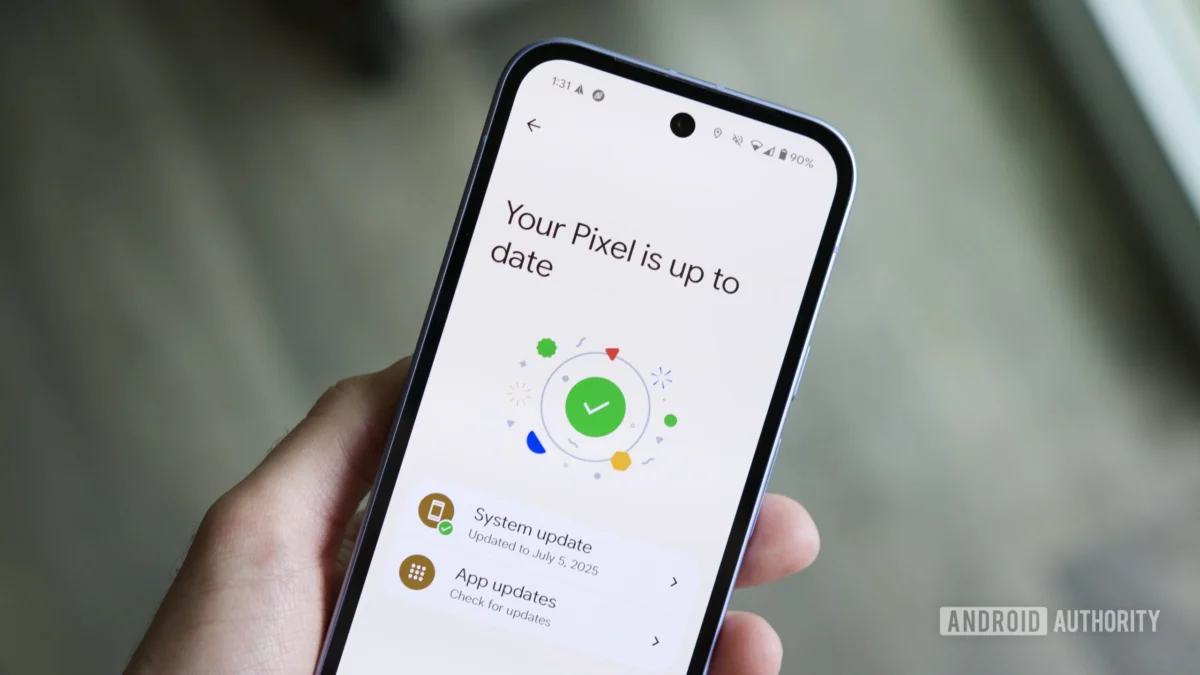
Google has officially initiated its June 2026 software rollout, a significant monthly milestone that coincides with the latest "Pixel Drop." As the company continues its aggressive push into the next generation of mobile operating systems, this month’s update serves as both a stabilization patch for current users and a strategic bridge toward the future of the Android ecosystem.
The update, now pushing out to a massive stable of devices ranging from the aging-but-capable Pixel 6 to the flagship Pixel 10 series, brings a granular list of refinements that target the core pillars of the smartphone experience: battery efficiency, camera processing, and system-level interface fluidity.
Main Facts: What You Need to Know
The June 2026 update is not merely a collection of security patches; it represents a concentrated effort to refine the user experience on devices running Android 16. The update is broad in scope, covering the entirety of the modern Pixel portfolio:
- Supported Devices: The rollout encompasses the Pixel 6, 6a, 7, 7a, 8, 8a, 9, 9a, and the latest 10 and 10a series, alongside the Pixel Tablet and the Pixel Fold.
- The Android 17 Connection: Perhaps the most notable disclosure in Google’s announcement is the confirmation that all currently supported Pixel devices running Android 16 are officially slated to receive the upgrade to Android 17. This provides much-needed transparency regarding the longevity of Google’s hardware ecosystem.
- Phased Rollout: As has become standard practice, Google is distributing the update in phases. While the rollout began today, users should not be alarmed if the "Check for update" button does not yield immediate results. The deployment is expected to reach all regions and carriers over the next seven to ten days.
Chronology: The Evolution of the Pixel Update Cycle
To understand the weight of this June release, one must look at the recent history of Google’s software maintenance. Throughout the first half of 2026, Google has shifted from a "feature-heavy" release strategy to a more balanced approach that prioritizes performance reliability.
Earlier in the year, the focus was primarily on integrating AI-driven hardware acceleration. However, as the user base for the Pixel 10 series has grown, reports of minor UI stutters and background process inefficiencies began to surface. The June update acts as the "mid-year cleanup," addressing the technical debt accrued during the busy Q1 and Q2 release cycles.
By releasing the update in June, Google is ensuring that its devices are in peak operating condition before the typical summer travel season, where users rely more heavily on camera performance, GPS accuracy, and battery longevity.
Supporting Data: Under the Hood of the June Patch
The technical documentation for the June 2026 update reveals an exhaustive list of fixes. By breaking these down by category, we can see exactly where Google engineers have focused their efforts:
System and Framework Stability
The bulk of the "Framework" and "System" categories centers on reducing background CPU wake-locks. These are the processes that prevent a phone from entering a deep sleep state, which is the primary cause of overnight battery drain. By optimizing these, Google claims an improvement in standby battery life, particularly for older devices like the Pixel 6 and 7.
Camera and Imaging Pipeline
The camera updates are focused on low-light processing and shutter lag. For the Pixel 9 and 10 series, the update specifically addresses a "white balance oscillation" issue when switching between different zoom lenses in mixed-lighting conditions. This ensures that a photo taken at 1x looks consistent with a photo taken at 5x.
User Interface (UI) Refinements
The UI category is the most expansive this month. Users should notice:
- Smoother Animations: Refinements to the gesture navigation transition when swiping home.
- Notification Management: Improved grouping logic to prevent notification clutter in the shade.
- Haptic Feedback: Minor tweaks to the intensity of vibration motors when typing on the Gboard, specifically for the Pixel 8 and 9 series.
Connectivity and Telephony
For users in global markets, the update brings essential modem firmware revisions. These are designed to stabilize hand-offs between 5G and LTE towers in fringe coverage areas, an issue that has occasionally plagued users in high-density urban environments.
Official Responses and Strategic Implications
In a rare moment of direct communication regarding the long-term roadmap, Google’s release notes for this update included a specific nod to the future: "All supported Pixel devices running Android 16 will receive the Android 17 software update."
This is a strategic signal to the market. With competitors like Samsung and Apple extending their support windows, Google is reinforcing its commitment to "Software as a Service" (SaaS). By explicitly naming Android 17, Google is attempting to mitigate concerns about planned obsolescence, a frequent criticism in the Android community.
Furthermore, industry analysts suggest that this update is a precursor to the "Android 17" shift, which is rumored to focus heavily on "Adaptive OS" features—elements that change their behavior based on the user’s daily patterns. The current June update acts as the testing ground for the telemetry collection necessary to train these adaptive models.
Implications for the User: What Does This Mean for You?
For the average consumer, the implications of the June 2026 update are twofold:
- Reliability is the New Innovation: While there are no "shiny" new features in this specific update, the cumulative impact of these bug fixes is substantial. Users who have felt that their Pixel 8 or 9 was becoming "sluggish" after several months of usage should see a noticeable return to the "day-one" responsiveness of the device.
- Long-Term Value Retention: By confirming the path to Android 17, Google is effectively bolstering the resale value of the Pixel lineup. A phone that is guaranteed to receive a major OS update in late 2027 is a much more attractive proposition on the second-hand market than a device with an ambiguous support timeline.
Best Practices for the Update
To ensure a smooth transition, we recommend the following steps for all Pixel users:
- Backup Your Data: While modern Android updates are highly reliable, it is always a best practice to ensure your photos and documents are synced to Google One or a local drive.
- Manage Your Battery: Start the update process with at least 50% battery life, or ensure the device is plugged into a charger. The installation of these monthly patches is a resource-intensive process that can overheat the device if the battery is low.
- Patience is Key: If the update does not appear immediately, avoid aggressive "button mashing." The server-side rollout is designed to manage bandwidth to prevent crashes; waiting 24 hours will not diminish the quality or security of the patch you receive.
Conclusion
The June 2026 Pixel update is a testament to Google’s evolving philosophy regarding mobile software. It is less about adding unnecessary bloat and more about hardening the existing ecosystem to ensure that every device, from the budget-friendly 10a to the premium 10 Pro, operates at its full potential.
As we look toward the inevitable arrival of Android 17, this June patch serves as a solid foundation. It addresses the friction points of the current OS while promising a future of continued support. Whether you are a power user who tracks every modem change or a casual owner who just wants a phone that "works," this update is a vital component of the Pixel ownership experience.
As the rollout progresses over the coming week, keep an eye on your device settings. With improved battery performance, tighter system security, and a clearer vision for the future of the operating system, the June 2026 update is, in many ways, the most important "quiet" update Google has released this year.

 Layla Zulfa
 Nana Muazin