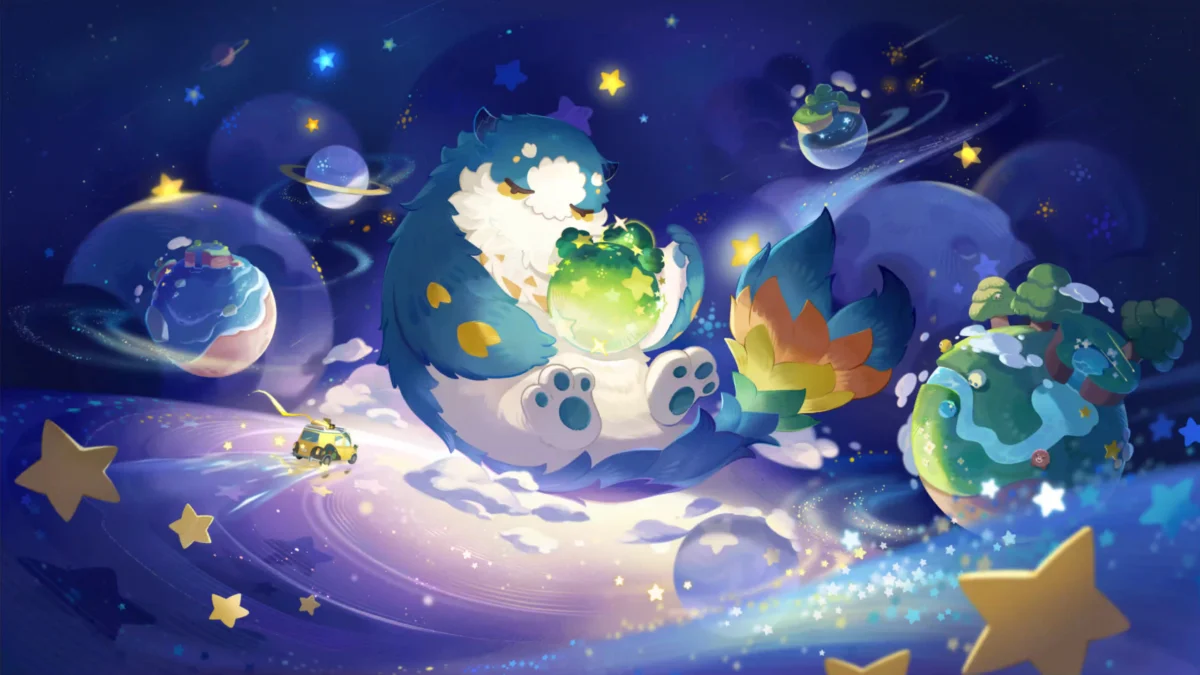
The landscape of social simulation games has, for the better part of five years, existed under the long, comfortable shadow of Animal Crossing: New Horizons. Since its 2020 release, the Nintendo juggernaut has served as the gold standard for the genre, defining the "cozy game" zeitgeist. As the industry moves into the latter half of the 2020s, a new wave of titles—Heartopia, Pokopia, and now HoYoverse’s Petit Planet—have emerged, all vying for the attention of players seeking that specific brand of digital domesticity.
Petit Planet, which recently concluded its second beta test, stands as HoYoverse’s most transparent attempt to pivot from their action-RPG roots toward the family-friendly life-sim market. While the game offers a visually stunning, sci-fantasy spin on the genre, it raises a fundamental question: In a market saturated with clones, is there still room for another "cozy" island—or in this case, planet—management game?
A Chronology of a Genre-Defining Trend
The trajectory of the social sim genre has been remarkably consistent. Following the explosive success of New Horizons, developers globally sought to replicate its core loop: gathering resources, decorating a personalized space, and building rapport with anthropomorphic neighbors.
- The 2020 Pivot: The global pandemic turned Animal Crossing into a cultural touchstone. The realization that digital social spaces could act as surrogates for real-world interaction prompted a surge in investment for "cozy" titles.
- The Rise of the Mobile Contenders: By 2023, studios began applying gacha-based monetization models to the genre. Heartopia arrived in early 2024, successfully integrating social interaction between real players to differentiate itself from the solitary nature of Animal Crossing.
- The HoYoverse Entrance: Petit Planet was first teased via leaks years ago. Unlike Genshin Impact or Honkai: Star Rail, which focus on high-octane combat and deep meta-progression, Petit Planet is designed for a younger, more casual demographic. Its "Stardrift" beta test, which began in April 2024, served as the public’s first real look at how the developer of some of the world’s most profitable combat-heavy games would handle a peaceful, low-stakes environment.
The Core Gameplay: A Familiar Frontier
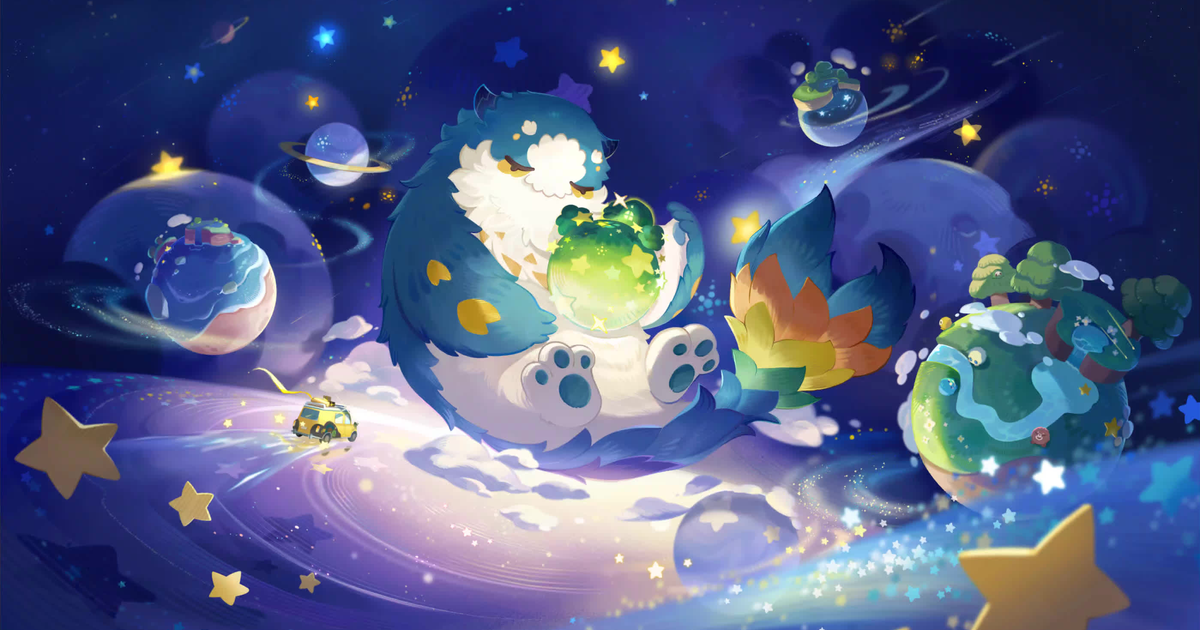
At its heart, Petit Planet is a love letter to its predecessors, perhaps a bit too literal in its adoration. Players manage a small, spherical planet, shaking fruit from trees, collecting insects, and befriending a cast of quirky, anthropomorphic NPCs.
The aesthetic shift is the most immediate change. Trading a tropical island for a miniature, curved planet in the middle of a star-filled galaxy provides a unique visual flair. However, the minute-to-minute gameplay remains largely unchanged from the Animal Crossing blueprint. You organize resources for a small monkey NPC, donate fauna to a cultured curator, and decorate your home.
For veteran fans of the genre, the experience is undeniably "cozy," but it is also deeply familiar. The challenge for HoYoverse is to prove that Petit Planet is more than just a skin applied to a well-worn loop. While Genshin Impact was initially dismissed as a Breath of the Wild clone, it eventually carved out a distinct identity through its party-based action combat and deep, evolving lore. Petit Planet has yet to demonstrate a similar "hook" that distinguishes it from the half-dozen other sims currently vying for the player’s time.

Supporting Data: The Monetization Mystery
Perhaps the most perplexing aspect of the Petit Planet beta is the conspicuous absence of a traditional gacha system. For a studio that built its empire on the "gacha-plus-action" model, this is a significant departure.
Industry analysts suggest this may be a strategic choice to ensure the game remains accessible to families. By avoiding the predatory mechanics often associated with gacha, HoYoverse may be attempting to avoid the scrutiny that comes with marketing to children. Instead, the game appears to be leaning toward a seasonal battle pass or subscription-based model. This "soft" approach could be the key to securing a younger audience, particularly those who are too young to have experienced the original Animal Crossing craze but are looking for a digital "third place."
However, this lack of clarity is a double-edged sword. Players are left wondering if the game will maintain its current polish without the aggressive monetization that funds HoYoverse’s other massive live-service titles.

The AI Elephant in the Room
One of the more contentious elements of Petit Planet is HoYoverse’s explicit use of generative AI in its development. While the studio has taken the step of flagging content generated via AI, the implementation remains controversial.
During the beta, players interacted with NPCs using real-time generative dialogue. While the intent was clearly to create a more dynamic, "living" conversation, the reality was somewhat underwhelming. The dialogue often feels stagnant and reminiscent of early 2000s experimental software like Façade.
Critics argue that by prioritizing the "novelty" of AI, the studio is potentially undermining the human creative process. The implication of using such technology in a game explicitly targeting children is particularly troubling to industry watchdogs. If the end result is a dialogue system that is no more sophisticated than a 20-year-old indie experiment, one must ask: What is the cost of this technical pursuit, and who is actually benefiting?

Implications: A New Demographic for a Global Giant
The decision to target a "family" audience represents a major shift for HoYoverse. Historically, the company has catered to the "core" gamer—those who enjoy complex team building, theory-crafting, and competitive abyss-clearing. Petit Planet aims to capture a much broader, younger market.
The implications of this are significant:
- Market Diversification: Petit Planet proves that HoYoverse is capable of moving beyond its "Action-RPG" comfort zone, potentially signaling a new era for the company as a generalist publisher.
- Parental Scrutiny: As the studio enters the children’s gaming space, they will face higher levels of scrutiny regarding data privacy, AI ethics, and the psychological impact of their design choices on younger users.
- Genre Saturation: If Petit Planet struggles to find a unique identity, it may further contribute to the "cozy game fatigue" currently plaguing the industry. When every major publisher is releasing a "cozy sim," the market risks collapsing under the weight of its own repetition.
Conclusion: A Modest Start for a Major Player
Petit Planet is a polished, visually charming experience that succeeds as a functional life sim. It is undeniably "cozy," and for those who enjoy the loop of decorating and befriending, it will likely provide hundreds of hours of entertainment.

However, as it stands, the game lacks the spark of innovation needed to challenge the giants of the genre. It is a "perfectly competent" social sim in a world that is already overflowing with them. Whether it can transcend its current status as a derivative work—or whether it will simply become another piece of content in the massive HoYoverse portfolio—remains to be seen.
For now, the planet remains small, the stars are pretty, and the neighbors are kind. Whether that is enough to keep players from returning to their well-established islands in New Horizons is the true test that Petit Planet has yet to pass. As the beta concludes and the world awaits a definitive release date, the developers have a narrow window to find the soul of their world, lest it be lost in the vast, empty space of the market.