Pevita Pearce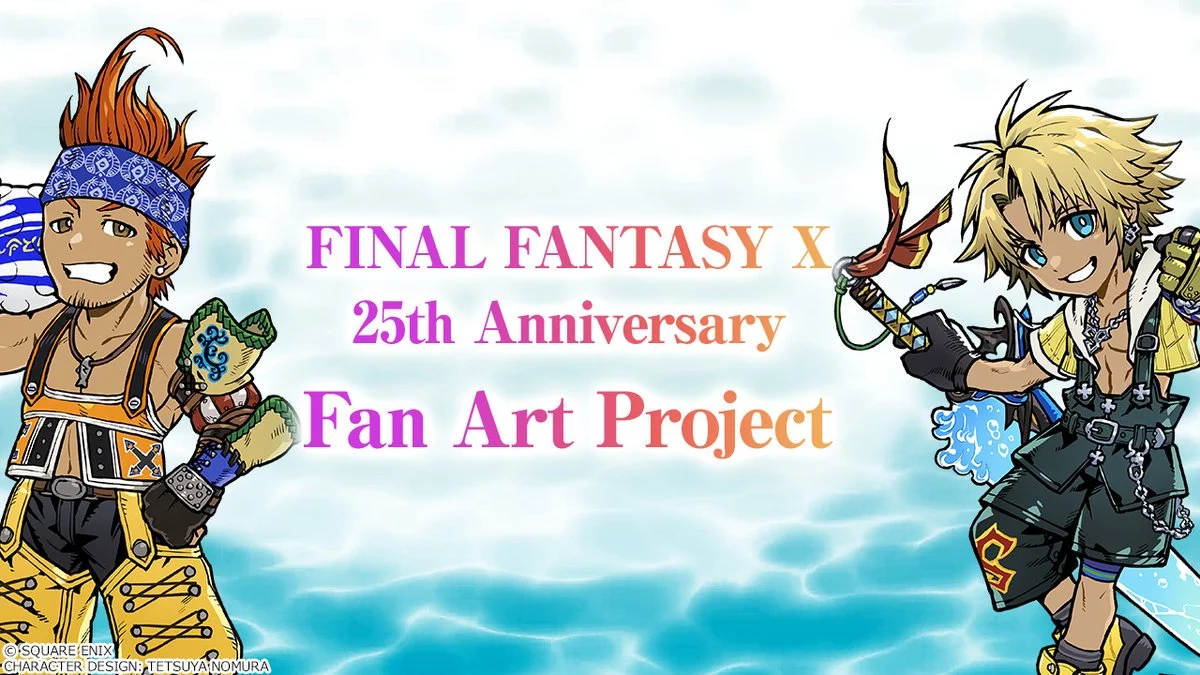
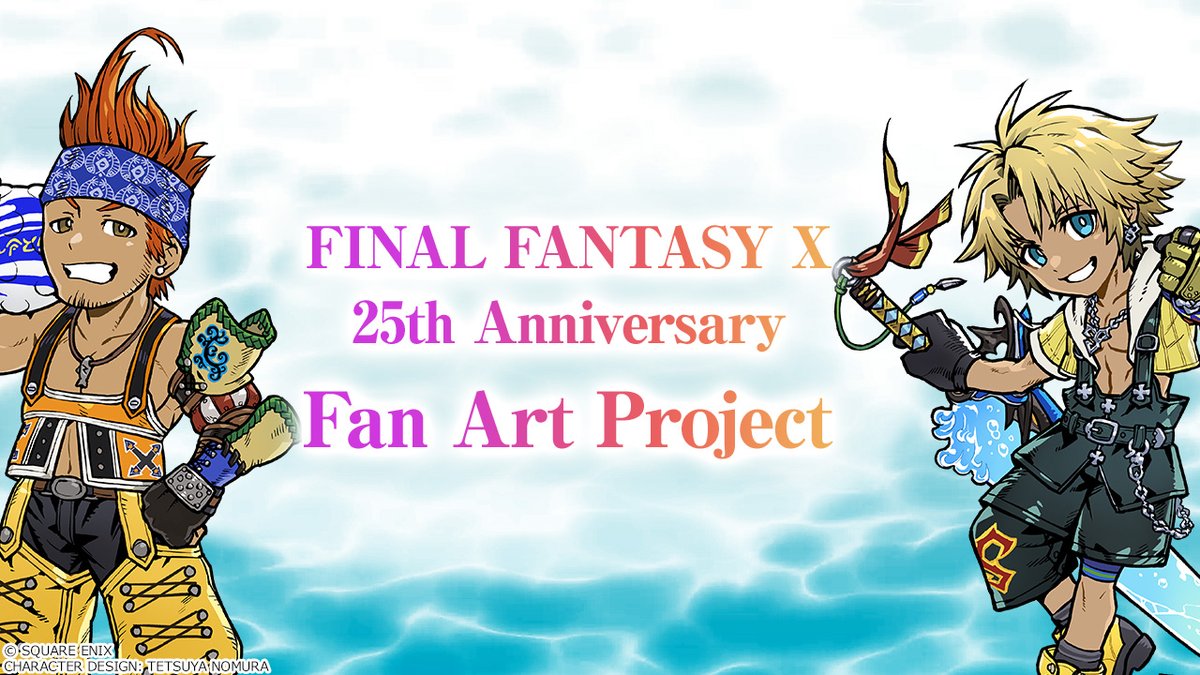
In a heartfelt tribute to one of the most beloved entries in the storied Final Fantasy franchise, Square Enix has officially inaugurated the Final Fantasy X 25th Anniversary Fan Art Project. The campaign, which invites fans from every corner of the globe to submit their creative interpretations of Tidus, Yuna, and the world of Spira, serves as a capstone to a quarter-century of legacy. As the company looks back on the emotional narrative and revolutionary gameplay that defined the PlayStation 2 era, it is turning its gaze toward the community that has kept the spirit of Zanarkand alive for decades.
The Call to Creators: Submission Guidelines and Scope
The initiative, which went live on June 19, 2026, is an open invitation for artists to showcase their passion for the 2001 classic. Square Enix is casting a wide net, accepting both digital and physical submissions. Whether fans choose to render the sweeping vistas of the Calm Lands in oil paint, craft a digital portrait of Auron, or submit a high-resolution scan of a pencil sketch, the publisher is eager to see the breadth of talent within the fanbase.
However, the project comes with strict creative parameters. To ensure the authenticity of the tribute, Square Enix has explicitly prohibited the use of Generative AI (GenAI) in any submitted artwork. This move aligns with a growing industry trend toward valuing human-centric artistry in corporate-sponsored fan initiatives. Furthermore, participants must be at least 13 years of age to contribute.
The submission portal, hosted on the official Square Enix support website, will remain open until July 31, 2026. This six-week window provides creators with a focused timeframe to conceptualize and finalize their contributions. Following the conclusion of the submission period, the company plans to curate a selection of the most evocative pieces to be showcased across their official digital channels, effectively turning the internet into a virtual gallery of Spiran history.
A Legacy of Excellence: The Chronology of Final Fantasy X
To understand the weight of this anniversary, one must look at the monumental impact Final Fantasy X had upon its initial release. When the game first debuted on the PlayStation 2 in 2001, it represented a paradigm shift for the series. It was the first title in the franchise to feature fully 3D environments, voice acting, and a level of facial animation that bridged the gap between cinematic storytelling and interactive gameplay.
The Milestones of Spira
- 2001: Final Fantasy X launches on the PlayStation 2, introducing the world to the Blitzball-loving Tidus and the summoner Yuna.
- 2003: The direct sequel, Final Fantasy X-2, launches, marking the first time in the franchise’s history that a mainline game received a direct narrative continuation.
- 2013: The Final Fantasy X/X-2 HD Remaster is announced, bringing the games to a new generation of hardware, including the PlayStation 3 and PlayStation Vita.
- 2015-2019: The remaster collection expands its reach, arriving on PlayStation 4, PC, Xbox One, and the Nintendo Switch.
- 2025: Square Enix celebrates the 25th anniversary of Final Fantasy IX, setting a precedent for these high-profile community art campaigns.
- 2026: Final Fantasy X reaches its 25th anniversary. A new port of the HD Remaster collection is confirmed for the Nintendo Switch 2, slated for release on July 23, 2026.
This timeline highlights how Square Enix has masterfully kept the title relevant through constant iterative releases. The fact that Final Fantasy X remains a cornerstone of the company’s portfolio—evidenced by the upcoming Switch 2 port—speaks volumes about the game’s enduring commercial and cultural value.
Supporting Data: Why FFX Continues to Resonate
The decision to launch this campaign isn’t merely a nostalgic gesture; it is backed by the persistent demand for the title across modern platforms. Data from recent years suggests that Final Fantasy X remains one of the most frequently revisited games in the publisher’s catalog.
The HD Remaster series, which consolidated both FFX and FFX-2 into a single package, has achieved multi-platform success that few titles from the early 2000s can claim. By expanding to the Nintendo Switch and the upcoming Switch 2, Square Enix is ensuring that the game remains accessible to a younger demographic that may have been born after the original launch. The community engagement metrics from the Final Fantasy IX project in 2025, which saw thousands of submissions and high social media visibility, provided the proof-of-concept necessary to justify this larger, more ambitious FFX project.
Official Responses and Corporate Strategy
In official statements, Square Enix representatives have characterized these fan art projects as a "bridge between the developers and the players." By inviting fans to participate in the celebration, the company is effectively outsourcing the emotional marketing of the game to its most passionate advocates.
"We want to see the world of Spira through your eyes," a representative noted during the announcement. This strategy serves two purposes: it fosters a sense of community ownership among the fanbase and provides the publisher with a repository of high-quality content that can be leveraged for future marketing, anniversaries, and social media campaigns.
The shift toward these community-driven celebrations marks a departure from the traditional top-down marketing of the early 2000s. In the modern era, the perceived value of a game is tied to its "living" status—the degree to which the community keeps the game relevant through memes, fan art, cosplay, and discussions. By formalizing this engagement, Square Enix is signaling that it views its older catalog as an active asset rather than a static library.
Implications: The Future of the Franchise
The Final Fantasy X 25th Anniversary Fan Art Project is a microcosm of a broader strategy. As the company balances the development of modern blockbusters like the Final Fantasy VII Rebirth trilogy, it must simultaneously maintain the relevance of its legacy titles.
Key Implications of the Project:
- Cultural Longevity: By creating a formal platform for fan expression, Square Enix is cementing Final Fantasy X as a permanent fixture in gaming culture, much like classic literature or cinema.
- Platform Expansion: The timing of the project, coinciding with the launch of the HD Remaster on the Nintendo Switch 2, suggests a synergy between legacy content and new hardware. It ensures that the brand remains visible during the transition to new console generations.
- Anti-AI Stance: The explicit prohibition of GenAI reflects a calculated corporate decision to preserve the "human touch." In an era where AI-generated imagery is flooding social media, positioning the project as a bastion for human creativity creates a premium feel for the submissions that are eventually curated and shared.
- Community Retention: By inviting fans to contribute, the company creates a feedback loop of engagement. Participants are more likely to stay subscribed to official channels, share the content, and potentially purchase the new hardware ports as a result of their emotional investment in the project.
Conclusion: A Celebration of Shared Memories
As the deadline of July 31, 2026, approaches, the community is already responding with fervor. From the emotional trials of Yuna’s pilgrimage to the tragic romance of Tidus and the high-octane energy of the Blitzball stadium, the source material is rich with iconic imagery.
For many, Final Fantasy X was their entry point into the world of Japanese Role-Playing Games. It was the game that taught a generation about the weight of sacrifice and the necessity of hope in the face of an inevitable end. By launching this art project, Square Enix is inviting those fans to close the loop—to take the memories they forged in 2001 and translate them into a form that will stand for another twenty-five years. Whether or not this initiative leads to further remakes or sequels remains to be seen, but for now, it stands as a testament to a game that refuses to be forgotten.


 Asro
Asro
 Muslim