When Gearbox and Gunfire Games approached the world-renowned cosplay artist Kamui Cosplay to celebrate the launch of Remnant II, the challenge was clear: bring the rugged, high-stakes aesthetic of the game’s "Gunslinger" archetype into the physical realm. The resulting project was not merely a costume, but a masterclass in hybrid crafting, blending traditional sewing, advanced 3D modeling, and intricate electronics to replicate the game’s distinct post-apocalyptic atmosphere.
The Design Philosophy: Defining the Gunslinger
The Gunslinger in Remnant II is a DPS-heavy powerhouse, characterized by a silhouette that bridges the gap between classic frontier outlaw and gritty, end-of-the-world survivor. For the artist, the appeal lay in the juxtaposition of organic, vine-like weapon designs and utilitarian, battle-worn armor.
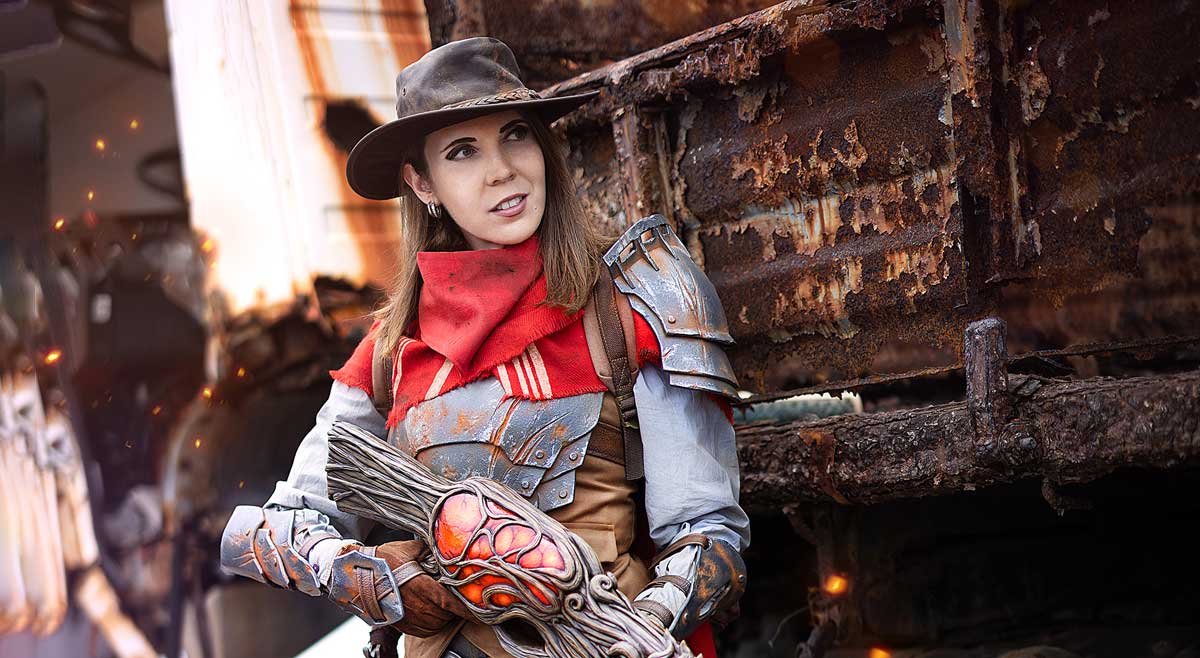
Unlike many past projects that relied exclusively on custom tailoring, this build necessitated a strategic blend of "repurposing" existing apparel and high-fidelity fabrication. The goal was to achieve a level of authenticity that felt like it had truly weathered the hostile, otherworldly environments of the game’s many biomes.
The Merciless Blaster: A Chronology of Fabrication
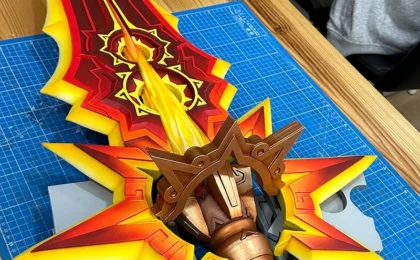
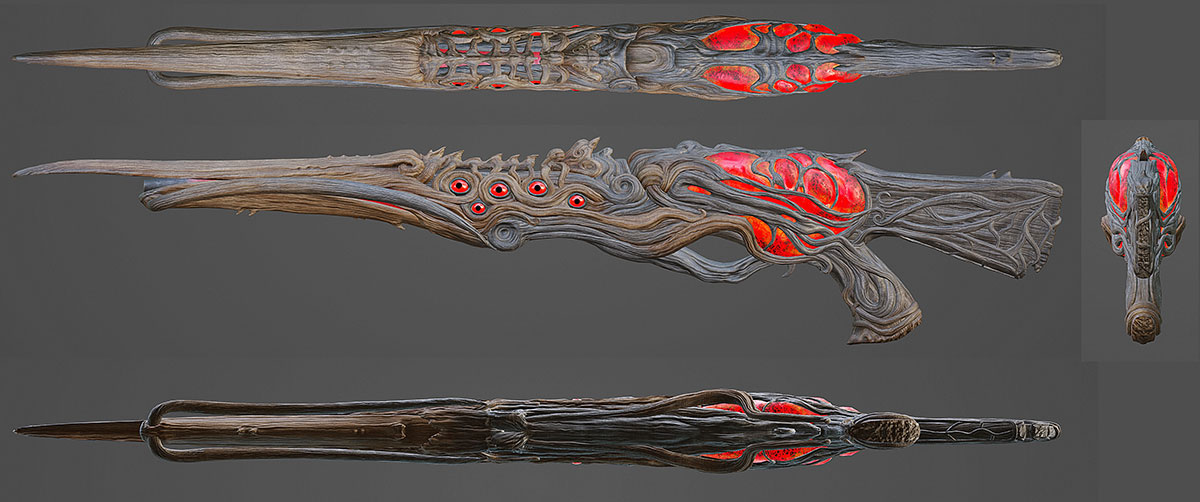
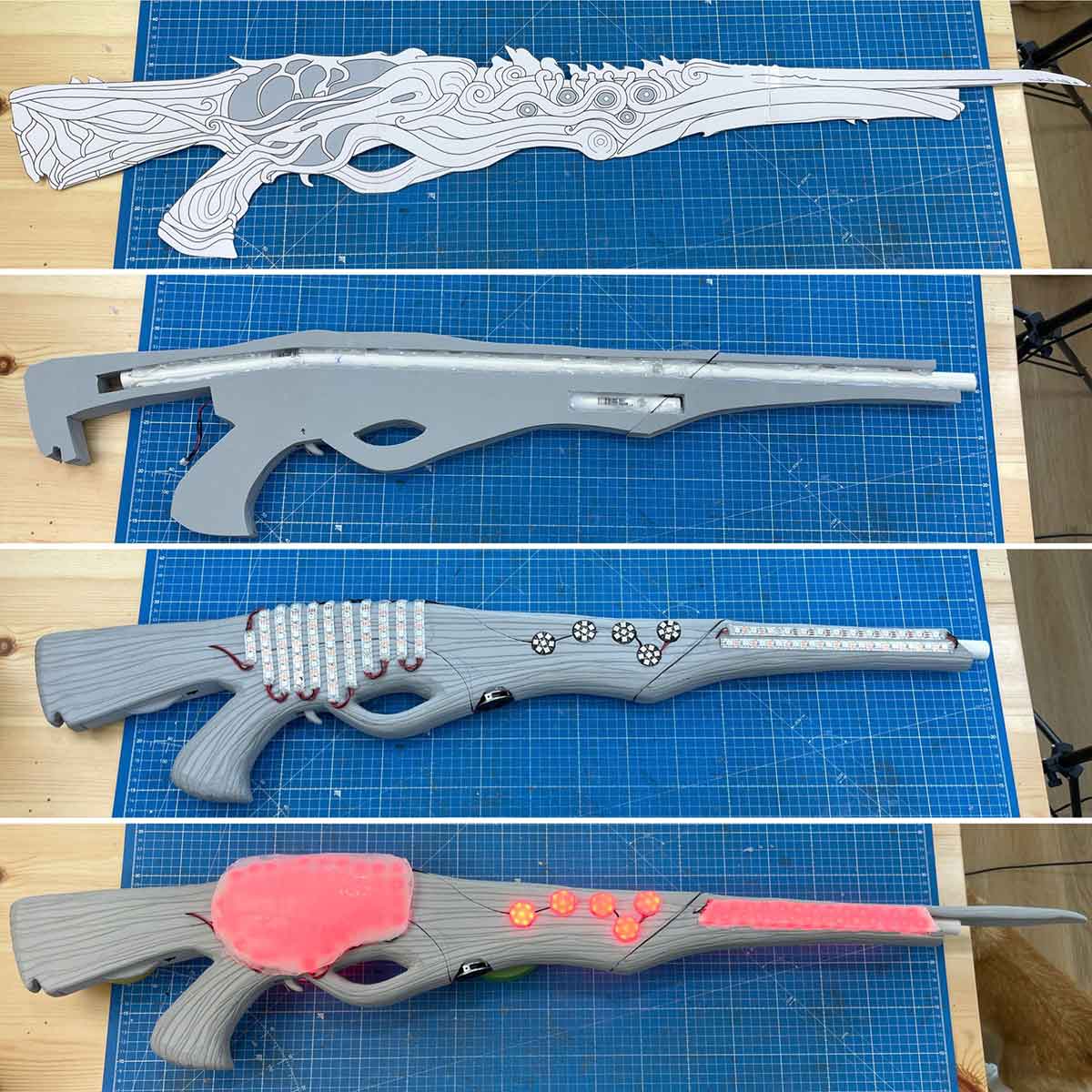
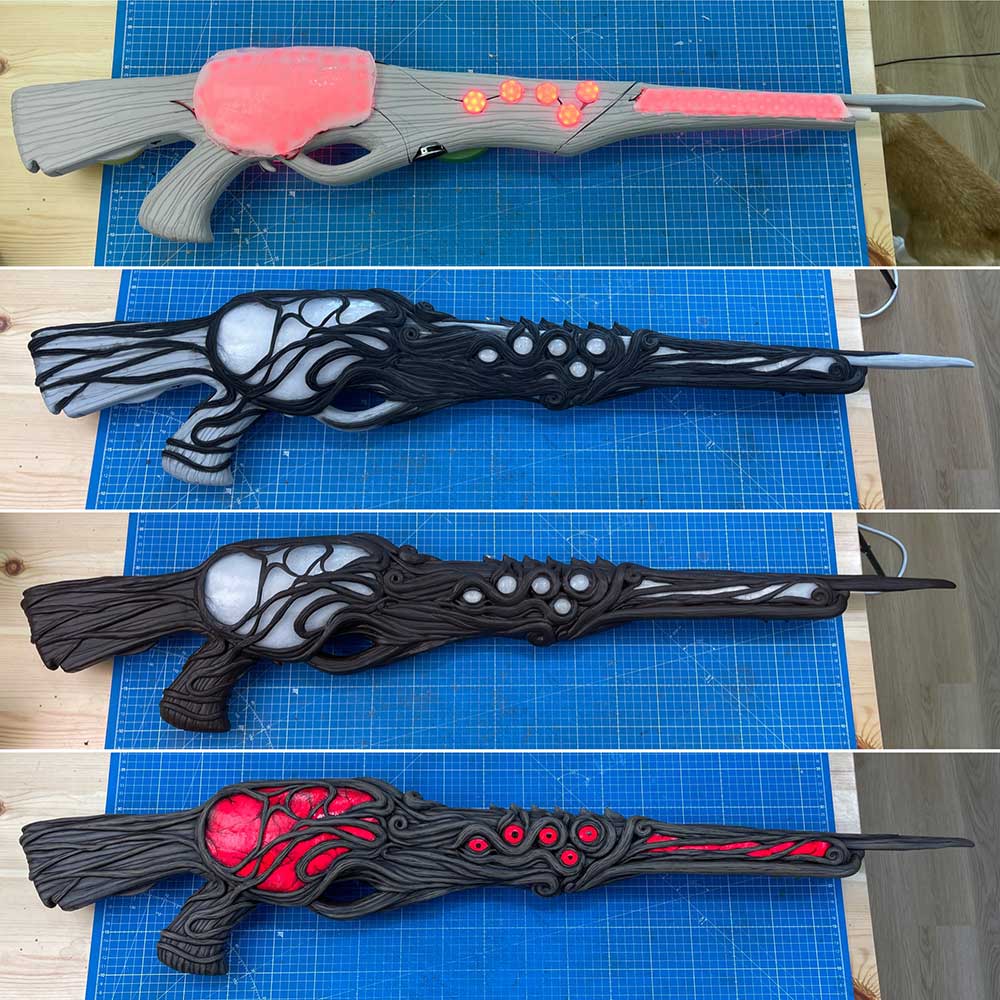
The centerpiece of the build was the "Merciless Blaster." With its pulsing core, vine-entwined frame, and eerie, red demon eyes, it represented a significant engineering hurdle.
Phase 1: Prototyping and Scaling
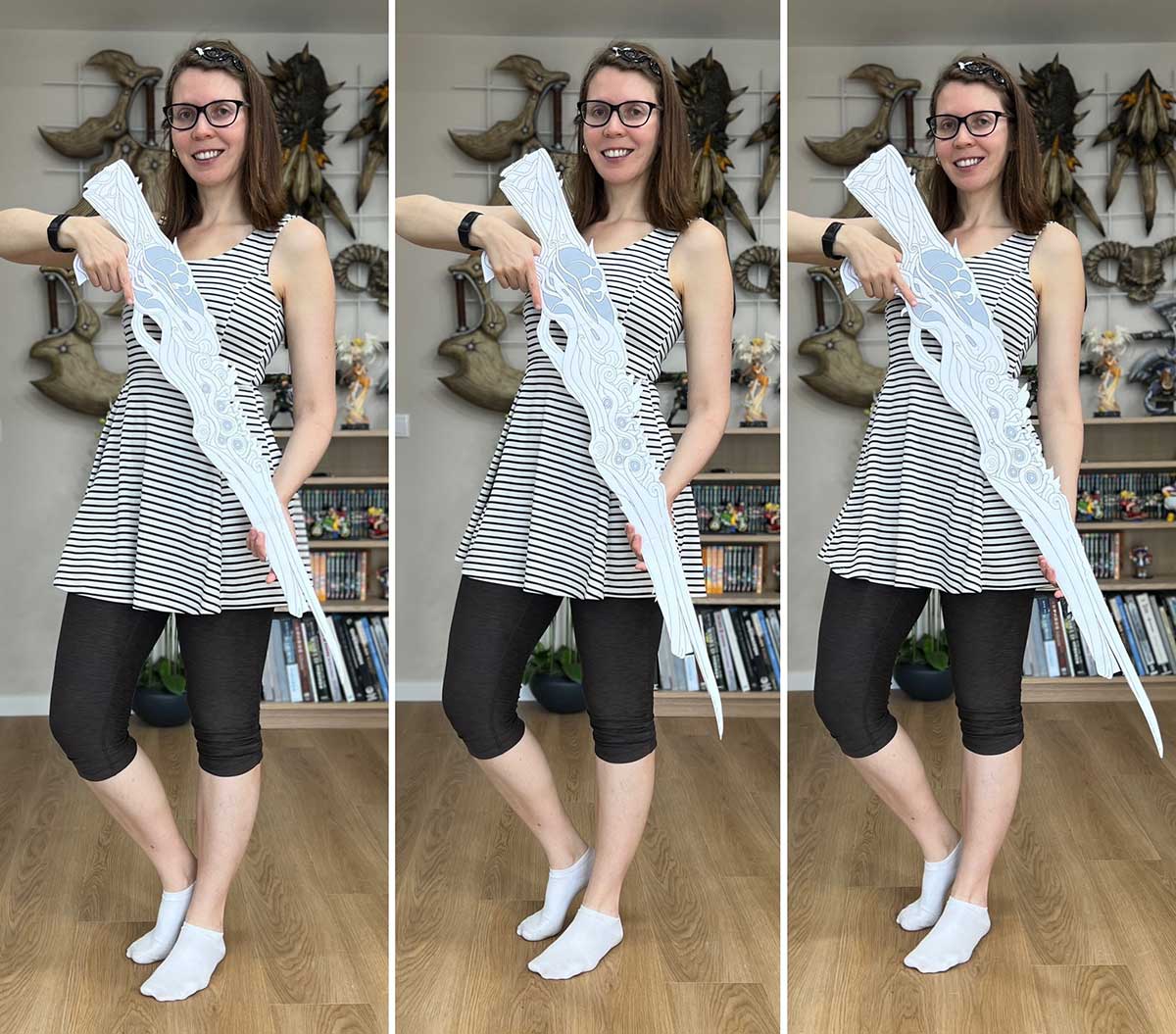
Before a single piece of foam was cut, the team focused on achieving the correct proportions. Using a 3D-modeled blueprint, they created three paper dummies at varying scales. This step is often overlooked by hobbyists, yet it is essential for ensuring that a prop—which may look perfect on a computer screen—translates well to the human frame. By physically manipulating these paper prototypes, the artist was able to lock in a size that offered both visual impact and practical carry-weight.
Phase 2: Structural Foundation
The internal structure utilized non-plasticized PVC piping as a rigid core. This was heat-shaped to mimic the gun’s barrel before being enveloped in high-density EVA foam. To add a layer of interactivity, a custom trigger mechanism was integrated, designed to engage both sound and light effects simultaneously.
Phase 3: The Electronic Heart
Electronics are the hallmark of high-end prop making. For the Merciless Blaster, the artist utilized LED strips at a density of 60 LEDs per meter, a specific choice made to balance peak brightness with battery efficiency. The blaster’s ten "eyes" and core were animated to create a living, pulsing effect. Diffusion was achieved using thermoplastic pallets, ensuring that the light appeared soft and organic rather than harsh or singular.
Phase 4: Texturing and Finishing
The final shape of the weapon was refined using foam clay. By sculpting "foam sausages" and applying them layer by layer, the artist replicated the weapon’s organic, vine-like aesthetic. Once cured, the prop was sealed with three layers of Flexbond, providing a durable base for the paint job. A final acrylic application by her partner, Benni, brought the prop to life with depth and realism.
The Costume: Hybridizing Fabric and Foam
While the weapon required rigid fabrication, the costume relied on a mix of textile work and advanced armor production.
Reimagining Apparel
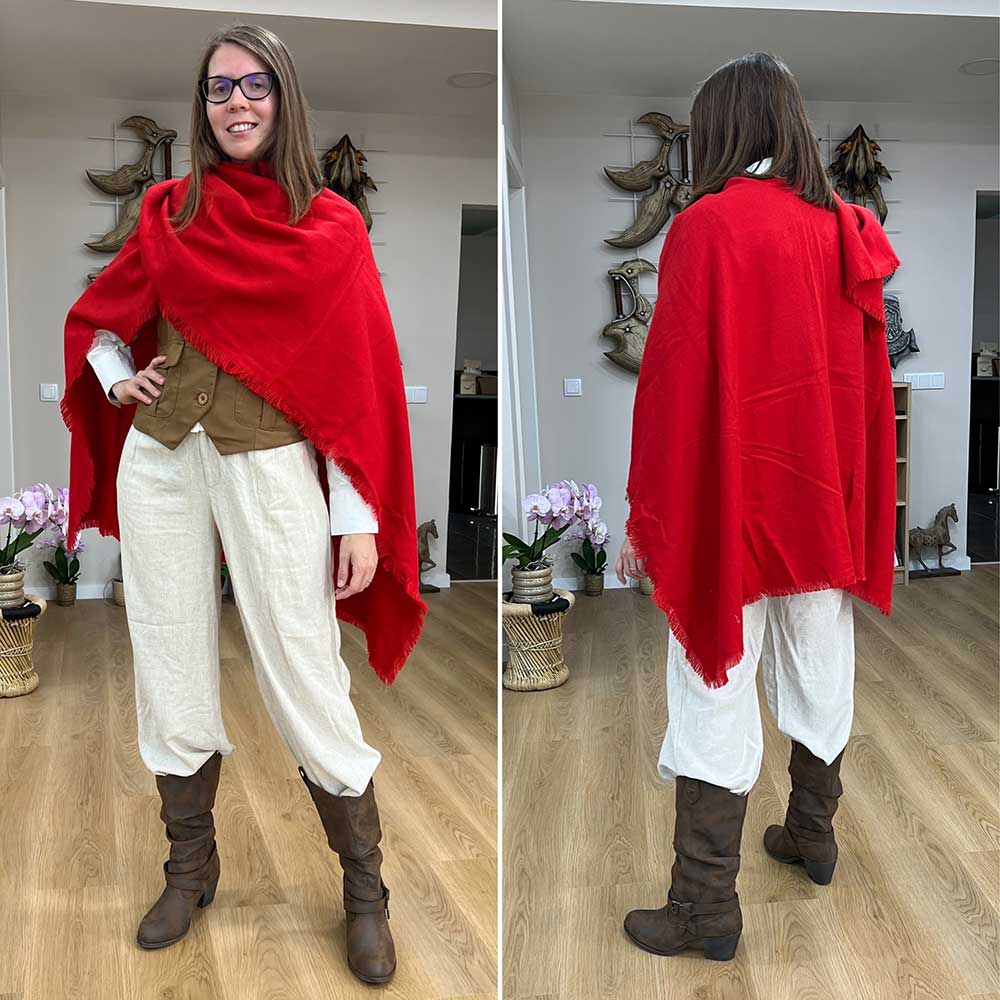
The artist adopted a "repurposing" philosophy for the clothing elements. By sourcing a white blouse, linen pants, a brown vest, and a red poncho from local retail, she was able to build a base that felt grounded in reality. These items were then subjected to extensive distressing—dyes, acrylic washes, and tactical cuts were applied to ensure the garments looked as though they had survived the chaotic, monster-filled landscapes of Remnant II.
Advanced Armor Production
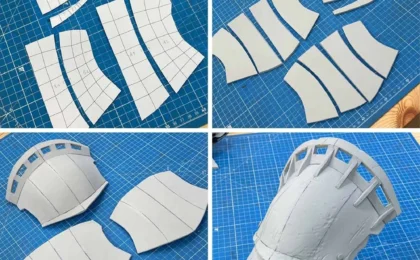
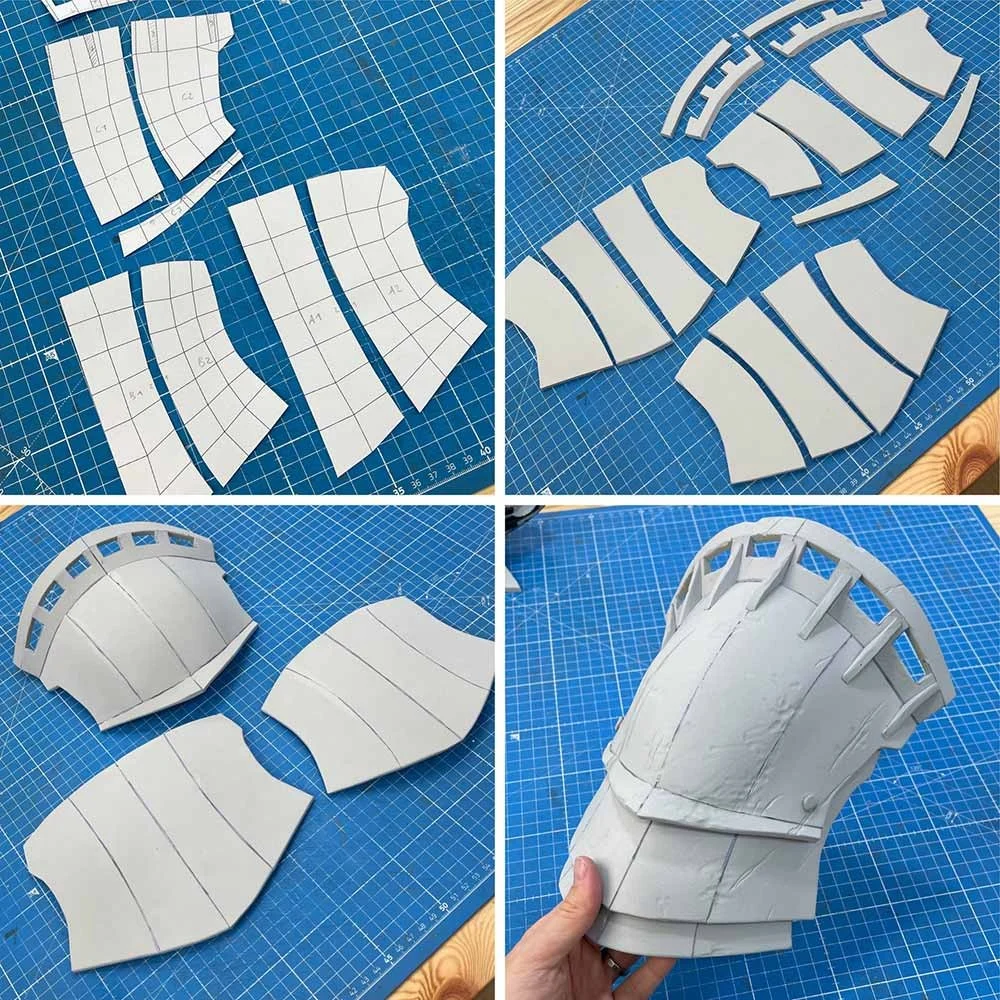
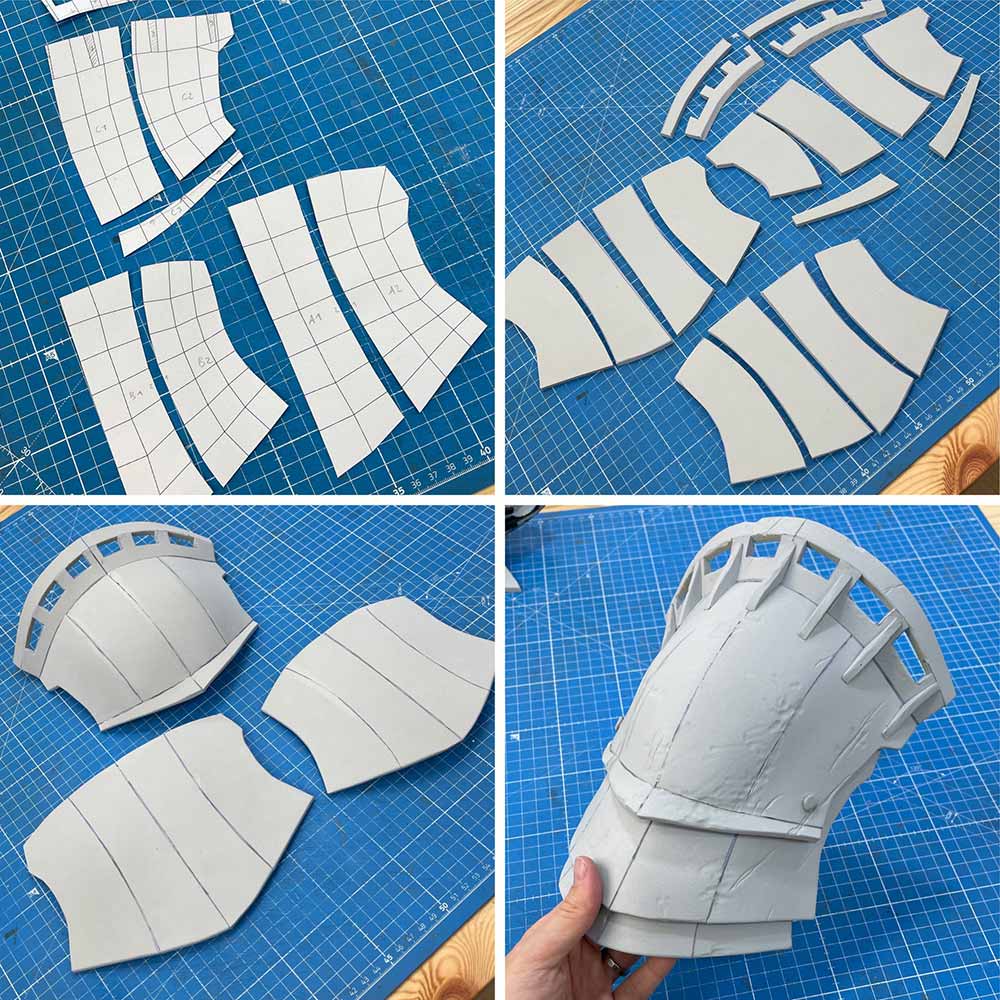
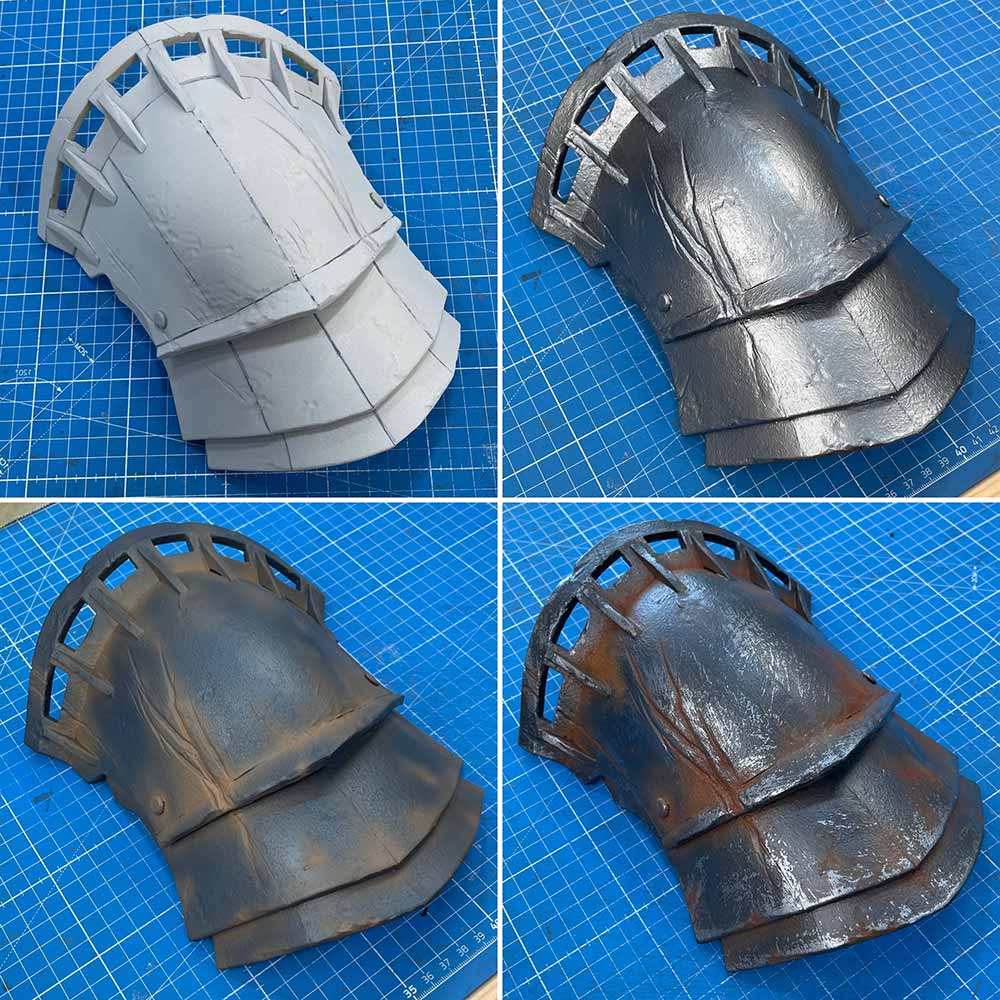
The armor pieces were brought to life using Blender. By analyzing in-game screenshots, the team modeled the armor in 3D space, subsequently using "unfolding" techniques similar to Pepakura to generate flat, printable patterns. These were then traced onto EVA foam, cut, and assembled with contact cement.
To achieve the "worn metal" look, the team utilized a hairspray-resist technique. By layering silver paint, then hairspray, then darker metallic and rust-colored paints, they were able to scrub away top layers with a metal sponge, revealing a hyper-realistic, chipped-paint effect. When the chemical approach for artificial rust was unavailable, they improvised using texture paste mixed with yellow, orange, and brown acrylics, providing a tactile, gritty finish that stood up to close-up photography.
Implications for the Cosplay Community
This project serves as a significant case study for the evolution of modern cosplay. The transition from manual drafting to 3D-modeled foam patterns (often referred to as "the Blender-to-foam pipeline") has drastically reduced the barrier to entry for high-quality armor fabrication.
Furthermore, the emphasis on repurposing fabric highlights a trend toward "hybrid crafting." By combining store-bought, weathered clothing with custom-fabricated armor and props, artists can achieve a level of realism that feels organic rather than "costumey." The documentation of these processes—through video tutorials and project blogs—continues to democratize professional-grade techniques for hobbyists worldwide.
Official Responses and Engagement
The partnership with Gunfire Games underscores the growing synergy between game developers and the cosplay community. As game design becomes increasingly complex, props and costumes serve as powerful marketing tools, providing fans with a tangible connection to the game’s lore. The "Merciless Blaster" project, in particular, was lauded for its attention to detail, specifically the lighting effects that mimic the weapon’s in-game status as a high-tier, mysterious artifact.
Conclusion: A New Standard
The project concluded with a photoshoot at an abandoned fish farm on the island of Madeira. The site, littered with rusted machinery and decaying infrastructure, provided the perfect backdrop for the Gunslinger. It proved that the success of a cosplay is not just in the craftsmanship of the individual pieces, but in the cohesion of the final narrative.
By prioritizing structural planning, experimenting with new material combinations, and leaning into the "post-apocalyptic" aesthetic, the artist successfully brought a fragment of Remnant II into the real world. For those looking to replicate this level of quality, the project serves as a reminder: whether it is through a 3D printer, a Dremel tool, or a simple bottle of hairspray, the only limits to character realization are those of the creator’s imagination.