Basiran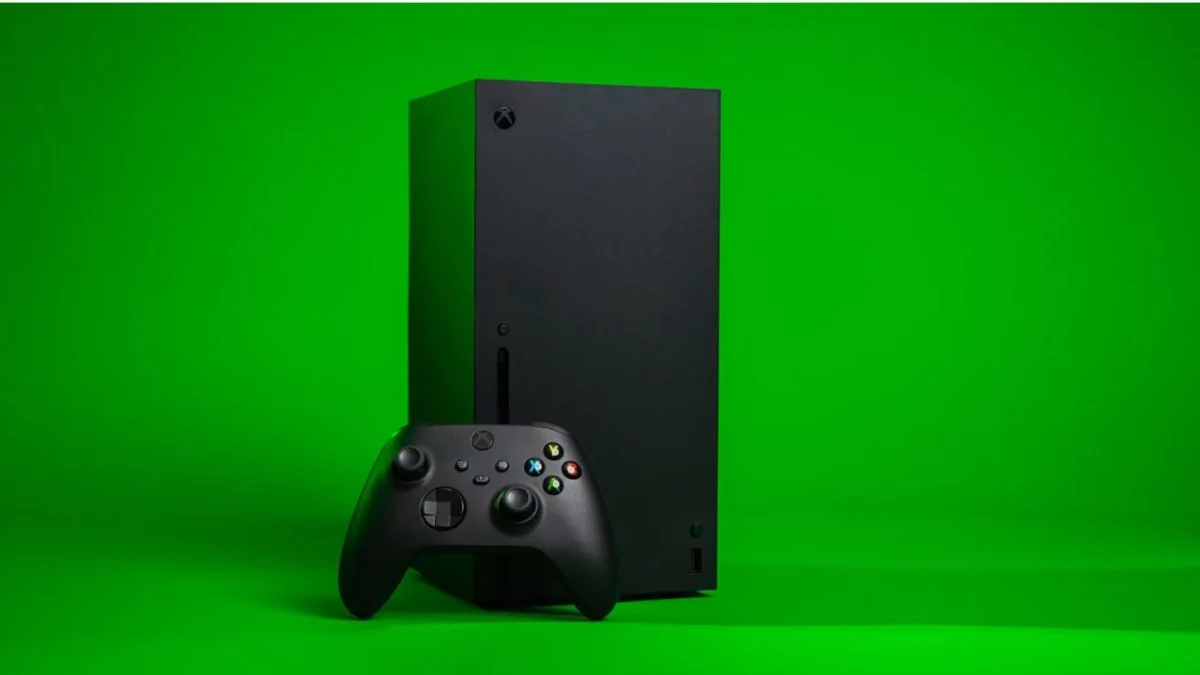
In a move that has sent shockwaves through the gaming community, Microsoft officially announced on June 25, 2026, that it will be raising the retail prices of its Xbox console lineup yet again. This latest adjustment, scheduled to take effect on August 1, 2026, represents the third major price increase in less than eighteen months, signaling a troubling trend for consumers hoping to enter the current generation of console gaming.
As the industry grapples with shifting supply chain dynamics and rising component costs, Microsoft has signaled that the era of affordable, mass-market gaming hardware may be undergoing a fundamental, and perhaps permanent, transformation.
The Core Facts: What You Need to Know
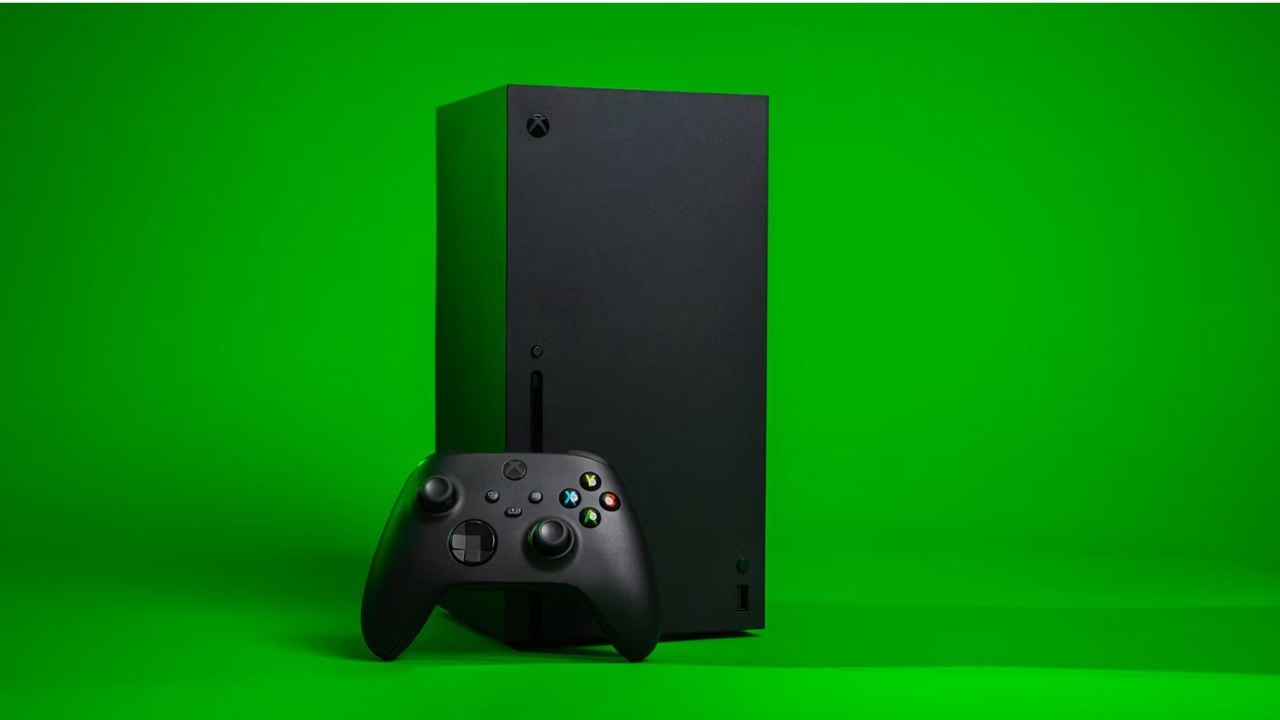
Effective August 1, 2026, prospective buyers will see a significant shift in the price tags of new Xbox hardware. According to the official statement released by Microsoft, the cost of the 512GB models will see an upward adjustment of $100, while the 1TB models will experience a $150 increase.
Beyond these price hikes, Microsoft has confirmed a strategic pivot in its product availability. The company is officially phasing out its high-capacity 2TB storage tier. While this may come as a disappointment to power users who prefer the convenience of internal high-capacity storage, it is widely viewed as a move to streamline manufacturing processes in the face of ballooning component expenses.
This announcement serves as a stark reminder that the “console wars” are no longer just about software exclusives or hardware performance; they are increasingly defined by the economic realities of global manufacturing.
Chronology of an Escalating Crisis
To understand the severity of the current situation, one must look at the timeline of events that have led to this moment. The gaming industry, much like the automotive and mobile device sectors, has been reeling from a sustained crisis regarding semiconductor and memory supply chains.
- May 2025: The first widespread price adjustment occurred, as global supply chain pressures began to weigh heavily on Microsoft’s profit margins. At the time, consumers were told it was a "temporary measure" to offset rising freight and raw material costs.
- October 2025: Barely six months later, Microsoft implemented a second round of price hikes. Industry analysts began to speculate that the previous increases had failed to keep pace with the hyper-inflation of specific console components, particularly DRAM and NAND flash memory.
- June 2026: The current announcement marks the third increase. By this point, the narrative has shifted from "temporary adjustments" to a long-term strategy of passing the burden of component inflation directly to the consumer.
The frequency of these hikes—three times in 15 months—is unprecedented in the history of the Xbox brand. Historically, consoles have followed a "price decay" curve, where hardware becomes cheaper to manufacture over time, allowing for retail price cuts. We are currently witnessing the exact inverse of that traditional lifecycle.
Supporting Data: Why Costs Are Soaring
Microsoft’s justification for these increases lies in the volatility of the global electronics market. In their official statement, the company noted that console storage and memory prices have surged by more than 2.5 times compared to their baseline costs at the start of the current console generation.
The Memory and Storage Bottleneck
The demand for high-speed, high-density storage has exploded due to the rise of AI-driven computing and high-end server infrastructure. Consoles, which require specialized high-bandwidth memory to maintain competitive performance, are competing for the same silicon wafers as massive enterprise data centers.
Microsoft has warned of further instability: "We expect another doubling of costs by the fall of 2027." This projection suggests that even if supply chains stabilize, the baseline price of entry for next-generation hardware will remain significantly higher than it was at the launch of the current cycle.
Official Responses and Strategic Pivot
Microsoft has attempted to soften the blow by acknowledging the economic strain on their customer base. In their June 25 post, the company expressed regret, stating, “We hoped another price increase would not be necessary, and we have spent the last several months working with suppliers on options.”
However, the company’s explanation highlights a fundamental difference between consoles and other consumer electronics. "The entire consumer electronics industry is struggling with the current components crisis, but the effects are particularly hard on consoles," the statement read. "Unlike phones, computers, speakers, and other consumer devices, consoles are typically not sold at a profit, but instead for less than they cost to make."
This admission is key to understanding the Xbox strategy. By selling hardware at a loss (or at razor-thin margins), Microsoft relies on subscription services like Xbox Game Pass and digital storefront revenue to make the business viable. When the cost of the hardware itself rises, the "loss-leader" strategy becomes unsustainable.
Navigating the Financial Burden
Recognizing that these price hikes may alienate casual gamers or families on a budget, Microsoft is doubling down on alternative payment methods. The company is actively promoting:
- Buy Now, Pay Later (BNPL): Available through the Microsoft Store, allowing users to split payments into interest-free installments.
- 0% APR Financing: Partnering with retailers like Amazon to offer extended payment plans.
- Refurbished and Pre-owned Markets: Microsoft is leaning heavily into its "Certified Refurbished" program, which offers a lower barrier to entry for those unwilling to pay the new MSRP.
For those waiting for a "deal," the writing on the wall is clear. With component costs trending upward through 2027, waiting for a significant price drop is, according to most market analysts, a losing game.
Implications: The Future of Console Gaming
The implications of these recurring price increases are profound.
1. The Death of the "Entry-Level" Gamer
When consoles become premium-priced items, the industry risks losing the demographic of younger or more casual players who cannot justify a $600+ investment. This could lead to a contraction in the user base, forcing Microsoft to rely even more heavily on its cloud-gaming initiatives, such as Xbox Cloud Gaming, which allows users to play on existing mobile devices or smart TVs without the need for a dedicated console.
2. Shift Toward Cloud Infrastructure
If hardware remains prohibitively expensive, we may see a faster migration toward a "hardware-agnostic" ecosystem. If the console becomes a luxury item, Microsoft’s value proposition will rely almost exclusively on their software ecosystem—Game Pass—rather than the box under the television.
3. Increased Market Segmentation
By phasing out the 2TB model, Microsoft is narrowing its hardware focus to mid-tier storage capacities. This suggests a desire to optimize manufacturing efficiency. However, it also places the onus on the consumer to purchase additional storage expansion cards, which themselves are subject to the same volatile memory pricing, effectively increasing the "hidden" cost of ownership.
Conclusion
The latest Xbox price hike is a symptom of a broader, systemic shift in the global technology sector. As the cost of raw materials, refined silicon, and logistics remains volatile, the gaming industry is being forced to adapt in ways that are painful for the end-user.
For current Xbox owners, the advice is simple: protect your existing hardware. For those on the fence, the trend suggests that the current price point is likely the "new normal." As Microsoft navigates this challenging economic landscape, the question remains whether the consumer will continue to follow, or if the rising cost of the hobby will lead to a significant shift in how people choose to consume digital entertainment.
In an era where "owning the hardware" is becoming an increasingly expensive commitment, the strategy of the future seems to be one of cautious spending and an increased reliance on digital services. Whether this is a temporary hump in the road or a permanent shift in the gaming paradigm, one thing is certain: the era of inexpensive, high-performance console gaming is currently on hold.


 Sagoh
Sagoh
 Ammar Sabilarrohman