Evan Lee Salim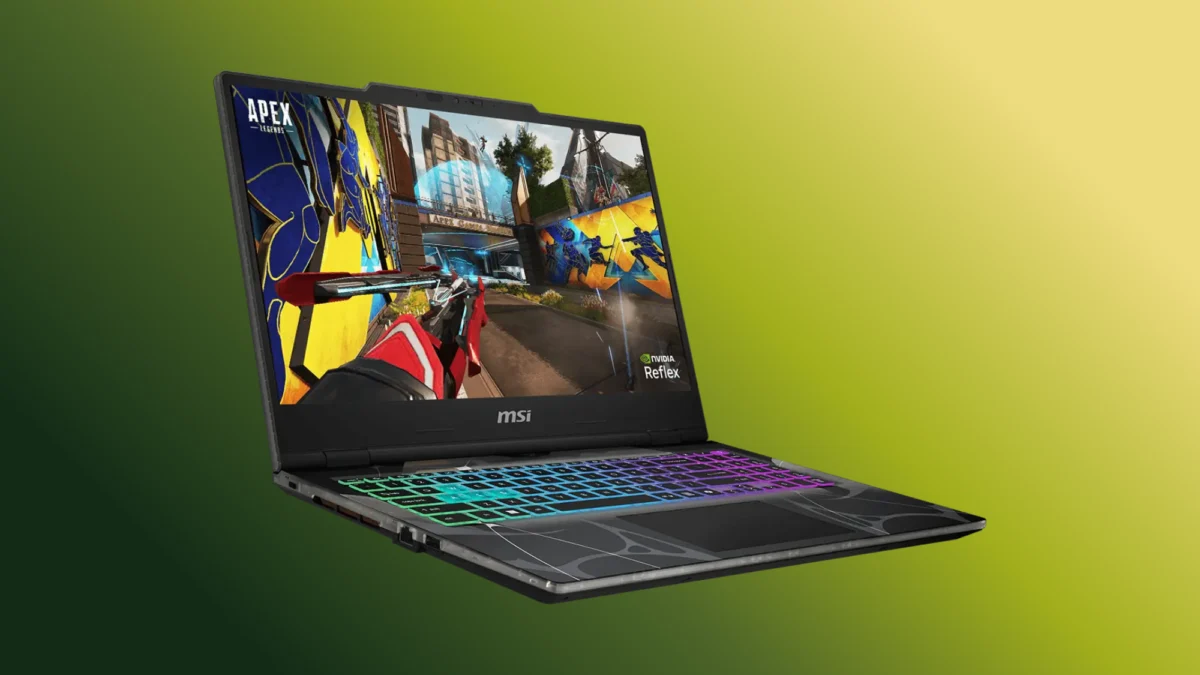
The global PC hardware market in 2026 has entered a period of unprecedented volatility. For enthusiasts, system builders, and casual gamers alike, the dream of assembling a high-performance desktop from the ground up has been dampened by a perfect storm of supply chain constraints, inflationary pressures, and a drastic surge in memory costs. As component prices reach levels previously considered "absurd," consumers are increasingly turning away from custom builds in favor of pre-built solutions—specifically gaming laptops—that offer a semblance of price stability.
The Anatomy of the 2026 RAM Crisis
At the heart of the current market turbulence is a severe, prolonged shortage of DRAM and high-speed memory modules. Throughout the early months of 2026, industry analysts observed a sharp uptick in the price of both DDR5 RAM kits and high-bandwidth VRAM required for modern graphics cards.
The crisis stems from a combination of factors: increased demand for AI-centric compute hardware, which shares fabrication facilities with consumer-grade memory, and a tightening of raw material supplies. For the average consumer, this means that the "affordable" entry point for a new PC build has shifted upward by several hundred dollars. When system memory—the backbone of any modern computing experience—becomes a luxury, the cost-benefit analysis of building a custom machine falls apart.
The GPU Price Spiral
The graphics card market, already notoriously sensitive to market shifts, has fared no better. The launch of the Nvidia GeForce RTX 5000 series, while technologically impressive, has been shadowed by the high cost of the necessary VRAM. Modern triple-A titles, which demand larger textures and more complex assets, require significant video memory to maintain performance.
This hardware dependency has created a bottleneck. With VRAM premiums pushing the cost of flagship and mid-range GPUs to historic highs, users are finding that the price of the graphics card alone often exceeds what they would have spent on an entire system just a few years ago. Even the mid-range tiers, typically the "sweet spot" for performance-per-dollar, are currently priced out of reach for many.
The Software Factor: Windows 11 and Memory Overhead
The hardware shortage is exacerbated by a software landscape that is becoming increasingly demanding. Microsoft’s Windows 11, while offering robust features and security, has earned a reputation as a significant "memory hog."
For systems running on the older 8GB standard, the modern operating environment—coupled with background processes and web browsers—often results in noticeable performance degradation. This has effectively rendered 8GB systems obsolete for serious gaming, forcing users to invest in 16GB or 32GB configurations. In a market where every gigabyte of RAM carries a premium price tag, this "forced upgrade" path has added yet another layer of financial frustration for PC users.
Prime Day: A Rare Window of Opportunity
Amidst this fiscal gloom, the annual Amazon Prime Day sales event has emerged as a rare oasis. While individual components remain expensive, some manufacturers have leveraged the event to offer significant discounts on pre-built gaming laptops. Because these units were often manufactured or bundled before the most recent, extreme price hikes, they serve as a unique value proposition.
Key Deals and Market Analysis
Several MSI models have stood out during this cycle, providing a lifeline for gamers looking to upgrade without breaking the bank.
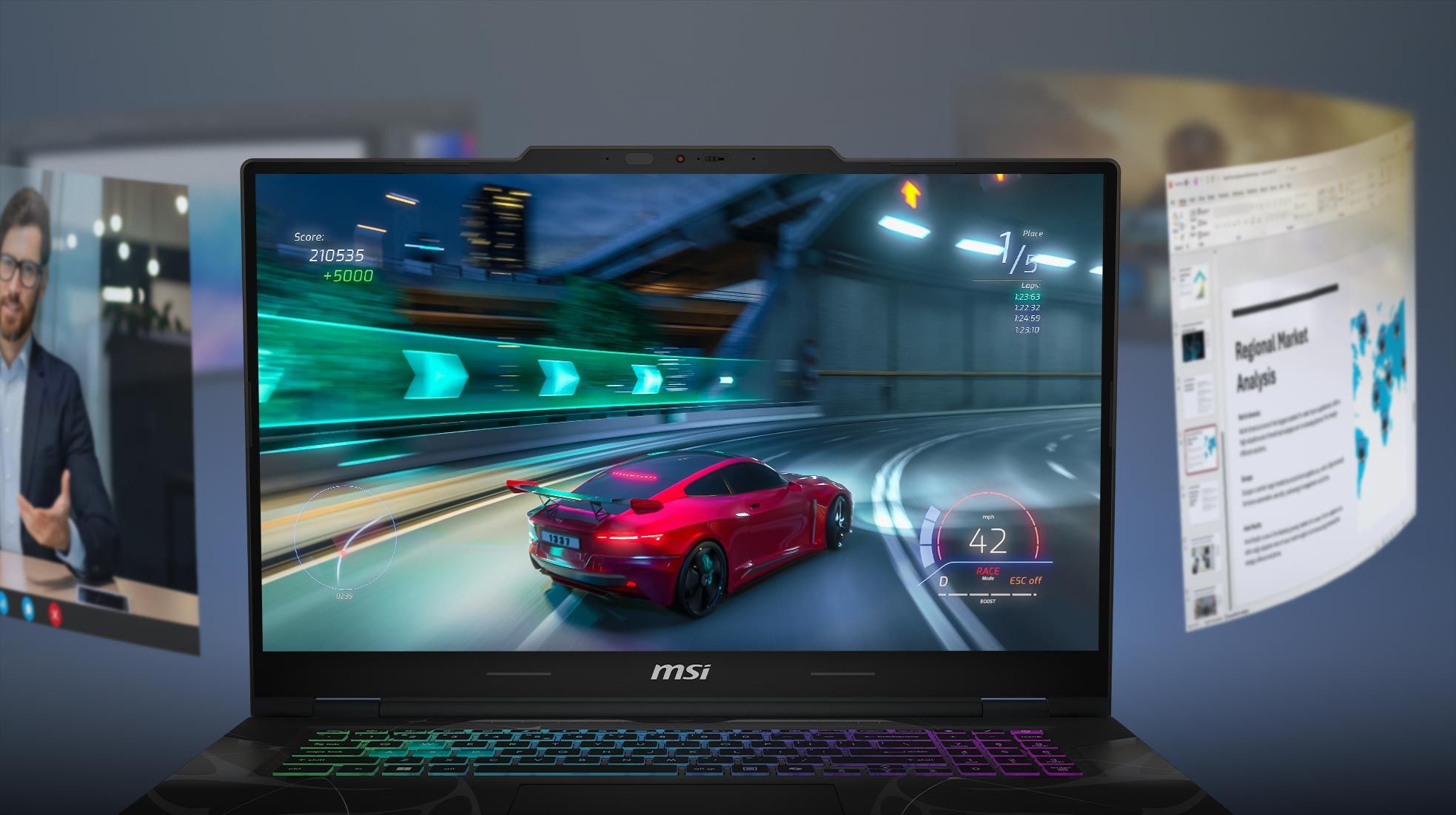
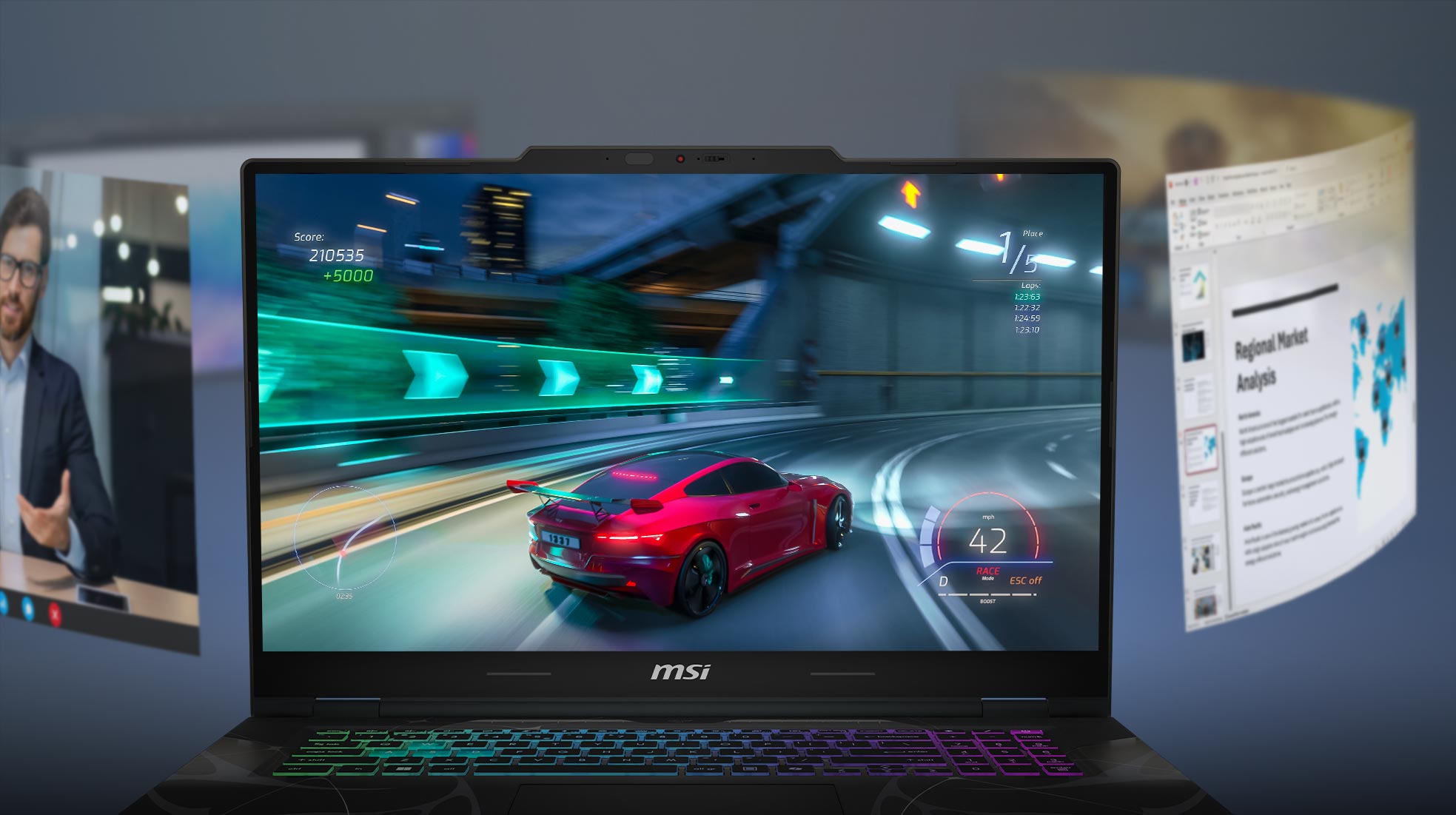
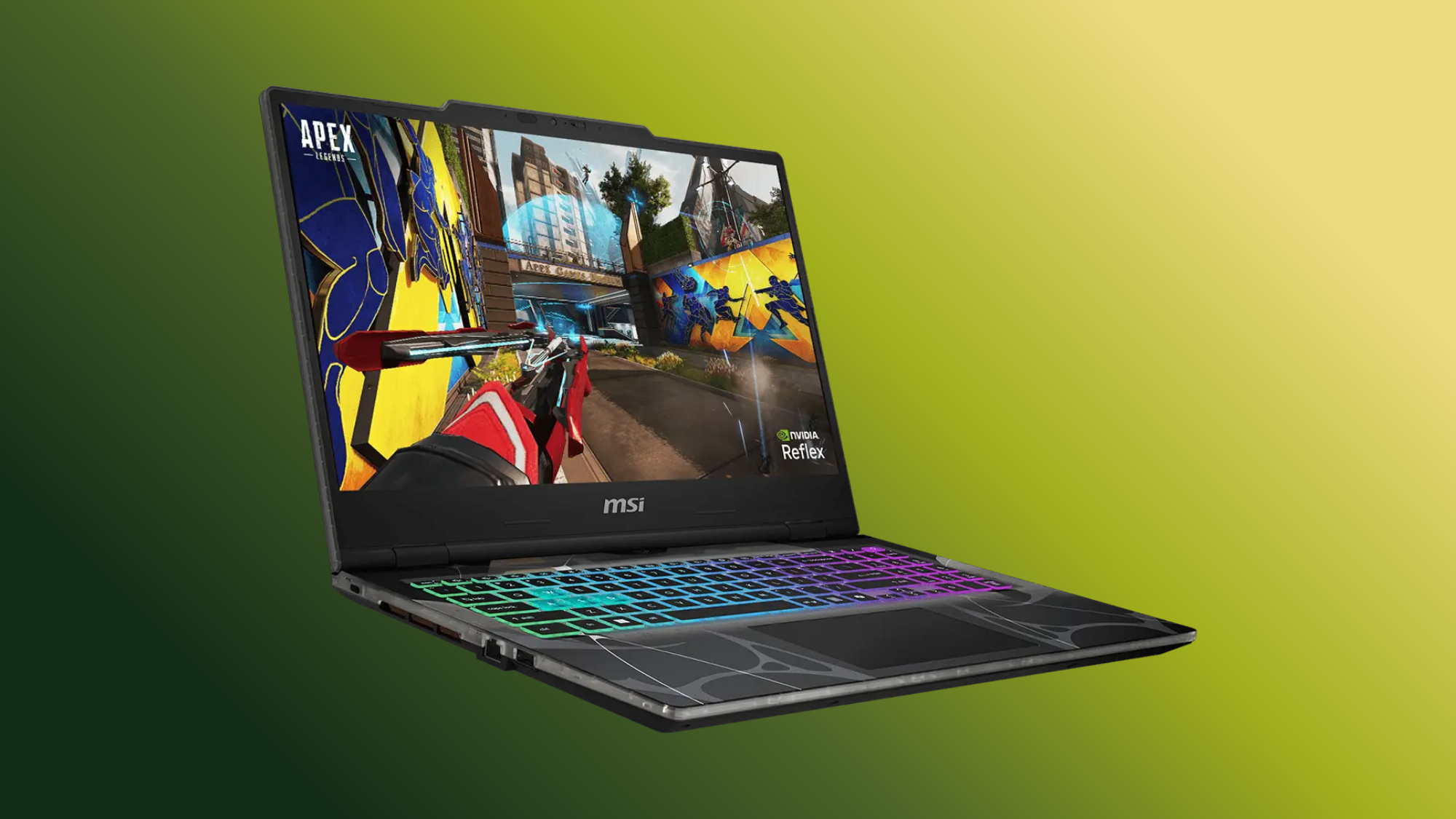
- The MSI Cyborg 15 RTX 5050 B2RW: Currently discounted by 39%, dropping to £849.99 from its original £1,399 price point. While the RTX 5050 is not an enthusiast-grade card, it utilizes Nvidia’s DLSS 4.5 technology to bridge the gap, allowing for competent 1080p performance in modern titles.
- The MSI Cyborg 15 RTX 4050 AI A1VE: Available for £799, representing a 32% discount from its £1,169 RRP. This remains a highly viable entry-level machine for those prioritizing budget over absolute frame rates.
- The MSI Thin 15: Retailing at £749.99, this unit offers the most accessible price point. While the 10% discount is modest compared to its siblings, it remains competitive when compared to the cost of purchasing an equivalent discrete desktop GPU, such as the AMD Radeon RX 9070 XT.
Implications for the Future of PC Gaming
The current market landscape raises critical questions about the future of PC gaming. If component prices remain elevated, the industry may see a permanent shift in how consumers access high-end gaming.
1. The Death of the "Budget Build"
For over a decade, the "budget gaming PC" has been a staple of the industry. By selecting cost-effective components, gamers could build a machine that outperformed consoles for a similar price. The 2026 memory crisis has effectively killed this segment. If RAM and GPU prices do not stabilize, the "DIY" culture may shrink significantly, relegated only to high-end enthusiasts who are willing to pay the premium.
2. The Rise of the Laptop as the Primary Gaming Platform
Laptops are inherently more price-stable in the short term because manufacturers buy components in bulk. During times of supply chain volatility, these manufacturers can absorb some costs that a solitary consumer simply cannot. Consequently, we may see a multi-year trend where the gaming laptop becomes the default choice for the average gamer, even those who previously preferred the modularity of desktops.
3. Efficiency Over Raw Power
As hardware becomes more expensive, the software industry will likely shift its focus toward optimization. Developers may prioritize DLSS (Deep Learning Super Sampling) and similar AI-upscaling technologies not just as a "bonus" feature, but as a core requirement to make games playable on hardware that would otherwise be underpowered. This "AI-first" approach to gaming performance is already visible in the success of the RTX 5050-equipped laptops, which leverage software intelligence to compensate for lower raw hardware overhead.
Expert Perspective: Playing the Waiting Game
Industry experts suggest that while these Prime Day deals offer a temporary reprieve, the long-term solution lies in market stabilization. "The PC hardware market is cyclical," says one industry analyst. "We are currently at the peak of a cycle driven by both genuine supply shortages and a period of rapid technological transition. The best advice for those who don’t need a new machine today is to wait. However, for those whose current rigs are failing to meet the demands of modern software, these discounted laptops represent the most rational economic choice available."
Conclusion
The 2026 hardware market is undoubtedly challenging. Between the memory crisis, the soaring costs of the RTX 5000 series, and the resource-heavy nature of modern operating systems, the barrier to entry for high-performance computing has never been higher. Yet, the current sale events on platforms like Amazon prove that value can still be found.
By pivoting toward pre-built solutions that offer 16GB of RAM as a baseline and utilizing modern upscaling technologies, gamers can navigate this storm. Whether this is a temporary blip or the new reality of the PC market remains to be seen, but for now, the path forward is clear: be strategic, look for bundled value, and leverage software-driven performance to keep your setup relevant in an era of premium pricing.


 Suro Senen