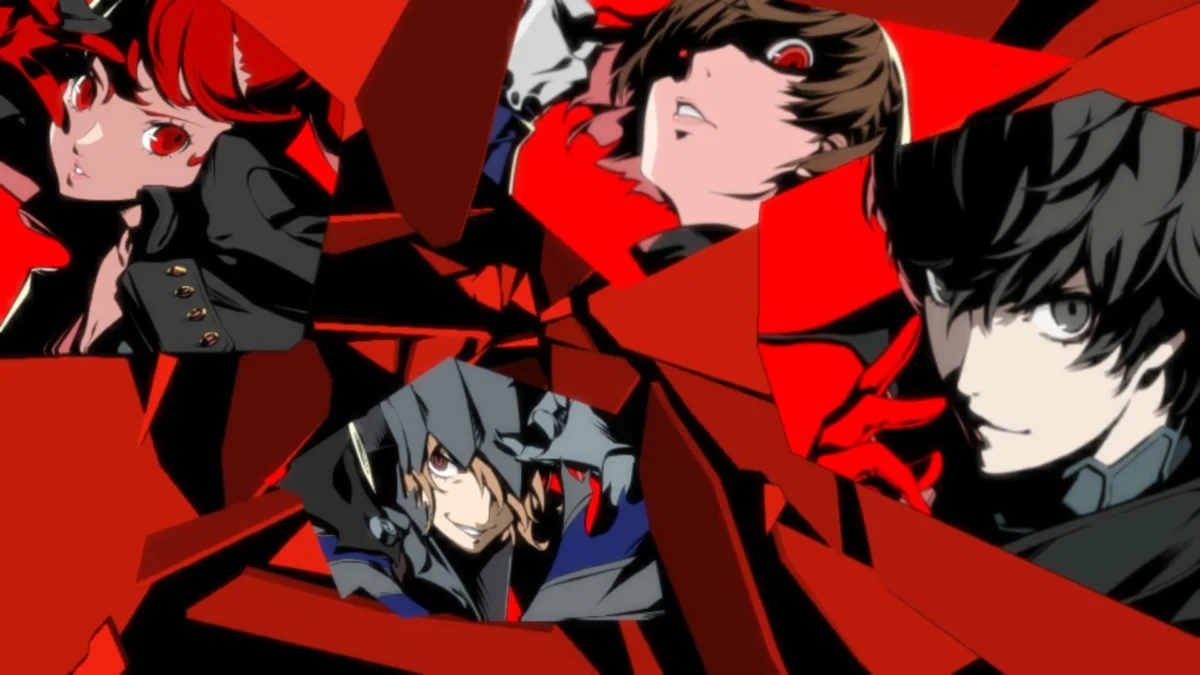
LOS ANGELES, CA – [Current Date] – In a move set to electrify fans worldwide and mark a significant expansion of its video game adaptation strategy, Netflix is reportedly developing a live-action series based on Atlus’s critically acclaimed Persona video game franchise. The highly anticipated project, which aims to translate the beloved JRPG series’ unique blend of supernatural mystery, psychological introspection, and social simulation into a cinematic experience, is a collaborative effort between industry giants 21 Laps Entertainment and Story Kitchen.
The news, first broken by a comprehensive report from Variety, confirms that Christopher Monfette has been tapped to lead the series as its writer, executive producer, and showrunner. Monfette will be joined by a formidable team of executive producers, including Shawn Levy and Robert Atwood from 21 Laps, known for their work on genre-defining hits such as Stranger Things. Further strengthening the production’s creative backbone are Dmitri M. Johnson, Michael Lawrence Goldberg, and Timothy I. Stevenson of Story Kitchen, a production company specializing in video game adaptations. Crucially, Toru Nakahara of SEGA, the parent company of Persona developer Atlus, will also serve as an executive producer, signaling a direct involvement from the intellectual property’s custodians.
When approached for comment regarding the burgeoning project, Netflix, true to form in the early stages of major productions, officially declined to provide a statement. This customary silence, however, does little to dampen the immense speculation and excitement already circulating among the franchise’s dedicated global fanbase. The announcement arrives amidst a period of significant revitalization for the Persona universe, with a remake of the acclaimed Persona 4, titled Persona 4 Revival, slated for release on February 18, 2027, across PlayStation 5, Xbox Series, and PC. Furthermore, the sixth mainline installment, Persona 6, was recently unveiled for the same platforms, underscoring SEGA and Atlus’s concerted effort to broaden the series’ reach.
Main Facts: Netflix Greenlights Live-Action ‘Persona’ Series
The reported development of a live-action Persona series by Netflix is more than just another video game adaptation; it represents a bold statement on the streaming giant’s commitment to premium, globally appealing content and the growing mainstream acceptance of complex interactive narratives. Persona, a spin-off of Atlus’s darker Shin Megami Tensei series, has carved out a unique niche through its distinctive blend of turn-based combat, compelling character development, and intricate social simulation. The franchise is celebrated for its stylish aesthetics, unforgettable soundtracks, and deep exploration of Jungian psychology, weaving tales of high school students who awaken to supernatural powers, forming bonds and confronting inner demons while battling literal manifestations of humanity’s collective unconscious.
A Landmark Adaptation for a Cult Phenomenon
For years, Persona has cultivated a passionate following, transitioning from a niche Japanese role-playing game to a global cultural phenomenon, particularly with the widespread success of Persona 5 and its enhanced version, Persona 5 Royal. The series’ appeal lies in its ability to combine the mundane realities of teenage life – attending school, forming friendships, navigating relationships – with fantastical elements of dungeon crawling and shadow battles. This duality, where everyday decisions directly impact one’s ability to fight existential threats, is a core pillar that will be crucial for the live-action adaptation to capture.
The prospect of translating Persona‘s vibrant, often surreal visual style and intricate narrative into live-action presents both immense opportunities and significant challenges. Fans anticipate a faithful adaptation that respects the source material’s mature themes, unique character archetypes, and iconic art direction, while also expanding its narrative potential for a new medium. The high expectations stem from the series’ consistent critical acclaim and its profound impact on players, many of whom consider the games to be deeply personal and transformative experiences.
The Creative Team Behind the Vision: Industry Veterans at the Helm
The selection of Christopher Monfette as writer, executive producer, and showrunner is a critical first step. While specific past credits for Monfette were not detailed in the initial report, the role of a showrunner for an IP of this magnitude demands a seasoned storyteller with a profound understanding of complex character arcs, world-building, and the delicate balance required to adapt a beloved franchise. The showrunner’s vision will be paramount in steering the series through its intricate narrative pathways, ensuring that the essence of Persona is preserved while making it accessible to a broader audience.
The involvement of 21 Laps Entertainment, led by Shawn Levy, immediately lends significant credibility and production muscle to the project. 21 Laps has an enviable track record of producing critically acclaimed and commercially successful genre-bending content. Their work on Netflix’s Stranger Things demonstrates their mastery of blending nostalgic charm with supernatural thrills and strong character-driven narratives, a skill set directly applicable to the Persona universe. Other notable productions like Arrival and Free Guy further underscore their capability to handle complex sci-fi concepts and deliver visually stunning spectacles. Levy’s reputation for fostering creative talent and delivering high-quality entertainment bodes well for the ambitious scope of a Persona adaptation.
Adding another layer of expertise is Story Kitchen, a production company specifically dedicated to adapting video game intellectual properties. Dmitri M. Johnson, Michael Lawrence Goldberg, and Timothy I. Stevenson bring specialized knowledge of navigating the unique challenges of translating interactive experiences into linear storytelling. Their focus on this niche market suggests a nuanced understanding of what makes game adaptations succeed, having reportedly worked on projects for beloved titles such as Sifu and It Takes Two. This specialization is particularly reassuring for fans wary of past video game adaptations that have strayed too far from their source material.
Perhaps most importantly, the executive producer credit for Toru Nakahara of SEGA signifies a direct and meaningful involvement from the intellectual property owner. This level of oversight from the company that houses Atlus can assuage fan concerns about potential misinterpretations or deviations from the core tenets of the Persona universe. SEGA’s direct engagement suggests a commitment to maintaining the integrity and authenticity of the series, ensuring that the live-action adaptation aligns with the broader strategic vision for the Persona brand. This collaborative approach between the streaming platform, experienced production houses, and the IP holder forms a strong foundation for what promises to be one of Netflix’s most ambitious video game adaptations yet.
Chronology: A Franchise’s Journey to Live-Action
The journey of Persona from a niche Japanese RPG to a global streaming series is a testament to its enduring appeal and the strategic foresight of Atlus and SEGA. This live-action adaptation is not an isolated event but rather the latest chapter in a long history of evolution and expansion for the beloved franchise.
From Niche JRPG to Global Phenomenon: The Evolution of Persona
The Persona series began its life in 1996 as Revelations: Persona, a spin-off of Atlus’s darker, more mature Shin Megami Tensei series. While initially sharing many thematic and mechanical similarities with its parent franchise, Persona gradually evolved to forge its own distinct identity. The pivotal shift occurred with Persona 3 (2006), which introduced the now-iconic social simulation elements, fusing daily high school life with supernatural dungeon exploration. This formula was refined and popularized further by Persona 4 (2008), celebrated for its endearing cast and compelling murder mystery, and ultimately cemented its global status with Persona 5 (2016) and Persona 5 Royal (2019).
Each successive mainline title built upon the last, expanding the series’ reach and refining its unique blend of poignant storytelling, stylish visuals, and innovative gameplay. Persona 5, in particular, was a monumental success, garnering widespread critical acclaim for its striking art direction, jazzy soundtrack, and powerful narrative themes of rebellion and societal critique. Its commercial triumph firmly established Persona as a flagship JRPG series, attracting millions of new fans and elevating it to mainstream recognition. Prior to this live-action announcement, the franchise had already seen numerous adaptations, including multiple anime series, manga, and popular stage plays in Japan, demonstrating its inherent adaptability across different media. These adaptations have served to keep the IP vibrant and introduced its characters and stories to audiences beyond the gaming sphere, laying the groundwork for a major international live-action series.
Netflix’s Expanding Gaming Universe: A Strategic Imperative
The decision to adapt Persona aligns perfectly with Netflix’s aggressive strategy to bolster its content library with high-profile video game adaptations. Over the past few years, the streaming giant has invested heavily in bringing beloved game franchises to the screen, with varying degrees of success. Landmark achievements include the critically acclaimed animated series Castlevania and Arcane: League of Legends, which set new benchmarks for quality in the genre. Other notable ventures include The Witcher (though based on books, the games significantly boosted its profile), Cyberpunk: Edgerunners, and the recent live-action One Piece, which demonstrated Netflix’s growing ability to successfully translate complex, long-running franchises.
This strategic pivot towards video game IP is driven by several factors: the massive built-in fanbase that guarantees initial viewership, the proven storytelling potential inherent in many modern games, and the intense competition in the streaming landscape. Exclusive, high-profile adaptations serve as powerful subscriber magnets, helping Netflix maintain its dominant position. The Persona series, with its global appeal, distinctive aesthetic, and rich narrative tapestry, represents a significant opportunity for Netflix to capture a diverse audience, from long-time fans to newcomers intrigued by its unique premise.
Recent Milestones for the Persona IP: A Resurgent Era
The live-action series announcement comes at a particularly opportune moment for the Persona franchise, coinciding with a flurry of activity in its gaming universe. The news of Persona 4 Revival, a remake of the beloved Persona 4, underscores Atlus’s commitment to revisiting and modernizing its classic titles for contemporary audiences. Slated for release on February 18, 2027, for PlayStation 5, Xbox Series, and PC via Steam and Microsoft Store, this remake offers a chance for both veteran fans and new players to experience one of the series’ most cherished entries with updated visuals and potential gameplay enhancements. The relatively distant release date for Persona 4 Revival could suggest a deliberate pacing of content, potentially allowing the live-action series to debut and generate new interest before the game’s launch, or vice versa.
Furthermore, the recent announcement of Persona 6, the highly anticipated sixth mainline title, for PlayStation 5, Xbox Series, and PC, has ignited immense excitement within the gaming community. A new mainline installment is always a monumental event for the franchise, and its multi-platform release signifies a strategic departure from the series’ historical PlayStation exclusivity. This move is indicative of SEGA and Atlus’s broader initiative to make Persona accessible to as wide an audience as possible, a strategy that the Netflix live-action series will undoubtedly complement. The synergy between these new game releases and the streaming series promises to create a comprehensive and immersive Persona ecosystem, continuously introducing the brand to new demographics while satisfying its loyal fanbase.
Supporting Data: The Persona Phenomenon
The decision to invest in a high-budget live-action Persona series is firmly rooted in the franchise’s undeniable commercial success, critical acclaim, and profound cultural impact. The data points to a property with immense potential for cross-media expansion.
Commercial and Critical Acclaim: A Legacy of Excellence
The Persona series has consistently garnered widespread critical acclaim, with titles frequently earning "Game of the Year" nominations and high scores on aggregators like Metacritic. Persona 5 Royal, for example, boasts a Metascore of 95, cementing its status as one of the highest-rated RPGs of its generation. Commercially, the series has also been a powerhouse. While exact sales figures for the entire franchise are dynamic, Persona 5 alone has sold over 5 million copies worldwide (as of 2023), with the entire Persona series exceeding 16.8 million units globally across all titles. These figures highlight a robust and engaged consumer base, a crucial factor for any major entertainment adaptation.
Beyond raw numbers, Persona‘s impact is evident in its vibrant fan culture. From intricate cosplay and fan art to dedicated lore communities and sold-out orchestral concerts featuring its iconic soundtracks, the series has fostered a deeply devoted following. Its distinctive visual style, characterized by sleek UI, vibrant colors, and Akira Tsuchiya’s memorable character designs, is instantly recognizable and has influenced countless other media. This strong brand identity and loyal fanbase provide a solid foundation for the live-action series, ensuring an enthusiastic initial viewership and a built-in marketing advantage.
Thematic Depth and Narrative Richness: A Storyteller’s Dream
One of the primary reasons for Persona‘s enduring appeal and its suitability for adaptation lies in its profound thematic depth and narrative richness. The series masterfully integrates Jungian psychology, exploring concepts such as the collective unconscious, archetypes, shadows, and the process of individuation. Characters confront their "shadows"—repressed aspects of their psyche—to awaken their Personas, manifestations of their true selves. This psychological framework provides a fertile ground for complex character development and introspection, allowing for nuanced explorations of trauma, identity, and self-acceptance.
Furthermore, Persona games often tackle mature and socially relevant themes, including corrupt political systems, societal expectations, the pressures of adolescence, bullying, abuse, and mental health. These narratives are not merely fantastical escapism; they serve as allegories for real-world struggles, resonating deeply with players who grapple with similar issues. The emphasis on forging social links (confidants) and building relationships with a diverse cast of characters underscores the importance of human connection and mutual support in overcoming adversity. This blend of relatable human drama with fantastical battles against literal inner demons makes Persona a compelling candidate for a live-action series that can delve into these themes with a different narrative approach, potentially reaching an even wider audience interested in character-driven stories with psychological depth. The series’ distinctive blend of a meticulously crafted world, memorable characters, and a thought-provoking narrative offers a rich tapestry for adaptation.
The Power of Atlus and SEGA: Guardians of the IP
Atlus, the developer behind Persona, has long been revered for its commitment to crafting unique, narrative-driven RPGs. Known for their distinct artistic vision and willingness to explore darker, more mature themes, Atlus has cultivated a reputation for delivering high-quality, innovative experiences. This pedigree is vital, as it ensures that the core creative philosophy of the Persona series is rooted in excellence.
SEGA, as Atlus’s parent company, has played an increasingly crucial role in expanding the reach of its valuable IPs. Their strategic decisions, such as bringing Persona titles to multiple platforms beyond PlayStation exclusivity, demonstrate a clear intent to globalize the brand. The executive producer credit for Toru Nakahara of SEGA on the live-action series further solidifies this commitment. It signifies that SEGA is not merely licensing out the IP but actively participating in its adaptation, ensuring that the project aligns with their long-term vision for the Persona universe. This direct involvement is a reassuring sign for fans, suggesting that the adaptation will be treated with the respect and care it deserves.
Official Responses: Silence and Speculation
In the high-stakes world of major entertainment productions, official responses often reveal as much through their absence as their presence. The current situation surrounding the Persona live-action series on Netflix is a prime example, with the streaming giant maintaining a tight-lipped stance.
Netflix’s Non-Committal Stance: Strategic Silence
When contacted by Variety regarding the Persona series, Netflix declined to comment. This non-committal response is standard operating procedure for major studios and streaming platforms in the early stages of development for high-profile projects. There are several strategic reasons behind such silence. Firstly, it allows the production team to work without the immediate pressure of public scrutiny and expectation, giving them the space to solidify creative decisions, secure talent, and iron out logistical complexities. Secondly, an early official announcement might preemptively set expectations that could change, leading to potential fan disappointment if the project’s scope or timeline shifts. Finally, holding back an official announcement allows the company to orchestrate a more impactful and controlled marketing launch closer to production or release, maximizing buzz and media coverage.
Despite the lack of an official statement from Netflix, the detailed nature of the Variety report, including specific names of producers, the showrunner, and production companies, lends significant credence to the veracity of the leak. Such comprehensive information rarely emerges without substantial behind-the-scenes confirmation from industry sources, implying that the project is indeed well into its developmental phase, even if not yet ready for a public declaration from the platform itself.
Fan Reception and Industry Buzz: A Mix of Excitement and Trepidation
The immediate aftermath of the Variety report has seen an explosion of activity across social media platforms, gaming forums, and entertainment news sites. The Persona fanbase, known for its passionate engagement, has reacted with a potent mix of excitement, anticipation, and a healthy dose of trepidation. Discussions quickly turned to speculation about which Persona game storyline the series might adapt – Persona 3, Persona 4, or Persona 5 being the most popular choices – or if it would craft an entirely original narrative within the Persona universe. Casting choices, visual style, and the faithfulness of the adaptation to the games’ unique tone are also hot topics.
Many fans express eagerness to see their beloved characters and intricate storylines brought to life in a new medium, particularly with the backing of prominent production companies. However, there’s also an underlying current of caution, born from the mixed track record of past live-action video game adaptations. The fear of "Hollywood-izing" a distinctly Japanese cultural product, or losing the subtle nuances that define Persona, is palpable. This blend of hope and skepticism is typical for such a highly anticipated adaptation and will undoubtedly fuel continuous discussion as more details emerge.
From an industry perspective, the leak itself has generated significant buzz, effectively serving as an unofficial, early-stage marketing launch. It highlights Netflix’s continued aggressive push into the lucrative video game adaptation space and signals a major investment in one of gaming’s most prestigious IPs. The timing of the leak, coinciding with the announcements of Persona 4 Revival and Persona 6, further amplifies the overall momentum surrounding the Persona brand, creating a synergistic effect across different media.
Implications: A New Era for Persona
The development of a live-action Persona series by Netflix carries profound implications, not only for the franchise itself but also for the broader landscape of video game adaptations and the future of cross-media entertainment.
Expanding the Persona Universe: Reaching New Horizons
This live-action series represents a pivotal moment in Atlus and SEGA’s strategy to expand the Persona IP beyond its gaming roots. While anime adaptations have traditionally served this purpose, a high-budget Netflix series offers an unparalleled opportunity to introduce the Persona universe to a vast, global, and potentially non-gaming audience. Millions of Netflix subscribers who may never have picked up a JRPG could be drawn in by the series’ unique blend of supernatural mystery, psychological drama, and compelling character dynamics.
The synergy between the upcoming Persona 4 Revival and Persona 6 and the live-action series is undeniable. Each medium can serve as a gateway to the other. A successful Netflix series could drive new players to the games, while existing fans of the games will undoubtedly tune in to the series. This multi-pronged approach ensures that the Persona brand remains culturally relevant and continues to grow its fanbase, solidifying its position as a major global entertainment franchise. It’s a calculated move to maximize brand exposure and deepen engagement across all platforms, fostering a more expansive and interconnected Persona universe.
Challenges and Opportunities for Adaptation: Navigating the Metaverse
Adapting a series as intricate and beloved as Persona is fraught with both significant challenges and exciting opportunities.
Challenges:
- Balancing Dualities: The core of Persona lies in its delicate balance between mundane daily life simulation and fantastical dungeon crawling. Reconciling these two disparate elements in a live-action format without feeling jarring or disjointed will be a monumental task. The "calendar system" and social links, integral to the games, need to be reinterpreted for a linear narrative.
- Casting Iconic Characters: The characters of Persona are deeply cherished by fans. Finding actors who can embody the distinct personalities, emotional depth, and visual appeal of protagonists like Joker, Yu Narukami, or Makoto Yuki, along with their diverse supporting casts, will be crucial and highly scrutinized.
- Visualizing the Supernatural: The Personas themselves, along with the "Metaverse" (or equivalent psychic realms), are visually striking and often surreal. Translating these highly stylized elements into live-action without appearing cheesy or undermining the serious tone of the story will require top-tier special effects and art direction.
- Cultural Nuances: Persona is deeply embedded in Japanese culture, from its high school setting to its social dynamics and philosophical underpinnings. The adaptation must navigate how to retain this authentic cultural context while making the narrative universally appealing to a global audience, avoiding superficial portrayals or tokenism.
- Narrative Scope: The games are notoriously long, often requiring 80-100 hours to complete. Condensing or expanding these rich narratives into a digestible, multi-season series format without sacrificing essential plot points or character development will be a significant creative hurdle.
Opportunities:
- Deepened Character Exploration: A live-action series can dedicate more time to exploring the intricate backstories, motivations, and emotional journeys of its characters, potentially adding layers of depth not fully explored in the games.
- Expanded Thematic Resonance: The psychological and sociological themes of Persona can be explored with a different narrative lens, allowing for nuanced commentary on modern society, mental health, and the human condition.
- High Production Values: With Netflix and 21 Laps involved, the series is likely to benefit from substantial budgets, enabling high-quality visual effects, detailed set designs, and a cinematic aesthetic that truly captures the games’ distinctive style.
- New Narrative Avenues: The series could choose to adapt a specific game, create an anthology series based on different Persona titles, or even craft an original story within the established lore, offering fresh perspectives and expanding the universe.
- Global Reach: Netflix’s vast international subscriber base provides an unparalleled platform to introduce the Persona franchise to millions of potential new fans worldwide, further cementing its status as a global cultural touchstone.
The Future of Video Game Adaptations: A Defining Moment
The Persona live-action series on Netflix is poised to be a defining moment in the ongoing evolution of video game adaptations. As Hollywood continues to embrace gaming IP as a fertile ground for storytelling, the quality and success of projects like Persona will dictate the future trajectory of the genre. With major studios now recognizing the immense narrative potential and built-in audiences of video games, the bar for adaptations has been raised considerably, thanks to successes like The Last of Us and Arcane.
For Persona to succeed, it must not only appease its dedicated fanbase but also captivate newcomers with its compelling story and unique worldview. A successful adaptation could pave the way for further expansions of the Atlus/SEGA universe, potentially opening doors for Shin Megami Tensei or other beloved Atlus IPs. Conversely, a misstep could reinforce skepticism about the viability of translating complex JRPGs to live-action.
In conclusion, the reported Persona live-action series on Netflix represents a thrilling, yet challenging, venture. Backed by powerhouse production teams and arriving amidst a resurgence of the game franchise, it holds the potential to be a landmark adaptation, bringing the unique psychological depth, stylish aesthetics, and compelling characters of Persona to a global streaming audience and ushering in a new era for one of gaming’s most beloved sagas. The world eagerly awaits to see if this ambitious project can truly awaken its Persona on screen.