
 Iffa Jayyana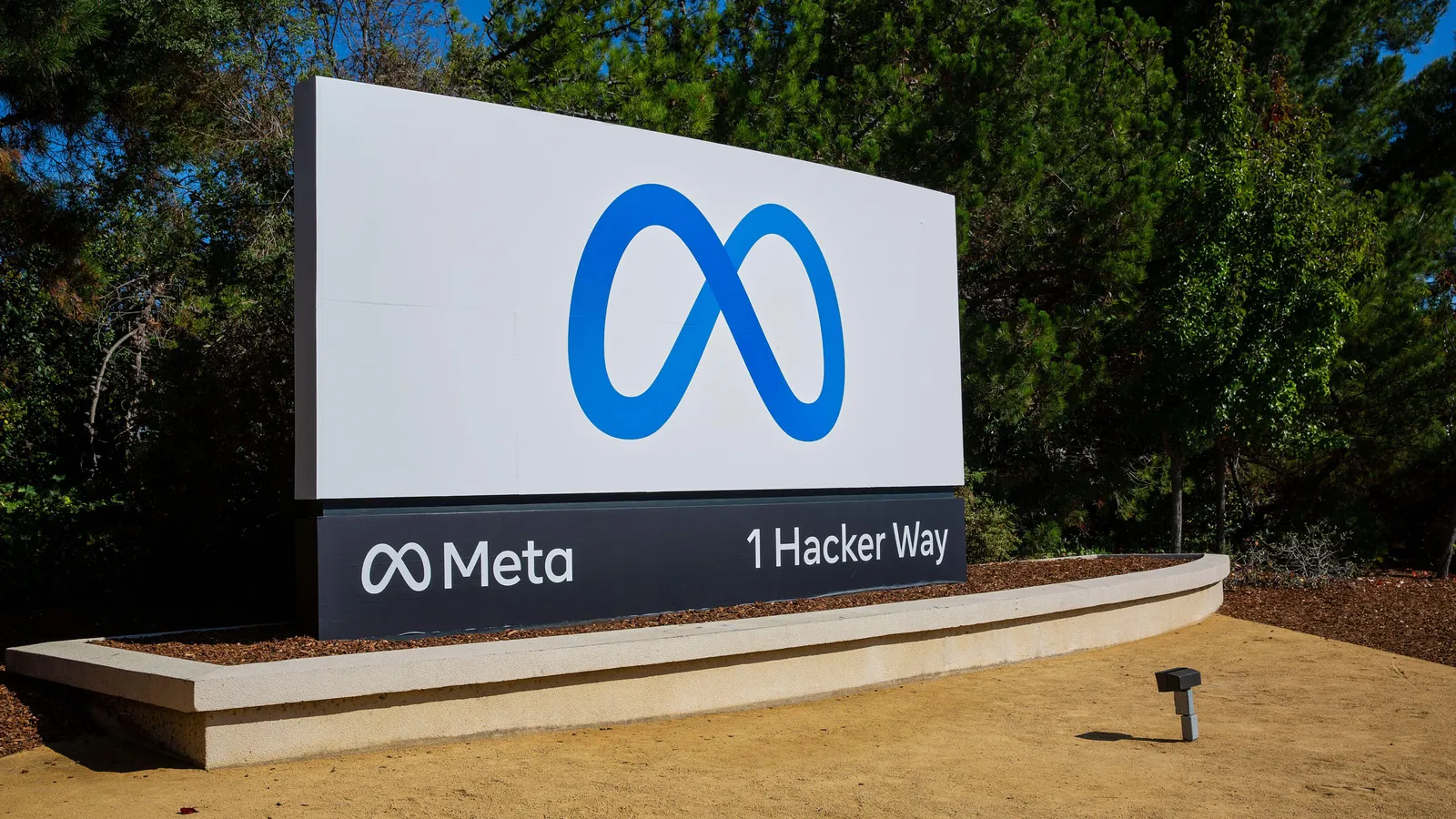
In a high-stakes legislative showdown in Sacramento, Meta—the parent company of Facebook and Instagram—is aggressively lobbying California lawmakers to secure exemptions from a sweeping proposed bill that threatens to fundamentally alter the financial landscape of social media liability. At the heart of the conflict is California’s Assembly Bill 2 (AB 2), a piece of legislation that seeks to hold tech giants financially accountable for the impact of their platforms on young users. If passed in its current form, the bill would empower the state to impose staggering fines of up to $1 million per child on platforms that fail to exercise "ordinary care" in protecting minors.
As the tech giant faces an increasingly hostile regulatory environment, its attempt to carve out a legal "shield" has sparked a fierce debate over corporate responsibility, the influence of Big Tech in politics, and the urgent need to protect the mental health of the next generation.
Main Facts: The Proposed Regulatory Crackdown
The proposed legislation, AB 2, represents one of the most aggressive attempts by any state to regulate the digital habits of social media platforms. The bill is predicated on the legal premise that social media platforms are not merely passive conduits for content but active architects of user experience—an experience that, for millions of minors, has become increasingly synonymous with addiction and mental health degradation.
Meta’s lobbying efforts are reportedly focused on Senate Judiciary Chair and Santa Ana Democrat Tom Umberg. According to sources familiar with the private negotiations, Meta lobbyists have presented draft amendments designed to create a "safe harbor" or a pathway for exemption. By inserting language that would dilute the bill’s reach, the company aims to avoid the astronomical costs associated with potential class-action lawsuits and state-mandated penalties.
For Meta, the stakes are existential. With its business model dependent on maximizing user engagement—a metric often correlated with addictive design features—a successful implementation of AB 2 could set a dangerous precedent, potentially opening the floodgates for similar legislation across the United States.
Chronology: From Legal Setbacks to Legislative Counter-Offensives
To understand why Meta is acting with such urgency, one must look at the recent history of legal challenges that have stripped away the company’s traditional defenses.
The March 2026 Ruling
The shift in the legal landscape began in March 2026, when a Los Angeles Superior Court judge delivered a landmark ruling. In a case against Meta and YouTube, the court found the platforms guilty of fostering addictive behaviors that resulted in significant health impacts for a young user. The court ordered the companies to pay $6 million in damages to the plaintiff.
This ruling was a watershed moment. It moved the conversation beyond general criticism and into the realm of concrete financial liability. It proved that the "addictive" nature of social media could be quantified, argued in court, and penalized.
The Rise of AB 2
Following the ruling, California legislators accelerated their work on AB 2. The bill’s language is explicit: it holds platforms liable if they fail to exercise "ordinary care or skill" by causing injury to a child. The proposed fine of $1 million per child is designed to be a deterrent large enough to force a redesign of algorithms and safety protocols.
The Current Lobbying Push
Throughout mid-2026, Meta shifted from a defensive legal stance to an offensive political one. Realizing that the courts might not be their best forum for relief, the company turned its attention to the California State Capitol, utilizing its massive lobbying infrastructure to intercept the bill before it reaches the Governor’s desk.
Supporting Data: The Cost of Influence
Meta’s political reach is vast, and its financial investment in lobbying efforts has climbed in direct proportion to the scrutiny it faces. According to data from Open Secrets, a non-profit organization that tracks corporate political spending, Meta has consistently increased its lobbying budget.
- 2025 Expenditure: Meta spent a record $26.3 million on federal lobbying alone.
- Strategic Allocation: A significant portion of this capital is directed toward "policy influence"—not just at the federal level in Washington, D.C., but within key state legislatures like California, where tech-specific laws are often born.
- The AI Pivot: While much of the company’s recent public messaging has focused on the regulation of Artificial Intelligence, internal efforts remain laser-focused on limiting liability for existing platforms.
The data suggests that for Meta, lobbying is not merely a public relations tool; it is a core business strategy. When faced with the prospect of paying billions in potential child-harm damages, spending tens of millions on legislative influence is viewed by shareholders as a sound, if controversial, investment.
Official Responses and Stakeholder Perspectives
Meta’s Stance
Meta has consistently argued that it is committed to user safety and that its platforms have already implemented numerous parental controls and safety features. In private communications with lawmakers, representatives for the company argue that AB 2 is overly broad and would punish platforms for content they cannot fully control. They contend that the bill would lead to excessive censorship and infringe upon the free speech of users.
The Legislative Perspective
Proponents of AB 2, including various child advocacy groups and state representatives, argue that Meta is attempting to "buy" its way out of responsibility. Senator Tom Umberg and other lawmakers have remained largely tight-lipped regarding the specific details of the amendments offered by Meta, but the sentiment among child safety advocates is clear: the industry has had years to "self-regulate," and their failure to do so has necessitated the harsh penalties currently on the table.

Implications: The Future of Digital Governance
The outcome of this struggle will have profound implications for the future of the internet.
1. The "California Effect"
California often serves as a bellwether for the rest of the country. If the state successfully imposes high-level financial penalties for child harm, other states—such as New York, Washington, and Illinois—are likely to follow suit. This would create a patchwork of regulations that could force Meta to change its global product design to satisfy the most stringent requirements.
2. The Erosion of Section 230?
For decades, social media companies have relied on Section 230 of the Communications Decency Act, which generally shields them from liability for content posted by third parties. AB 2 represents an attempt to bypass this protection by focusing on the design of the platform rather than the content itself. If the courts or state legislatures continue to support this distinction, the era of absolute platform immunity may be coming to an end.
3. Corporate Responsibility vs. Innovation
Meta’s defense rests on the argument that over-regulation will stifle innovation, particularly in the fields of AI and social connectivity. However, critics argue that true innovation shouldn’t come at the cost of the mental well-being of the youth. The tension here is between a business model that treats "engagement" as the ultimate product and a society that is increasingly demanding that the health of its citizens take precedence over corporate quarterly earnings.
4. The Ethical Dilemma of Lobbying
The fact that a company can spend $26 million to influence legislation that would protect it from penalties for child harm raises fundamental questions about the health of the democratic process. Does a corporation have the right to "shield" itself from laws intended to protect the public? The public perception of this move is overwhelmingly negative, yet the mechanics of the political system allow for these closed-door negotiations to continue.
Conclusion: A Turning Point
Meta is currently at a crossroads. As it pivots toward a future defined by the metaverse and advanced AI, the company is desperate to shed the liabilities of its past and present social media operations. By pushing to dilute AB 2, Meta is betting that it can manage the political landscape more effectively than it can manage the social impact of its own algorithms.
However, the tide of public opinion and the persistence of California lawmakers suggest that the company’s path will not be easy. Whether or not Meta succeeds in securing its requested exemptions, the fight over AB 2 has already achieved one result: it has placed the cost of child safety squarely on the balance sheet of Big Tech, making it impossible for the industry to ignore the human cost of its design choices any longer. As the legislative session continues, the world will be watching to see if California can successfully hold one of the world’s most powerful corporations accountable, or if the influence of the tech sector will prove once again to be insurmountable.


 Azzam Bilal Chamdy
 Sagoh
Sagoh





