

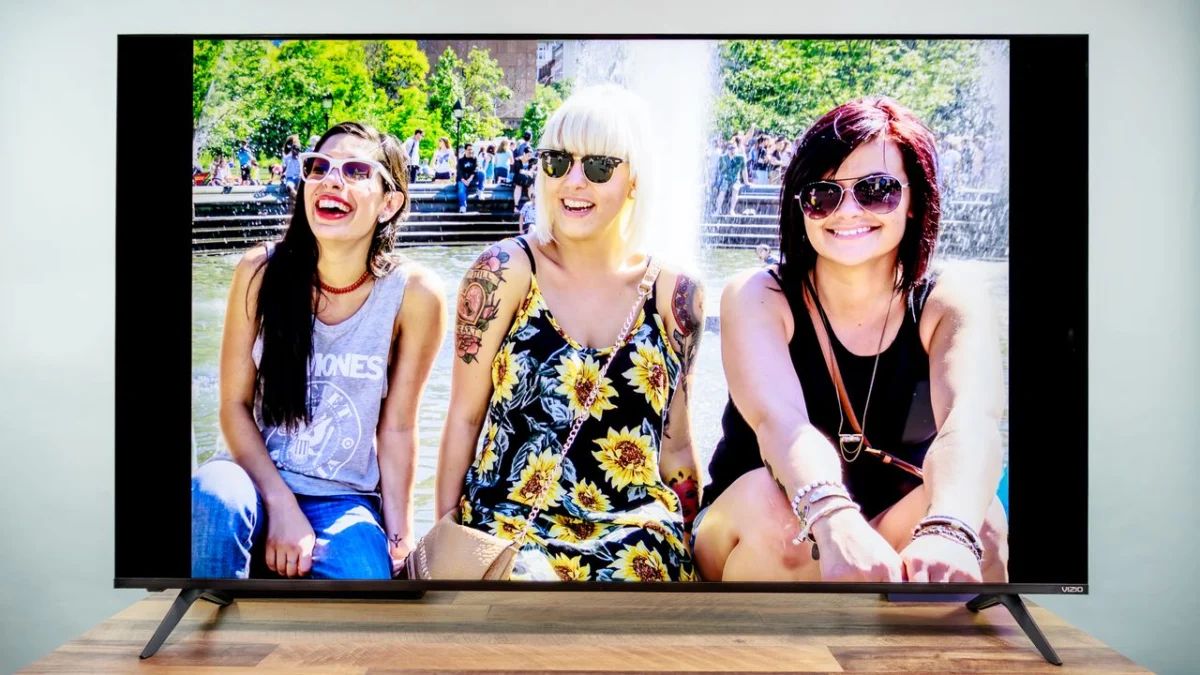
In the rapidly evolving landscape of home entertainment, the term "budget-friendly" used to be synonymous with "compromised quality." However, the arrival of the Vizio Mini-LED Quantum 4K Smart TV (model VQM65C-1004) challenges that long-standing assumption. Priced at just $398 for a 65-inch panel, this television brings advanced display technology—previously reserved for premium sets—into the living rooms of value-conscious consumers.
While it is undeniably a landmark achievement in affordability, our extensive testing reveals that this aggressive price point necessitates certain trade-offs, particularly regarding software navigation and audio fidelity.
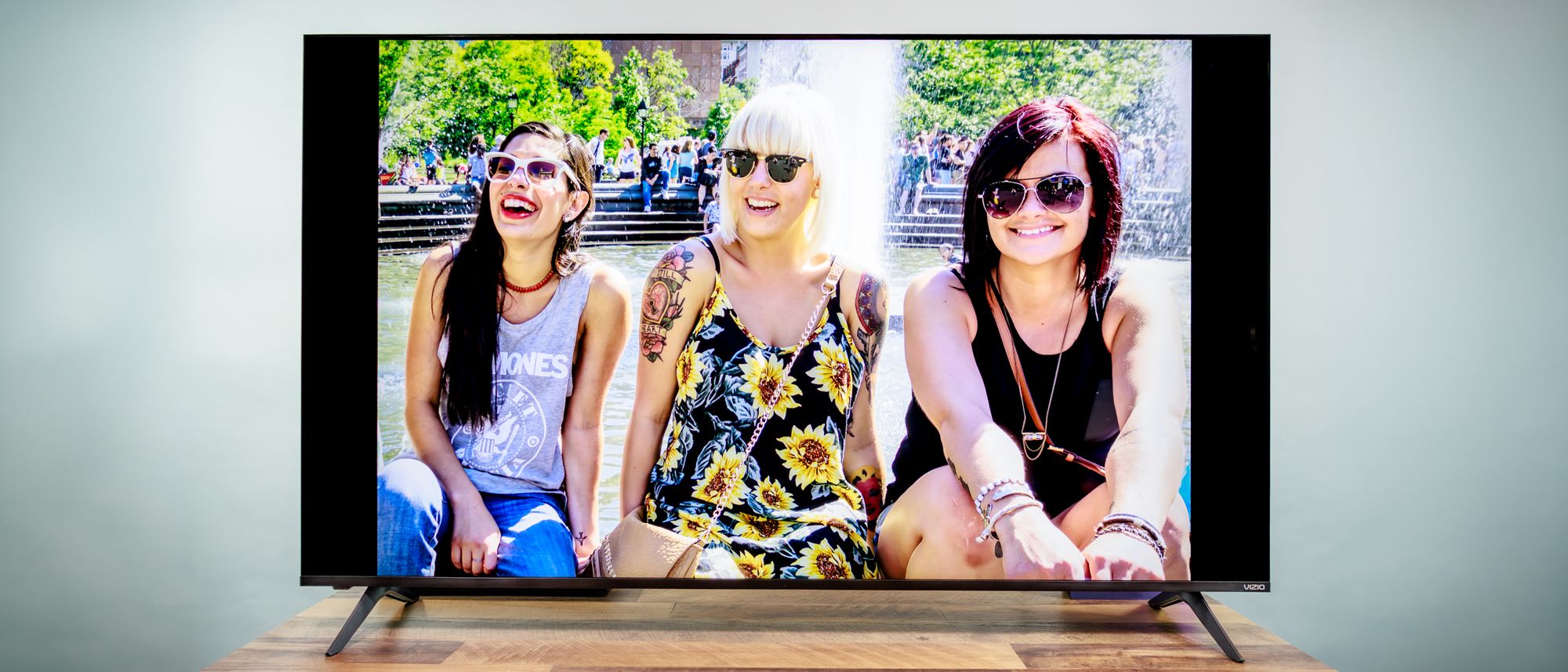
Main Facts: What You Get for $398
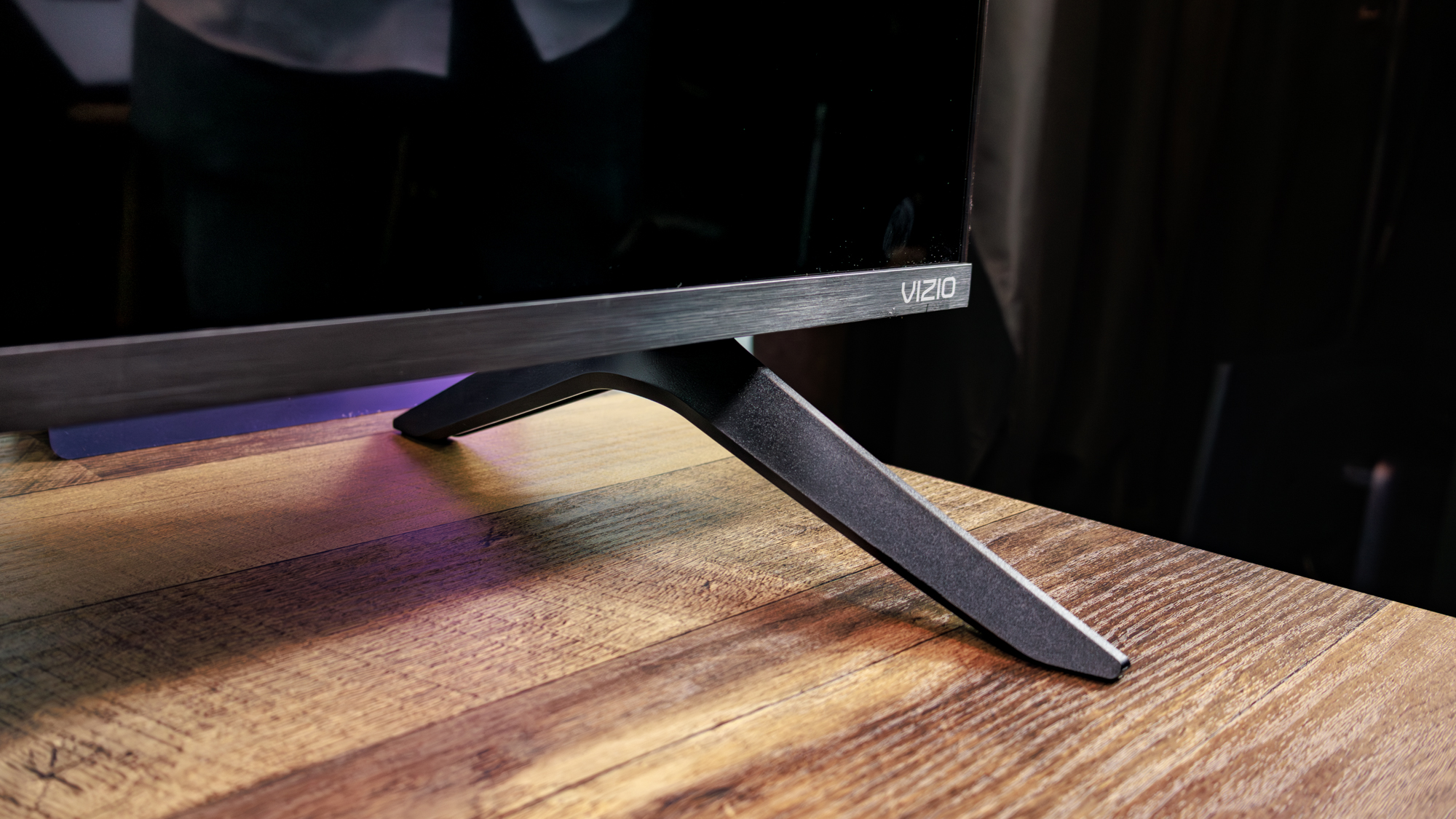
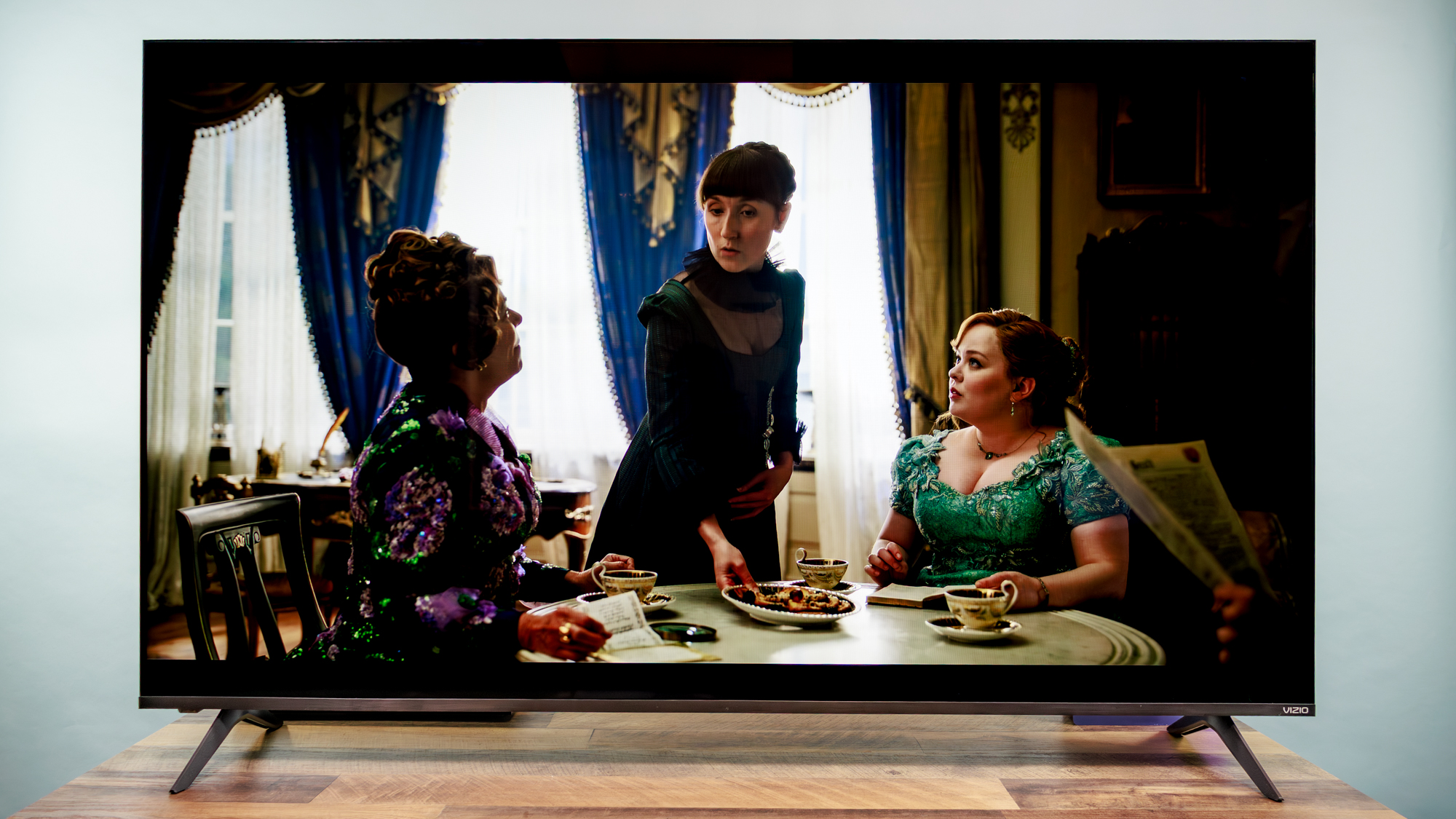
The Vizio VQM65C-1004 is a 65-inch 4K UHD display that stands as a central pillar in Vizio’s 2026 product lineup. At its core, the TV utilizes a Mini-LED backlight, a technology that allows for more precise light control compared to standard LED-backlit sets. This architecture enables better contrast and deeper blacks, which are essential for high-dynamic-range (HDR) content.
Key Technical Specifications:
- Price: $398 (Available at major retailers like Walmart and Sam’s Club).
- Resolution: 3,840 x 2,160 (4K).
- HDR Support: Comprehensive compatibility, including Dolby Vision, HDR10+, HDR10, and HLG.
- Refresh Rate: 60Hz native (with 120Hz gaming support at 1080p resolution).
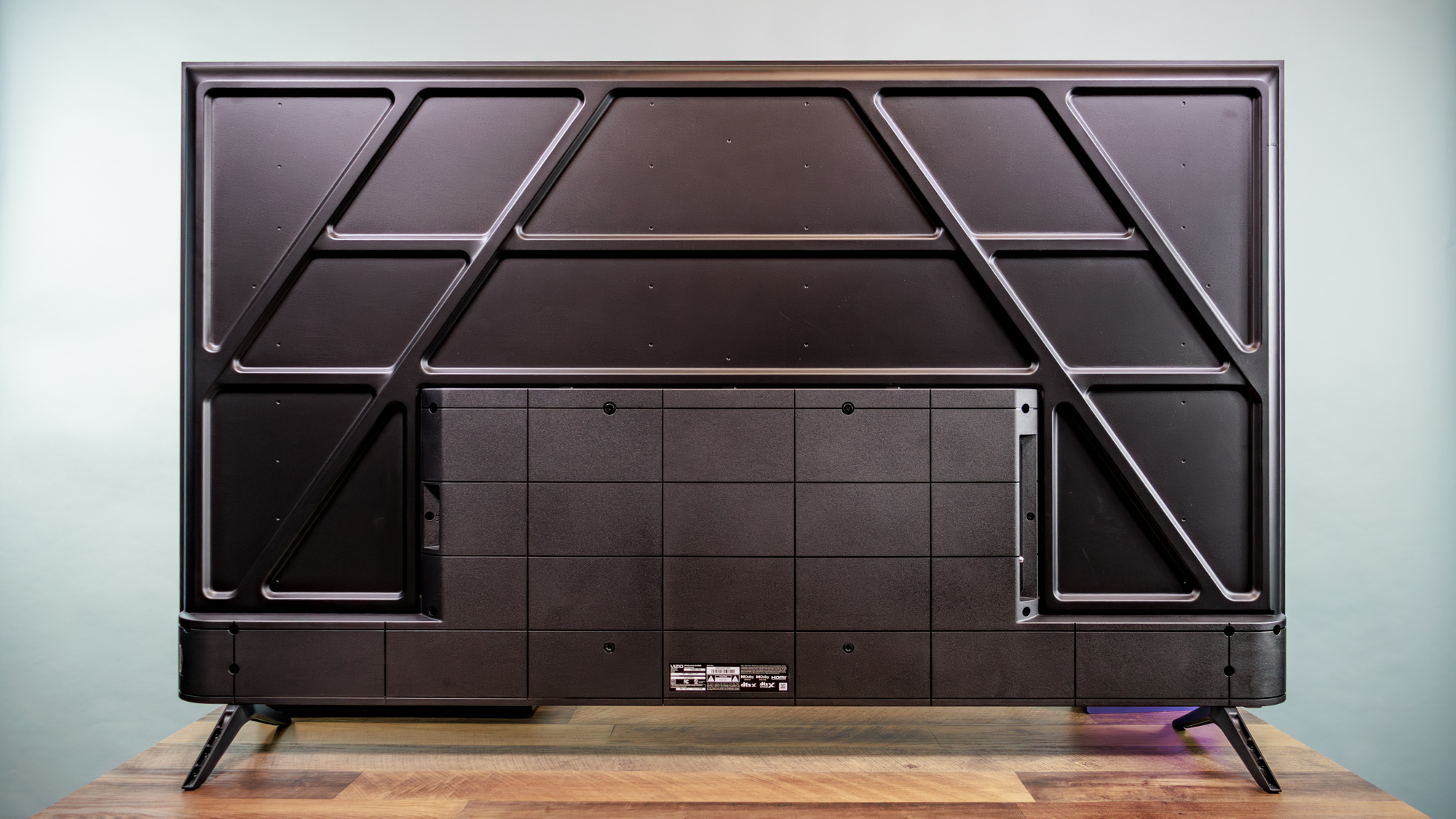
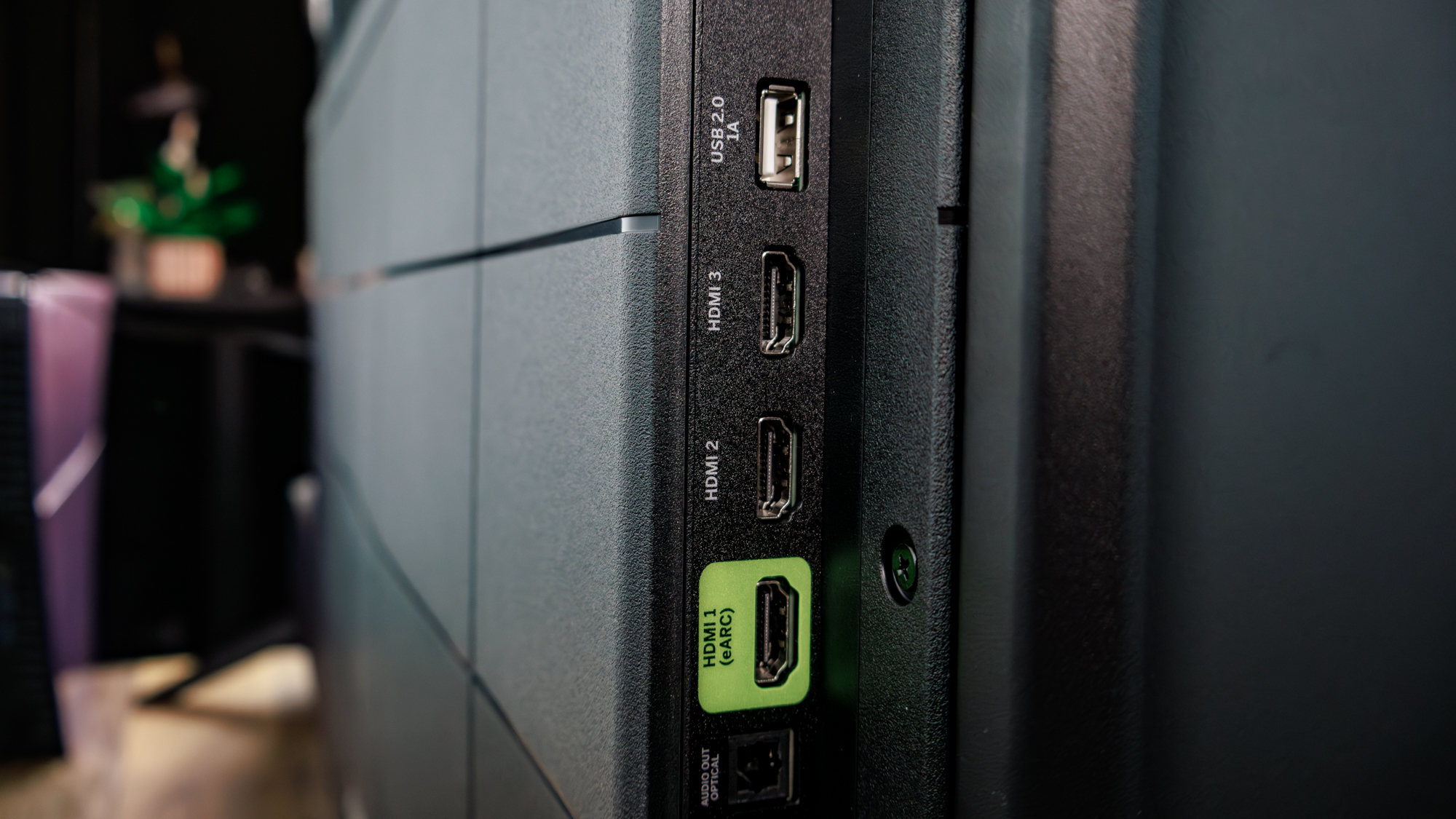
- Connectivity: 3 HDMI 2.1 ports (one with eARC), 1 USB 2.0 port, optical digital audio out, and dual-band Wi-Fi 6.
- Audio: Dual 10W speakers with support for Dolby Atmos and DTS:X.
The inclusion of Mini-LED technology at this price is the standout feature. By incorporating more LED zones, the TV manages to avoid the "blooming" effect often seen in cheaper panels, making it a formidable competitor in the sub-$500 category.
Chronology of Performance: A User’s Perspective
Over the course of several days, I put the VQM65C through a rigorous gauntlet of testing. From high-octane sports to nuanced, dark cinematic dramas, the experience was a study in contrasts.
The Sports Mode Surprise
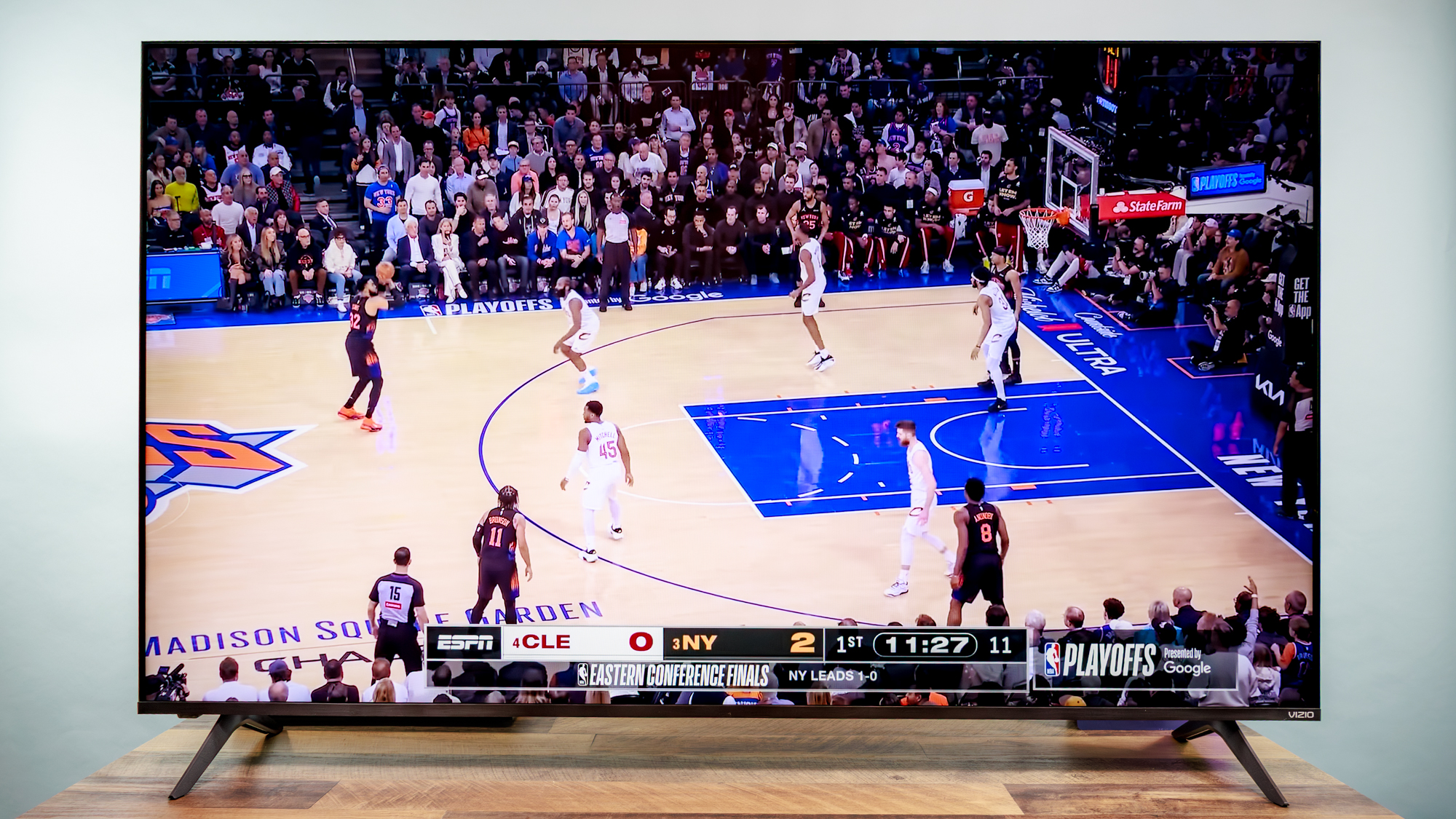
Initially, I tested the TV with live sports, specifically NBA content. The 60Hz panel faces a challenge with fast-moving action, and the built-in "Clear Action" feature provided minimal improvement, occasionally introducing a distracting flicker. However, the discovery of the "Sports" picture mode was a revelation. While intended for broadcasts, it provided the most vibrant and accurate color reproduction for nearly all content, effectively bypassing the oversaturated mess of the default "Bright" mode.
Cinematic Testing
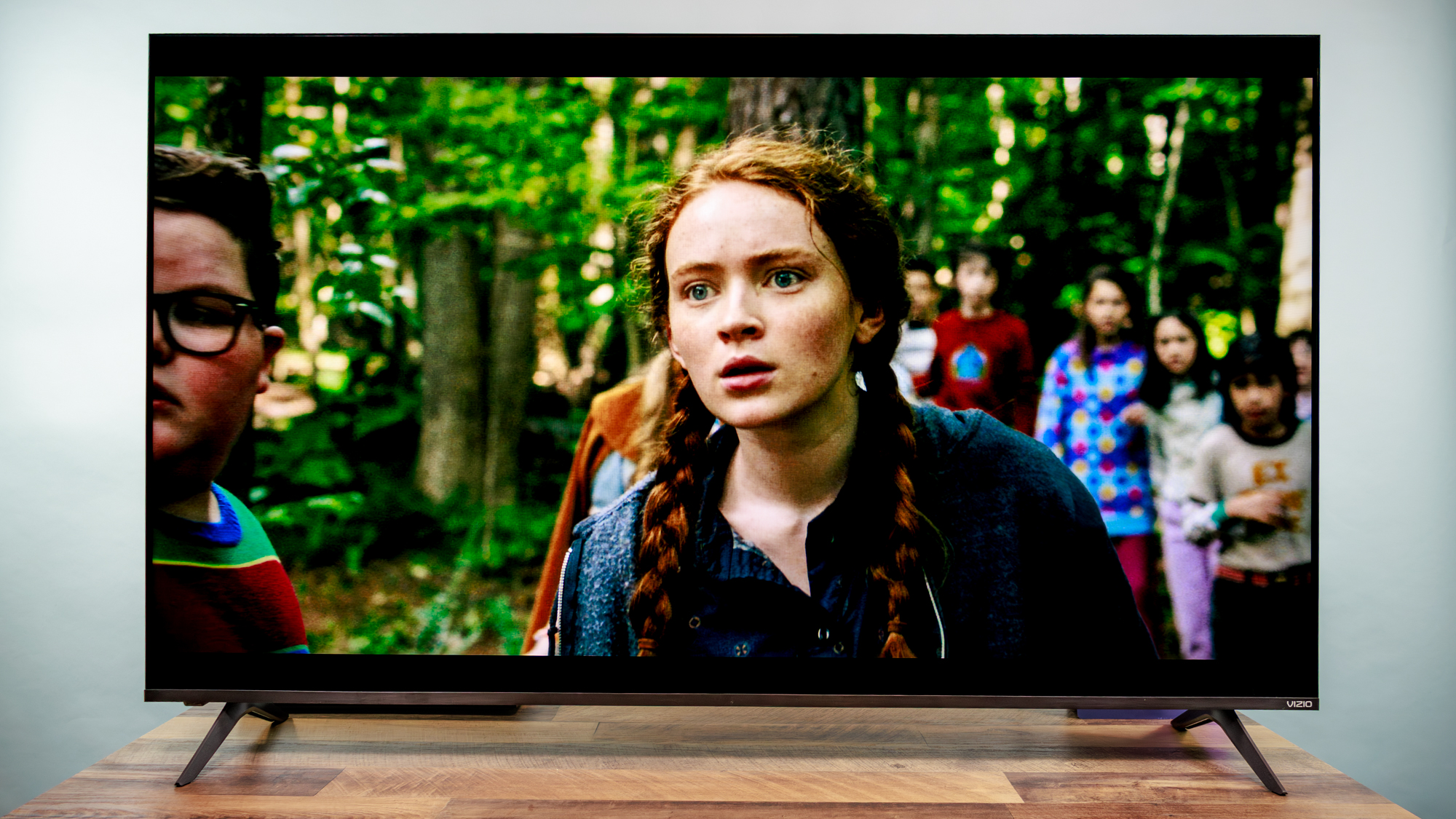
For film buffs, the "Calibrated Dark" mode is essential. When watching Dune on Blu-ray, the TV’s local dimming zones truly shone. The transition from the deep shadows of the bedroom to the bright, fiery explosions of the invasion sequence demonstrated that this set is more than capable of handling high-dynamic-range demands. Similarly, Spider-Man: No Way Home provided a vibrant test of color, with the TV handling neon lights and magical effects with impressive clarity.
Supporting Data: Lab Results and Technical Analysis
To move beyond anecdotal evidence, we subjected the VQM65C to a series of technical benchmarks using a Jeti spectraval 1501-HiRes spectroradiometer, a Klein K10-A colorimeter, and Portrait Displays’ Calman calibration software.
Color Accuracy and Delta-E
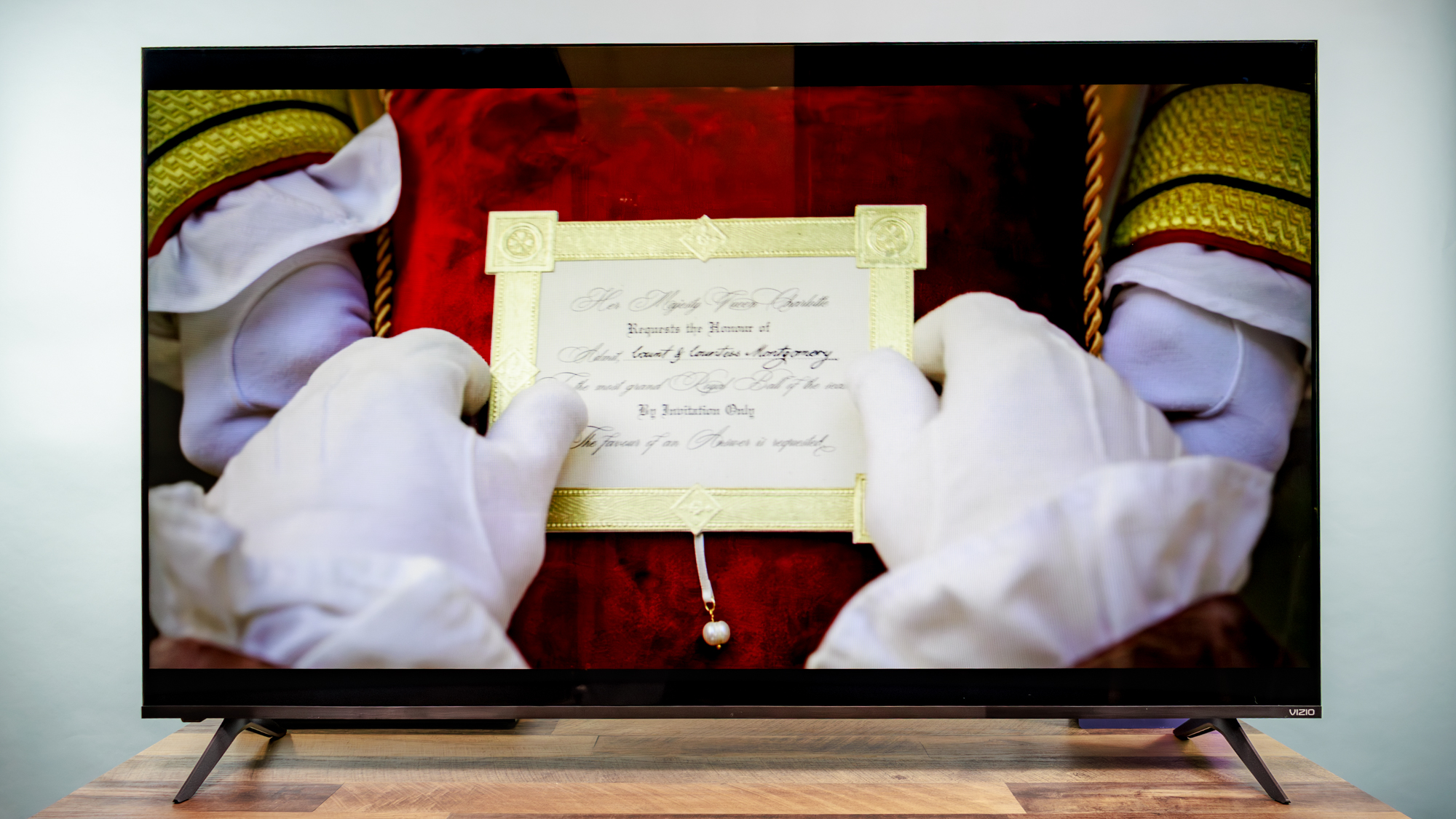
Our testing measures Delta-E, which calculates the deviation of colors from their reference standard. In the out-of-the-box "Bright" mode, the Vizio measured a Delta-E of 13.7, which is quite high. However, switching to "Calibrated Dark" brought this down to 4.6. While this is above the industry-leading average of 2.48, it is a respectable result for a budget-tier television.
Brightness Metrics
The VQM65C achieved a peak HDR brightness of 781 nits in our 10% window test. While this trails behind premium models that often exceed 1,500 nits, it is significantly higher than many entry-level sets. In non-HDR (SDR) content, the panel hit 219 nits. While this makes it slightly dim for extremely bright, sun-drenched rooms, it is perfectly adequate for typical living room viewing.
Gaming Performance
With an input lag of 9.9 milliseconds and three HDMI 2.1 ports, the TV offers decent gaming potential for casual players. While the 60Hz limit prevents true 4K/120fps gaming, the ability to play at 1080p/120fps is a welcome addition for competitive titles.
The "Smart" Dilemma: Official Software and Interface
If there is a "chink in the armor" of this television, it is the Vizio OS. The interface is highly aggressive in its attempts to drive consumer behavior, often feeling more like a digital billboard than a television menu.
The "Scenic Mode" Issue
A particularly frustrating feature is "Scenic Mode." By default, if the TV detects inactivity, it enters an ambient display loop. Unfortunately, this mode eventually cycles through advertisements that cannot be disabled without turning off the feature entirely. For users who prefer a minimalist or privacy-focused experience, the Vizio OS can feel cluttered and intrusive.
Setup and Ecosystem
The requirement to create a Walmart-affiliated account to fully activate the smart features adds a layer of friction that many users may find unnecessary. While Vizio offers a robust app-based remote that functions well, the underlying software experience remains the primary argument for users to invest in an external streaming device like a Roku or Apple TV.
Implications: Where Does the VQM65C Fit?
The Vizio Mini-LED Quantum 4K sits in a crowded segment of the market. It competes directly with the Hisense QD7 and older TCL models.
Should You Buy It?
If your budget is strictly capped at $400, the VQM65C is a stellar choice. You are getting a massive, high-contrast 65-inch screen that outperforms almost any standard LED-backlit TV at this price point. However, if you can stretch your budget by $100 to $200, the Hisense QD7 offers superior color accuracy and a more refined overall experience.
The Value of Timing
Because this TV is heavily featured at major big-box retailers, it is a prime candidate for seasonal price cuts. As we move toward major sales events like Black Friday, the value proposition of this set will only increase.
Audio Recommendation
The two 10W speakers are sufficient for casual news and talk shows, but they struggle with complex, bass-heavy audio soundtracks. If this will be your primary home theater display, we strongly recommend budgeting for one of the many affordable soundbars on the market. Pairing this TV with a budget soundbar creates a theater-like experience that belies the low cost of the hardware.
Conclusion: A Triumph of Engineering
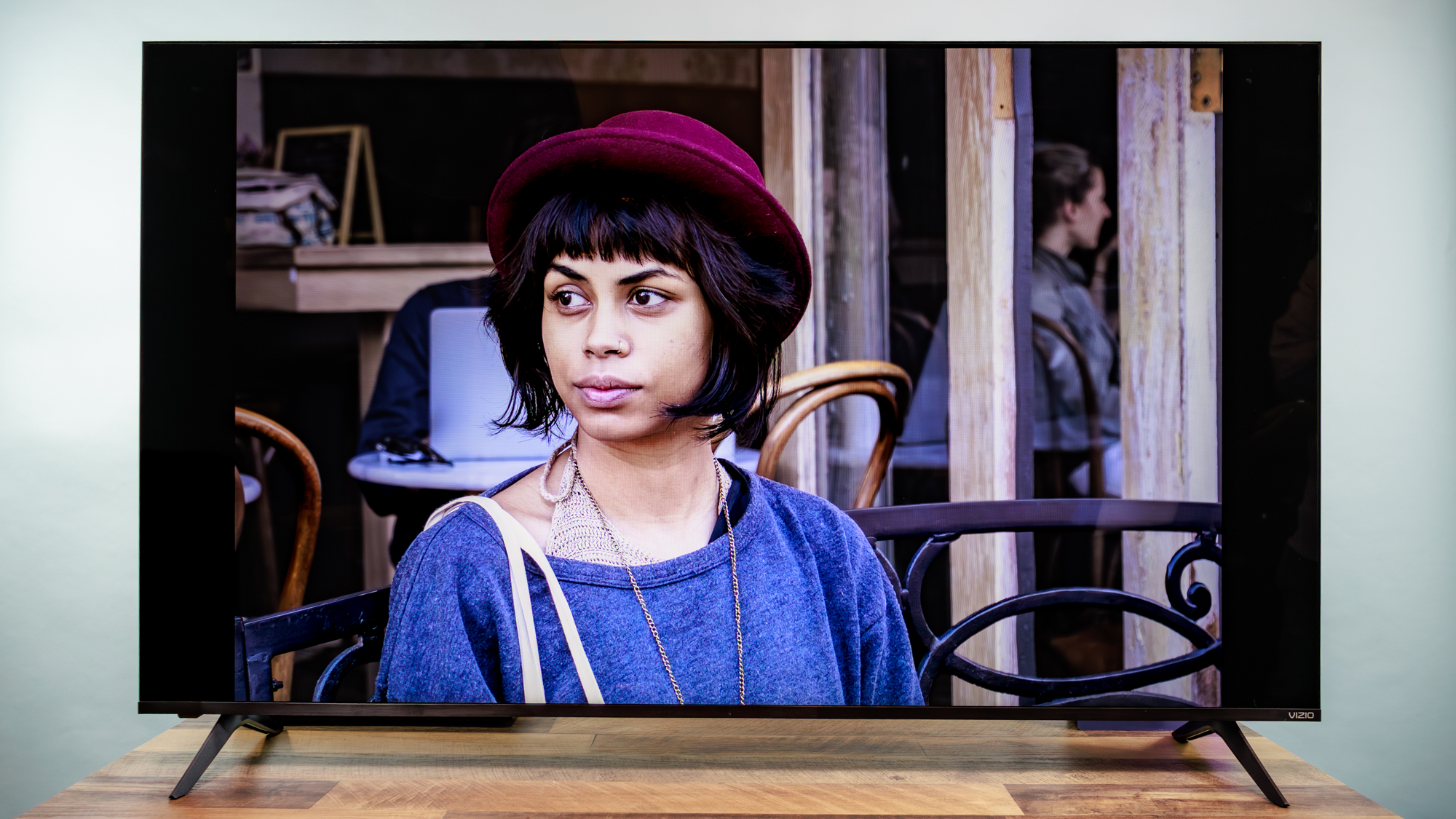
The Vizio VQM65C-1004 is a testament to how far display technology has come. It brings the benefits of Mini-LED local dimming to a price point that was once unthinkable. While the software experience is flawed and the audio requires an external boost, the core visual performance—provided you select the correct picture mode—is undeniably impressive.
For the budget-conscious shopper who wants the biggest, brightest picture possible for under $400, this Vizio is a difficult offer to ignore. It is a TV that forces you to acknowledge the trade-offs, but rewards you with a cinematic experience that was previously locked behind a much higher paywall. As long as you are willing to tinker with the settings and perhaps supplement the sound, the VQM65C is a purchase that provides genuine, long-term value.












No comments yet. Be the first to join the conversation!