Nana Wu
For over two decades, The Elder Scrolls III: Morrowind has stood as a titan of the Western RPG genre. Its alien landscapes, deep political intrigue, and unparalleled freedom have cemented it in the annals of gaming history. However, as hardware evolved and operating systems moved on, keeping the 2002 classic playable became a Herculean task. Enter OpenMW, the open-source engine reimplementation that has single-handedly preserved the game for modern audiences. With the release of version 0.51.0, the OpenMW team has once again proven that the Nerevarine’s journey is far from over, bringing a suite of stability fixes, scripting enhancements, and gameplay rebalances that refine the experience to a degree the original developers likely never imagined.
The Main Facts: A New Era for OpenMW
The arrival of OpenMW 0.51.0 is a milestone in the project’s history, marking a significant step toward feature parity and engine modernization. The core of this update focuses on the "under-the-hood" mechanics that govern how the game interprets player input and world interaction.
Perhaps the most humorous—yet technically vital—fix addresses a long-standing issue involving the game’s combat scripting. Previously, "passing a thrust attack" to an actor (a non-player character or creature) via custom scripts had the potential to destabilize the game engine, often leading to crashes or unintended behavior. By sanitizing these interactions, the development team has effectively removed a major barrier for modders and script-heavy players, ensuring that even the most complex combat maneuvers can be executed without the game world imploding.
Furthermore, the update introduces a robust scripting API for magic effects. This is a game-changer for the modding community, specifically for massive, ongoing projects like Tamriel Rebuilt and Project Tamriel. By allowing modders to program their own custom magic effects, the engine now supports a level of creativity that pushes Morrowind well beyond the limitations of the original TES Construction Set.
Chronology of an Open-Source Odyssey
To understand the significance of 0.51.0, one must look at the timeline of the OpenMW project.
- The Early Days (2008–2012): OpenMW began as a project to reimplement the engine using C++ and Ogre3D. The early years were defined by the arduous task of reverse-engineering the proprietary, undocumented file formats used by Bethesda Softworks.
- The Transition Period (2013–2018): As the project matured, it moved away from the original engine’s constraints, adopting its own custom-built infrastructure. This era saw the successful implementation of native widescreen support, improved shadow rendering, and a stable Linux/macOS port.
- The Modernization Era (2019–2024): With 1.0 slowly approaching, the team shifted focus toward Lua scripting support. This allowed for unprecedented flexibility, moving Morrowind from a "hard-coded" experience to a modular one.
- The 0.51.0 Release (2025): The current release represents the culmination of this modularity. By integrating deeper Lua support and fixing legacy bugs related to input handling, OpenMW has effectively surpassed the original engine’s capabilities, providing a stable foundation for the next 20 years of Morrowind modding.
Supporting Data: By the Numbers
The 0.51.0 changelog is exhaustive, reflecting years of community feedback and rigorous testing. Some key improvements include:
- Scripting API Expansion: Modders can now define custom magic effects, allowing for non-standard spells that interact with the engine’s physics and state-management systems.
- AI and Creature Logic: Hostile creatures can now cast enchantments regardless of whether they possess an "equipped" item slot. This is a subtle but profound change that increases the lethality of encounters, particularly against high-level Daedra and magical NPCs.
- User Interface Refinement: Following feedback from the 0.50.0 release, the team has addressed "minor annoyances" regarding gamepad navigation. The menu systems are now more responsive and intuitive, specifically for those using controllers on modern desktop environments.
- Installation Wizardry: The automated installation tool now includes enhanced detection for existing Morrowind data files, minimizing the "configuration hell" that often deterred casual players from trying OpenMW.
Official Responses and Developer Insights
In the official release announcement, the project leads and contributors, including prominent community voices like Gitshiver, highlighted the philosophy behind these changes. "We aren’t just trying to recreate the original game; we are trying to create the engine that the original developers would have built if they had the tools we have today," the team noted.
The change regarding creature spell-casting, in particular, was highlighted as a move toward a more "dynamic, dangerous, and unpredictable Vvardenfell." By removing the artificial restrictions on how NPCs utilize items, the developers have successfully heightened the stakes of exploration. It is no longer enough to assume an enemy is "out of mana" or "out of gear"; the engine now allows for a more fluid simulation of combat intelligence.
Implications for the Future of Vvardenfell
The release of 0.51.0 carries massive implications for the Elder Scrolls modding scene. For years, the Morrowind community has been split between those who prefer the "vanilla" experience (using the original engine with patches) and those who embrace the "OpenMW" lifestyle. With 0.51.0, the argument for sticking to the original engine is rapidly losing ground.
1. The Death of the "Jagged Edge"
For years, the visual fidelity of Morrowind was hampered by the original engine’s inability to handle modern high-resolution textures and complex shaders gracefully. OpenMW’s improved support for texture smoothing and external asset integration means that players can now enjoy a visual experience that rivals contemporary indie RPGs, all while maintaining the core gameplay loop of 2002.
2. Modding Compatibility
Large-scale projects like Tamriel Rebuilt—which has spent years mapping out the mainland of Morrowind—are the primary beneficiaries of this update. The ability to script custom magic effects natively within the engine removes the need for "hacky" workarounds that often led to save-game corruption. We are likely to see a new wave of "super-mods" that integrate seamlessly into the world, functioning as if they were part of the base game from day one.
3. Stability as a Feature
Perhaps the most understated improvement is the resolution of "many Lua-related crashes." By stabilizing the scripting environment, OpenMW has effectively lowered the barrier to entry for novice modders. If the engine is stable, users are more likely to experiment with complex mods. This creates a virtuous cycle: more users lead to more testers, which leads to more feedback, which results in a faster development cycle for the engine itself.
Conclusion: Why You Should Return to the Island
Whether you are a veteran Nerevarine who has walked the Ashlands a thousand times or a newcomer intimidated by the game’s notorious learning curve, OpenMW 0.51.0 offers the most accessible version of the game to date.
The update is more than just a list of fixes; it is a declaration that Morrowind is a living, breathing entity. The technical hurdles that once plagued the game—the crashes, the rigid AI, the clunky controller support—are being systematically dismantled.
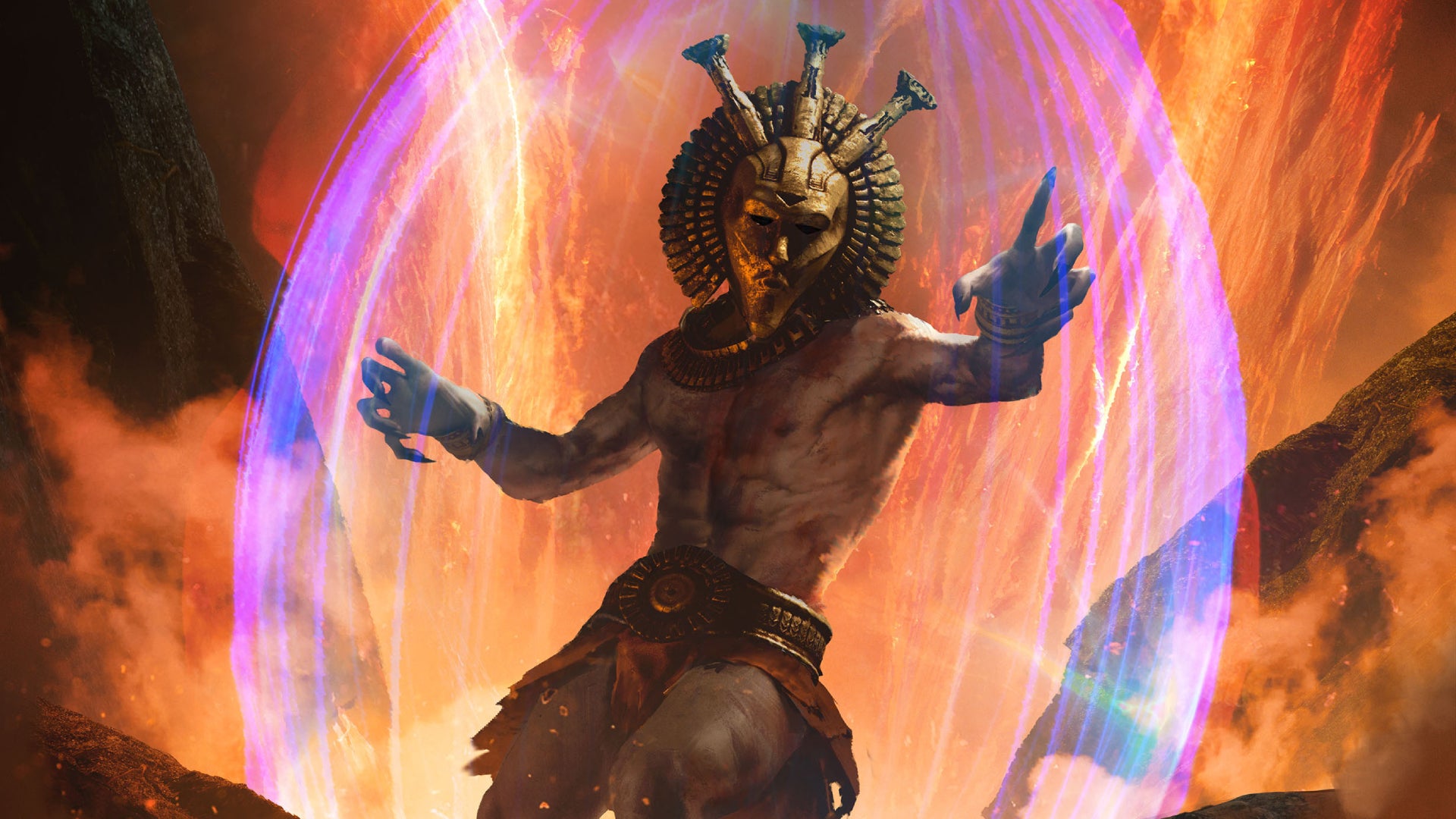
So, pack your scrolls, sharpen your chitin blades, and prepare for a journey through a Vvardenfell that feels both nostalgically familiar and refreshingly new. And for those of you who have spent hours trying to make Dagoth Ur behave in a specific way, you can finally breathe a sigh of relief. Your thrust-happy actors are finally under control, and the world of Morrowind is more stable than ever before.
The Sixth House may rise again, but thanks to the OpenMW team, you’ll be ready to meet them with a frame rate that stays consistent, scripts that don’t break, and an engine that is finally worthy of the legend.


 Asro
Asro
 Muslim