Reynand Wu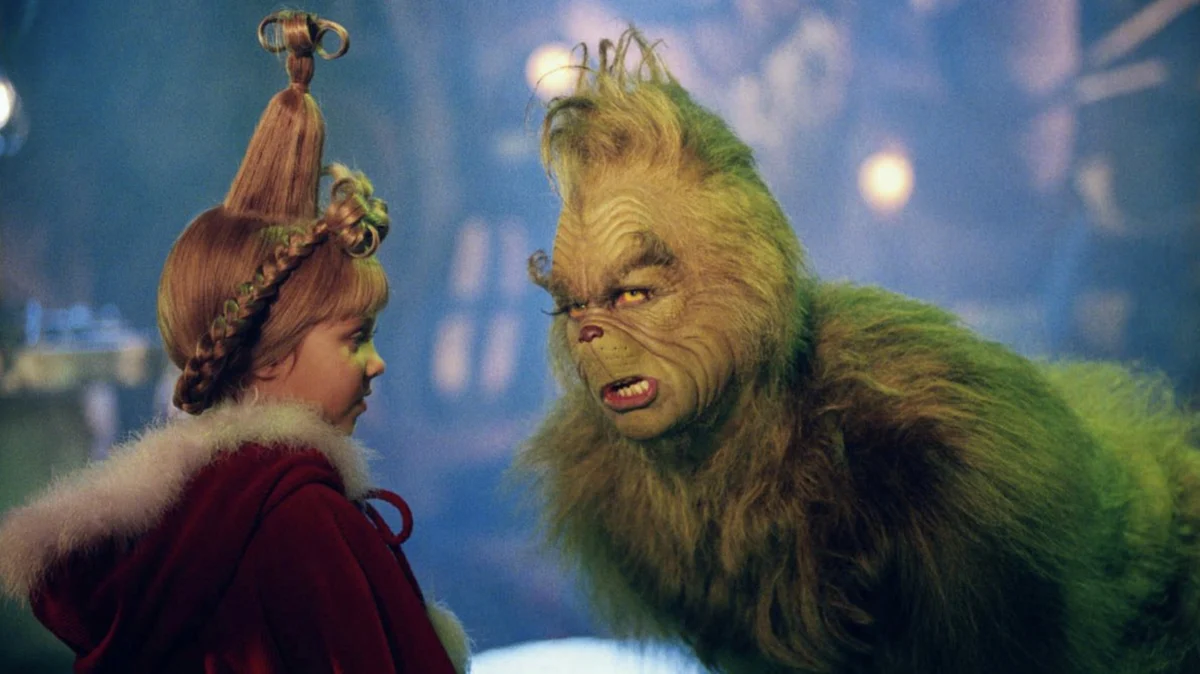
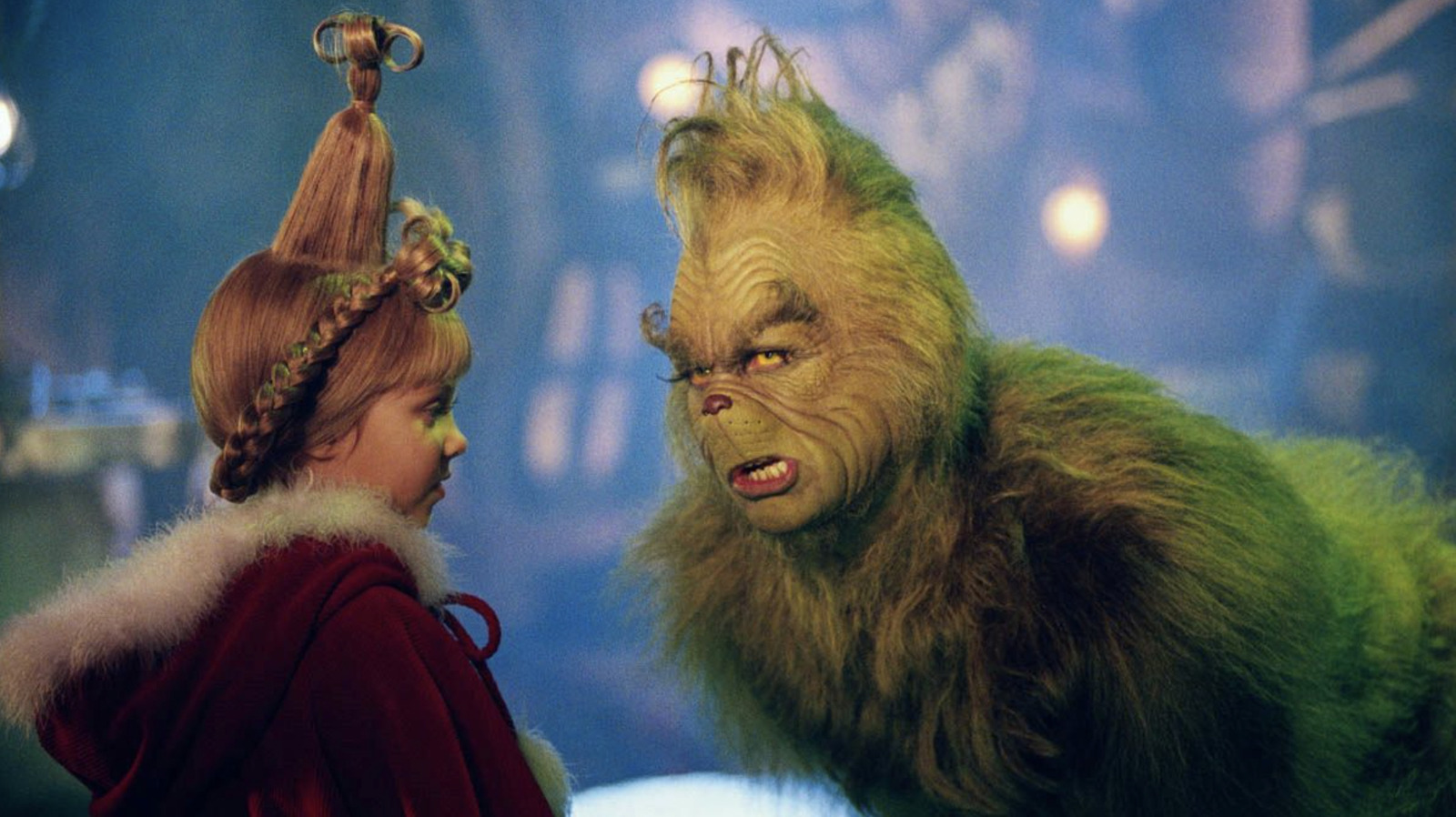
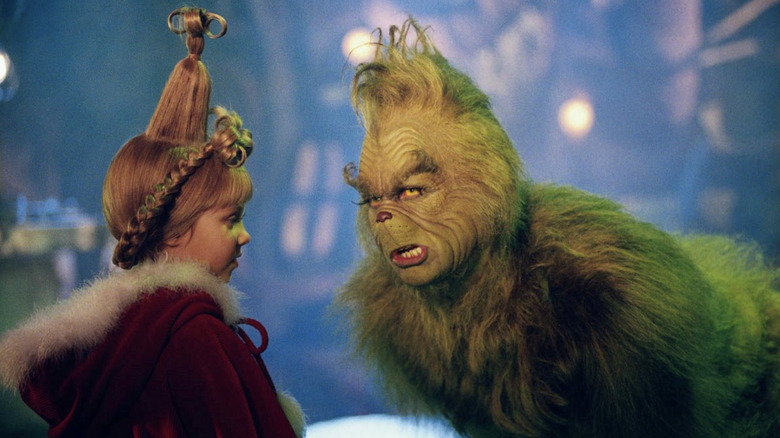
For over two decades, Ron Howard’s How the Grinch Stole Christmas (2000) has occupied a singular, polarizing space in the cinematic landscape. While traditional holiday fare often leans into sentimentality and warmth, the live-action adaptation of Dr. Seuss’s classic tale offered something entirely different: a surreal, hyper-stylized, and occasionally grotesque vision of Whoville that has since become a cult classic. Now, in a move that has sparked both nostalgic fervor and professional skepticism, reports have emerged that a sequel is in the early stages of development, with the original creative team potentially reuniting to bring the fuzzy green icon back to the screen.
The Core Developments: A Reunion in the Works
The latest reports from The Hollywood Reporter indicate that Universal Pictures is actively exploring a follow-up to the 2000 box-office juggernaut. Central to these discussions are the original film’s director, Ron Howard, producer Brian Grazer, and, most crucially, the man behind the makeup, Jim Carrey.
While no formal production timeline or plot synopsis has been confirmed, the mere existence of these talks suggests that the studio is looking to capitalize on the enduring, if somewhat inexplicable, popularity of the original film. The project is reportedly in the nascent stages of development, with the studio aiming to recapture the lightning-in-a-bottle success that saw the original film gross $351 million against a $123 million budget.
A Chronology of the Grinch’s Cinematic Journey
To understand the weight of this announcement, one must look at the timeline of the character’s evolution on screen.
- 1957: Dr. Seuss publishes the original illustrated children’s book, How the Grinch Stole Christmas!, cementing the character as a cultural icon of redemption.
- 1966: The legendary animated television special directed by Chuck Jones airs, setting the standard for the character’s voice and temperament.
- 2000: Universal Pictures releases Ron Howard’s live-action adaptation. Despite mixed critical reception, the film becomes a massive commercial hit, firmly establishing Jim Carrey as a holiday powerhouse.
- 2018: Illumination Entertainment releases a high-budget animated feature film voiced by Benedict Cumberbatch, confirming that the Grinch remains a viable intellectual property for modern audiences.
- 2024: Following years of speculation, reports surface that Jim Carrey is in talks to return, potentially shifting from traditional prosthetics to modern motion-capture technology.
The Creative Pivot: Practical vs. Digital
The most significant hurdle to a sequel has always been Jim Carrey’s well-documented experience during the filming of the original. Carrey has spoken at length about the "miserable" nature of the production, specifically regarding the heavy latex prosthetics required to bring the Grinch to life. The process reportedly took upwards of eight hours per day, a physically and mentally taxing ordeal that left the actor understandably hesitant to reprise the role in a similar fashion.
However, the landscape of visual effects has changed drastically since the turn of the millennium. In December 2024, Carrey signaled a potential change of heart, provided that the production utilizes motion-capture technology. This transition could represent a fascinating bridge between the "uncanny valley" aesthetic of the 2000 film and the modern digital standards of today. If handled correctly, a motion-capture performance would allow Carrey to retain the frantic, kinetic energy that defined his 2000 performance without the physical toll of hours in the makeup chair.
Examining the Creative Team
The script for this potential sequel is reportedly in the hands of Alec Berg, Jeff Schaffer, and David Mandel. This trio brings a distinct, perhaps "dubious," pedigree to the project. Having worked on projects ranging from Seinfeld to the 2003 live-action The Cat in the Hat, their track record with Dr. Seuss adaptations is complex. The Cat in the Hat remains a controversial entry in the Seuss canon, often cited for its anarchic, adult-skewing humor that diverged sharply from the source material.
Their involvement suggests that this sequel will not attempt to play it safe. If the intent is to lean into the surrealism that defined the 2000 film, this team is well-equipped to push the boundaries of what is considered "family entertainment."
Supporting Data: Why the Grinch Persists
The decision to pursue a sequel is not merely a creative whim; it is a data-driven strategy. How the Grinch Stole Christmas has demonstrated an incredible shelf life. Streaming charts consistently place the 2000 film in the top tiers of viewership every holiday season.
This is largely due to "generational imprinting." Children who saw the film in 2000 are now adults with children of their own, passing down a movie that—while objectively bizarre—has become a fixture of their personal holiday traditions. The film’s aesthetic, which blends German Expressionism with high-fantasy set design, has become a meme-friendly touchstone. Social media platforms, particularly TikTok and Instagram, have kept the film relevant through endless clips, reaction videos, and discussions of the "eldritch horror" hidden within the production design of Whoville.
The Challenge of Narrative Expansion
Perhaps the most pressing question is the "what next" factor. Dr. Seuss never wrote a sequel to How the Grinch Stole Christmas. The original story concludes with the Grinch’s heart growing three sizes and his full integration into the society he once sought to destroy.
A sequel must answer a difficult narrative question: How do you maintain the Grinch’s identity as a grumpy, isolated figure when his character arc is already complete?
- The "Relapse" Narrative: The Grinch finds that fitting into Whoville society is harder than it looks, leading to a comedic clash of cultures.
- The External Threat: A new, more sinister force threatens Whoville, forcing the Grinch to step into the role of an unlikely, reluctant hero.
- The Cultural Evolution: The film could explore how Whoville has changed in the years since, perhaps reflecting modern anxieties through the lens of Seussian whimsy.
Implications for the Industry
The pursuit of this sequel highlights a broader trend in Hollywood: the aggressive mining of established intellectual property for "legacy sequels." From Top Gun: Maverick to Beetlejuice Beetlejuice, the industry has found that audiences respond favorably to the return of iconic characters, provided the original stars are involved.
However, there is a risk. If the sequel fails to capture the specific, unhinged energy of the 2000 original, it risks being dismissed as a cynical cash grab. The "horror-adjacent" vibe of the original film was a product of its time—a singular collision of Ron Howard’s direction and Jim Carrey’s comedic volatility. Replicating that balance is an Herculean task.
The "Mean One" and the Future
Ultimately, the potential return of the Grinch serves as a reminder that the boundary between "beloved classic" and "bizarre curiosity" is thinner than we think. As the public domain continues to open up, with low-budget horror adaptations like The Mean One already hitting the market, studios are feeling the pressure to protect their high-value IP by producing official, high-budget sequels.
Whether this project results in a holiday classic or a surreal misfire, one thing is certain: the world is watching. Jim Carrey’s Grinch is more than just a character; he is a pop-culture artifact. If he returns, he will be bringing with him two decades of nostalgia, a mountain of high expectations, and the distinct possibility that things in Whoville are about to get even weirder. For those who found the original to be a masterpiece of festive absurdity, the prospect of a return to Mount Crumpit is a gift that—regardless of the quality of the final product—is impossible to ignore.