Siti Muinah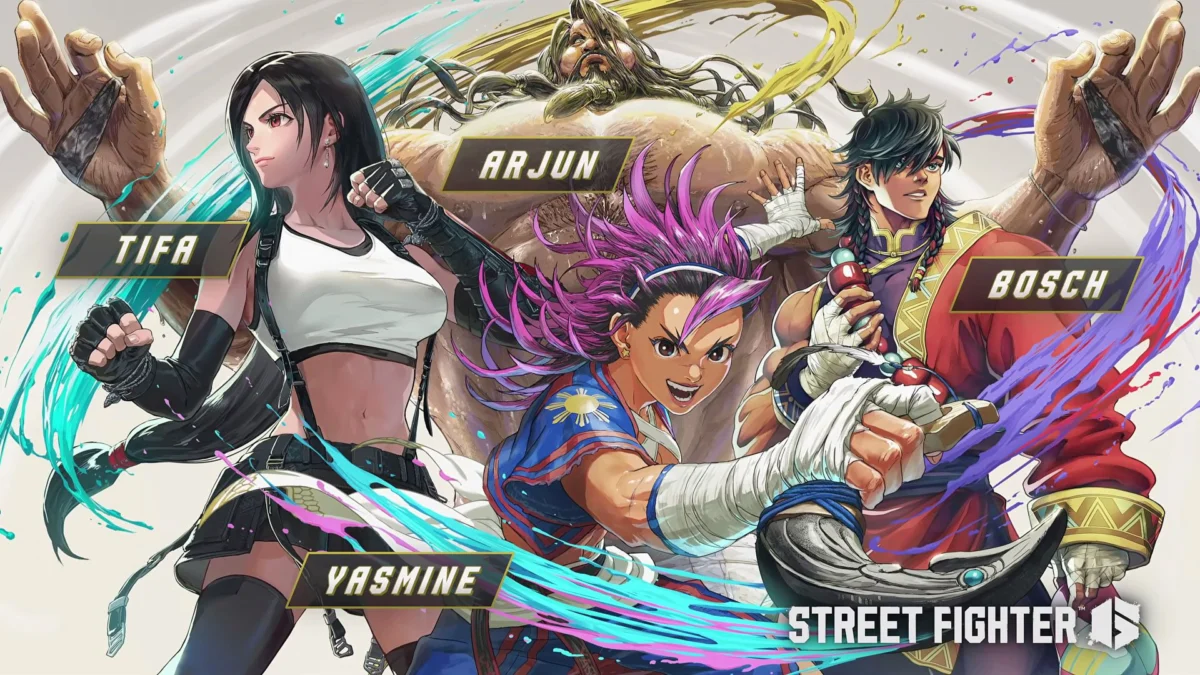
Three years after its thunderous debut, Street Fighter 6 has firmly cemented itself as the gold standard of the modern fighting game genre. Capcom’s flagship title has evolved far beyond its launch-day promise, transforming into a living, breathing platform that continues to dictate the pulse of the competitive fighting game community (FGC). As the game enters its fourth year of support, the team behind the title is pivoting toward an ambitious strategy: expanding the global footprint of the franchise through fresh, localized character representation and high-profile industry crossovers.
During this year’s Summer Game Fest, we had the exclusive opportunity to sit down with Street Fighter 6 Producer Shuhei Matsumoto and Director Takayuki Nakayama. In a wide-ranging discussion, the duo unpacked the strategic direction for Year 4, addressed the future of the game’s single-player offerings, and provided rare insight into the long-gestating live-action Street Fighter movie.
The Evolution of the Roster: Why New Faces Matter
For years, the Street Fighter cycle was predictable: launch with a core cast, followed by the steady re-introduction of fan-favorite legacy characters. However, Year 4 marks a deliberate departure from this pattern. The recent decision to introduce entirely new fighters—such as the Indian-inspired Arjun and the Filipino-born Yasmine—reflects a calculated move to broaden the game’s cultural and geographical reach.
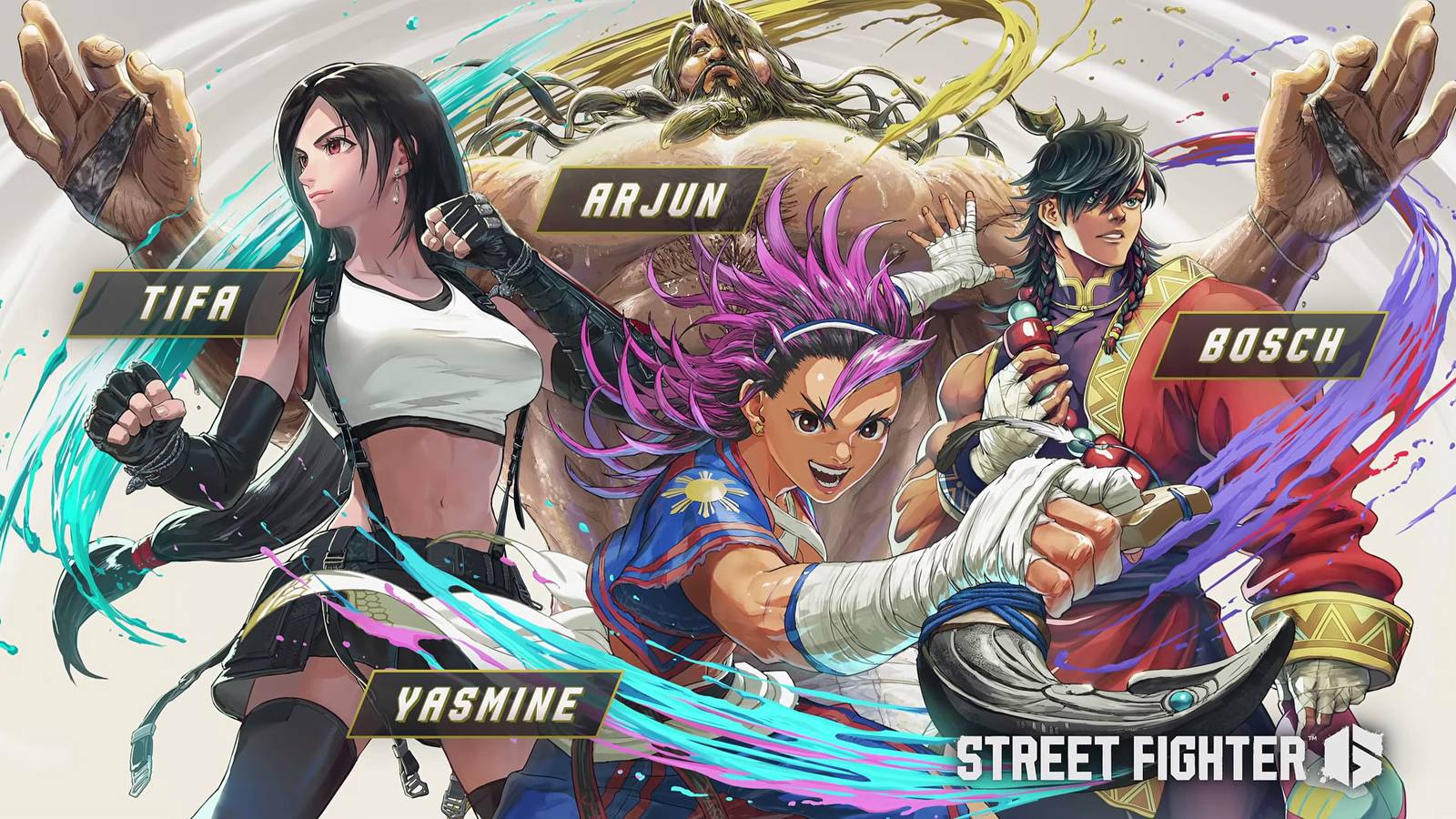
"The last new character introduced was A.K.I. roughly two years ago," explained Director Takayuki Nakayama. "Since then, we’ve focused heavily on legacy characters. Now, we feel it is the right time to introduce brand-new characters to expand the brand."
This decision is rooted in data and community feedback. With Street Fighter 6 attracting a massive influx of new players, Capcom is prioritizing inclusivity and representation. "India has a rapidly growing population of gamers, and we wanted to create a character that reflects that," Nakayama noted. Similarly, the inclusion of Yasmine from the Philippines serves a dual purpose: it honors the massive, passionate Filipino contingent within the FGC while introducing a unique martial arts style that hasn’t been seen in the series before.
By prioritizing original characters over a constant stream of "greatest hits" fighters, Capcom is betting that the quality of the gameplay and the uniqueness of the character design will overcome the inherent challenge of introducing newcomers to a legacy audience.

The Blockbuster Collaboration: Bringing Tifa Lockhart to the Arena
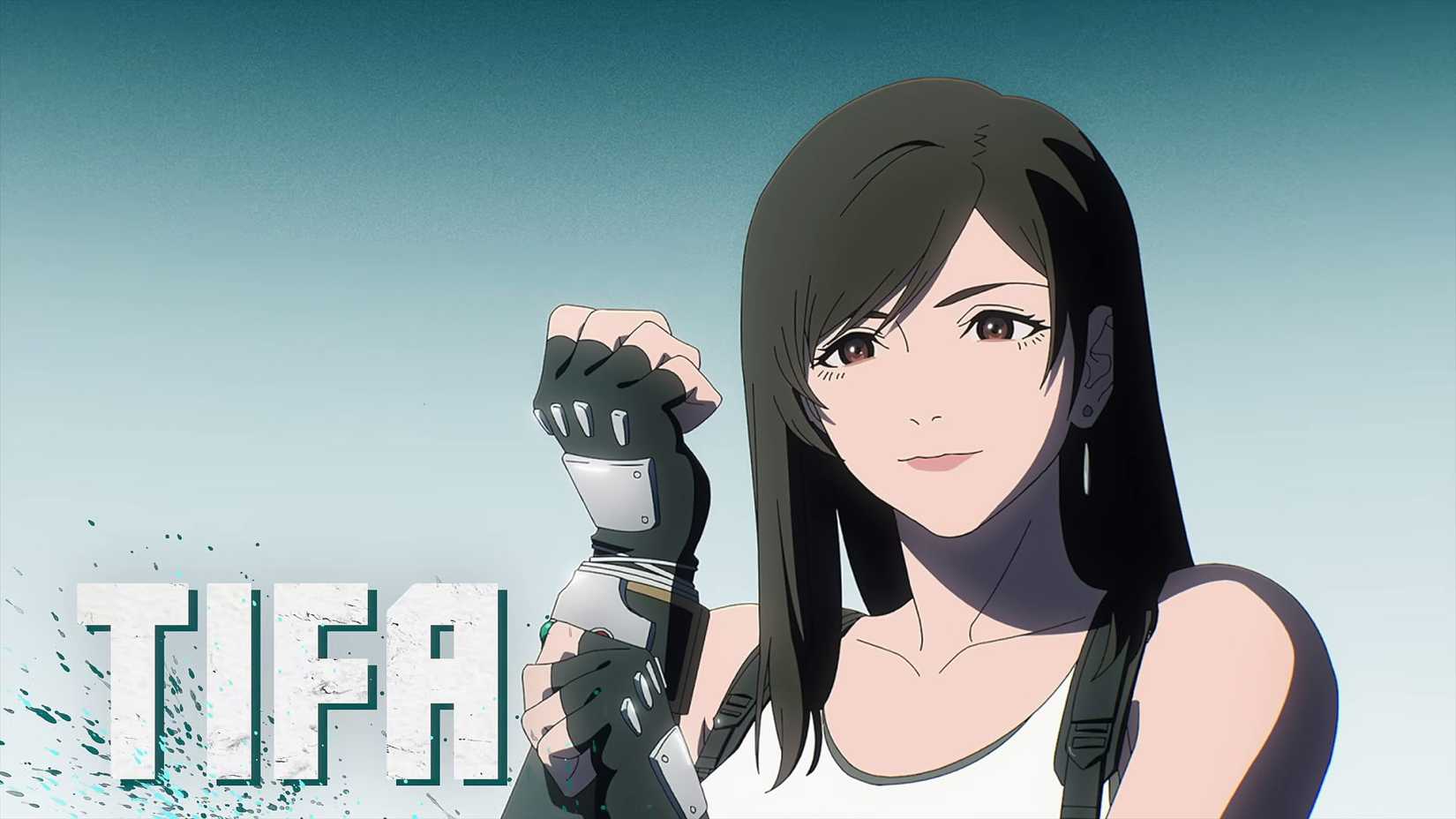
Perhaps the most electric moment at Summer Game Fest occurred during the Street Fighter 6 showcase, when a trailer revealed that Final Fantasy VII icon Tifa Lockhart is joining the roster. The collaboration between Capcom and Square Enix sent shockwaves through the community, but as the developers revealed, this was a project three years in the making.
"We’ve been in talks with the Square Enix team for about three years," said Producer Shuhei Matsumoto. "Tifa’s name came up early as a potential candidate, and it was a matter of finding the right moment to bring her into the fold."
The coordination between the two giants was a meticulous process. Following initial discussions, the Capcom team met with the Final Fantasy VII Remake developers at Tokyo Game Show to refine the vision. Seeing the visceral, positive reaction from the audience at Summer Game Fest validated years of behind-the-scenes negotiations. While Nakayama was on stage and unable to fully gauge the crowd’s volume, Matsumoto, who was seated in the audience, described the atmosphere as "electrifying."
Technical Tuning and the State of the Meta
One of the primary concerns for competitive players remains the "fine-tuning" of game mechanics, particularly regarding controversial elements like "throw loops." When asked if these mechanics would be removed, the developers maintained a cautious, analytical stance.
"We don’t take a ‘fix or don’t fix’ approach to these things," explained Nakayama. "We look at the big picture and make tunings only when it makes sense for the health of the game."
The team highlighted their past adjustments to the "Perfect Parry" system—which now requires a directional input—as proof that they are willing to iterate based on high-level play. Rather than reactive patching, Capcom prefers to monitor the meta, ensuring that any changes to the game’s core systems do not disrupt the delicate balance that has kept the professional scene thriving for three years.
The Future of World Tour Mode
One of the more poignant segments of our interview involved the status of "World Tour," the ambitious single-player RPG-lite mode that served as a major selling point at the game’s launch. While fans have clamored for more, Capcom confirmed that they are sunsetting major support for the mode following the release of the character Ingrid.
"We love the mode and the characters we created for it, but due to certain constraints, we aren’t able to move forward with further expansions," Matsumoto admitted. However, he emphasized that the goal of World Tour was always to act as a "gateway" for casual players to transition into competitive fighting game fans. "We feel that we were successfully able to get those players on board, and in that sense, the mission of World Tour has been accomplished."
Bringing Street Fighter to the Silver Screen
Perhaps the most anticipated project outside of the game itself is the upcoming live-action Street Fighter movie. With a checkered history of video game adaptations, the pressure is on for Capcom to get this right. According to the team, the level of involvement from the game’s creators is unprecedented.
Takayuki Nakayama has been working closely with Legendary Studios since the inception of the project—a relationship that has spanned eight years. "He was involved from the very beginning, even through the initial contractual stages," Matsumoto shared. "He was deeply involved in the script-writing process, having constant back-and-forth discussions with the studio about what works and what doesn’t for the Street Fighter brand."
By ensuring that the creative leads who understand the "soul" of Street Fighter are guiding the narrative, Capcom hopes to avoid the pitfalls of the past. The studio has reportedly been very receptive to this feedback, with the goal being an adaptation that resonates with long-time fans while standing on its own as a compelling cinematic experience.
Implications for the Future
As Street Fighter 6 moves into its fourth year, the strategy is clear: consolidation and expansion. By balancing the inclusion of globally relevant characters, securing massive IP collaborations like Final Fantasy VII, and ensuring the franchise’s cinematic future is in safe, knowledgeable hands, Capcom is positioning Street Fighter to remain the dominant force in the fighting game genre for the foreseeable future.
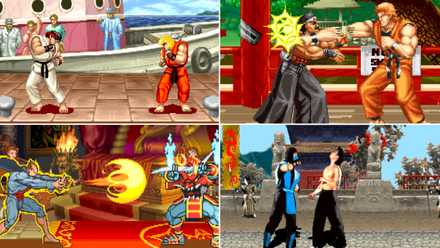
The transition away from massive single-player updates to a more focused, character-centric approach suggests that the developers are confident in the game’s current mechanical state. The "Year 4" roadmap isn’t just about adding content; it’s about refining the cultural footprint of the series and preparing for the next wave of players—both in the virtual arena and, eventually, in the movie theater.
For a franchise that started in dimly lit arcades in the late 1980s, the current trajectory is a testament to Capcom’s ability to adapt. Whether you are a casual player enjoying the aesthetic of a new character or a competitive pro dissecting the latest patch notes, the message from Matsumoto and Nakayama is clear: Street Fighter 6 is far from finished, and the best is likely yet to come.

 Asro
Asro
 Muslim