Ammar Sabilarrohman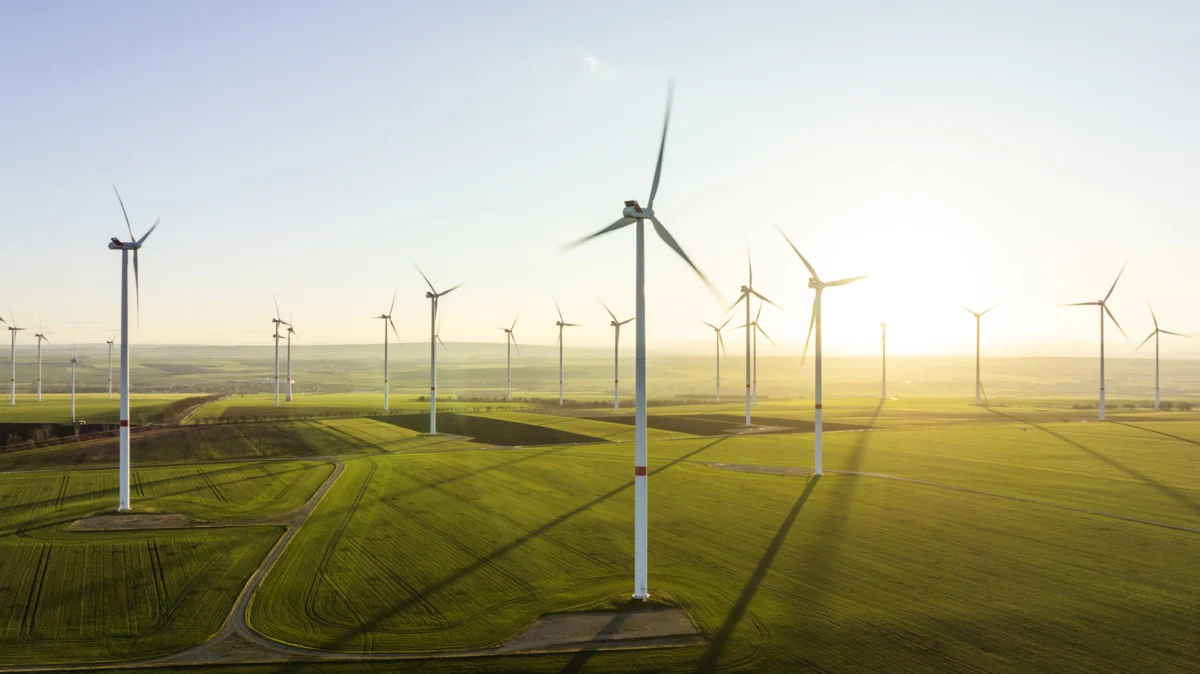
As global geopolitical instability continues to disrupt traditional fossil fuel supply chains, nations are scrambling to fortify their energy grids with sustainable alternatives. The conversation surrounding the "energy mix" has reached a fever pitch, pitting the high-density output of nuclear energy against the cleaner, decentralized profile of wind and solar power. While nuclear energy remains a polarizing subject—burdened by the historic, long-tail trauma of disasters like Chernobyl and Fukushima—its efficiency is mathematically undeniable. However, as the world pivots toward a net-zero future, a critical question remains: What is the true cost of replacing a single, reliable nuclear reactor with wind energy, and is it a sustainable trade-off?
The Mathematics of Energy Density
To understand the scale of the transition, we must look at the fundamental difference in energy density. According to experts at the MIT Center for Energy and Environmental Policy Research, an average, modern nuclear power plant generates roughly 900 megawatts (MW) of electricity. Crucially, this output is "baseload" power, meaning it operates at near-full capacity 24 hours a day, 365 days a year, regardless of weather conditions.
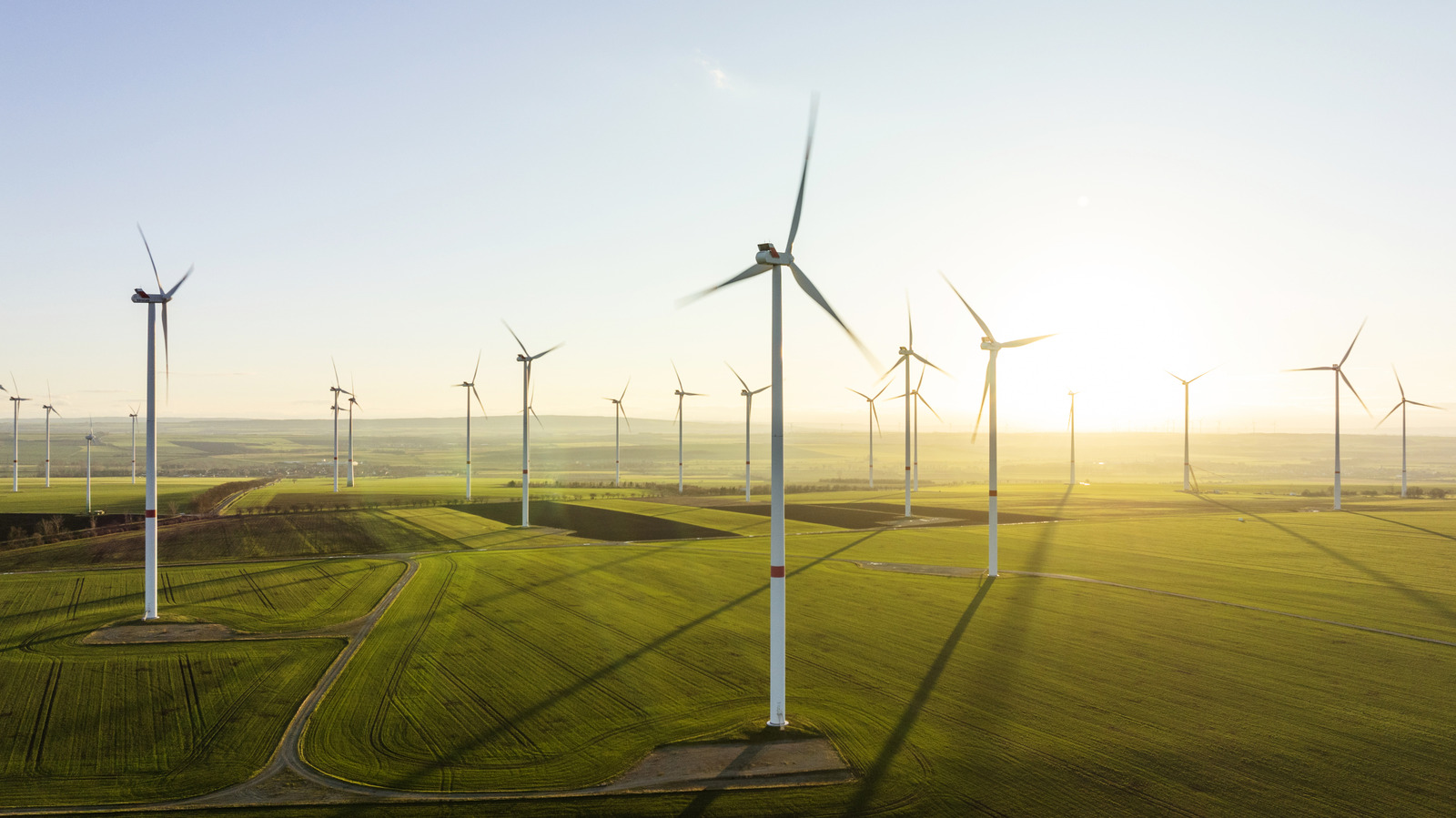
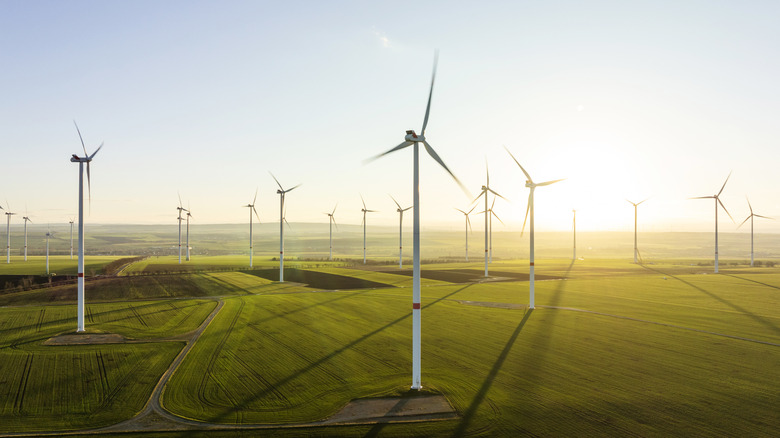
Matching that 900 MW output with wind energy is not a one-to-one proposition. Because wind is an intermittent resource, the mechanical output of a turbine fluctuates with atmospheric conditions. John Parsons, deputy director of the MIT Center, estimates that it would require approximately 800 large-scale wind turbines to achieve the same annual energy yield as a single 900 MW nuclear reactor.
This disparity highlights the "land-use challenge." A nuclear plant occupies a relatively small physical footprint, yet its energy production is massive. Conversely, a wind farm of 800 turbines requires roughly 1,000 times more land than a nuclear site. While proponents argue that the space between turbines can be dual-purposed for agriculture, the sheer physical infrastructure of a wind farm—even excluding the interstitial land—still consumes ten times the ground area of a nuclear facility.
Chronology of the Renewables Evolution
The trajectory of renewable energy development has been defined by a relentless drive for efficiency and scale.
- 1980s – 1990s: The "pioneer era" of wind energy saw small, experimental turbines with limited output. These units were largely inefficient and prone to mechanical failure.
- 2000s – 2015: The industry shifted toward industrialized wind farms. Turbines grew in size, and site selection became more strategic, focusing on high-wind corridors.
- 2016 – 2020: Offshore wind emerged as a major player, capitalizing on stronger, more consistent sea winds. Turbine heights reached approximately 330 feet.
- 2021 – 2025: The "Gigantism" trend took hold. Research shifted toward maximizing the sweep area of blades to capture more kinetic energy at lower wind speeds.
- January 2026: A landmark moment occurred when researchers in China successfully launched an airborne wind turbine. This "blimp-like" turbine, operating at 2,000 meters, represents the latest frontier in capturing high-altitude, high-velocity winds.
Airborne Innovation: Reaching for the Stratosphere
One of the most promising technological breakthroughs in the last year is the development of airborne wind energy systems (AWES). As reported by the Chinese state-affiliated Global Times, this technology addresses the inherent limitation of ground-based turbines: wind shear and inconsistency.
By tethering a turbine 2,000 meters above the ground, engineers are accessing atmospheric conditions that are significantly more powerful than anything experienced at sea level. The prototype, which visually resembles a fusion of a dirigible and a rocket, is anchored to the ground by a high-tension cable that also serves as the power conduit.
The data from the 2026 maiden flight is striking. A single airborne unit is estimated to produce up to 3 MW of power. Consequently, replacing a 900 MW nuclear reactor would require only 300 of these high-altitude units, a significant reduction from the 800 ground-based turbines previously cited. Researchers suggest that these systems could be transformative for remote, off-grid outposts, providing stable power where building a massive physical farm or a nuclear reactor is geographically impossible.
Scaling Up: The "Bigger is Better" Paradigm
While high-altitude wind represents a futuristic frontier, the immediate evolution of wind energy is happening on the surface. Engineers have embraced a philosophy of scaling: the larger the turbine, the more efficient the energy capture.
By 2035, industry projections suggest that offshore wind turbines will reach heights of nearly 500 feet. These gargantuan structures are designed to generate triple the energy of their 2016 counterparts. The rationale is simple economics: fewer, larger turbines require less cabling, less foundation work, and lower maintenance costs per megawatt produced.
Furthermore, the environmental narrative is shifting. While critics have long pointed to the hazards wind farms pose to migratory bird populations, recent marine studies have offered a surprising counter-narrative. In regions like the North Sea, the foundations of offshore wind farms have effectively become artificial reefs. These structures provide shelter and habitat for diverse marine life, including seals, lobsters, and various fish species, suggesting that the ecological impact of wind energy is far more nuanced than previously feared.
Implications for Global Energy Policy
The transition away from nuclear power involves a complex balancing act of risk, cost, and logistics.
The Case for Nuclear
Nuclear energy remains the most reliable carbon-free baseload provider. In an era of extreme weather, when "the wind doesn’t blow and the sun doesn’t shine," nuclear energy provides the stability required to keep power grids from collapsing. The primary hurdle for nuclear remains public perception and the astronomical upfront costs of plant construction, which often suffer from delays and budget overruns.
The Case for Renewables
Wind and solar power offer a safer, more decentralized path. The primary environmental footprint of these technologies is shifted to the manufacturing and construction phase, avoiding the long-term radioactive waste management issues inherent in nuclear energy. However, the requirement for massive land use and the subsequent need for advanced battery storage systems (to manage intermittency) remain the two largest obstacles to a fully renewable grid.
The Future Hybrid Approach
Many energy analysts are concluding that the debate should not be "Nuclear vs. Wind," but rather "Nuclear AND Wind." By utilizing nuclear for the high-demand, non-negotiable baseload and supplementing it with a massive, decentralized network of airborne and surface-level wind farms, nations can create a resilient grid.
Conclusion
The quest to replace a single 900 MW nuclear reactor with wind power highlights both the ambition and the logistical realities of our energy transition. Whether it is through the deployment of 800 traditional ground-based turbines or the adoption of 300 high-altitude airborne systems, the transition requires a scale of infrastructure that is unprecedented.
As we look toward 2035, the advancements in turbine height, high-altitude energy capture, and marine ecological integration suggest that the "wind farm" of the future will be a vastly different beast than what we see today. The goal is no longer just to generate power; it is to generate it in a way that is land-efficient, ecologically beneficial, and reliable enough to support the growing demands of a modern civilization. The numbers suggest that while the challenge is immense, the technological trajectory is moving in the right direction.


 Rifan Muazin
 Nana Wu