

Main Facts: A Genre-Defining Return
In an era where the "Souls-like" subgenre dominates the action-RPG landscape, it is easy to forget the pioneers who paved the way. Blade of Darkness (originally titled Severance: Blade of Darkness), a 2001 hack ‘n’ slash masterpiece developed by Rebel Act Studios, has officially returned to the limelight. Published by SNEG, the game is now available on Steam, bringing its visceral, high-stakes combat to a modern audience for just £7.49.
Despite its initial lukewarm commercial reception two decades ago, the game has been resurrected with critical quality-of-life improvements, including widescreen support and high-definition resolution rendering. This re-release is not merely a nostalgia trip; it is a testament to the enduring brilliance of a game that was arguably years ahead of its time.
A Chronological Perspective: From Abandonware to Rebirth
The trajectory of Blade of Darkness is a fascinating case study in gaming history. When it launched in 2001, the industry was undergoing a massive transition. While players were captivated by its groundbreaking dynamic lighting engine—which cast real-time, flickering shadows that turned mundane dungeon crawls into terrifying ordeals—the market was not quite ready for its uncompromising difficulty.
The Wilderness Years
Following the closure of Rebel Act Studios, the title fell into a legal limbo. For nearly two decades, Blade of Darkness existed only on "abandonware" websites, often requiring fan-made patches and complex workarounds just to run on modern Windows operating systems. It became a digital artifact—revered by a small, dedicated cult following but largely inaccessible to the mainstream.
The SNEG Intervention
The turning point arrived when publisher SNEG acquired the rights to the IP. Recognizing the game’s cultural significance and its surprising relevance to the modern "tough-as-nails" action RPG trend, SNEG undertook the task of modernizing the game’s backend. The goal was not to remake the game—preserving the original’s grit was paramount—but to ensure it functioned seamlessly on contemporary hardware. The result is a version that maintains the authentic 2001 feel while stripping away the technical friction that once acted as a barrier to entry.
Supporting Data: Dissecting the Gameplay Loop
Blade of Darkness offers a unique blend of RPG character development and skill-based melee combat. The game provides four distinct protagonists, each representing a different approach to the battlefield:
- Sargon the Knight: A balanced combatant specializing in sword-and-shield tactics. Ideal for beginners due to his defensive capabilities.
- Naglfar the Dwarf: A sturdy but mechanically restrictive character, often considered the most challenging path for players.
- Zoe the Amazon: A high-mobility fighter who relies on agility, polearms, and spears to dance around enemy strikes.
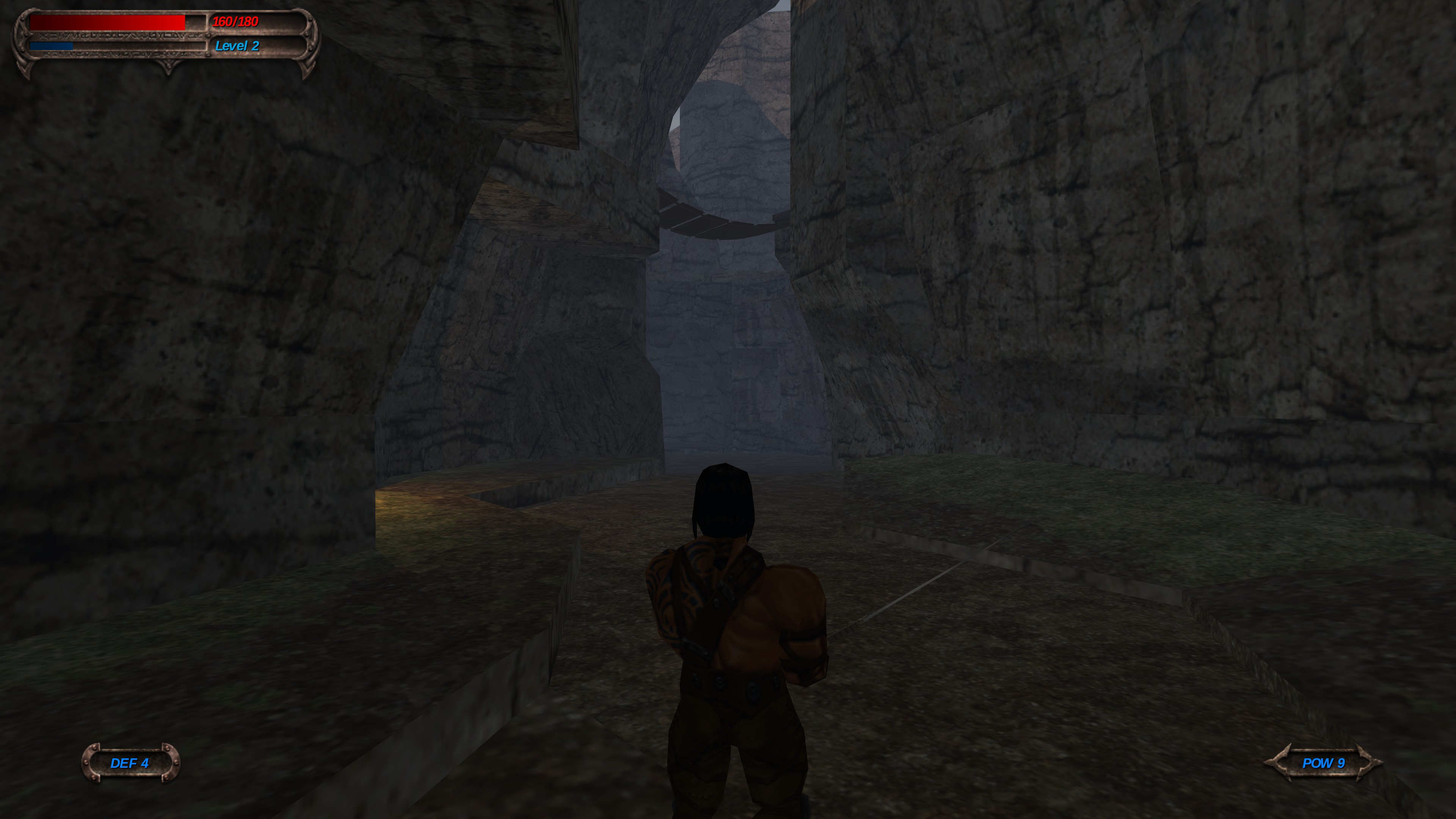
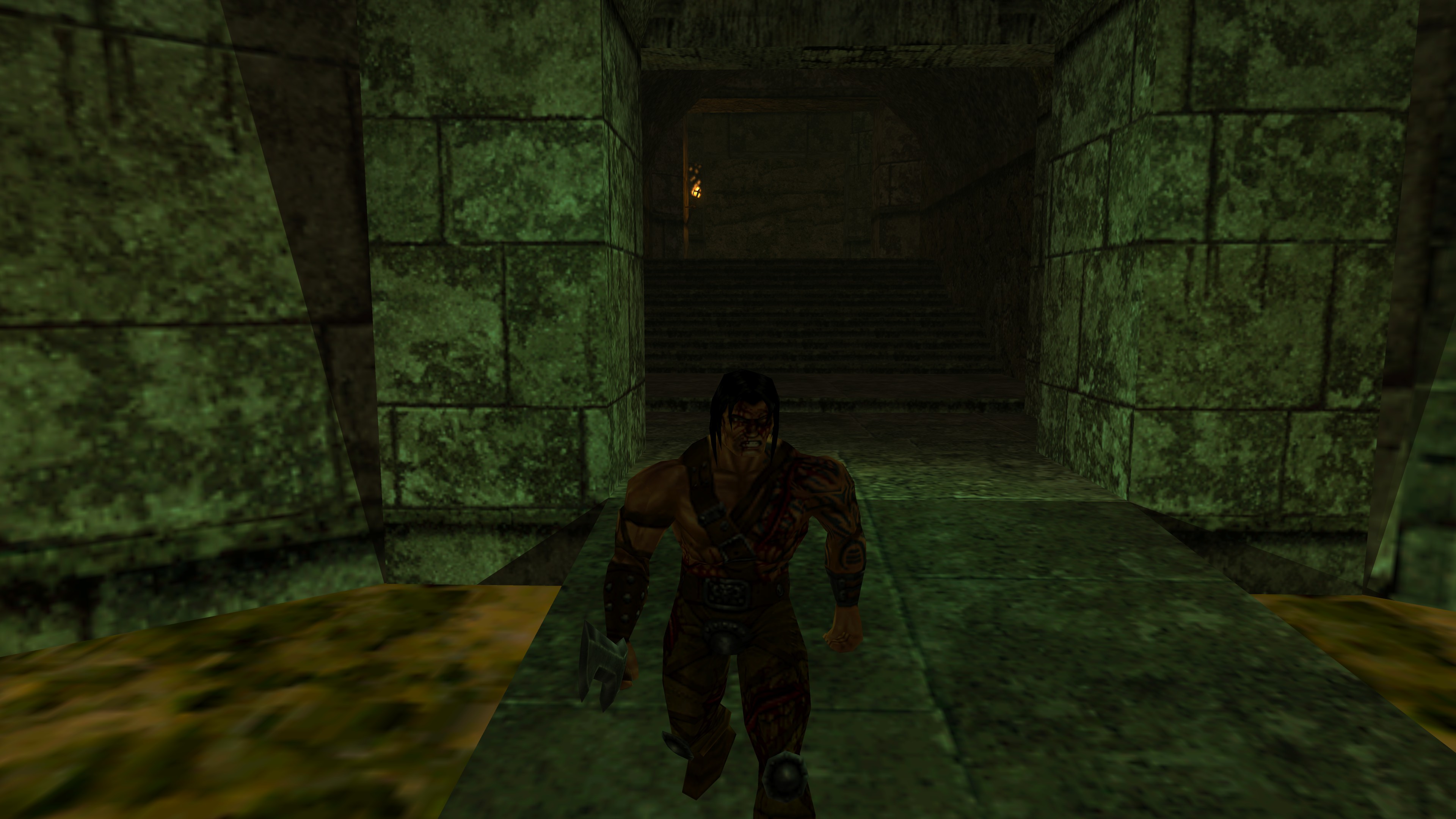
- Turkaram the Barbarian: The iconic face of the game, embodying the raw, primal energy of Robert E. Howard’s Conan the Barbarian.
Combat Mechanics
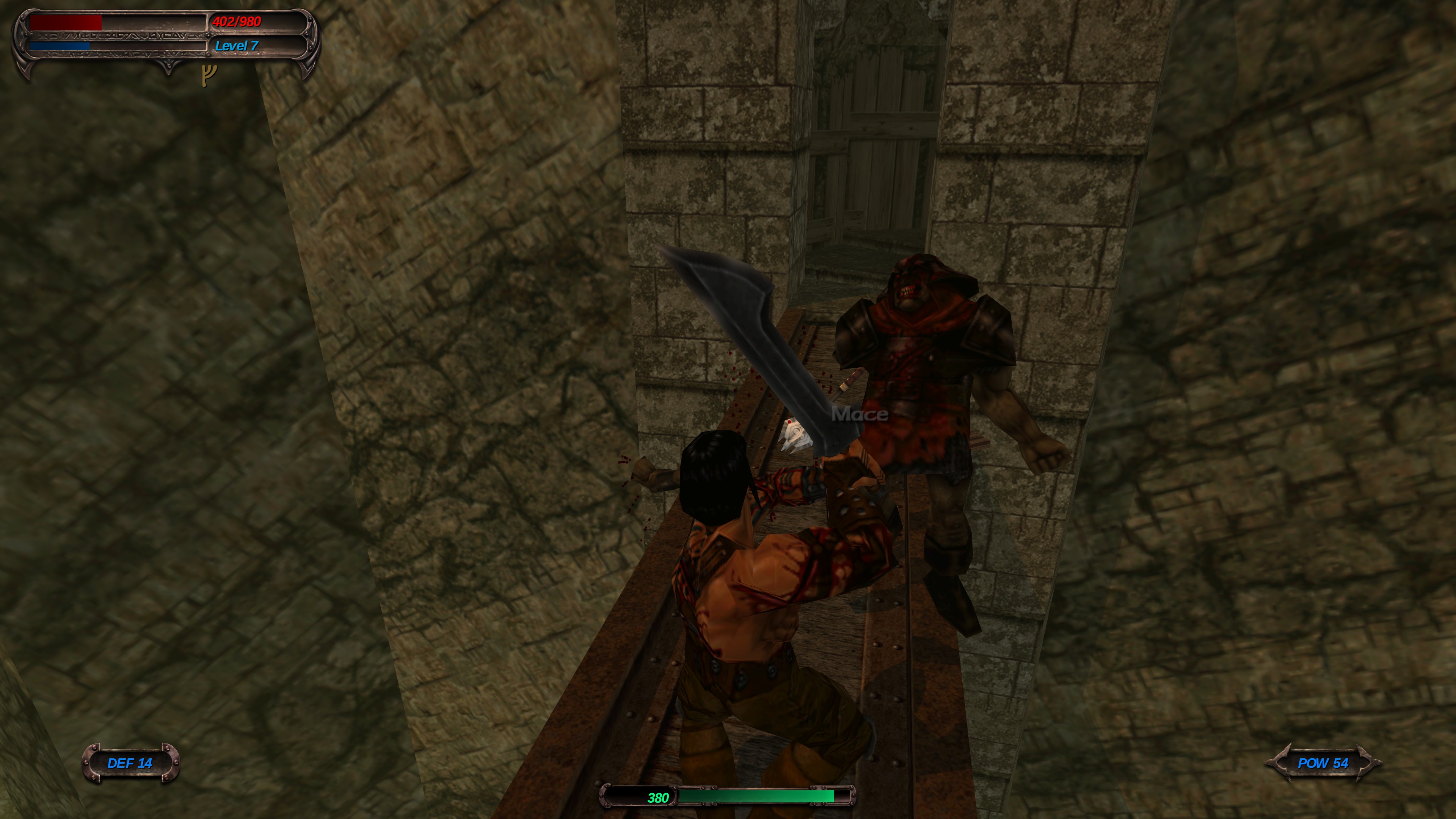
The core of Blade of Darkness lies in its combat system. Unlike the arcade-style "button mashers" of its day, Blade of Darkness demanded patience. The player must manage stamina, block with shields—which can shatter under pressure—and execute precise dodges. Each weapon features unique animations and specific special moves that unlock as the character gains experience.
The weight of the combat is palpable. When a blade connects, the feedback is visceral, often resulting in the dismemberment of foes. This "brutal" aesthetic was a hallmark of the game, setting a standard for gore and impact that few titles dared to reach at the turn of the millennium.
Atmospheric Storytelling
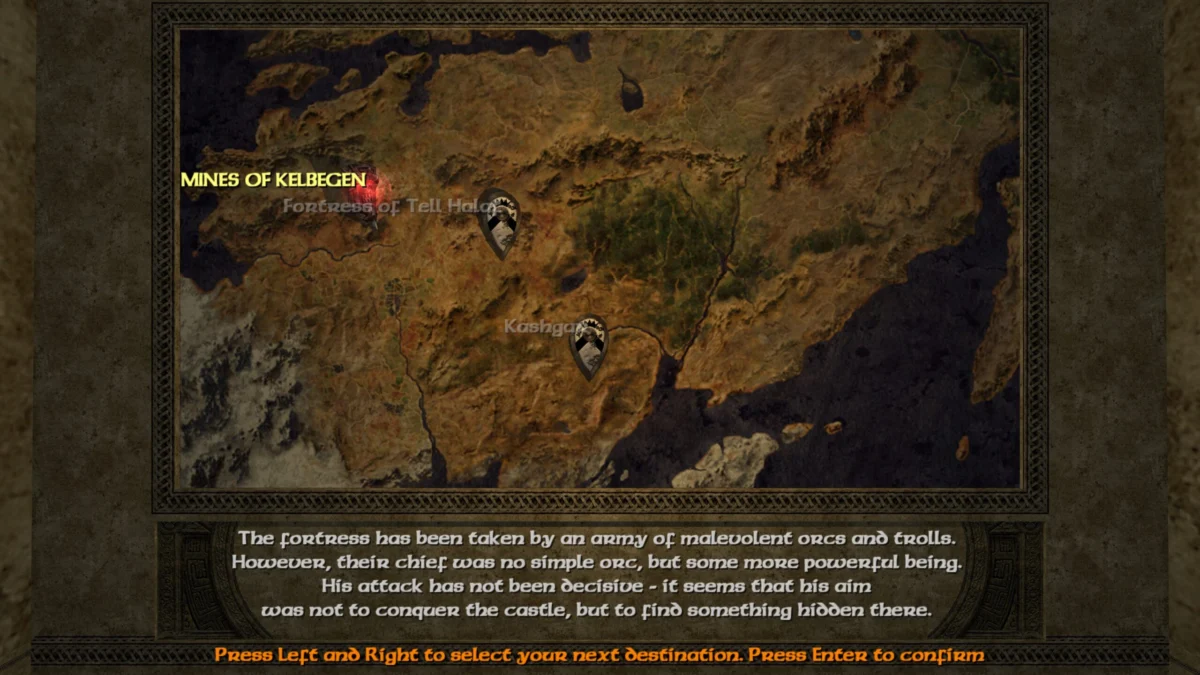
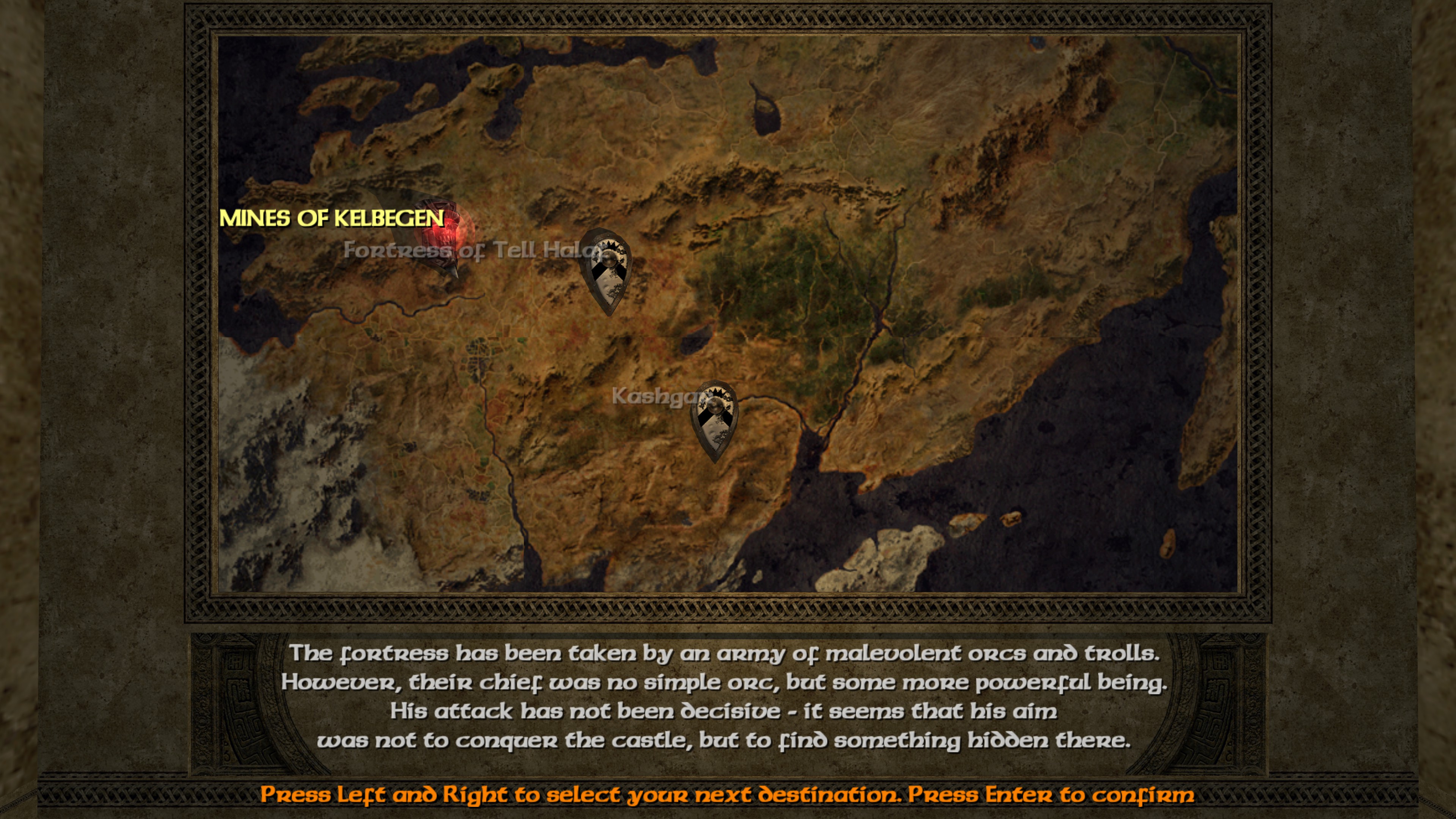
The game eschews traditional, dialogue-heavy narrative exposition. Instead, it utilizes environmental storytelling. Players are dropped into 14 distinct levels, ranging from decaying fortresses and cursed mines to ancient temples. Brief lines of lore serve as mere primers, leaving the player to piece together the history of a dying world through its architecture, the placement of the dead, and the mysterious, often terrifying, creatures that inhabit the darkness.
Official Responses and Industry Context
While the original release was criticized for its minimalist storytelling and occasional clunky platforming segments, modern reception has shifted significantly. The industry now recognizes that the game’s "stiffness" was actually a deliberate design choice meant to mimic the gravity and lethality of real-world swordplay.
SNEG’s decision to re-release the title has been met with enthusiasm from the gaming community. By keeping the price point accessible, the publisher has effectively invited a new generation of players to experience the "spiritual ancestor" to games like Dark Souls and Elden Ring.
Though there is no formal causal link—Blade of Darkness preceded Demon’s Souls by seven years—the structural similarities are undeniable. Both titles share a focus on patience, stamina management, environmental exploration, and the fear of the unknown.
Implications: Why Play it Today?
The return of Blade of Darkness serves as an important reminder of the value of preservation in gaming.
The Platforming Caveat
It is worth noting that while the combat has aged like fine wine, other elements have not. The platforming sections—often involving jumping challenges on narrow ledges—can be notoriously frustrating by modern standards. These moments serve as a reminder that the game is a product of its time. However, these flaws do not diminish the overall experience; rather, they add to the "rough around the edges" charm that defines the cult classic experience.
A Masterclass in Lighting
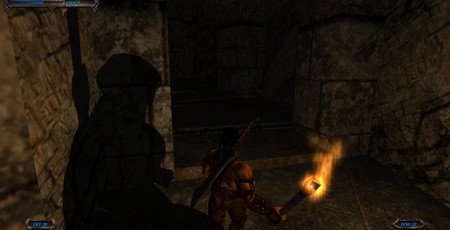
Even today, the dynamic lighting system remains a technical marvel. The way light sources—torches, fires, or magical glows—interact with the environment creates a sense of dread that many modern games struggle to replicate. Navigating a pitch-black corridor with only a flickering torch is just as tense in 2024 as it was in 2001.
Final Verdict
For the player who enjoys the methodical, high-stakes combat of modern action-RPGs, Blade of Darkness is an essential history lesson. It is a game that dared to be difficult, atmospheric, and uncompromising. At its current price, it offers a level of depth and challenge that puts many modern, bloated AAA titles to shame.
If you consider yourself a fan of the action-RPG genre, you owe it to yourself to walk the halls of this decaying, brutal fantasy world. SNEG has provided the platform; the rest is up to you. Just remember: keep your shield high, watch your footing, and never assume that a corner is empty. Blade of Darkness is, and remains, a beautiful, violent, and unforgettable adventure.












No comments yet. Be the first to join the conversation!