Ammar Sabilarrohman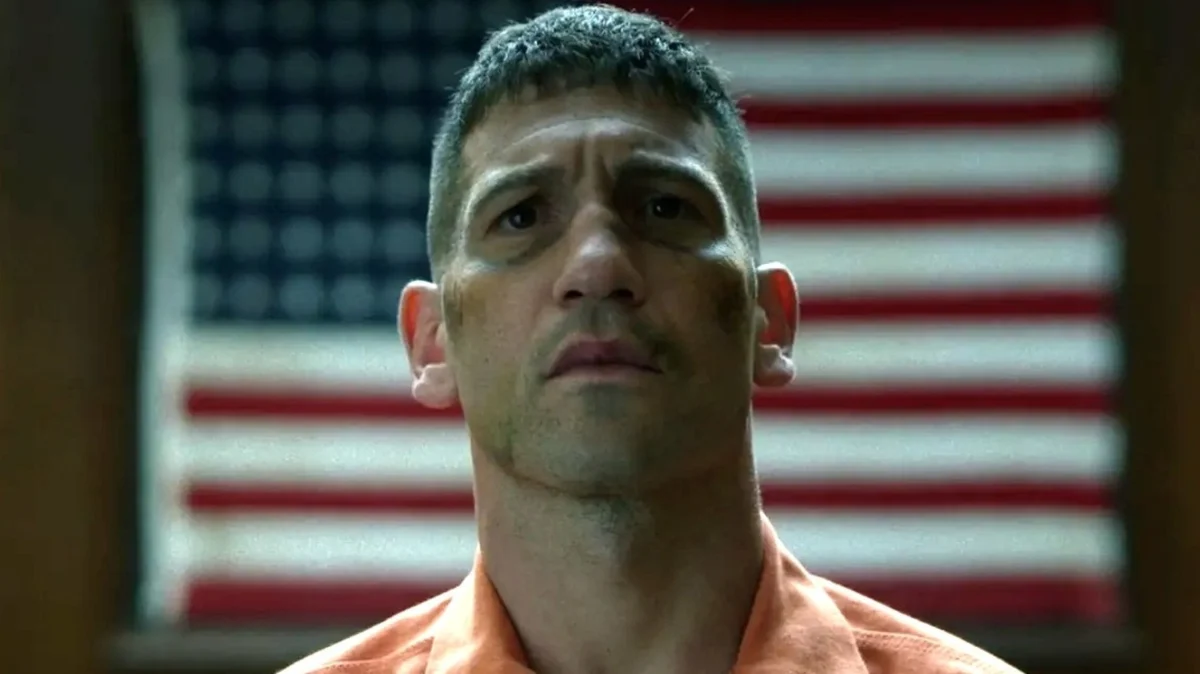
In the annals of the Marvel Universe, few figures provoke as much debate as Frank Castle, better known as The Punisher. A lethal vigilante with a decade-long trail of bodies in his wake, Castle represents the ultimate challenge to the American judicial system. While comic books and streaming series like Netflix’s Daredevil often condense the legal process for the sake of pacing, the reality of prosecuting a man who has systematically executed an entire criminal underworld is a nightmare scenario for any District Attorney.
To understand the mechanics of such a trial, we consulted Alexander Conley, a practicing defense attorney and founder of Conley Law, PLLC in Massachusetts. By examining the fictional trial depicted in Daredevil Season 2 against the bedrock of real-world legal standards, we can pull back the curtain on the complexities of defending the indefensible.
The Legal Landscape: Fact vs. Fiction in Daredevil
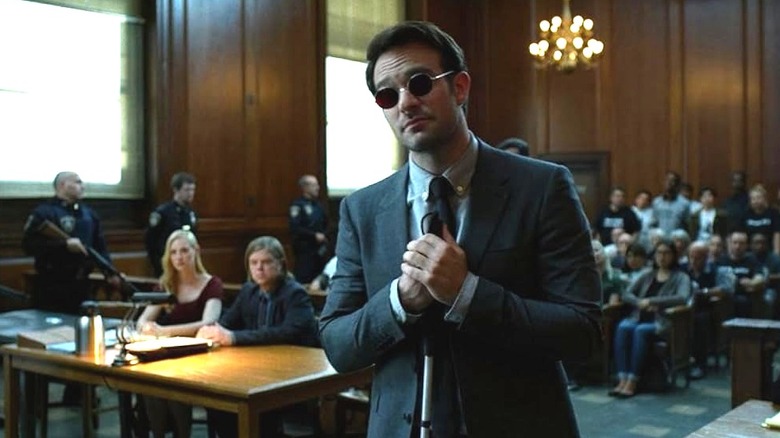
In the second season of Daredevil, Frank Castle’s legal defense is spearheaded by Matt Murdock and Foggy Nelson. Their strategy hinges on a claim of "diminished capacity" and a form of the insanity defense, arguing that the trauma and subsequent brain injury Castle sustained during the murder of his family rendered him unable to control his violent impulses or fully comprehend the wrongfulness of his actions.
The Validity of the Insanity Defense
According to Conley, the defense team’s approach is procedurally sound in theory, even if the execution on screen leans into dramatic flair. "It’s an accurate application of the insanity defense," Conley notes. "The argument rests on the idea that the defendant was suffering from a mental disease or defect that prevented them from appreciating the criminality of their actions."
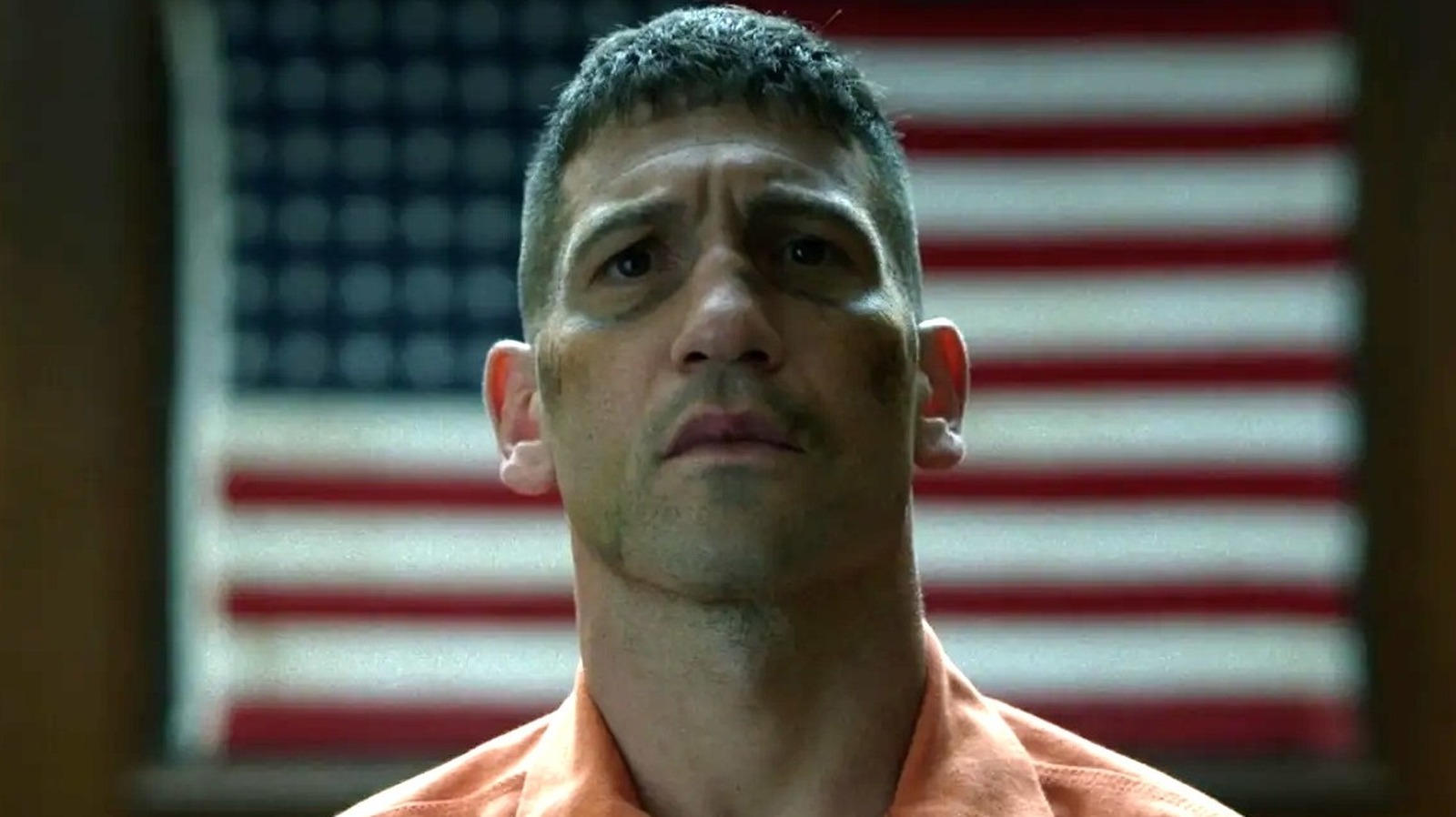
Furthermore, the defense attempted to mitigate the potential for a first-degree murder conviction by arguing that Castle’s psychological state precluded the "premeditation and deliberation" required for the highest tier of homicide charges. By casting doubt on Castle’s ability to form specific intent, a defense team can often secure a more favorable sentencing outcome.
The "Hollywood" Speed Trap
The most glaring inaccuracy in the Daredevil depiction is the compressed timeline. In the real world, a case of this magnitude—involving mass murder, high-profile casualties, and a public outcry—would take months, if not years, to prepare.
"In a real trial, every piece of evidence must be disclosed well in advance," Conley explains. "The trial in the show is rushed for narrative efficiency. In practice, you would have months of discovery, the filing of motions, and the careful selection of expert witnesses. You cannot simply pull a psychiatrist out of thin air to testify about a defendant’s brain trauma without having their credentials, reports, and methodologies vetted by the opposing side."
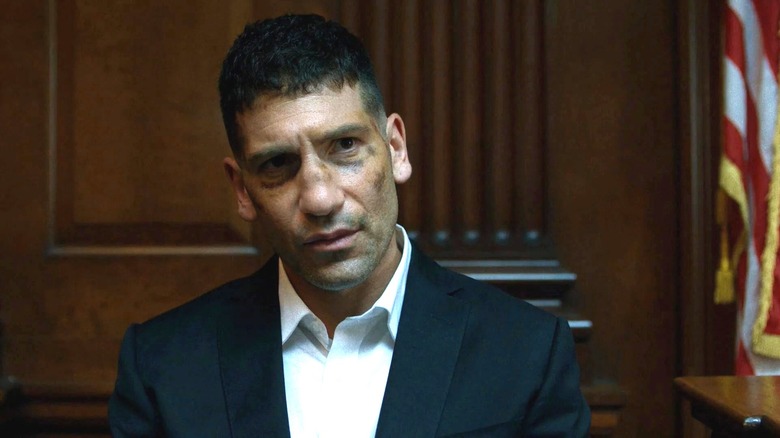
The show’s climax, which features Matt Murdock effectively testifying during his own cross-examination of the defendant, is a massive breach of courtroom decorum. "A lawyer cannot just start monologuing to the jury," Conley clarifies. "If an attorney attempted to testify while questioning a witness, they would be immediately admonished by the judge and potentially face sanctions."
Building a Narrative: The Defense Strategy
When the physical evidence of guilt is mountainous, defense attorneys must pivot from "did he do it?" to "why did he do it?" This is where the narrative of the "tragic hero" comes into play. In Daredevil, the defense calls on Ray Schoonover, Castle’s former commanding officer, to humanize him.
The Role of Character Evidence
Character evidence is notoriously difficult to introduce in a murder trial. The law generally prohibits using a person’s past—even a decorated military career—to prove they acted in accordance with that character at the time of a crime. However, defense attorneys are adept at "threading the needle."
"You have to make the character evidence relevant to the specific mental state or the defense being offered," says Conley. "If you can argue that the character evidence explains why the defendant’s mental health deteriorated, you might get it in. It’s a valuable tool because, at the end of the day, you are trying to make a human being out of a monster in the eyes of the jury."
The Moral Dilemma: Motive and Jury Nullification
Frank Castle is not a standard criminal. He is a man driven by a singular, albeit extreme, moral code. He targets those who have already bypassed the law, which creates a complex psychological response in the public—and potentially, the jury.
The Trap of Motive
Can a lawyer use a "Robin Hood" defense to justify vigilante killings? Conley is skeptical. "Unless motive is a specific element of the crime—which is rare—arguing that your client killed to ‘clean up the streets’ is a dangerous game. It often centers the trial on factors that are legally irrelevant. You risk alienating the judge, who has to keep the proceedings within the strict bounds of the law."
The Specter of Jury Nullification
The most fascinating aspect of a Punisher trial is the very real possibility of jury nullification. This occurs when a jury, fully aware that the defendant committed the act, chooses to acquit because they disagree with the law itself or sympathize with the defendant’s cause.
"Jury nullification is the legal system’s ‘nuclear option,’" Conley explains. "It is rare, it is discouraged, and there is no way to prevent it because jury deliberations are kept secret. If a jury decides that Frank Castle is a necessary evil, they can simply return a ‘not guilty’ verdict. The law provides no recourse for the state once that verdict is read."
While judges are typically more rigid than jurors, even they are human. A judge may take mitigating factors into account during sentencing, potentially offering a lighter sentence if they believe the defendant’s actions were born of profound trauma rather than malice.
The Challenge of Jury Selection
The recent real-world trial of Luigi Mangione serves as a poignant parallel to the hypothetical trial of the Punisher. When a defendant is viewed by segments of the public as a "corrective" force against a corrupt system, finding an impartial jury becomes a logistical nightmare.
The Impanelment Process
For a case like the Punisher’s, the jury selection process—or voir dire—would be exhaustive. Attorneys would be looking for individuals who can strip away their personal feelings about vigilante justice.
"You have to find people who are capable of setting aside their preconceived notions," Conley notes. "In a case with this much media saturation, that is nearly impossible. You are looking for a ‘blank slate’ juror, which is a myth in the age of 24-hour news cycles. You essentially have to find people who are willing to adhere to the judge’s instructions to ignore everything they’ve seen on the news and look only at the evidence presented in the courtroom."
Implications: The Systemic Impact
If the Punisher were actually brought to trial, the implications would extend far beyond a single verdict. Such a case would force a national conversation on the failures of the criminal justice system. If a vigilante is cheered by the public, it signals a profound lack of faith in the courts, the police, and the rule of law.
The "Punisher" Symbolism
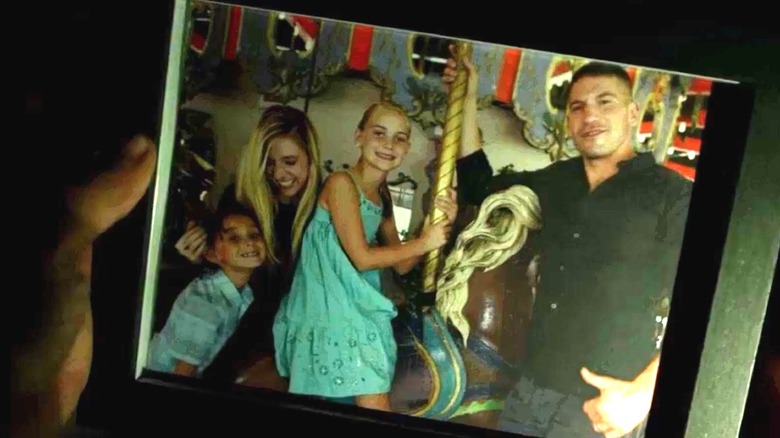
The appropriation of the Punisher’s skull logo by real-world law enforcement and military personnel, as explored in the Daredevil: Born Again series, underscores the danger. When the lines between "punishment" and "justice" blur, the legal system loses its legitimacy.
For a defense attorney, the goal is always the same: ensure the client receives a fair trial according to the Constitution. But for a figure like the Punisher, the legal process is not just about the man in the prisoner’s dock; it is a stress test for the society that created him.
"At the end of the day," Conley concludes, "the law is designed to be cold and impartial. Frank Castle is the antithesis of that. Trying him is not just a trial of a man—it’s a trial of the system itself. And that is a trial that neither the prosecution nor the defense may ever truly win."

 Nana Wu
 Layla Zulfa