

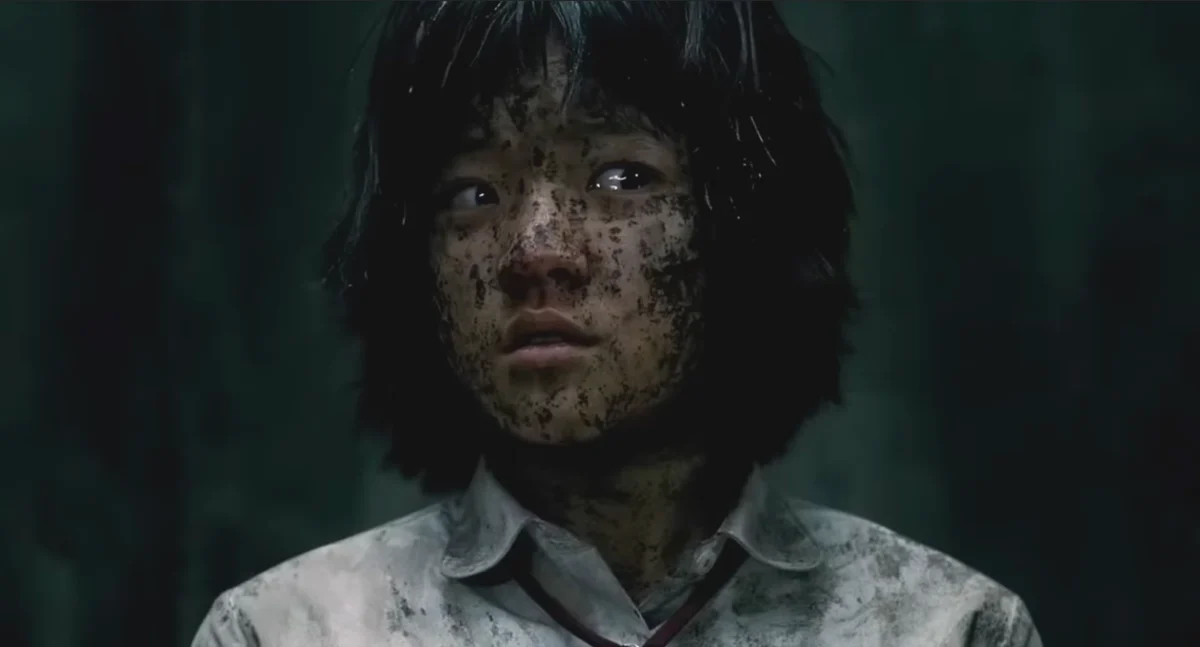
The history of cinema is littered with the wreckage of ambitious projects that failed to launch, but few haunt the annals of the kaiju genre quite like the aborted sequel to Bong Joon-ho’s 2006 masterpiece, The Host. While Godzilla remains the undisputed "King of the Monsters," often suffering from his own share of missed cinematic opportunities, the case of The Host 2 serves as a sobering, textbook lesson on how studio interference and the blind pursuit of "franchise potential" can dismantle the very DNA that made an original film a global phenomenon.
Twenty years ago, the South Korean film industry was a burgeoning powerhouse, characterized by a unique blend of grit, humor, and profound socio-political commentary. The Host stood at the apex of this movement. It was not merely a monster movie; it was a character-driven tragedy that succeeded because it felt grounded, visceral, and human. When Chungeorahm Films announced a sequel in late 2007, the industry’s appetite for expanded universes was just beginning to peak. Yet, the path taken by the studio would eventually doom the project to a decade of development hell, leaving behind nothing but a digital tombstone in the form of a high-octane proof-of-concept trailer.
The Genesis of a Sequel: A Shift in Vision
To understand why The Host 2 failed, one must understand what made the original succeed. Bong Joon-ho’s 2006 film functioned as a biting satire on American military presence in Korea, environmental neglect, and the failings of bureaucracy, all anchored by the desperate, chaotic plight of the Park family. It was a film about people first and a monster second.
When Chungeorahm Films signaled their intent to produce a sequel, the first red flag appeared: the departure of the auteur. Bong Joon-ho, having successfully captured lightning in a bottle, expressed no interest in returning for a franchise expansion. In his absence, the studio opted for commercial director Park Myeong-chan. The shift was immediate and tectonic. The studio pivoted away from the intimate, family-centric drama of the original, aiming instead for the "spectacle" of the Hollywood blockbuster model.
The studio’s vision was bloated with industry buzzwords of the era: 3D effects, multi-market localization, and high-octane action sequences. At one point, the studio floated the idea of two competing versions of the film—one tailored for the domestic Korean audience and another specifically re-edited and localized for the Chinese market. This fragmentation of creative vision was the beginning of the end. By attempting to serve multiple masters and markets, the project lost its singular, coherent voice.
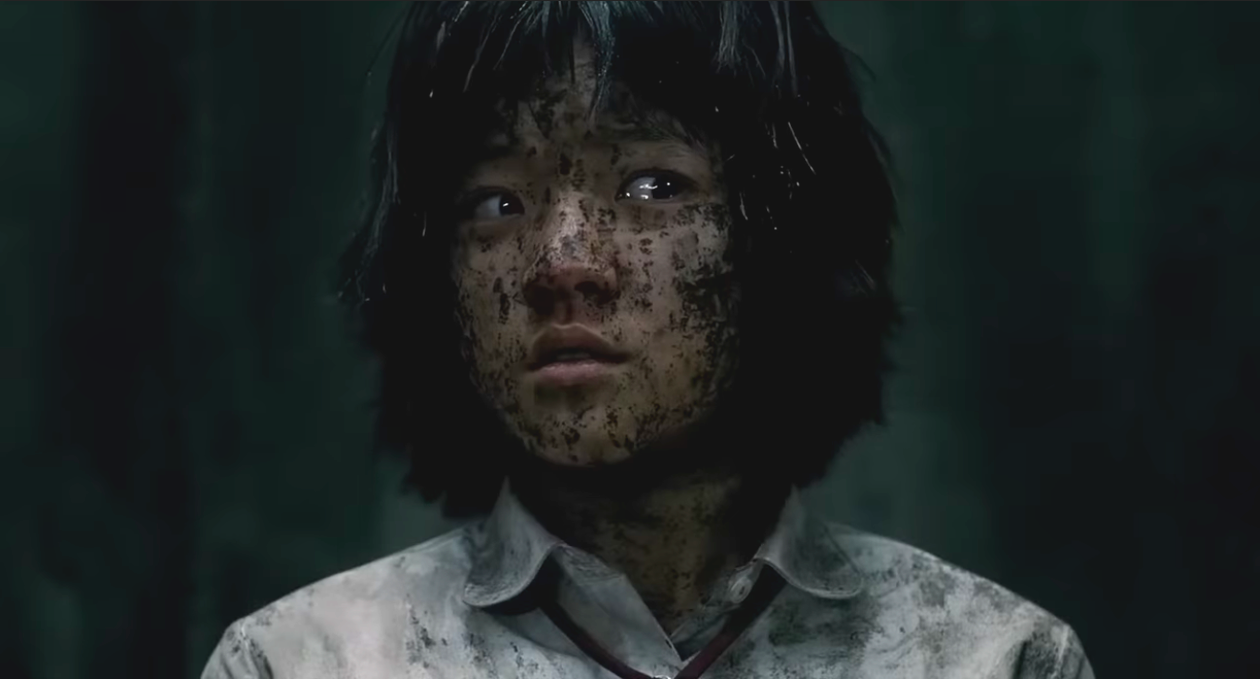
Chronology of a Collapse
The timeline of The Host 2 is a masterclass in identity crisis. Following the initial 2007 announcement, the project entered a state of flux that would last until the late 2010s.
- 2007-2008: The announcement period. Chungeorahm Films begins seeking investors, utilizing the momentum of the first film’s massive domestic and international box office success.
- 2009: The release of the "Demonstration Reel." This is the moment most fans remember. Featuring a reborn version of the creature terrorizing a family on a winding road, the footage—animated by the effects house Macrograph—was visually stunning. It showcased a creature with visceral, high-speed aggression. However, the footage was not a trailer for a finished movie; it was a proof-of-concept designed to entice investors. The public, seeing the high-quality animation, mistakenly assumed production was underway.
- 2010-2012: The pivot phase. The plot underwent constant, erratic revisions. At various times, it was pitched as a prequel, then a direct sequel, then a soft reboot. Reports indicated that the script eventually ballooned to include multiple creatures, with budgets exceeding 20 billion Korean won (approximately $17-18 million USD at the time)—an exorbitant sum for a Korean production that had yet to secure a firm creative foundation.
- 2013-2019: The "Development Hell" era. As other genre films like Sector 7 attempted to emulate the monster-horror formula with varying degrees of failure, The Host 2 remained stalled. The silence from Chungeorahm Films became deafening. By 2019, the industry consensus was clear: the project had been quietly abandoned.
The Failure of "Scale Over Substance"
The fundamental error made by the studio was the assumption that The Host was successful because of its monster. In reality, the creature was merely a catalyst for the human drama. By chasing the superficial metrics of the genre—3D gimmickry, multi-monster carnage, and the mandate of building a "universe"—the studio alienated the creative forces that had made the 2006 film an international landmark.
They attempted to transform a poignant family tragedy into a theme-park ride. In the process, they stripped away the "human touch" that defined the original. The high-quality CGI seen in the demonstration reel, while impressive, felt hollow because it lacked the emotional stakes of the Park family’s desperate search for their daughter in the first film. The sequel prioritized scale over substance, and in its haste to deliver "bigger and louder" action, it forgot the very reason the audience cared about the creature in the first place: the monster was a threat to a family we loved.
Industry Implications and Lessons Learned
The failure of The Host 2 serves as a sobering reminder for modern studios currently obsessed with franchise building. We see a similar, sterile, assembly-line approach today in various tentpole franchises, where the joy of discovery is frequently traded for the safety of brand recognition and established tropes.
When studios prioritize "brand equity" over the creative vision of an auteur, the result is often a product that feels manufactured rather than inspired. The case of The Host 2 demonstrates that you cannot simply replicate a cultural moment by throwing capital at it. If the soul of a property is tied to a specific director’s perspective or a unique cultural commentary, replacing those elements with generic "blockbuster" tropes almost inevitably leads to failure.
Furthermore, the "demonstration reel" phenomenon highlights the dangers of marketing a product before it has been fully conceptualized. By showing off the monster before the story was finalized, the studio set an expectation of quality and tone that they were ultimately unable to meet. The footage remains online as a digital tombstone—a testament to what could have been, had the producers prioritized the narrative integrity of the original film over the allure of a sprawling, multi-creature franchise.
Conclusion: The Ghost in the Sewer
Ultimately, the demise of The Host 2 was not due to a lack of talent or technical ability. The Macrograph team proved they could render a terrifying creature. The failure was one of stewardship. Chungeorahm Films failed to understand that The Host was not an intellectual property to be exploited, but a piece of art to be respected.
As we look back at the project today, it stands as a cautionary tale for the industry. In the years since its quiet cancellation, the South Korean film industry has moved on to produce global hits like Parasite and Train to Busan, proving that the secret to success lies in innovation and emotional honesty—not in chasing the ghosts of past successes with bloated, aimless sequels. The creature from the Han River remains a singular icon, preserved in the murky waters of a film that knew when to stop, while its proposed successor remains a forgotten phantom, trapped in the sewer of Hollywood-style over-ambition.









No comments yet. Be the first to join the conversation!