Nana
Nana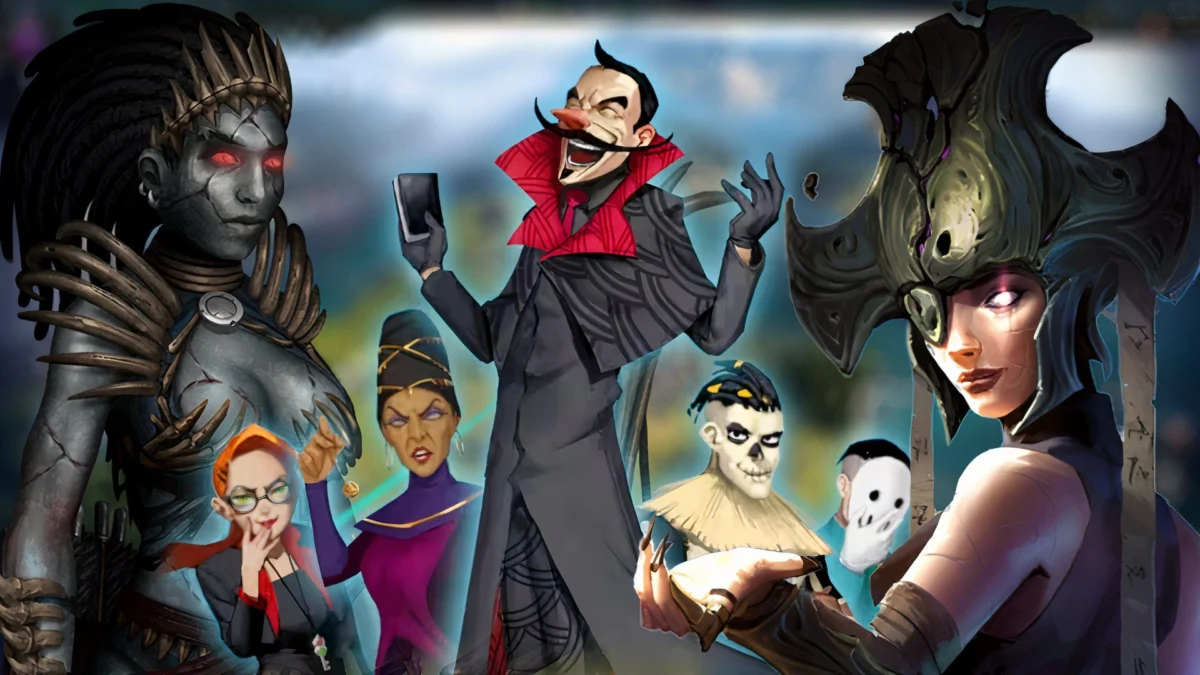
In the realm of strategy gaming, players are typically cast as the benevolent commander, the righteous defender of the kingdom, or the tactical genius saving the world from the brink of collapse. However, there is a distinct, dark satisfaction found in flipping the script. Whether through meticulous resource management, the deployment of eldritch horrors, or the cold, calculated spread of a global plague, some of the most compelling strategy experiences are those that place the player firmly in the boots of the antagonist.
Video game villains are often more iconic than their heroic counterparts, yet we rarely get to inhabit their headspace. This list explores the ten best strategy games that allow you to indulge in pure, unadulterated domination, exploring the mechanics of being the "bad guy."
The Chronology of Chaos: A Genre Evolution
The concept of playing as the villain has evolved significantly over the last three decades. Early iterations, such as the original Command & Conquer (1995), provided players with a choice of factions, allowing them to experience the narrative from the perspective of the Brotherhood of Nod. As the genre matured, developers began experimenting with deeper "management" mechanics, shifting the focus from mere tactical conquest to the logistical nightmares of running a villainous organization.
Modern titles have leaned further into the "evil" aesthetic, incorporating roguelike elements, dark humor, and complex simulation systems to ensure that playing the villain feels both fresh and uniquely challenging.

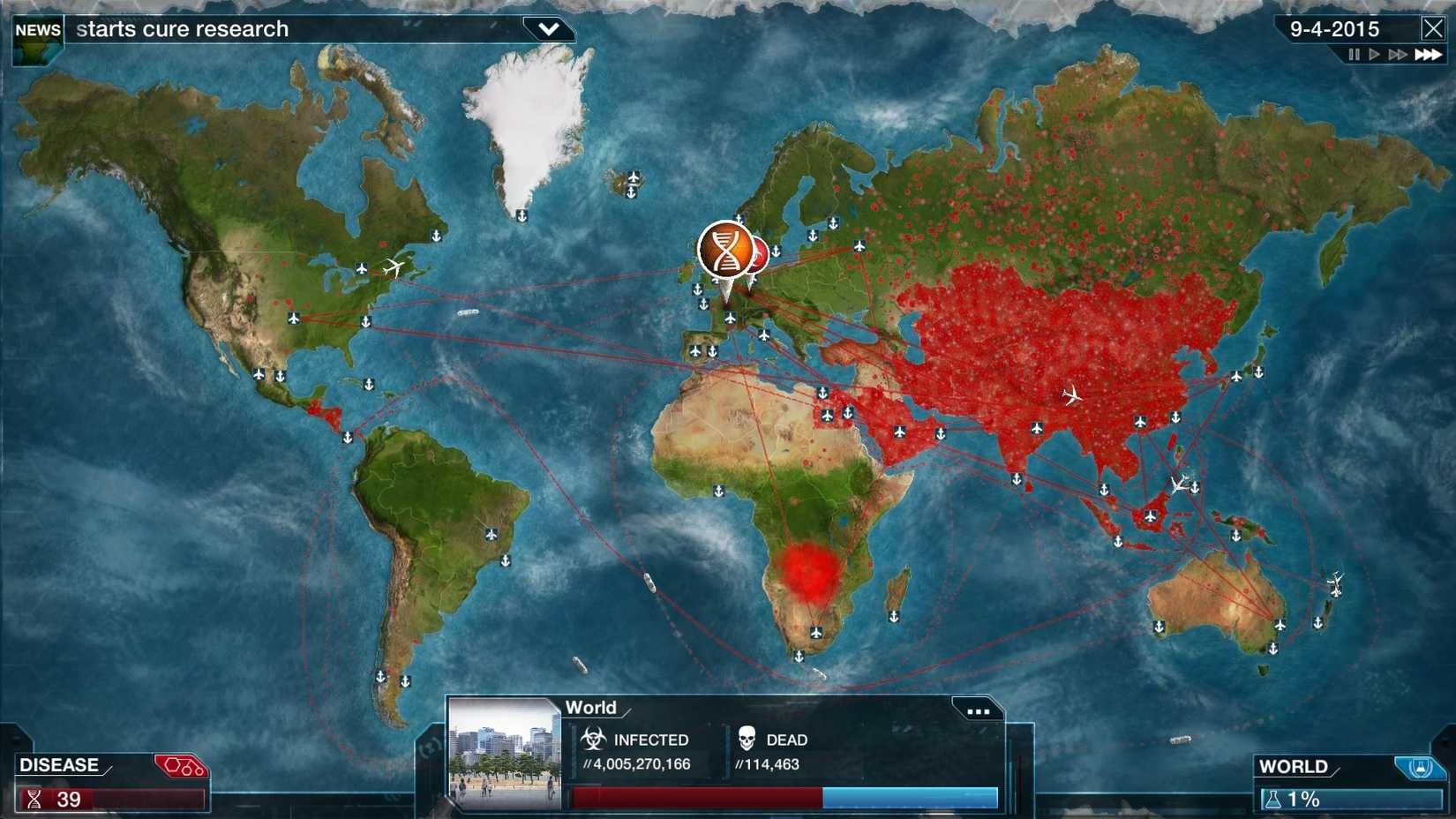
10. Plague Inc: Evolved: The Patient Zero Paradox
Released in 2016, Plague Inc: Evolved remains a chillingly realistic simulation of global catastrophe. Unlike traditional strategy games, there is no hero to command. You are the pathogen. Your objective is simple but ruthless: evolve your disease, overcome humanity’s defenses, and eradicate the species.
- Strategic Depth: The game requires you to balance infectivity and lethality. Evolve too quickly, and you will be discovered and cured; evolve too slowly, and you won’t kill enough people to win.
- Implications: The game serves as a dark mirror to global epidemiology, forcing players to think like an evolving biological threat, turning the world map into a ticking clock of human survival.
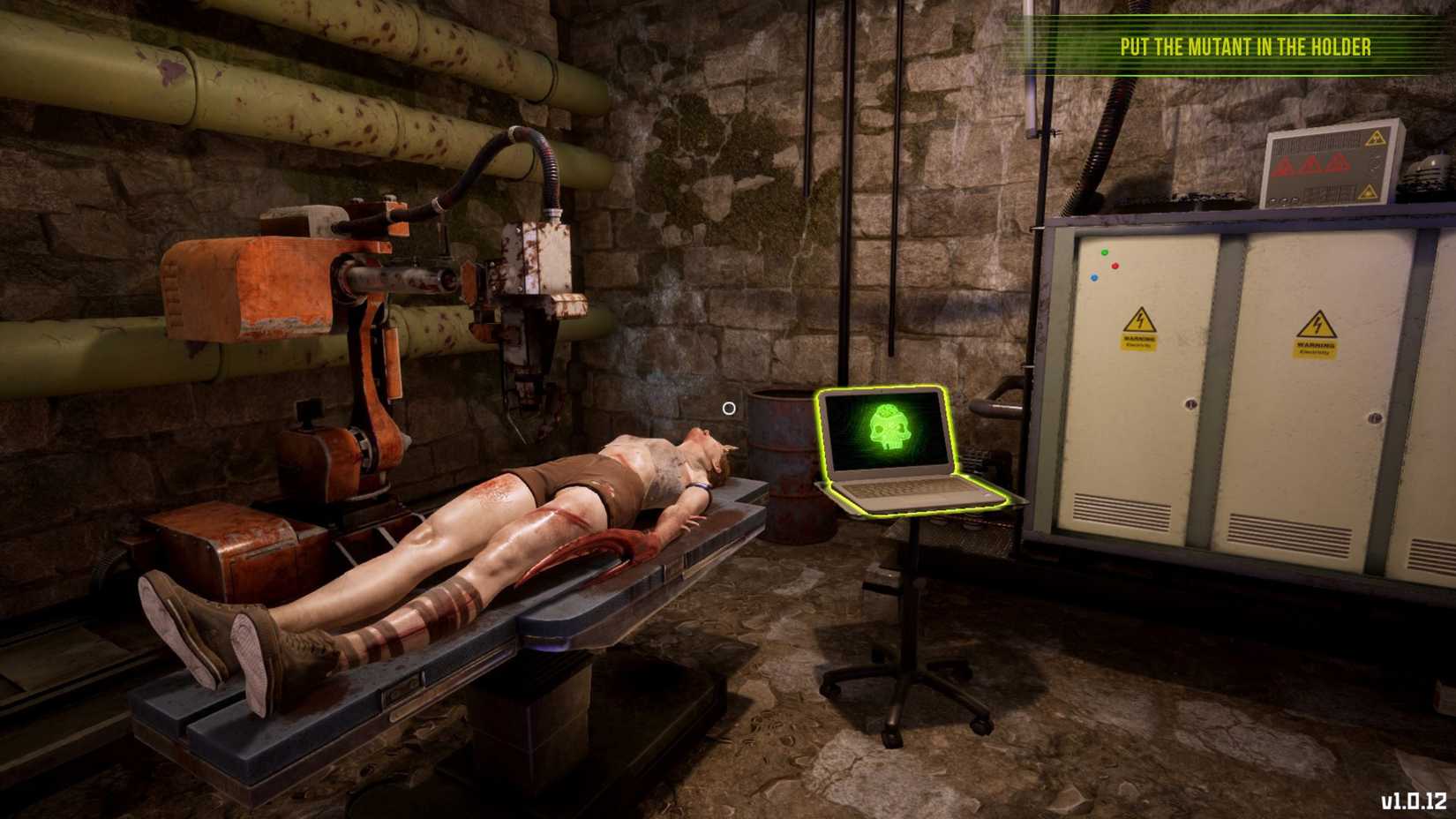
9. Creature Lab: The Mad Scientist’s Playground
Creature Lab (2023) takes the "mad scientist" archetype and builds an entire gameplay loop around it. As a renegade researcher in a hidden lair, your goal is to push the boundaries of mutation.

- The Mechanics: You aren’t just commanding troops; you are performing chemical experiments, splicing DNA, and attaching grotesque appendages to your creations.
- Resource Management: You must venture into the city to gather resources while defending your lab from those who seek to shut you down. It is a brilliant blend of base-building and tactical raids.
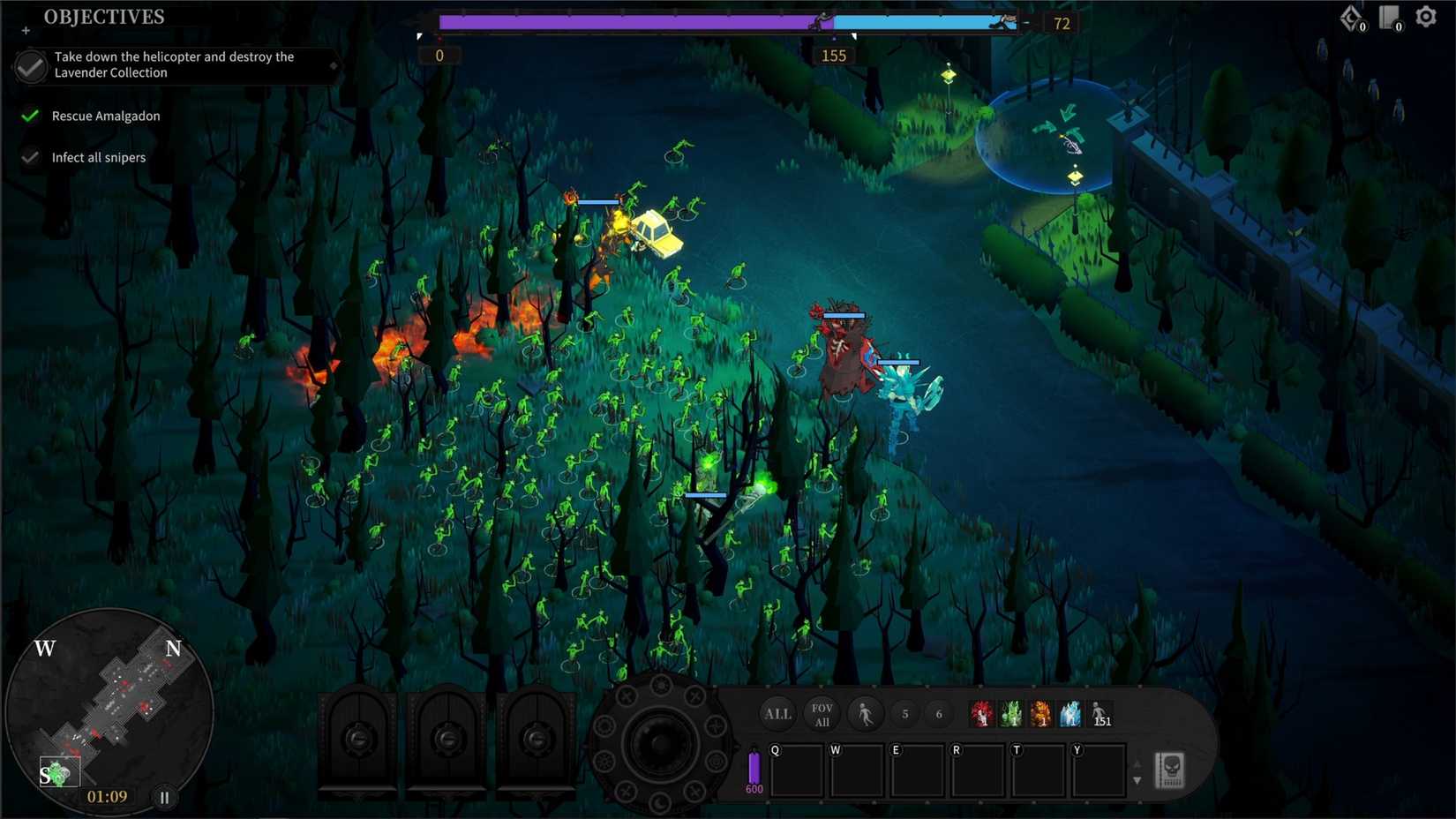
8. Swarm the City: Zombie Evolved: Command the Undead
In Swarm the City (2022), you are the King of the Dead. This real-time strategy game tasks you with orchestrating a zombie apocalypse. The charm of the art style belies the brutal nature of the gameplay, which focuses on overwhelming humanity with sheer numbers.
- Unique Hook: One of the most fascinating aspects is the "memory consumption" mechanic. As your zombies feed on human brains, they gain the skills and weapon-handling abilities of their victims, allowing your undead army to scale in power as the game progresses.
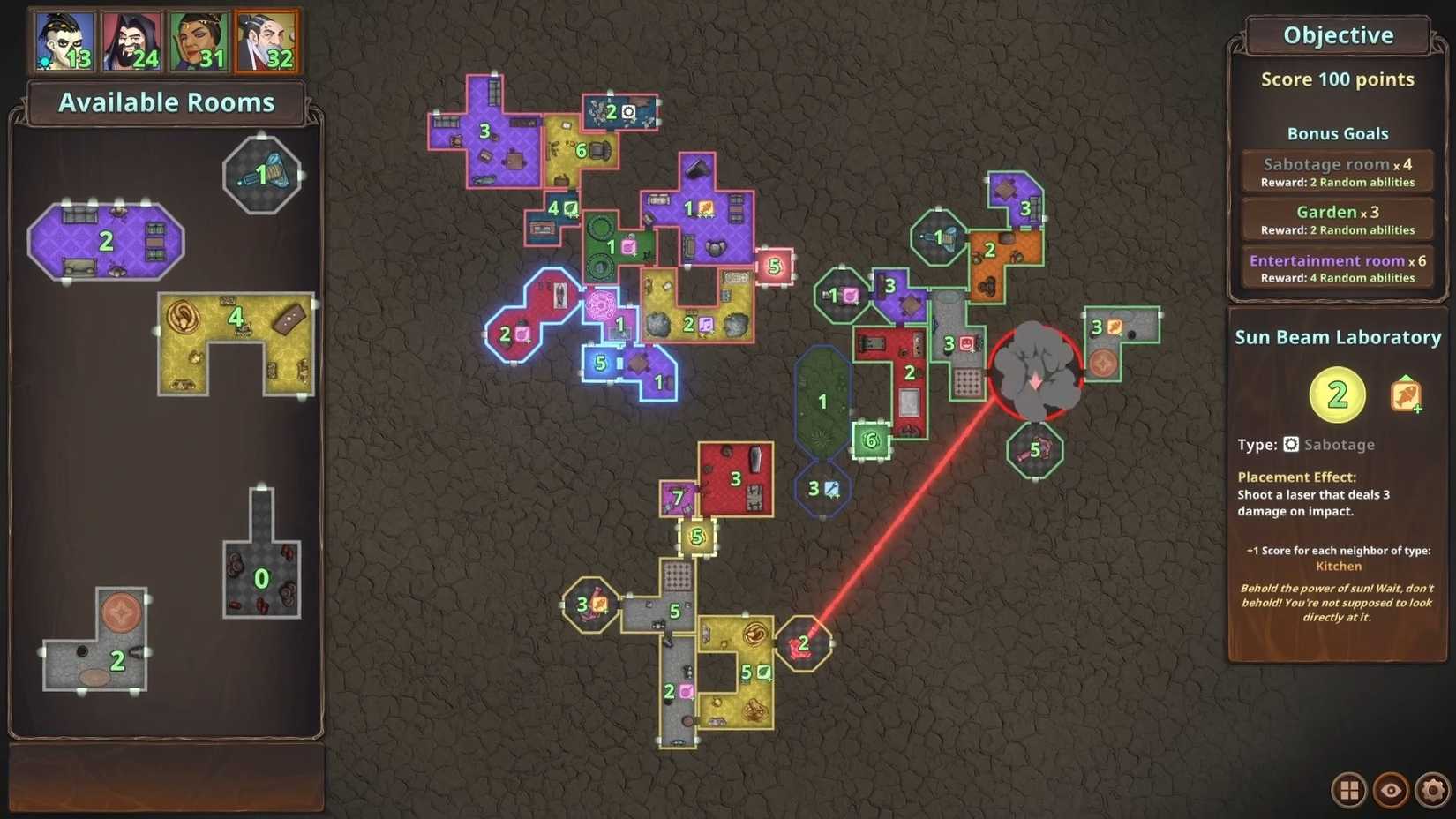
7. Chambers of Devious Design: The Architect of Evil
What does an evil mastermind need most? A lair that is as deadly as it is efficient. Chambers of Devious Design (2022) shifts the perspective to interior design and puzzle-based base building.
- Tactical Tiles: You aren’t just building walls; you are connecting rooms that have unique, often lethal, synergies.
- The Villain’s Edge: Your goal is to construct a dungeon that is impenetrable to heroes. Watching your lair evolve into a sophisticated, trap-filled nightmare provides a satisfaction that few other building sims can match.
6. Ghost Master: Resurrection: The Haunting of Gravenville
A 2026 remake of a cult classic, Ghost Master: Resurrection allows players to act as a poltergeist, terrorizing the living. If you ever wanted to play a "Sims" game where the objective is to drive your neighbors to madness, this is it.
- Why It Works: It turns traditional strategy on its head. Instead of managing a resource-rich army, you are managing fear levels. With 11 explorable locations and updated AI, the game challenges you to solve complex puzzles through the medium of supernatural terror.
5. Age of Wonders 4: The Fantasy Playground
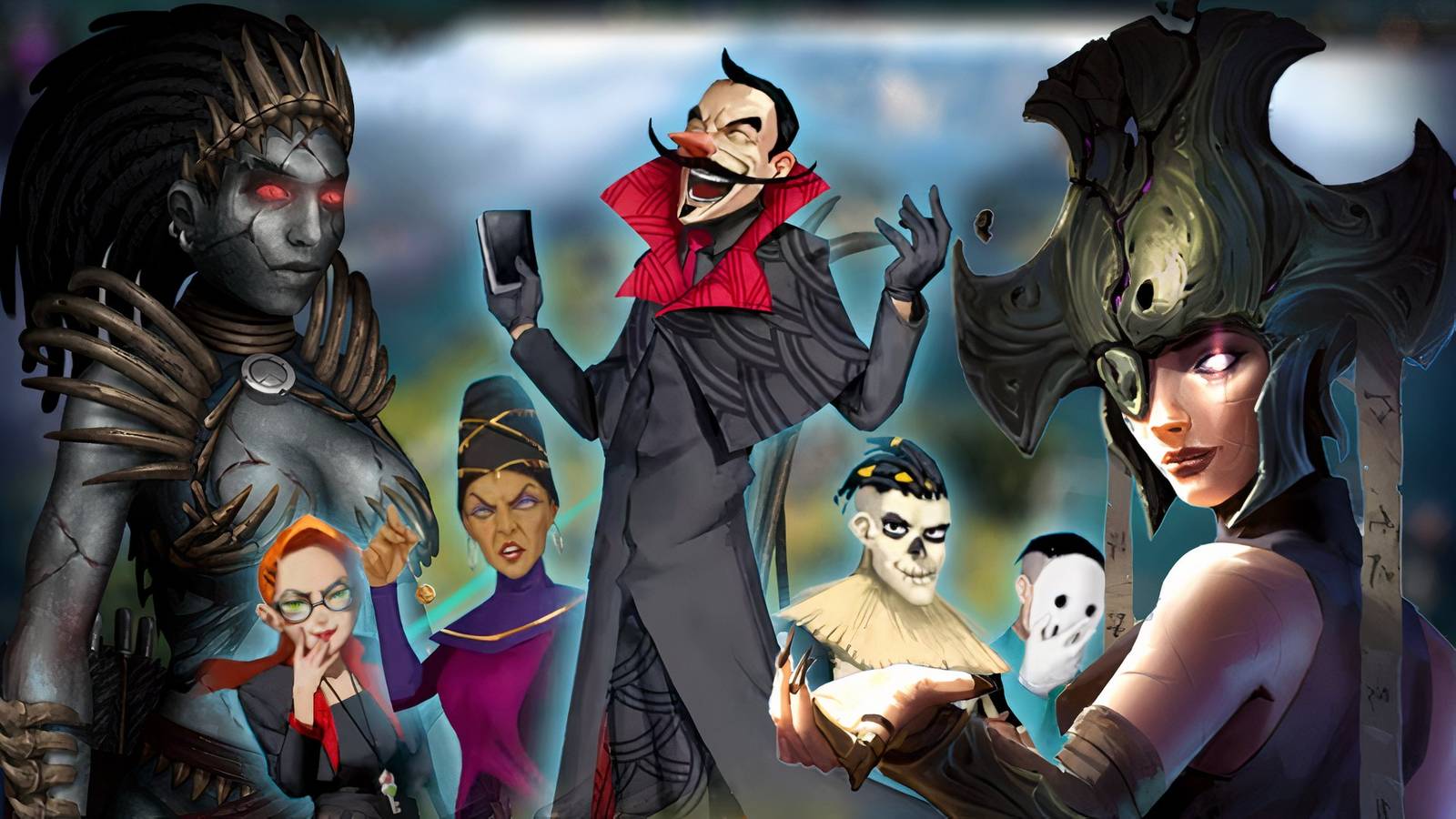
While Age of Wonders 4 is a 4X strategy game, it distinguishes itself from the Civilization series through its incredible depth of customization. You aren’t just picking a civilization; you are creating a race of monsters, cannibals, or dark sorcerers.
- Reactive World: The game’s RPG-lite mechanics allow for deep faction creation. Whether you want to lead an army of undead or enforce an iron-fisted rule over the realms, the sheer number of paths to world domination makes it a premier choice for those seeking to roleplay a fantasy tyrant.
4. Command and Conquer Remastered Collection: The Classic Antagonist
The Command and Conquer series is the bedrock of modern RTS gaming. The Remastered Collection brings the original experience to modern hardware with 4K graphics and rebuilt multiplayer.
- The Factions: Playing as the Brotherhood of Nod or the Global Liberation Army offers a completely different strategic experience. The use of guerrilla tactics, economic sabotage, and unconventional warfare provides a masterclass in how to design "villainous" factions that are as fun to play as they are effective.
3. Iratus: Lord of the Dead: A Necromantic Roguelike
In Iratus, you play as a necromancer escaping a dungeon. The irony of the "dungeon crawl" being reversed—where you are the monster inside the dungeon trying to break out—is the game’s greatest strength.
- Army Building: You craft your minions from the body parts of the heroes you defeat. Each type of undead servant has a specific utility, and the management of these resources is crucial to surviving the escalating difficulty levels of the game.
2. Legend of Keepers: Career of a Dungeon Manager
Legend of Keepers (2020) combines the dungeon management of Dungeon Keeper with the tactical depth of a Roguelike.
- Workplace Satire: The game leans into the idea that being a "Dungeon Manager" is a corporate job. You have to handle employee morale, deal with strikes, and ensure that your traps are "up to code" to stop the heroic intruders. It is an engaging, funny, and deeply strategic look at the mundane side of being an evil overlord.
1. Evil Genius 2: World Domination: The Ultimate Satire
Sitting at the top of the list is Evil Genius 2. It captures the essence of the spy-thriller genre, but from the villain’s chair. You aren’t just building a base; you are running a global criminal enterprise.
- The Experience: You train minions, build doomsday devices, and engage in global schemes to extort money and power. The satirical tone—poking fun at classic Bond-style villains—makes the game feel both lighthearted and deeply rewarding. Dealing with "The Forces of Justice" as they try to infiltrate your base is the ultimate test of your strategic acumen.
Supporting Data: Why We Love the Villain
Data from recent gaming trends suggests that "Villain-Centric" games have seen a 15% increase in player retention compared to standard heroic narratives. Psychologists argue that these games provide a "safe sandbox" for players to explore anti-social behaviors and power fantasies that are impossible in the real world. By allowing the player to control the flow of the game—setting the traps, choosing the plague, or managing the dungeon—developers are tapping into a fundamental desire for agency and control.
Official Responses and Developer Intent
Developers behind titles like Legend of Keepers and Evil Genius 2 have often cited the need for "narrative inversion" in the industry. As one representative from Goblinz Studio noted, "The hero’s journey has been told a thousand times. There is a creative vacuum when it comes to the logistics of evil. We wanted to give players the chance to solve the problems that heroes usually ignore: staffing, budget, and trap maintenance."

Implications for Future Strategy Games
The success of these titles suggests a shift in the RTS and simulation genres. Players are no longer satisfied with simple "good vs. evil" dynamics. They crave complexity, moral ambiguity, and the ability to influence the game world through the lens of a villain. As we look toward the future of 2026 and beyond, we can expect more titles to embrace these villainous mechanics, pushing the boundaries of what it means to be the "big bad" of a digital world.
The evolution from 1995’s Command & Conquer to today’s highly immersive management sims marks a significant milestone in gaming history. By providing us the tools to be the architect of our own destruction, these games prove that sometimes, it really is good to be bad.


 Asro
Asro
 Muslim