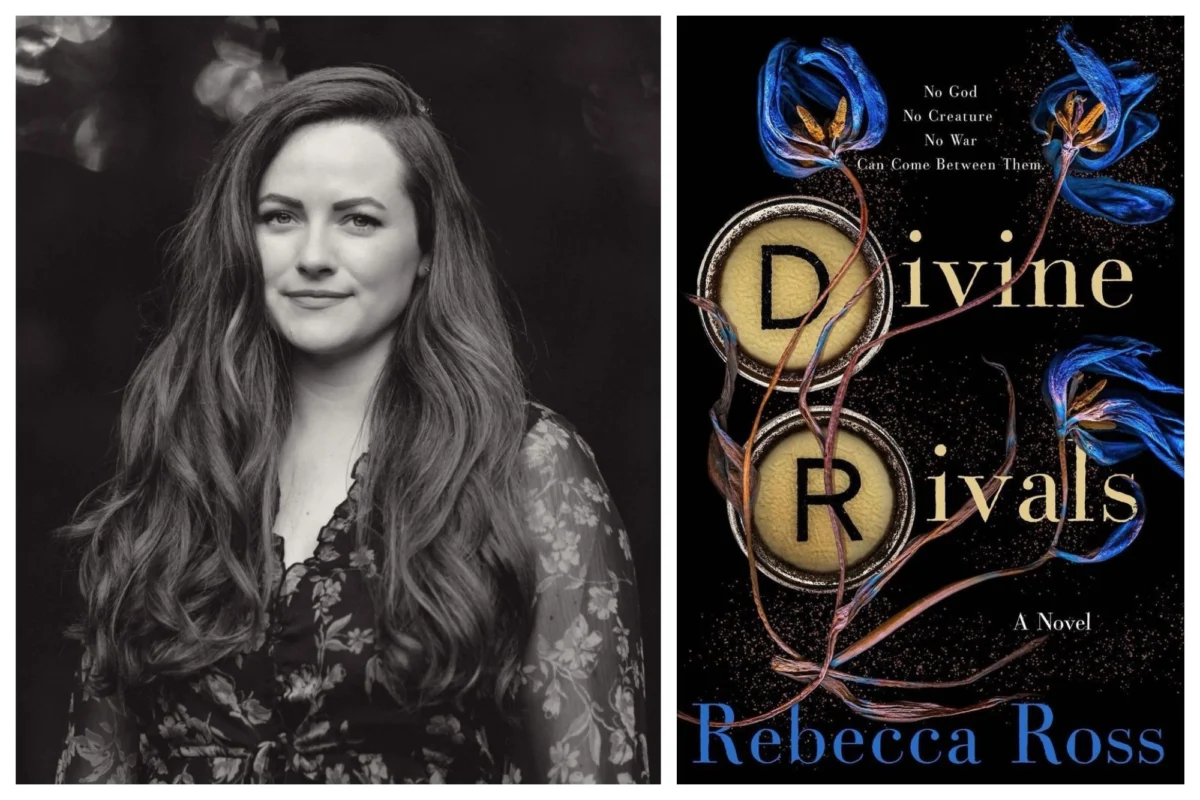
The landscape of young adult (YA) fantasy adaptations has seen a major tectonic shift. In a development that has sent ripples through both the literary and film communities, the high-stakes screen adaptation of Rebecca Ross’s international bestseller, Divine Rivals, has officially transitioned from the offices of Paramount Pictures to the powerhouse studios of Disney. This move, while promising a new trajectory for the beloved fantasy series, marks a significant reset for the project’s creative development.
The Genesis of a Modern Fantasy Phenomenon
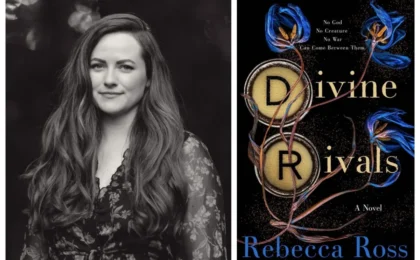
Published in 2023, Divine Rivals captured the imagination of readers globally, selling over one million copies and solidifying Rebecca Ross’s position as a titan of modern fantasy. The novel, set against the backdrop of a brutal, mythological war, follows the story of eighteen-year-old Iris Winnow. Desperate to keep her family together, Iris finds herself competing for a coveted columnist position at the Oath Gazette.
The narrative heart of the story lies in the ethereal connection between Iris and her rival, the enigmatic and aloof Roman Kitt. Their correspondence—conducted through magical, linked typewriters—blossoms into an unlikely romance amidst the encroaching shadows of a war fought by gods and men alike. With its blend of atmospheric historical fantasy, emotional stakes, and a slow-burn romantic tension that has defined the "Romantasy" genre’s recent resurgence, Divine Rivals was an immediate target for major studio acquisition.
A Chronology of Corporate Realignment
The journey of Divine Rivals to the screen has been anything but linear. The project’s history is a case study in the volatile nature of Hollywood development cycles.
The Paramount Era (June 2025 – October 2026)
In June 2025, the industry buzzed with the news that Paramount Pictures had emerged victorious from a fierce, multi-studio bidding war for the rights to the novel. At the time, the project carried significant momentum. Paramount tapped acclaimed writer Sofia Alvarez—famed for her work on the To All the Boys I’ve Loved Before franchise and Man Seeking Woman—to adapt the manuscript. For many fans, Alvarez’s attachment felt like a perfect match, as her ability to capture the nuance of young adult longing and the stakes of burgeoning relationships seemed tailor-made for the emotional core of Ross’s work.
The Corporate Reset (October 2026)
The trajectory of the project stalled in October 2026. Following the monumental merger between Paramount and Skydance, a period of extensive restructuring ensued. During this transition, the film rights to Divine Rivals lapsed, leaving the property in a state of limbo. While the merger consolidated assets and streamlined operations for the new corporate entity, it effectively severed the developmental path that had been carved out over the previous sixteen months.
The Disney Acquisition
In a move that caught industry analysts by surprise, Deadline reported in late October 2026 that the Walt Disney Company had successfully secured the rights to the IP. This acquisition signals a renewed commitment by Disney to bolster its portfolio of high-concept fantasy properties. However, the transition has not been seamless. The deal did not include the retention of the existing creative team; Sofia Alvarez and her initial draft of the script have parted ways with the project. As a result, the adaptation has effectively returned to the drawing board, with Disney now tasked with identifying a new screenwriter to interpret the source material for the screen.
Supporting Data: Why Divine Rivals Matters
The fervor surrounding Divine Rivals is not merely anecdotal; it is backed by a robust commercial performance that underscores the viability of the franchise.
- Global Reach: With over one million copies sold, the novel has maintained a consistent presence on bestseller lists, including the New York Times and USA Today rankings.
- The Sequel Factor: The existence of a completed sequel, Ruthless Vows, provides a clear roadmap for potential franchise longevity. While the current Disney deal appears focused on the first installment, the narrative foundation for a two-film arc is already firmly established.
- Genre Trends: The rise of "Romantasy"—a subgenre that blends high-fantasy world-building with intense romantic subplots—has seen explosive growth in the streaming era. Titles that balance these two elements, such as those adapted from Sarah J. Maas or Rebecca Yarros, have proven that audiences are hungry for high-budget adaptations that treat the "fantasy" and the "romance" with equal gravity.
The Search for a Creative Vision
The departure of Sofia Alvarez leaves a vacuum in the production that is arguably the most critical juncture for Disney. A film’s tone is often set by its screenwriter, and the adaptation of Divine Rivals requires a delicate hand. The source material is defined by its lyrical prose and the contrast between the cozy, domestic atmosphere of the newspaper offices and the visceral, trench-warfare horrors of a god-driven conflict.
Disney’s challenge will be to find a writer who can honor the "magical typewriter" conceit without drifting into high-camp, while simultaneously grounding the war-torn landscape of the frontlines. The film needs to balance the intimate, epistolary relationship between Iris and Roman with the sweeping, epic scale of the conflict between the deities.
Furthermore, the studio must decide on the visual language of the adaptation. Will it lean into the 1940s-inspired aesthetics of the Oath Gazette, or will it modernize the setting to appeal to a broader, contemporary demographic? These are questions that a new screenwriter will have to address from the ground up, effectively rebooting the pre-production phase.
Official Responses and Industry Implications
While Disney has yet to release an official statement regarding a release date or a production start date, industry insiders suggest that the studio is taking a "measured approach." The acquisition of Divine Rivals is viewed by many as part of a broader strategy to capture the lucrative young adult demographic that has increasingly migrated toward platforms like Netflix and Prime Video.
"Disney has always had a knack for long-form storytelling," says entertainment consultant Marcus Thorne. "Acquiring a property with an established, passionate fanbase like the one Rebecca Ross has cultivated is a smart defensive move. But the real test will be whether they can translate that intimacy to a live-action feature without losing the ‘soul’ that made the book a sensation."
The implications for the wider industry are significant. The shift suggests that legacy studios are still willing to spend heavily on established literary intellectual property, even if it means weathering the storms of corporate restructuring. It also highlights the precarious nature of "optioning" rights; a project is never truly "in development" until cameras begin to roll, and even then, nothing is guaranteed in the age of studio consolidation.
Looking Ahead: The Future of the Franchise
For the fans of the series, the news is bittersweet. The loss of the initial script is a setback, but the backing of a studio with Disney’s marketing and distribution reach provides a level of stability that few other companies can offer.
The question remains: will the sequel, Ruthless Vows, be brought into the fold? While the current deal is strictly focused on the first novel, the cinematic success of Divine Rivals would almost certainly trigger an immediate greenlight for the continuation of the story. For now, the focus is on the search for a new screenwriter and the assembly of a production team capable of navigating the complex emotional and fantastical terrain of Ross’s world.
As of late 2026, the project remains in the earliest stages of development. The "magical typewriter" connection between Iris and Roman has been temporarily silenced, but the industry is watching closely to see who will be tasked with bringing their voices back to life. Whether this will result in a faithful, atmospheric drama or a blockbuster spectacle remains to be seen. One thing is certain: the competition for the hearts and minds of the next generation of fantasy audiences is only intensifying, and Divine Rivals stands at the center of that battle.