In an era where digital storefronts have become the absolute gatekeepers of interactive entertainment, the concept of "owning" a video game has become increasingly abstract. Users purchase licenses, not property, often subject to the whims of server shutdowns, publisher licensing agreements, and the inevitable "sunset" of digital platforms. However, a glimmer of resistance is emerging from an unexpected corner of the industry. Marcin Paczynski, the business development and partnerships manager at GOG (Good Old Games), has publicly expressed a desire to return to the roots of PC gaming: the tangible, physical medium.
As major console manufacturers like Sony and Microsoft pivot aggressively toward an all-digital future, GOG’s proposition represents a nostalgic yet radical counter-movement. By aiming to bring physical media back to the PC market, the storefront hopes to champion true consumer ownership and long-term digital preservation.
The Digital Hegemony: A Brief Chronology of PC Gaming’s Shift
To understand the weight of GOG’s ambition, one must first look at the trajectory of the PC gaming industry. Historically, the PC was the first platform to embrace physical distribution, characterized by "Big Box" editions that were as much about the experience of unboxing as the game itself. These boxes often contained thick, glossy manuals, fold-out maps, tech trees, and sometimes even physical trinkets.
The Rise of the Digital Storefront (2003–2010)
The turning point for PC gaming arrived with the launch of Valve’s Steam in 2003. Initially met with skepticism, Steam eventually became the industry standard. Its convenience—instant access, automatic updates, and cloud saves—rendered the physical disc drive an unnecessary relic for many. By the late 2000s, publishers began realizing that digital distribution eliminated the costs of manufacturing, logistics, retail shelf space, and the second-hand market.
The Era of "License, Not Ownership" (2010–2020)
As physical sales dwindled, the industry transitioned to a model where the game was merely a service. The rise of launchers (Epic Games Store, EA App, Ubisoft Connect) further fragmented the ecosystem. During this time, GOG established itself as the "DRM-free" oasis, allowing users to download offline installers, effectively preserving the files locally.
The Current Pivot: Consoles Following Suit (2021–Present)
The current crisis of ownership is no longer confined to the PC. Sony and Microsoft have faced significant backlash for their aggressive moves toward digital-only ecosystems. Sony’s decision to limit physical disc support in newer hardware iterations and Microsoft’s "Disc-to-Digital" initiatives have signaled to consumers that physical media is being phased out. This vacuum in the market has created a unique opportunity for GOG to reintroduce the concept of physical ownership to the platform that abandoned it first.
The GOG Preservation Program: The Foundation for Physical Media
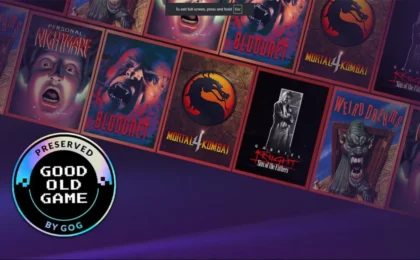
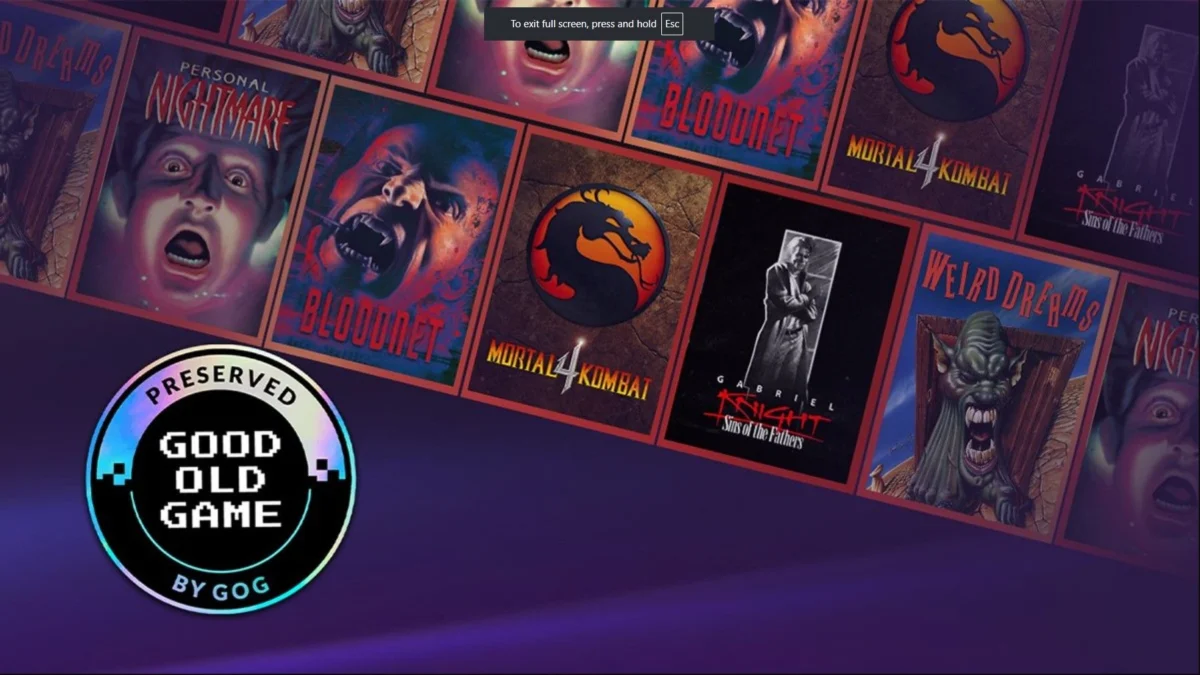
GOG’s interest in physical media is not an isolated initiative; it is an extension of their broader mandate. The GOG Preservation Program has already been instrumental in keeping classic titles alive. As modern operating systems (Windows 10/11) evolve, older titles often break. GOG engineers work tirelessly to patch, wrap, and ensure these titles function on contemporary hardware.
Bringing these games to physical media would be the logical next step. Imagine a "Preservation Edition" of a classic game, sold in a physical box with a high-quality manual, a USB drive containing the DRM-free installer, and perhaps a digital soundtrack. It bridges the gap between the tactile joy of collecting and the technical necessity of modern accessibility.
The Logistics of a Physical Comeback
While the vision is clear, the path forward is fraught with systemic hurdles. Paczynski acknowledges that bringing physical PC games back is not as simple as printing discs.
The Supply Chain Challenge
Modern PCs are increasingly shipping without optical disc drives. A "physical" release today would likely necessitate a modern alternative, such as a high-quality USB flash drive or a unique redemption code printed on a collectible item. Manufacturers must contend with the volatility of physical production costs and the logistics of global distribution.
The Publisher Barrier
The most significant hurdle is the cooperation of game publishers. In the modern era, publishers are wary of the second-hand market, which they cannot monetize. Physical media, by its very nature, can be resold, gifted, or traded—a prospect that many major AAA publishers view as a loss of potential revenue. GOG must convince these entities that a "premium physical" product creates value for the most dedicated fans, rather than cannibalizing digital sales.
Official Stance and Industry Response
In his interview with GamesRadar+, Paczynski highlighted that the primary driver behind this initiative is consumer freedom. "I really hope that we’ll be able to do it," he stated, emphasizing that for GOG, the goal is to provide gamers with something they can truly hold, own, and pass down.
The industry response has been cautious but curious. Many independent developers, who have long sought ways to make their games feel more permanent, have expressed support for the concept. However, major stakeholders remain silent, likely observing whether the "physical nostalgia" trend—seen in the vinyl record revival and the success of "Limited Run" console games—will translate to the PC sector.
Implications: Why Physical Ownership Matters
The drive to bring back physical PC media is not merely an aesthetic choice; it is a political and ethical one.
1. Digital Fragility
The reliance on servers means that if a publisher goes bankrupt or a licensing deal expires, a game can be delisted and rendered unplayable. Physical media provides a "hard copy" of the code that exists independently of a server handshake.
2. The Preservation of History
Video games are a cultural medium, yet we are currently in a "dark age" of preservation. When digital stores close, entire libraries of games vanish. Physical media ensures that even if a storefront ceases to exist, the software remains in the hands of the players.
3. Combatting Anti-Consumer Practices
The "license, not ownership" model allows companies to retroactively change games, remove features, or censor content. By providing an offline, physical version, GOG offers a form of "version control" for the consumer, allowing them to play the game exactly as it was released.
The Future: A Hybrid Reality
The future of PC gaming may not be a complete return to the CD-ROM, but rather a hybrid model. This could involve "Collectors Editions" that offer physical artifacts alongside digital access, or the return of high-quality physical installers for indie classics.
As GOG navigates the complexities of logistics and publisher relations, they are positioning themselves as the only major storefront willing to fight for the rights of the consumer. Whether or not they succeed in making physical PC media a mainstream reality again, the conversation they have sparked is vital. In an increasingly ephemeral digital world, the fight for physical media is, at its core, a fight for the longevity and legitimacy of the gaming medium itself.
If GOG can navigate these logistical waters, they might just save the "Big Box" from the scrapheap of history, ensuring that the next generation of gamers understands that a game is not just a line of code on a server—it is a piece of history that deserves to be held in one’s hands.