Layla Zulfa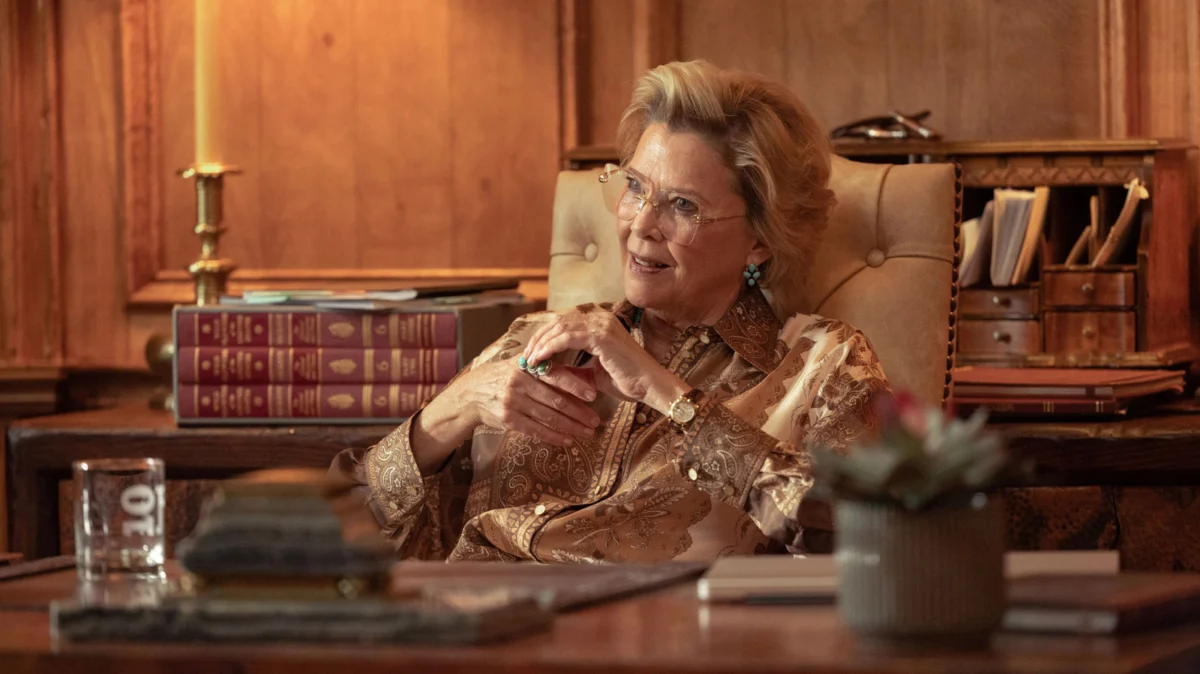
The narrative landscape of Dutton Ranch has shifted dramatically. What began as a sweeping tale of Beth Dutton (Kelly Reilly) and Rip Wheeler (Cole Hauser) relocating to the rugged heart of Texas has evolved into a dense, multi-generational mystery centered on the 10 Petal Ranch. For weeks, the shadow of Mariano Reyes has loomed large over the series, painted by fans and characters alike as a sinister, puppet-master antagonist. However, the release of Episode 7 has shattered this perception, revealing a man defined more by trauma and loyalty than by malice.
Main Facts: A Paradigm Shift in Narrative
For the first six episodes, the audience—and indeed, the characters—were led to believe that Mariano Reyes was the architect of the 10 Petal Ranch’s illicit operations. Following a devastating outbreak of foot-and-mouth disease that decimated the Dutton herd, Rip Wheeler’s offhand suspicion that the infected cattle originated from Mexico cast immediate, localized suspicion on the 10 Petal’s connections.
When Beulah Jackson (Annette Bening), the formidable matriarch of the 10 Petal, was seen taking anxious calls from an elusive "Mariano," the power dynamic within the show seemed clear: Beulah was the face of the operation, but Mariano was the man pulling the strings. Reddit communities and fan forums were quick to label him a cartel operative, a shadowy figure using the ranch as a front for cross-border smuggling. Episode 7, however, has provided the necessary context to dismantle these assumptions, recasting Reyes not as a villain, but as a man burdened by the weight of a violent history.
Chronology: The Anatomy of a Secret
To understand the present-day friction in Dutton Ranch, one must look at the formative years of the 10 Petal hierarchy. Episode 7 utilizes a series of pivotal flashbacks to ground the mystery in reality rather than speculation.
The Night at Billy Bob’s Texas
The episode opens with a window into the past, featuring a 20-something Beulah Jackson navigating the nightlife of Fort Worth. Far from the hardened, intimidating matriarch we know today, this younger Beulah is vulnerable and seeking independence. It is here that we are introduced to a younger Mariano Reyes, portrayed with nuanced restraint by Bobby Soto.
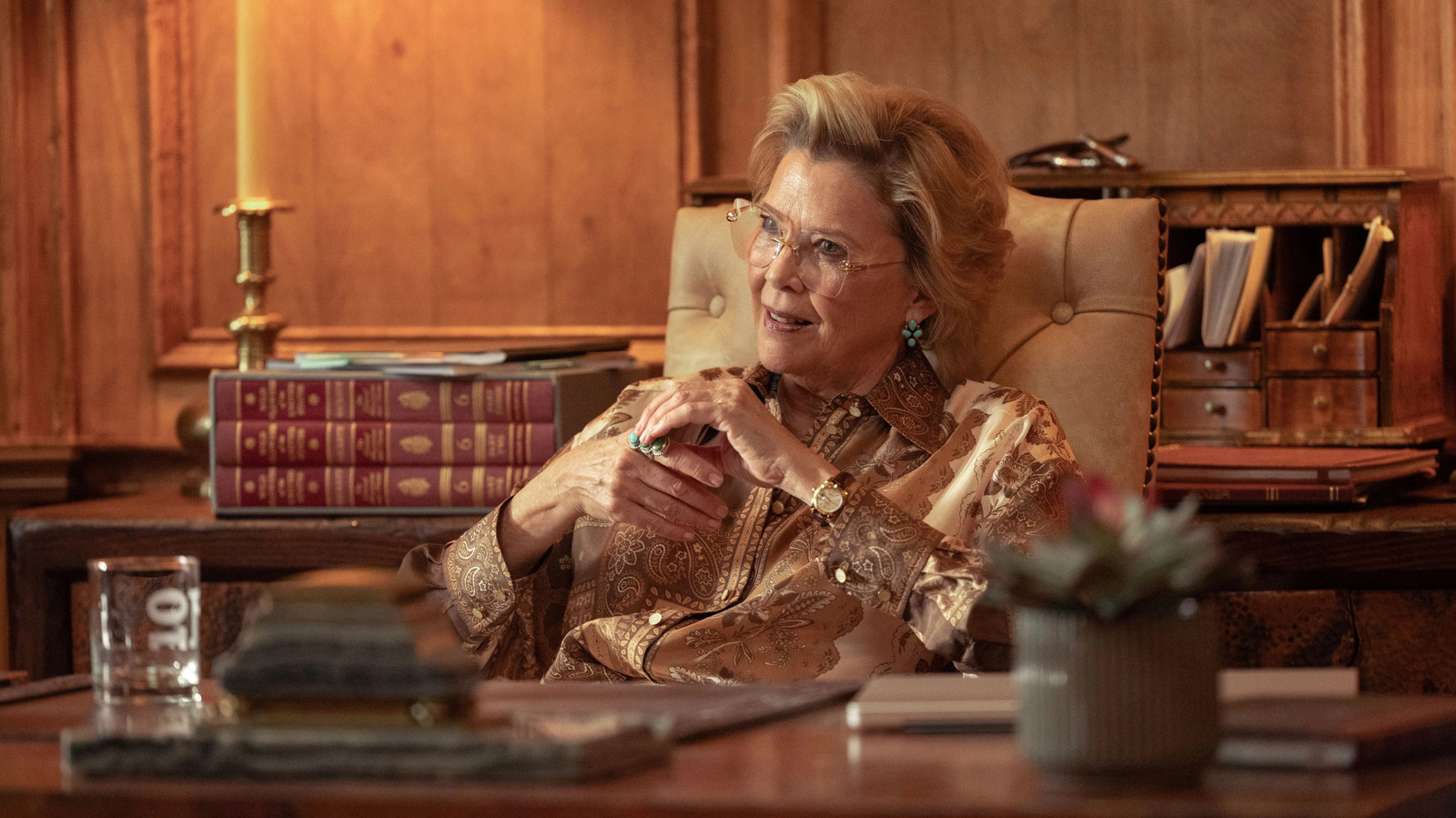
Mariano identifies himself as the "top hand" of the 10 Petal Ranch. In this timeline, there is no malice in his conduct. He is a protector, a man who carries himself with the quiet dignity of a seasoned rancher. When Beulah encounters a man named Luke (Cameron Cowperthwaite), a dangerous individual who lures her away, it is Mariano who instinctively senses something is wrong.
The Turning Point: Violence and Vows
The narrative momentum shifts when Mariano discovers Beulah by the side of a road, physically assaulted and traumatized by Luke. Rather than abandoning her or using the incident for leverage—the behavior one would expect from a "villain"—Mariano becomes a co-conspirator in a delicate cover-up. They agree to fabricate a story to shield Beulah from the wrath of her father. This moment marks the genesis of their bond: a mutual pact forged in the crucible of trauma.
The second half of the flashback sequence offers a grim resolution to this subplot. Beulah drives to Luke’s home with the intent of revealing her pregnancy—a child who would eventually be identified as the modern-day Rob-Will Jackson. In a shocking turn, Beulah executes Luke. Mariano, watching from the vehicle, is visibly shaken, not because he is a cold-blooded criminal, but because he is witnessing the total transformation of a woman he was sworn to protect.
Supporting Data: The Reyes Family Dynamic
The revelation that Mariano shares a last name with Joaquin Reyes (Juan Pablo Raba), Beulah’s adopted son, was the primary catalyst for the "cartel villain" theory. Viewers assumed that the shared name indicated a biological connection that also served as a leverage point for extortion.
However, the events of Episode 7 suggest a more poignant, if complicated, reality. If Joaquin is indeed the biological son of Beulah and Mariano—conceived from the trust and proximity born of their shared secret—the power dynamic within the 10 Petal becomes a story of legacy rather than criminality.
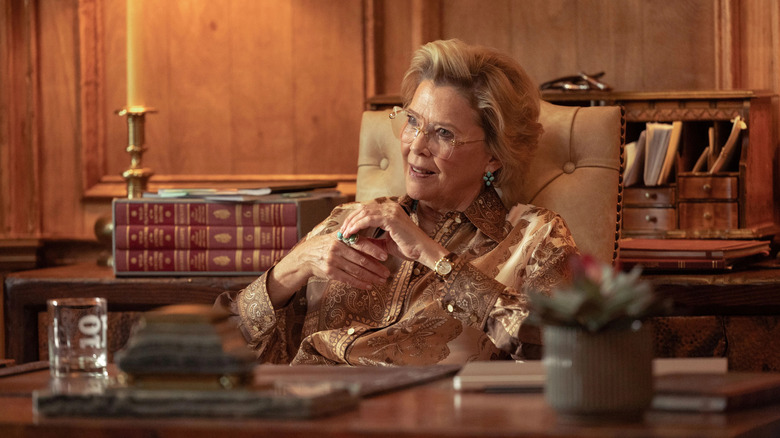
Modern-day Beulah’s preference for Joaquin over the unstable, blackmailing Rob-Will makes profound sense under this light. She is not merely choosing an heir; she is choosing the product of her one true ally, a man who knows her darkest secret and chose to bury it alongside her.
Official Responses and Creative Direction
The showrunners of Dutton Ranch have been notoriously tight-lipped regarding the series’ endgame, but the stylistic choices in Episode 7 suggest a deliberate effort to pivot away from "villain-of-the-week" tropes. By humanizing Mariano Reyes, the production team is challenging the audience’s biases, forcing them to reconsider the morality of every character.
In interviews, the creative team has emphasized that Dutton Ranch is less about the binary of "good vs. evil" and more about the "cost of holding land." The shift in Mariano’s characterization serves as a critique of how the Duttons and Jacksons view those who work for them—often as tools to be used or obstacles to be removed, rather than people with histories, pains, and loyalties.
Implications: The Future of 10 Petal Ranch
As we look toward the final episodes of the season, the status of the 10 Petal Ranch is in flux. Rob-Will Jackson has successfully blackmailed his way into the head of the operation, a development that stands in direct opposition to the legacy Beulah likely envisioned for Joaquin.
The Potential Return of the Protector
Mariano’s current whereabouts remain a mystery, but his sudden, ominous phone calls to Beulah in the present day take on a new meaning. Is he threatening her, or is he attempting to pull her back from the brink of total self-destruction? If Mariano is indeed the man we saw in the flashbacks—loyal, protective, and morally grounded—his potential return could signal the downfall of Rob-Will.
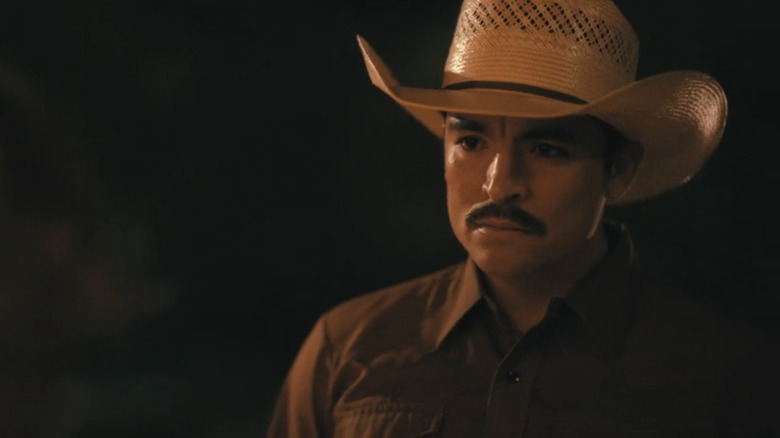
A Shift in Power
The tension between the Duttons and the 10 Petal is reaching a boiling point. With the truth about the death of Luke and the potential parentage of Joaquin now hanging over the narrative, the board is set for a massive confrontation. If Mariano acts as a catalyst for justice, he may well become the savior of the very ranch he was once accused of destroying.
Conclusion: A Nuanced Masterpiece
Dutton Ranch has proven once again that it is not content to tread the familiar paths of Western melodrama. By complicating the character of Mariano Reyes, the writers have elevated the stakes, transforming a predictable antagonist into a tragic figure whose presence informs the series’ most critical mysteries.
As the story continues, the audience must grapple with a central, uncomfortable truth: in the world of the ranch, the people we label as villains are often just the ones who have been forced to carry the heaviest burdens. Whether Mariano Reyes will emerge as a hero or simply a witness to the final collapse of the Jackson dynasty remains to be seen, but one thing is certain—the mystery of the 10 Petal Ranch is far from over.


 Asro
Asro
 Basiran