In the evolving landscape of cinematic criticism, the concept of a "canon" is increasingly viewed as a living, breathing entity rather than a static monument. While the Academy of Motion Picture Arts and Sciences remains a primary arbiter of prestige, the public’s relationship with film history has shifted toward a more participatory dialogue. We no longer look to institutions solely for decrees, but for milestones—reference points that help us navigate our own evolving tastes.
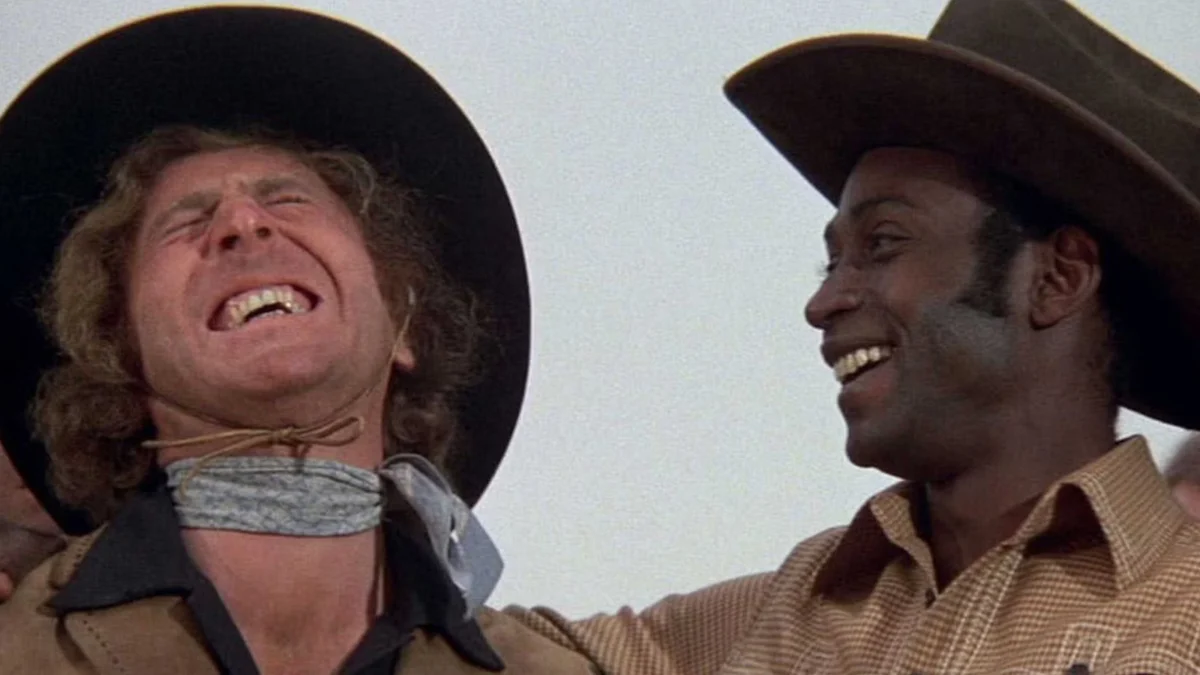
However, there is an inherent weight to the American Film Institute’s (AFI) pronouncements. When the AFI speaks, the industry listens. In a historic "honorary reorganization" of its landmark "100 Years…100 Laughs" list—a definitive ranking of American comedy originally published in June 2000—the Institute has officially declared Mel Brooks’ 1974 Western spoof, Blazing Saddles, to be the funniest film ever made. This elevation marks a significant departure from the original list, which had placed Billy Wilder’s Some Like It Hot at the pinnacle, with Blazing Saddles trailing at number six.
A Centennial Tribute: The Context of the Change
The impetus for this historic revision is as celebratory as it is academic. On June 28, 2026, the legendary filmmaker and comedian Mel Brooks celebrated his 100th birthday. To mark this monumental milestone, the AFI elected to revisit its comedy rankings, acknowledging a career that has defined the very parameters of American humor for nearly a century.
The move is not merely a bureaucratic shift but a nod to the long-standing, playful contention between the filmmaker and the institution. Brooks has, for decades, famously "kvetched" that his satiric masterpiece was vastly superior to the rankings assigned to it by the AFI’s blue-ribbon panels. In an official press release acknowledging the change, AFI President and CEO Bob Gazzale finally yielded to the director’s persistent lobbying, succinctly stating, "He’s right!"
This decision highlights a rare moment where an institution’s canon has caught up to the prevailing public sentiment, acknowledging that Blazing Saddles—a film that remains as sharp, anarchic, and relevant today as it was upon its release—serves as the ultimate benchmark for comedic achievement.
A Chronology of Comedy: From 2000 to 2026
To understand the magnitude of this decision, one must look at the history of the "100 Years…100 Laughs" list. When the AFI first unveiled the list in the summer of 2000, it was a sweeping attempt to capture the breadth of American comedy, spanning the silent era of Charlie Chaplin and Buster Keaton to the screwball classics of the 1930s and 40s.
Some Like It Hot (1959), a film often cited for its perfect pacing and legendary performances by Marilyn Monroe, Jack Lemmon, and Tony Curtis, was the undisputed champion of that era. For twenty-six years, that list remained the gold standard for film historians and cinephiles alike. However, as the 21st century progressed, the cultural staying power of Blazing Saddles became undeniable.
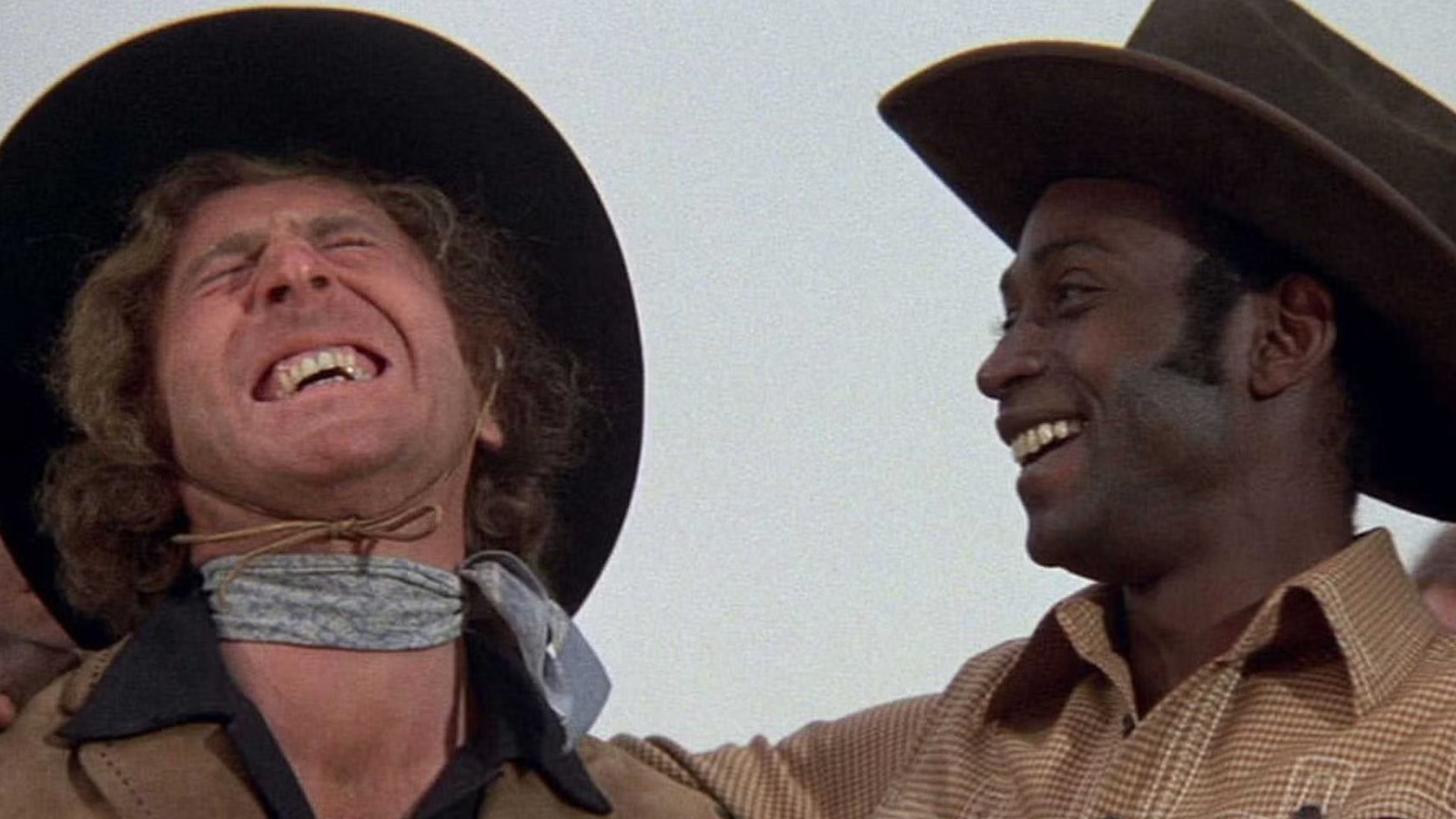
While other films from the original top ten have seen their influence fluctuate, Blazing Saddles has only gained momentum. Its ability to transcend its era—moving from a niche genre parody to a cultural touchstone that manages to lampoon American racism, corporate greed, and the tropes of Hollywood filmmaking simultaneously—has solidified its place at the top of the cultural hierarchy. The decision to reorder the list in 2026 is, in effect, a formal recognition that the film has achieved a status of permanent, unassailable relevance.
The Dominance of Mel Brooks: An Unmatched Statistical Feat
While the elevation of Blazing Saddles is the headline, the broader statistical reality of the AFI’s list serves to underscore Mel Brooks’ singular importance to the medium. Even before this reorganization, Brooks occupied a unique tier of comedic genius.
A review of the top 15 films on the "100 Years…100 Laughs" list reveals that Brooks is the only filmmaker to hold three distinct positions within the highest echelon of the ranking:
- Blazing Saddles (1974) – Now #1
- The Producers (1967) – #11
- Young Frankenstein (1974) – #13
This density of excellence is unprecedented. While other directors like Charlie Chaplin, Preston Sturges, and Billy Wilder have multiple films on the broader list of 100, no other creative force has managed to place three separate works within the top 15. This suggests that the AFI’s recent decision was not a difficult choice, but rather a reflection of an internal consistency that had existed within the list’s own data all along. By moving Blazing Saddles to the top spot, the AFI has effectively aligned its ranking with the reality of Brooks’ career-long contribution to the comedic canon.
Anatomy of a Masterpiece: Why Blazing Saddles Persists
What makes Blazing Saddles the definitive "funniest film"? Critics have long pointed to the film’s "smorgasbord" approach to comedy. It is not merely a spoof; it is a structural deconstruction of the Western genre.
The Power of Social Satire
At its core, Blazing Saddles uses the language of the Western—the black-and-white morality of the frontier—to expose the absurdity of bigotry. By casting a Black sheriff (Cleavon Little) in a town populated by bigoted archetypes, Brooks forces the audience to confront the stupidity of hate. This social commentary is not a separate element from the humor; it is the engine that drives it.
Vaudeville and New Hollywood
The film serves as a bridge between two eras of American entertainment. It employs the punchy, vaudevillian timing of Brooks’ background in television and variety shows, yet it embraces the meta-textual, cynical spirit of "New Hollywood." The film’s famous finale—which sees the action spill out of the movie set and onto the streets of Los Angeles—remains one of the most daring experiments in fourth-wall breaking ever attempted in a major studio comedy.
The Endurance of the Gag
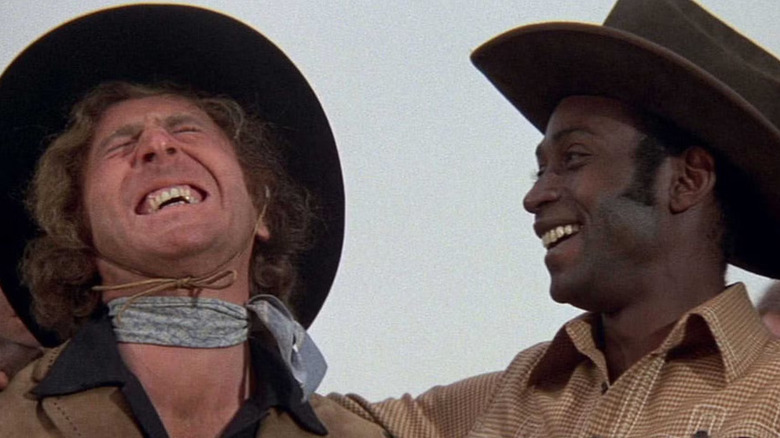
Beyond its intellect, the film is relentlessly funny. From the iconic campfire sequence to the surreal musical numbers and the sheer audacity of its dialogue, the film operates on a frequency that refuses to age. It captures a moment in American cinema where the studio system was being challenged, and the result was a chaotic, beautiful, and deeply hilarious triumph.
Official Responses and Industry Implications
The reaction from the industry has been one of overwhelming consensus. In an era where "cancel culture" and evolving social sensitivities often lead to the re-evaluation of older works, Blazing Saddles has managed to survive the scrutiny precisely because its targets—the racists, the corrupt politicians, and the narrow-minded—are the ones being mocked, not the marginalized.
AFI’s decision to elevate the film serves as an important signal to the industry: comedy that takes risks, even those that seem "dangerous" or "unrefined," can hold the highest level of artistic merit. It validates the idea that humor is a tool for exposing societal rot, and that the best comedy is that which refuses to play it safe.
Conclusion: A Legacy for the Next Century
As Mel Brooks celebrates his 100th year, the news of his film’s coronation as the funniest of all time feels like a perfect coda to a century of laughter. Yet, for Brooks, it is clearly not the end. With his upcoming project, Spaceballs: The New One, currently in production for an April release, the director continues to defy both his age and the expectations of the industry.
The AFI’s honorary reorganization is more than a list change; it is a testament to the fact that great art is never finished. As society changes, our appreciation of the classics shifts, and our understanding of what constitutes "greatness" evolves. Blazing Saddles has earned its new place at the top of the mountain not just because it is funny, but because it is an essential part of the American experience. Here is to Mel Brooks, and here is to the timeless, enduring power of the joke. As the AFI has signaled, we are all just living in the world that Blazing Saddles helped to define.