

The landscape of modern cinema is undergoing a seismic shift, and the epicenter is not located in the storied backlots of Burbank or the boardrooms of Manhattan, but rather on the servers of YouTube. This weekend, the domestic box office has been conquered by a new generation of filmmakers who bypassed traditional film school paths in favor of digital audiences, algorithmic mastery, and viral storytelling. As traditional studios grapple with audience fragmentation, the "YouTube-to-prestige-horror" pipeline has emerged as the most reliable force in the industry, proving that the future of the silver screen is being forged by creators who built their craft in the comments sections and on home-edited timelines.
The Rise of the Digital Auteur: A New Box Office Paradigm
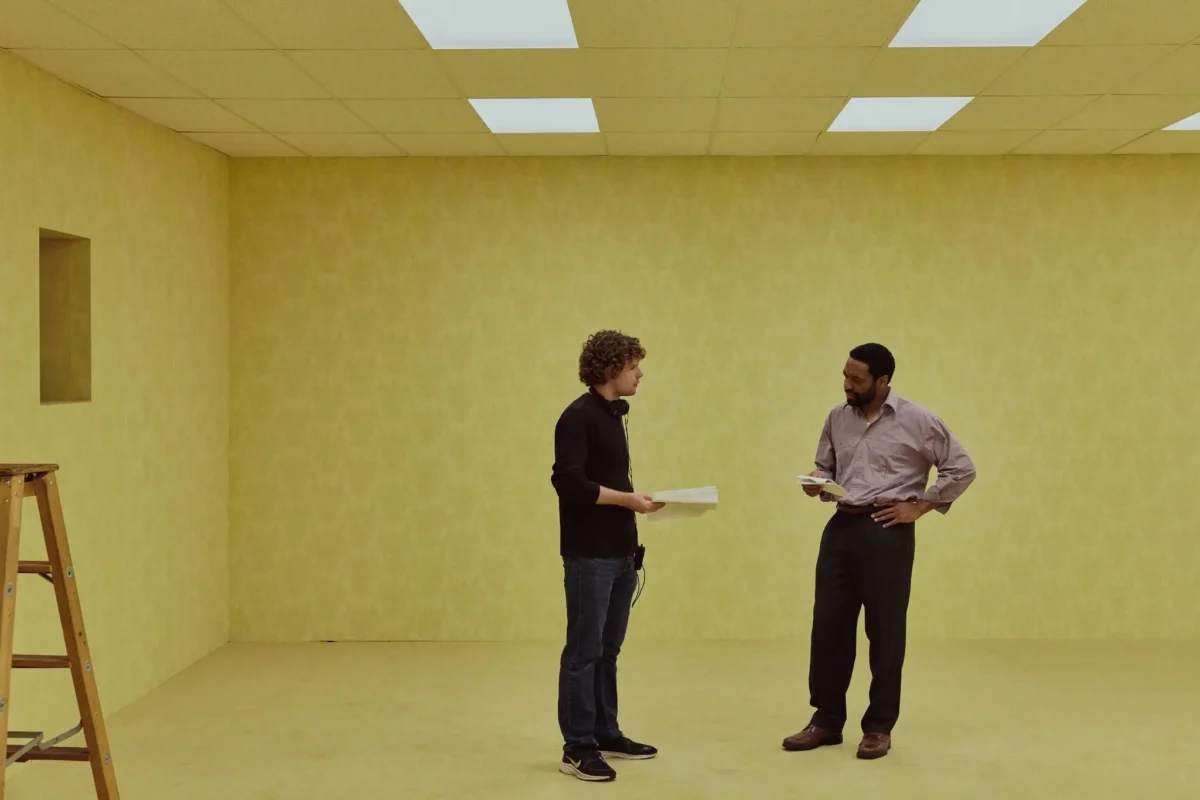
The current box office charts tell a story of a changing of the guard. Sitting firmly at the number one spot is Backrooms, a feature-length expansion of Kane Parsons’ viral YouTube series. The film, which explores a liminal, physics-defying office space born from a 2019 4chan thread, has captured the cultural zeitgeist with an unprecedented opening. Directed by Parsons, the project brought in $38 million on Friday alone and is currently tracking for an opening weekend haul between $80 million and $90 million.
For A24, the studio known for its high-brow, prestige-leaning portfolio, this represents a monumental victory. Backrooms has shattered the studio’s previous opening record of $25.7 million, held by Alex Garland’s Civil War. This isn’t just a success; it is a validation of a new business model that prioritizes established digital intellectual property and the pre-existing, hyper-engaged fanbases that follow these creators.
Chronology of a Digital Takeover
The path to this weekend’s dominance was paved by a series of incremental successes that the industry initially underestimated. The trend began in earnest with the release of Iron Lung, a video game adaptation directed by Mark Fischbach—better known to his millions of followers as Markiplier. By translating his intimate, high-energy gaming commentary style into a tense, claustrophobic horror experience, Fischbach demonstrated that a transition from creator to director was not only possible but commercially viable. Iron Lung grossed nearly $41 million domestically, a figure that signaled to major studios that these digital creators were not merely "influencers," but legitimate directors with an intuitive understanding of audience engagement.
Following this, Curry Barker, who gained massive acclaim for his 2024 YouTube horror hit Milk & Serial, proved that the "found footage" aesthetic could be elevated into a cinematic language that resonates with modern viewers. His film Obsession, a psychological horror tale about a romantic fixation spiraling into madness, has become a statistical anomaly in the history of cinema. While many wide-release films experience a 50 to 70 percent drop in their second weekend, Obsession has defied the laws of box office gravity. After an $8 million Friday, it secured an estimated $28.5 million weekend. Most remarkably, the film earned more in its second weekend than its first, and projections indicate it will grow another 19 percent in its third weekend.
According to reports from The Hollywood Reporter, Obsession is the first film since 1982 to experience growth on both its second and third weekends—a feat typically reserved only for legacy holiday blockbusters, not mid-budget horror films.
Supporting Data: Why The Algorithm Beats the Boardroom
The data suggests that these creators possess a unique advantage: they are not guessing what audiences want; they have been listening to them for years. Traditional film production often suffers from a disconnect between the development phase and the release. In contrast, creators like Parsons and Barker have utilized the "YouTube laboratory." They have spent years A/B testing scares, pacing, and visual tropes, receiving instant feedback from millions of viewers.
This "longevity" factor is crucial. As Mark DelVecchio, general manager of Rutgers Cinema, noted in a recent New York Times analysis, the industry has seen many YouTubers attempt the leap to mainstream features and fail. The ones who succeed, however, are those who have spent years honing a consistent voice.
"At this point, some of them have been making videos for a very long time, and that’s how you develop a loyal audience that will follow you," DelVecchio stated. It is this loyalty that transforms a standard moviegoer into a brand evangelist. When a creator like Markiplier or Kane Parsons releases a film, it is not a "cold" launch; it is an event supported by a community that feels a sense of ownership over the project’s success.
Official Responses and Industry Implications
The industry response to this shift has been a mix of cautious observation and aggressive acquisition. Major studios are now actively scouting YouTube channels for "proven concepts" that can be scaled into feature films. However, the success of these films is also creating tension regarding the role of the traditional studio. If a creator can build a million-dollar brand with a laptop and a camera, what is the role of the traditional production house?
Currently, the consensus among analysts is that the studio’s value has shifted from "creative control" to "distribution and scale." A24’s involvement in Backrooms provided the professional infrastructure—marketing, theatrical distribution, and sound design—that elevated Parsons’ vision from a YouTube clip to a multiplex powerhouse.
The implications for the future are profound. We are likely to see an increase in "YouTube-to-Cinema" deals. Curry Barker, for instance, has already wrapped production on his next feature and is slated to helm a high-profile remake of the classic The Texas Chainsaw Massacre. This move suggests that studios are no longer looking to these creators just for their viral potential, but for their ability to manage legacy intellectual property with a modern, internet-native sensibility.
The Human Element: A Viewer’s Perspective
Beyond the box office receipts and the algorithmic metrics, there is the undeniable human experience of these films. Having personally screened Obsession, I can confirm that the hype is warranted. There is a distinct, visceral quality to the storytelling employed by these creators. They understand that in the age of the smartphone, the most effective horror is that which feels "found" or "real."
During the viewing of Obsession, the audience reaction was palpable. The pacing, which mimics the erratic and intense rhythm of a digital-first creator, kept the theater in a state of high tension. It was not a traditional Hollywood structure; it was a modern, digital-first experience that, for lack of a better term, worked.
Conclusion: The New Frontier of Horror
The success of Backrooms and Obsession is a watershed moment for the entertainment industry. It signals the end of the era where "online video" was considered a lower tier of content production. Today, the most effective, profitable, and culturally relevant horror cinema is being built by the very people who defined the last decade of YouTube.
As we look toward the remainder of the year, the question is no longer whether YouTube creators can make the leap to the big screen, but rather how much of the multiplex they will eventually occupy. With their built-in audiences, low-risk development cycles, and an innate understanding of what keeps a modern viewer engaged, the "YouTube-to-prestige-horror" pipeline is likely to remain the most powerful force in Hollywood for the foreseeable future.
The gatekeepers have changed. The audience has spoken. And if this weekend is any indication, they are ready for whatever the next viral sensation has in store.












No comments yet. Be the first to join the conversation!