Nila Kartika Wati
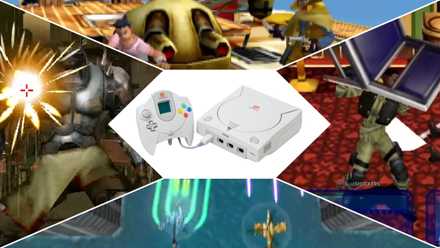
Every gaming console acts as a technological and cultural snapshot, capturing the aesthetic sensibilities of its era while daring to peer into the possibilities of the future. The Sega Dreamcast, though notoriously short-lived, remains one of the most beloved and underappreciated pieces of hardware in industry history. Released during a period of transition, it served as a bridge between the pixelated charm of the 32-bit generation and the high-fidelity, online-connected future of the 2000s.
While many gamers rightfully associate the Dreamcast with the survival horror masterclass Resident Evil – Code: Veronica or its arcade-perfect ports, the system was a hidden powerhouse for the Japanese Role-Playing Game (JRPG) genre. From swashbuckling adventures in the clouds to early, experimental forays into the world of MMORPGs, the Dreamcast library offered a collection of titles that were as eclectic as they were addictive.
A Chronology of Innovation: The JRPG Landscape of the Dreamcast
The Dreamcast’s lifespan was brief, yet its output was remarkably dense. As Sega pushed to establish its platform as the premier choice for power users, developers leaned into the console’s unique architecture to deliver experiences that were often ahead of their time.
8. Time Stalkers (1999)
Time Stalkers stands as a testament to the "weird and wonderful" nature of late-90s game design. Developed by Climax Action, it functioned as a crossover event for various Climax-developed properties, featuring cameos from the Landstalker and Shining series. With mechanics involving time travel, monster catching, and randomized dungeon layouts, it was a bold experiment in genre-blending. While it was hampered by somewhat generic visuals, its narrative—which centered on a hero named Sword navigating a fractured reality—remains a fascinating, if flawed, piece of history.

7. Evolution 2: Far Off Promise (1999)
Sting Entertainment is now legendary for its challenging, tactical JRPGs like Knights in the Nightmare, but in 1999, they aimed for accessibility with Evolution 2. Picking up shortly after the first installment, this dungeon crawler offered a more approachable experience for genre newcomers. Despite its relative brevity, the story of Yurka, an artificial life form grappling with existential themes, provided a surprising amount of emotional depth, proving that a JRPG didn’t need to be 100 hours long to be meaningful.
6. Elemental Gimmick Gear (1999)
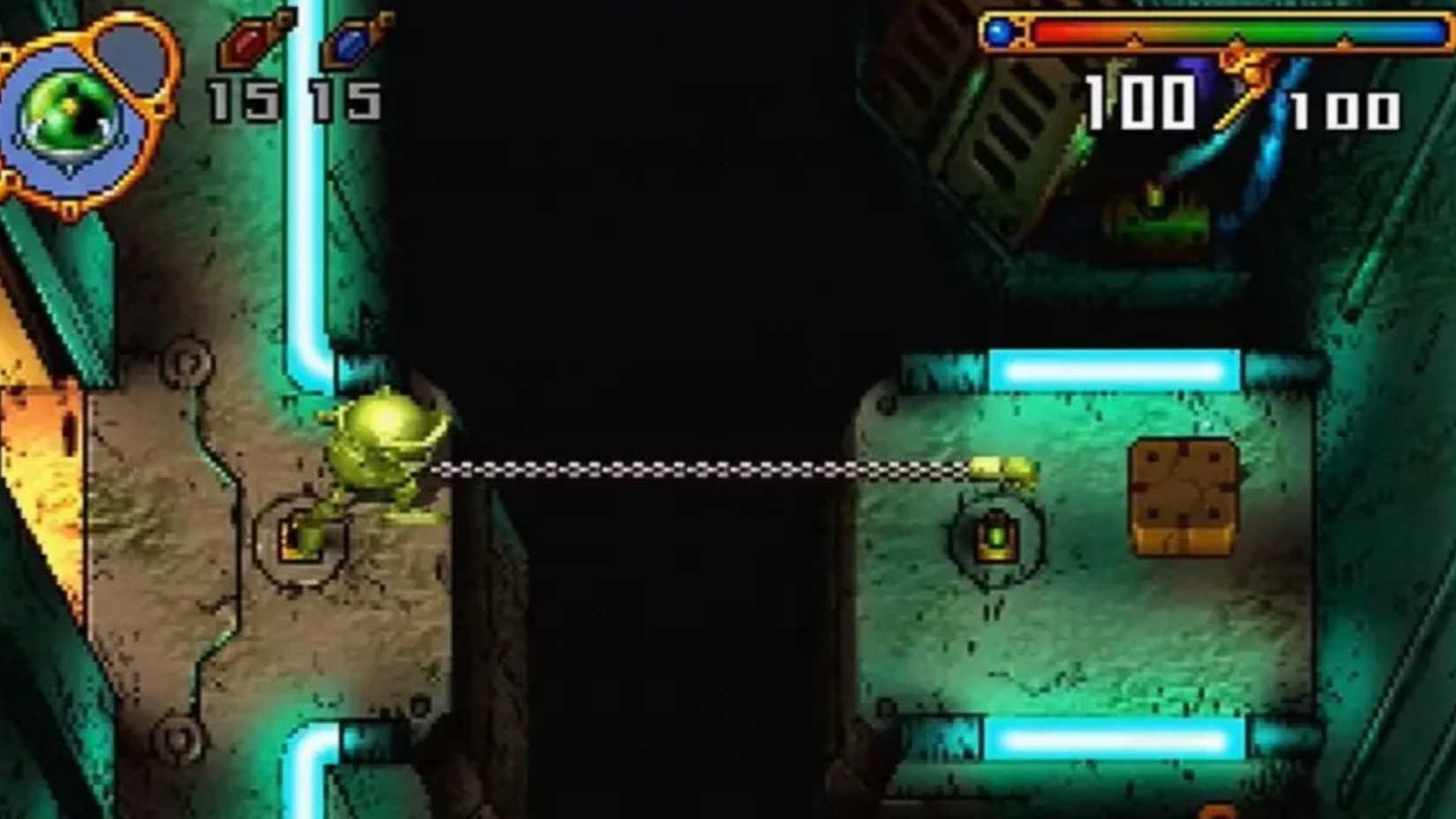
A collaborative effort between Hudson Soft and developer Birthday, Elemental Gimmick Gear (E.G.G.) remains one of the most visually distinct titles on the platform. Players controlled an egg-shaped robot in a world defined by mysterious ruins and intricate puzzles. Its success relied on a seamless transition between 2D hand-drawn art, top-down exploration, and 3D combat. Much like the Zelda series, it required a high level of environmental awareness, punctuated by challenging boss encounters that demanded precise timing.
5. Record of Lodoss War: Advent of Cardice (2001)
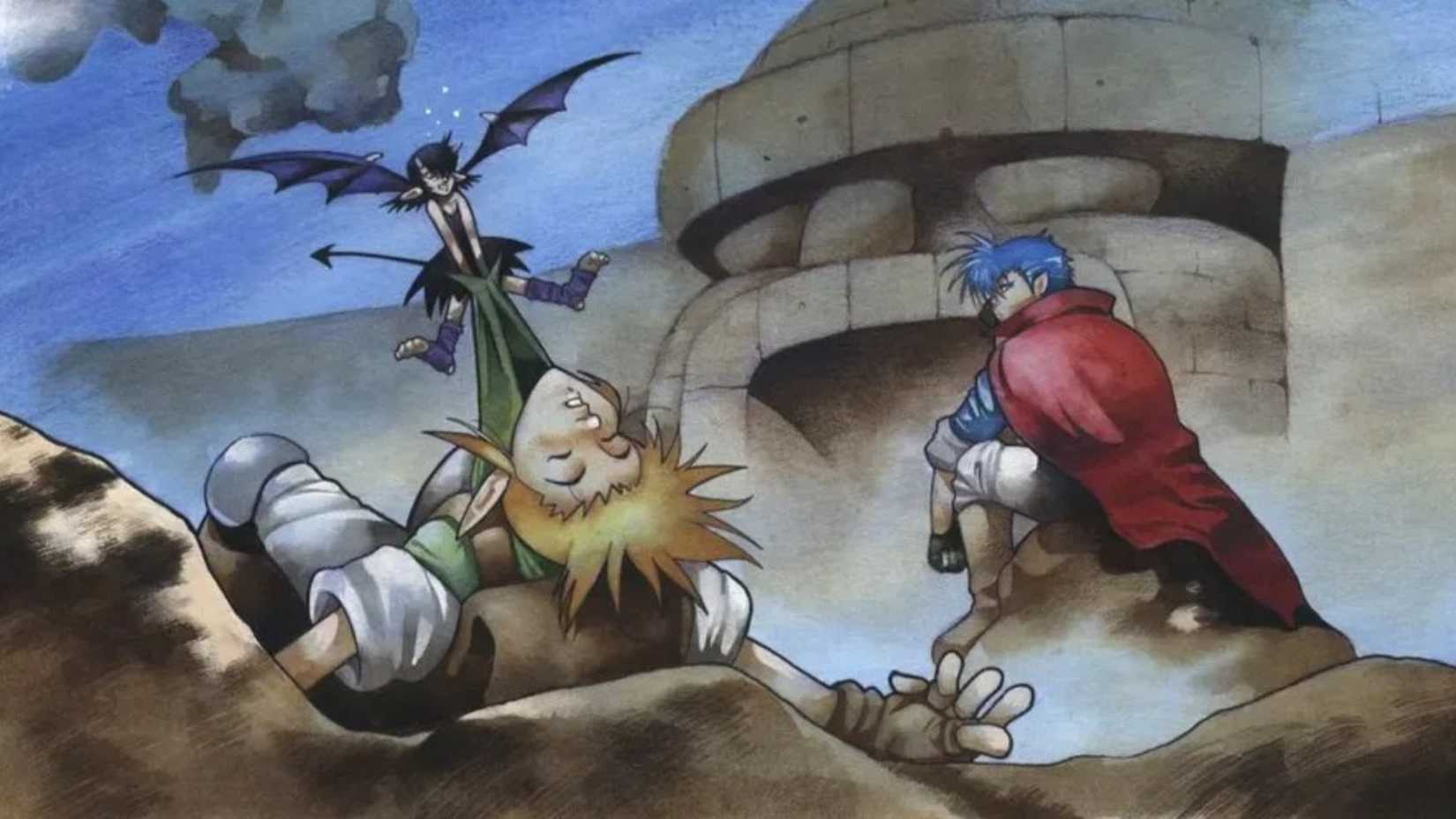
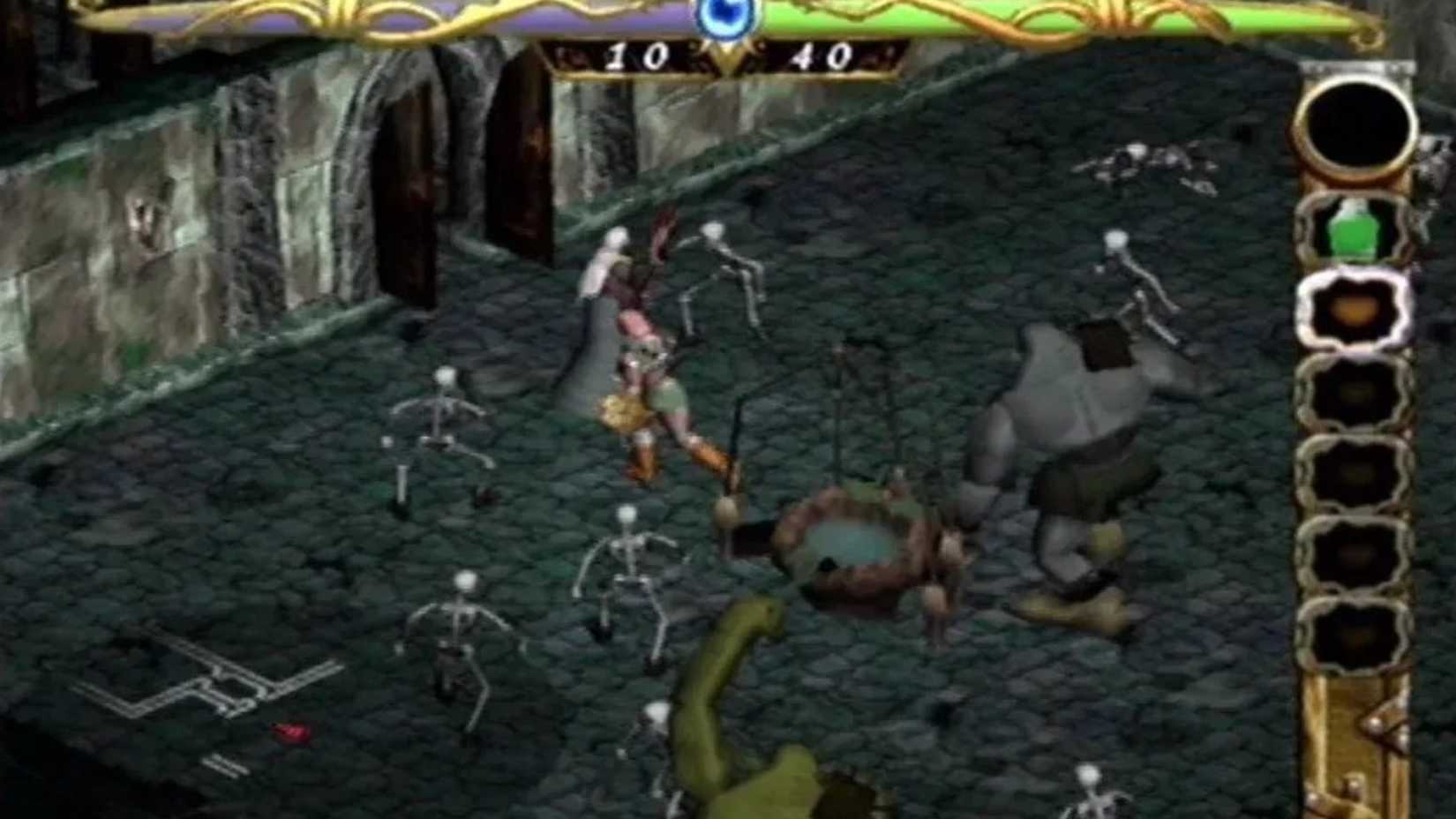
For those who prefer their fantasy with a darker, grittier edge, Record of Lodoss War: Advent of Cardice provided a unique spin on the genre. While it drew from the Lodoss War anime aesthetic, its gameplay was distinctly inspired by the PC hit Diablo. This was a game of loot, grind, and magical infusion. Tasked with defeating the goddess of destruction, players found that success was entirely dependent on their ability to optimize gear and spells. It remains a standout example of how Western action-RPG design could be successfully adapted by Japanese developers.
4. Culdcept Second (2001)
Culdcept is a series that defies simple classification, acting as a hybrid of a collectible card game, a tactical board game, and a traditional JRPG. Culdcept Second was originally a Japan-exclusive release on the Dreamcast, but its impact on the franchise is undeniable. The premise—a Cepter fighting to prevent a clan member from ascending to godhood—is secondary to the sheer addictiveness of the gameplay loop. With bold card art and deep strategic deck-building, it paved the way for future titles like Culdcept Revolt and the anticipated Culdcept BEGINS.
3. Phantasy Star Online (2000)
Perhaps the most significant title on this list, Phantasy Star Online (PSO) changed the console landscape forever. Developed by Sonic Team, it introduced the concept of online multiplayer to a home console audience. While modern gamers are accustomed to persistent worlds, the experience of exploring the planet Ragol with three friends in real-time was, at the turn of the millennium, a revelation. Despite some stability issues with the music and a sparse single-player mode, PSO proved that the console could be an entry point for global, connected gaming.
2. Grandia II (2000)
The Grandia series is often overshadowed by titans like Final Fantasy, but Grandia II makes a compelling case for being the best turn-based RPG of its generation. With a refined combat system, a sprawling narrative involving the dark god Valmar, and an unforgettable cast of characters, it showcased exactly what the Dreamcast was capable of. While it saw multiple ports to other systems, the original Dreamcast release remains the definitive way to experience Ryudo’s journey.
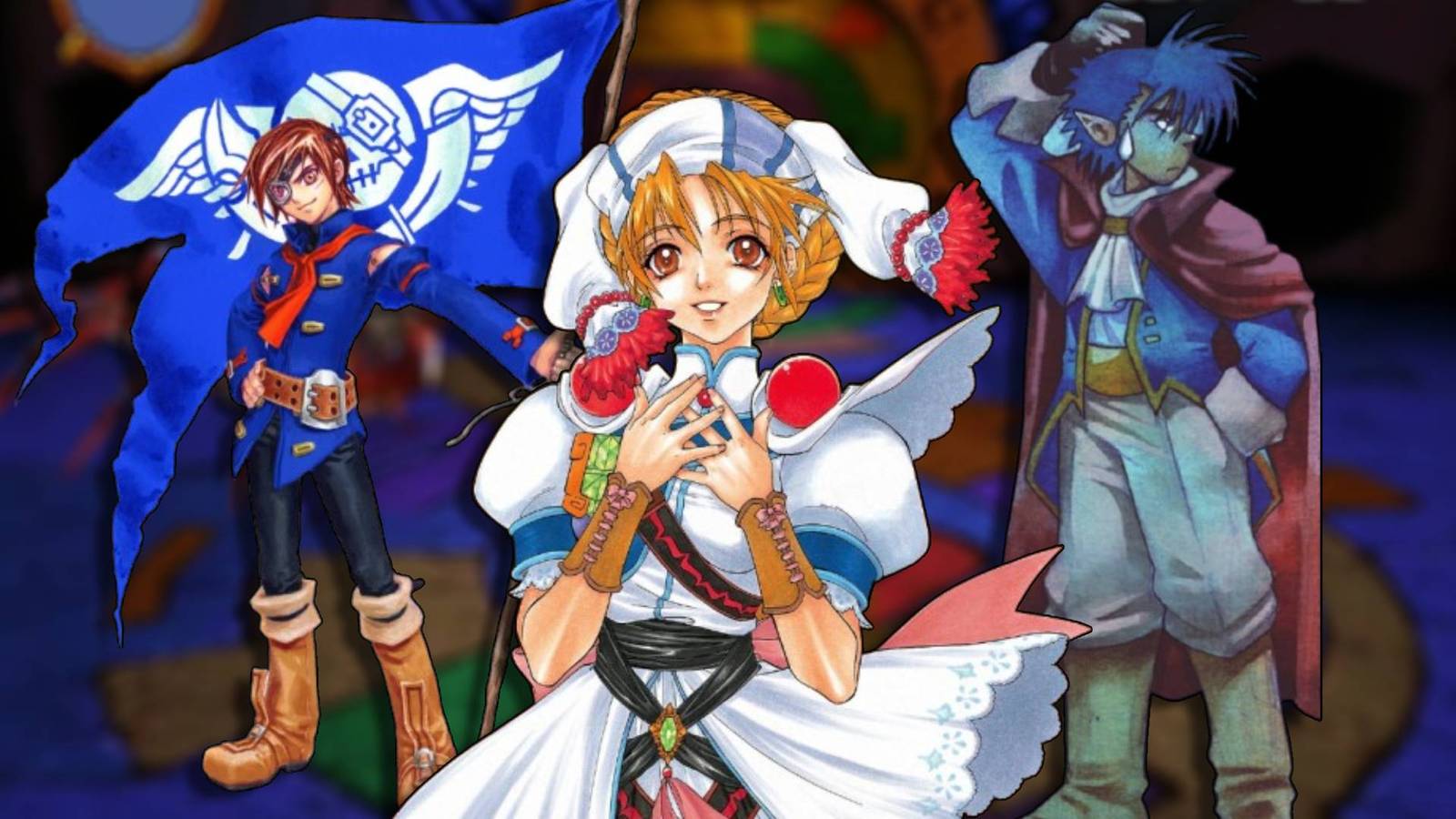
1. Skies of Arcadia (2000)
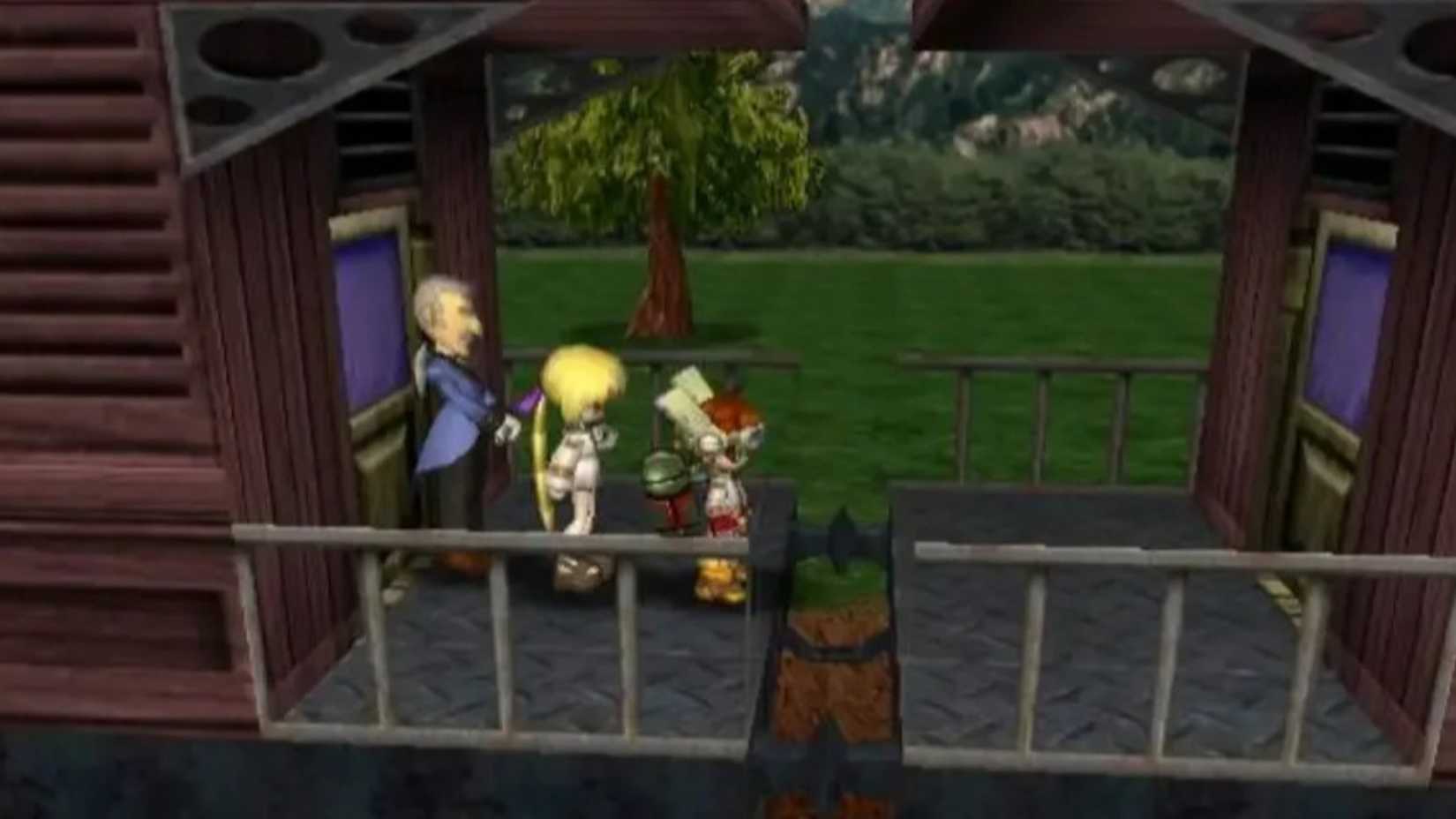
Topping the list is the quintessential pirate adventure, Skies of Arcadia. It captures the spirit of exploration better than almost any other game in the genre. As a member of the Blue Rogues, players pilot airships through a world of floating islands, hunting for Moon Crystals and challenging the imperial forces. Its turn-based mechanics are solid, but the true brilliance lies in the world-building and the sheer sense of scale. Even decades later, it stands as an example of world-class game design that demands a modern remake.
Supporting Data: Why These Games Still Matter
The enduring legacy of the Dreamcast’s JRPG library can be attributed to several factors, including the console’s unique "VMU" (Visual Memory Unit) that allowed for off-screen interaction, and the technical leap that enabled more expressive, 3D character models than the PlayStation 1.
According to community metrics and "How Long To Beat" data, these titles were remarkably focused. While the modern industry trends toward massive, bloated open worlds, these Dreamcast titles typically offered 20- to 45-hour experiences that respected the player’s time. Phantasy Star Online stands as the outlier, providing hundreds of hours of replayability, which acted as a precursor to the "Game as a Service" model that dominates the industry today.
Official Industry Perspective
Industry analysts often point to the Dreamcast as a "what could have been" scenario. During the turn of the century, Sega was in a difficult financial position, competing against the PlayStation 2’s built-in DVD player and the impending arrival of the Nintendo GameCube and Microsoft Xbox.
"The Dreamcast was a console that prioritized the developer’s vision over mass-market trends," says industry historian Sarah Jenkins. "When you look at titles like Skies of Arcadia or Phantasy Star Online, you see teams that were given the freedom to experiment with hardware. They weren’t just making games; they were defining how we would interact with consoles for the next two decades."
The Implications for Modern Gaming
The influence of these Dreamcast JRPGs is still felt today. The success of modern turn-based tactical games owes a debt to the experiments seen in Culdcept. Similarly, the resurgence of interest in "AA" titles—games that aren’t quite massive AAA blockbusters but offer high production values and tight, focused narratives—has led many to look back at the Dreamcast library as a blueprint.
Furthermore, the desire for remakes of games like Skies of Arcadia underscores a broader industry trend: the preservation and modernization of "lost" classics. As the technology to emulate these games becomes more accessible, a new generation of players is discovering that while the Dreamcast may have been a commercial failure for Sega, it was a resounding creative victory for the JRPG genre.
Final Thoughts
The Dreamcast was more than just a console; it was an incubator for innovation. For those who owned one, the library represented a golden age of experimentation. Whether you were battling across the skies of Arcadia or fighting for the future of Ragol, these games provided a sense of wonder that still resonates today. As we look back on the early 2000s, it is clear that the Dreamcast didn’t just play games—it set the stage for the future of the medium.


 Dwi Wanna
 Sagoh
Sagoh