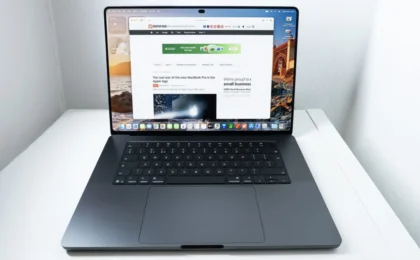
The creative industry is on the cusp of a significant paradigm shift. With the launch of the new MacBook Pro featuring the revolutionary PROLED XDR display, Apple has finally bridged the gap between desktop power and tactile, touch-driven interactivity. This hardware milestone is not merely an incremental update; it is a fundamental reimagining of how professional 3D artists, sculptors, and designers interface with their work.
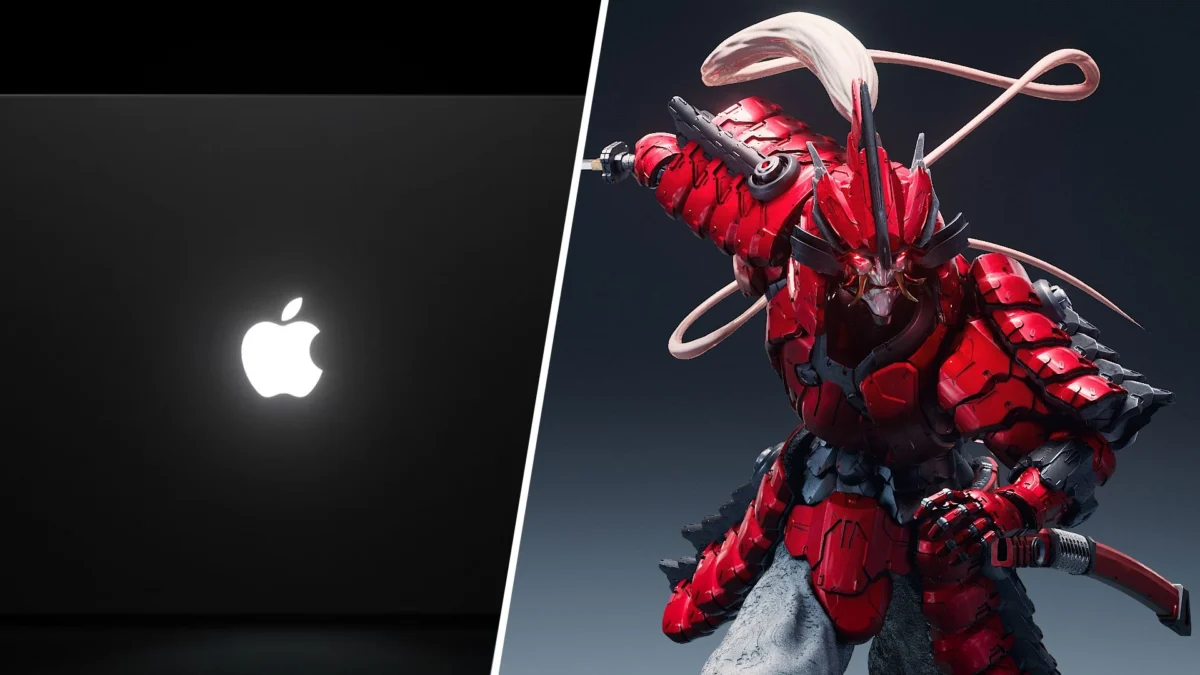
In lockstep with this innovation, industry giant Maxon has announced a comprehensive update to its flagship suites—Cinema 4D and ZBrush—bringing native touch support to the macOS ecosystem for the first time. Combined with upcoming spatial computing capabilities for the Apple Vision Pro, these developments suggest that the "studio of the future" will be a hybrid of physical touch, traditional precision, and immersive, life-size visualization.
The Hardware Milestone: MacBook Pro PROLED XDR
For years, the professional creative community has engaged in a spirited debate regarding the utility of touchscreens on high-end workstations. While Windows-based manufacturers experimented with touch-enabled laptops for over a decade, Apple remained steadfast in its commitment to the trackpad and the precision of a mouse. The introduction of the MacBook Pro PROLED XDR marks the end of that era.
The device is not just "another touchscreen laptop." It utilizes a cutting-edge PROLED XDR panel that sets a new industry standard for brightness, contrast, and color fidelity. By integrating touch input into a display that already exceeds the requirements of high-end color grading and 3D rendering, Apple has created a unique sandbox for professionals. Powered by the M5 Pro and M5 Max chips, the device provides the raw computational overhead required to maintain fluid, low-latency performance even while processing complex multi-touch gestures.
Chronology of the Announcement
The roadmap for this evolution is fast-approaching, marking a busy Q4 for software developers and hardware enthusiasts alike:
- November 6, 2026: The new MacBook Pro featuring the PROLED XDR display officially hits the market, signaling the arrival of the hardware foundation for these new workflows.
- Late November 2026: Maxon releases the much-anticipated updates for Cinema 4D and ZBrush. These versions will include the first official touch-support integration for macOS, optimized specifically for the new MacBook Pro’s hardware.
- Late November 2026: Concurrently, the "Open in Spatial Preview" feature for Apple Vision Pro becomes available for users running visionOS 27 and macOS 27, enabling real-time, life-size 3D collaboration.
- End of 2026: Maxon is slated to release the dedicated Cinema 4D iPad app, further expanding the mobile-to-desktop ecosystem that began with the successful launch of ZBrush for iPad.
Supporting Data: Why Touch Matters
The shift toward touch support in professional desktop software is not merely a gimmick; it is an ergonomic and creative necessity. Research into creative workflows suggests that "tactile feedback" reduces the cognitive load associated with navigating complex 3D environments.
Maxon’s previous success with ZBrush for iPad demonstrated that digital sculptors prefer the intuitive, direct-to-screen interaction of a stylus or finger. By moving these capabilities to the MacBook Pro, professionals can now leverage the full power of the M5 Max chip—often required for high-polygon-count sculpting—without sacrificing the hand-eye coordination developed during their time using tablet-based tools.
Furthermore, the integration of the Spatial Preview API transforms how data is perceived. By using the Mac Virtual Display on the Apple Vision Pro, users are no longer limited to a 2D representation of a 3D object. They can evaluate proportions, light, and composition in a spatial environment, which significantly reduces the "trial-and-error" phase of the production cycle.
Official Perspectives: A New Dimension for Creatives
Maxon, a developer long synonymous with high-end 3D motion graphics and digital sculpting, has been vocal about the potential of this integration. According to company representatives, the goal is to introduce an "entirely new dimension to professional creative workflows."
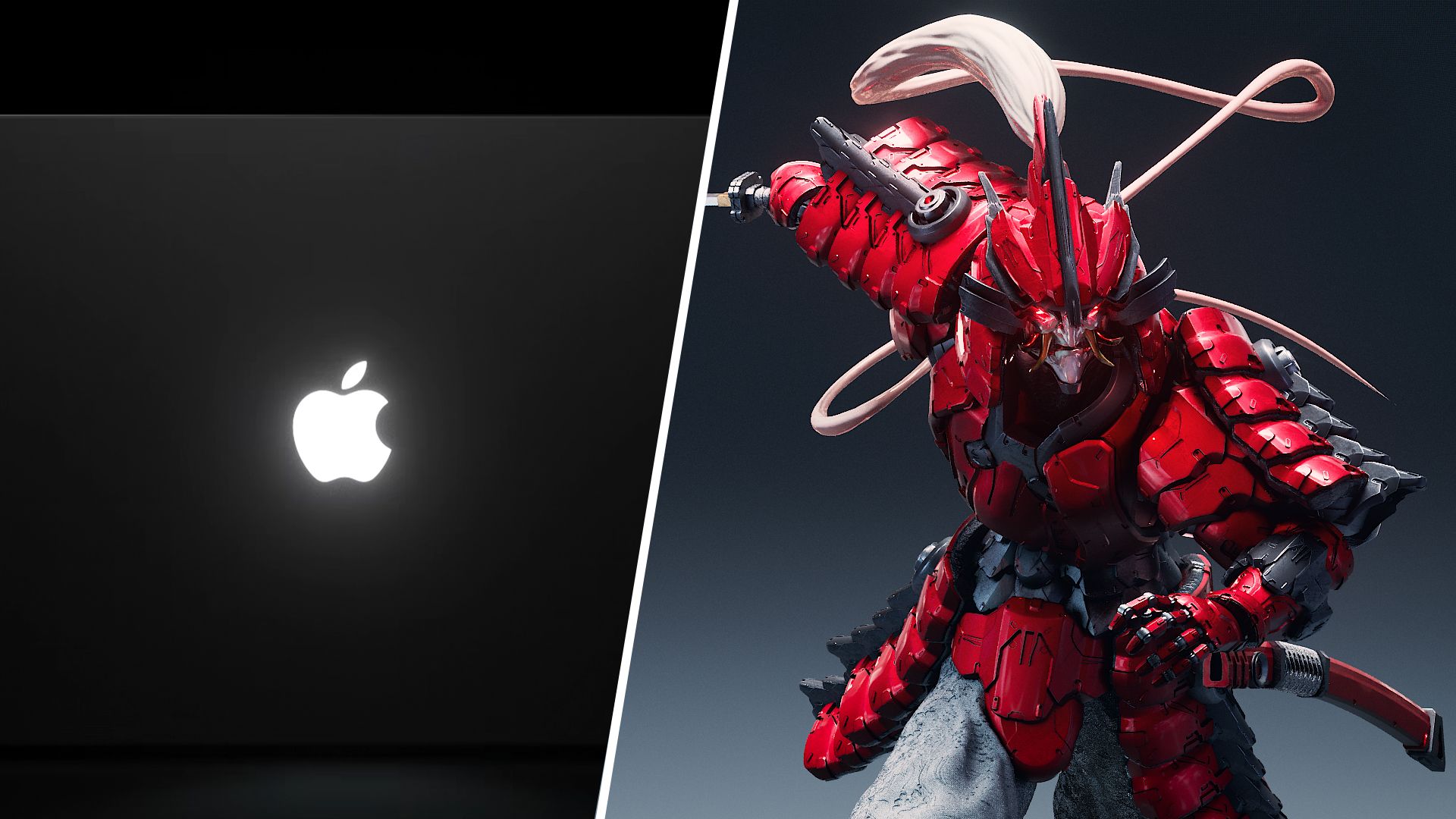
By blending the responsiveness of hands-on interaction with the reliability of desktop-class hardware, Maxon aims to bridge the divide between different stages of the design process. In an official statement, the company noted that the integration of spatial computing is specifically designed to facilitate better communication. "For reviewers who may not be familiar with navigating 3D software," the company explained, "this allows them to inhabit the same space as the artist, identifying potential changes and providing informed feedback long before a project reaches the final render phase."
The Implications for Professional Workflows
The implications of these updates are profound, particularly for industries reliant on spatial design.
Architectural Visualization
Architects and urban planners have historically relied on 2D renders or flat screens to convey the scale of a building. With the new Spatial Preview API, these professionals can "walk through" a virtual structure in real-time. This capability allows for the identification of structural or aesthetic issues at a 1:1 scale, potentially saving thousands of dollars in physical prototyping costs.
Retail and Experiential Design
For designers creating retail environments or exhibition spaces, the ability to view a scene in 3D through the Vision Pro provides a level of clarity that was previously impossible. Clients can now be placed "inside" the design, allowing them to experience the flow of a room, the placement of signage, and the atmospheric impact of lighting in a way that static imagery simply cannot replicate.
High-End Animation and VFX
In the world of animation, time is the most valuable commodity. By enabling artists to manipulate 3D models directly on the MacBook Pro screen, the time spent switching between mouse-based menu navigation and the actual sculpting of assets is drastically reduced. This direct interaction model mirrors the tactile nature of traditional clay modeling, potentially leading to more organic and fluid character designs.
Bridging the Desktop and Mobile Gap
It is important to view this announcement in the broader context of Maxon’s strategy. With the existing ZBrush for iPad and the upcoming Cinema 4D iPad app, the company is creating a unified ecosystem. An artist might start a sketch on their iPad while commuting, refine the sculpture on their MacBook Pro using the new touch-enabled interface, and finally conduct a client review inside the Apple Vision Pro.
This "anywhere-anytime" workflow is exactly what the modern creative sector demands. As the barrier between the creator and the digital canvas continues to dissolve, we are moving toward a future where the software feels less like a tool and more like an extension of the artist’s own hands.
Conclusion: A Turning Point for Design
The convergence of the MacBook Pro’s PROLED XDR display, Maxon’s software updates, and the immersive capabilities of the Vision Pro creates a compelling argument for the future of digital content creation. While traditional workflows involving the mouse and keyboard will undoubtedly persist for heavy technical tasks, the addition of touch and spatial previewing offers a transformative experience for the creative ideation phase.
As we look toward the final quarter of 2026, the question is no longer whether professional creatives will adopt these tools, but how quickly they will integrate them into their standard production pipelines. Apple and Maxon have set the stage; it is now up to the global community of designers, animators, and architects to explore the limits of this new creative dimension. With these tools in hand, the only remaining limit is the imagination of the artist.