

When international fast-casual dining giants enter the Japanese market, the standard playbook often involves a "localized" menu. Usually, this manifests as a single seasonal matcha latte or a limited-time teriyaki burger. However, Shake Shack, the New York-born burger chain that has become a global phenomenon, is taking a vastly more sophisticated approach. By embedding itself into the culinary fabric of Japan’s diverse prefectures, the chain has turned its beverage menu into a treasure map of regional ingredients and artisanal collaborations.
For the culinary traveler, the "hidden gems" found within Japanese Shake Shack locations offer more than just a quick sugar fix; they represent a deliberate effort to marry American-style frozen custard with the refined, traditional flavors of Japan’s unique regions.
The Evolution of the "Tokyo City Shake"
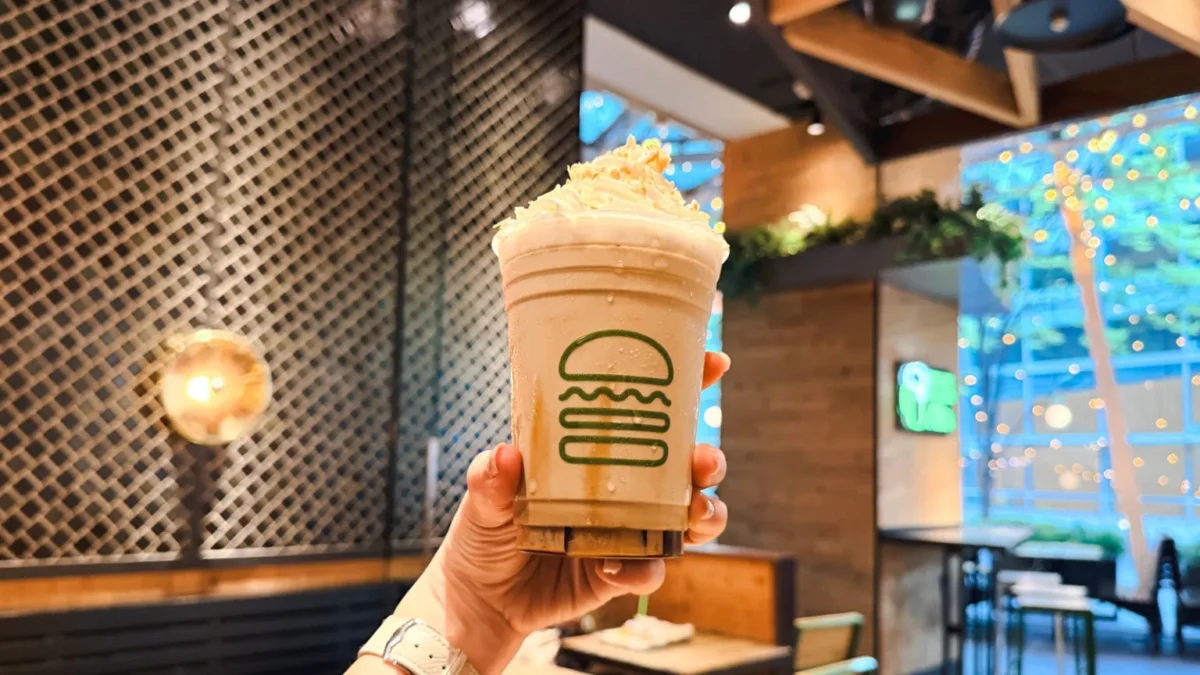
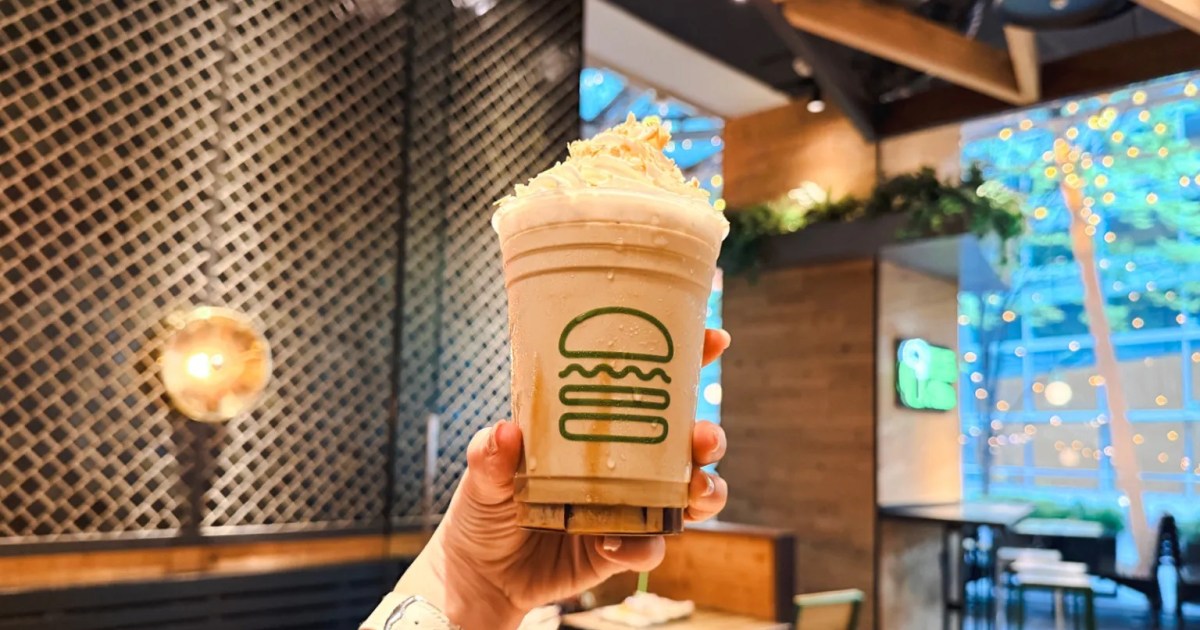
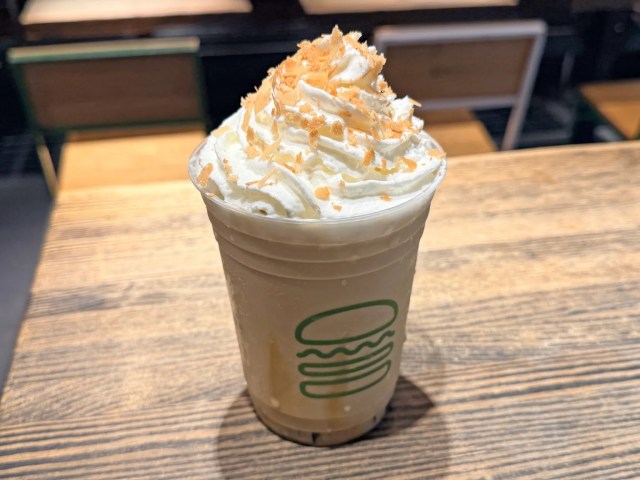
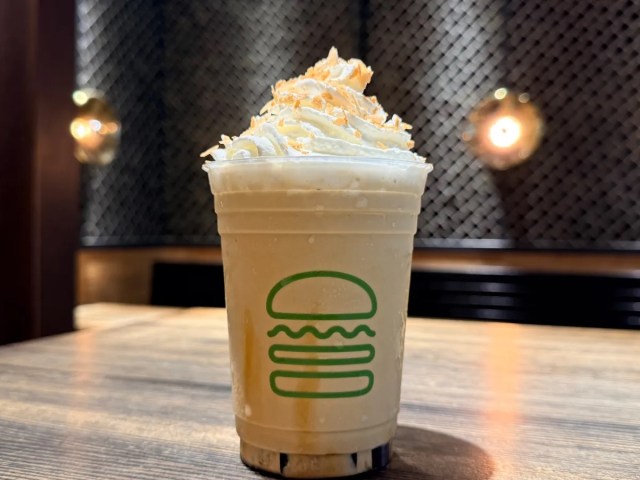
The flagship of this regional movement is the "Hojicha Shake" (priced at 1,089 yen or approximately US$6.71). Initially launched in November 2024 as the "Tokyo City Shake" to commemorate the ninth anniversary of Shake Shack’s expansion into the Japanese market, the drink has since become a permanent staple at eight select locations across the capital.
The Hojicha Shake is a masterclass in balance. It eschews the cloying sweetness often associated with fast-food milkshakes, opting instead for the earthy, nutty, and sophisticated profile of hojicha—roasted green tea. The tea leaves are sourced and specially roasted by Hachiya, a renowned Japanese tea café, ensuring that the tea’s robust aroma complements the rich, dairy-heavy profile of Shake Shack’s signature vanilla frozen custard.
Beyond the tea, the drink is an architectural achievement in a cup. It is crowned with a velvety layer of whipped cream, dusted with crunchy feuilletine for texture, and infused with kuromitsu (brown sugar syrup). The final touch—a base layer of kokuto jelly—provides a textural surprise that elevates the experience from a mere drink to a high-end dessert.
A Chronology of Regional Expansion
The strategy behind these regional offerings has been years in the making, reflecting the chain’s broader effort to localize its supply chain and partnerships.
- November 2024: The "Tokyo City Shake" debuts to celebrate nine years of operation in Japan. Its success proves that Japanese consumers are eager for premium, ingredient-focused beverages.
- Early 2025: Encouraged by the success in Tokyo, Shake Shack begins identifying "local heroes"—iconic regional ingredients or confectionery brands—to anchor new regional menus.
- Mid-2025: The rollout expands to major metropolitan hubs, including Osaka, Kyoto, and Fukuoka, with each location focusing on a unique, locally sourced ingredient.
- July 21, 2026: The opening of the Hakata branch in Fukuoka marks the latest expansion of this strategy, introducing the "Amaou Shake with Tirolian," incorporating the region’s famous strawberries and a classic local cookie.
Supporting Data: The Ingredients of Success
What sets these shakes apart from standard fast-food offerings is the pedigree of the ingredients. By sourcing locally, Shake Shack avoids the "tourist trap" aesthetic, instead appealing to the Japanese penchant for omiyage (souvenir) culture and local pride.
Regional Breakdown
- Tokyo: The Hojicha Shake. Focused on the deep, roasted notes of tea from Hachiya.
- Osaka: Known for "Mixed Juice," a local institution. The Osaka-exclusive shake draws inspiration from this classic blend of fruit, typically featuring banana, peach, and orange notes, offering a nostalgic flavor profile for local residents.
- Kyoto: Often centers its offerings on premium Uji matcha or seasonal tea-based ingredients, honoring the city’s status as the historic heart of Japanese tea culture.
- Fukuoka (Hakata): The "Amaou Shake with Tirolian." This is perhaps the most ambitious collaboration yet. It pairs the premium Amaou strawberry—widely considered the gold standard of Japanese strawberries—with the "Tirolian," a crisp, long-standing rolled cookie manufactured by the local Chidori Manju Sohonpo company.
The use of these high-end components allows the chain to justify a higher price point (often exceeding 1,000 yen), positioning the shake not as an accompaniment to a burger, but as a destination-worthy treat in its own right.
Corporate Strategy: The "Silent" Rollout
Interestingly, Shake Shack has largely eschewed massive, nationwide advertising campaigns for these items. Instead, the company has relied on a "grassroots" marketing strategy. By keeping these items as regional secrets, the brand creates a sense of exclusivity and discovery.
For the domestic traveler, stumbling upon a shake that can only be found in one specific city becomes a point of social media currency. This organic engagement is far more effective in Japan’s highly discerning market than traditional television spots. It turns the consumer into an explorer, encouraging them to visit multiple Shake Shack locations across the country to "collect" the different regional flavors.
Implications for the Fast-Casual Industry
The success of these regional shakes holds significant implications for how global brands might approach the Japanese market in the future.
1. From Standardization to Customization
The "cookie-cutter" model of the 1990s and early 2000s is losing its appeal. Modern Japanese consumers are increasingly demanding products that reflect their specific cultural heritage. By partnering with local institutions—like the Chidori Manju Sohonpo in Fukuoka or Hachiya in Tokyo—Shake Shack is not just selling a product; it is engaging in a cultural exchange.
2. The "Premiumization" of Fast Food
The inclusion of premium ingredients like kokuto jelly, kuromitsu, and high-grade tea suggests that the line between "fast food" and "café culture" is blurring. This allows Shake Shack to capture a broader demographic—including adults who might otherwise avoid fast-food chains but are drawn to the novelty of a high-quality, limited-edition dessert.
3. Strengthening Supply Chains
By sourcing ingredients like Amaou strawberries or specialized roasted tea leaves, the company is forced to develop deep ties with local farmers and regional manufacturers. This reduces the carbon footprint of importing ingredients while simultaneously providing a reliable revenue stream for local producers.
Conclusion: A Model for the Future
The regional-exclusive shake initiative is more than a clever marketing ploy; it is a blueprint for how a global brand can remain relevant in a market that prizes quality, exclusivity, and tradition.
For those traveling through Japan, these drinks offer a unique window into the regional flavors of the archipelago. Whether it is the roasted warmth of a Tokyo Hojicha shake or the bright, sweet tang of a Fukuoka strawberry treat, these beverages prove that even in the world of high-speed, standardized dining, there is still room for a little local magic.
As Shake Shack continues to expand its footprint in Japan, the industry will be watching closely to see if other international chains will follow suit, abandoning the monolithic global menu in favor of the localized, artisanal approach that has served Shake Shack so well. If the current trajectory is any indication, the future of fast food in Japan may well be served one regional, handcrafted shake at a time.











