For months, the World of Warcraft community has been locked in a state of hopeful speculation. Following the conclusion of active development for Season of Discovery (SoD) in June 2025, the player base refused to let the experimental mode fade into obscurity. Instead, they took matters into their own hands, fostering a grassroots movement known as the "Fake Fresh" event. However, despite a surge in player engagement and rumors sparked by backend data mining, Blizzard has officially poured cold water on the prospect of a new, official Season of Discovery server.
The State of Play: Why SoD Remains a Cultural Phenomenon
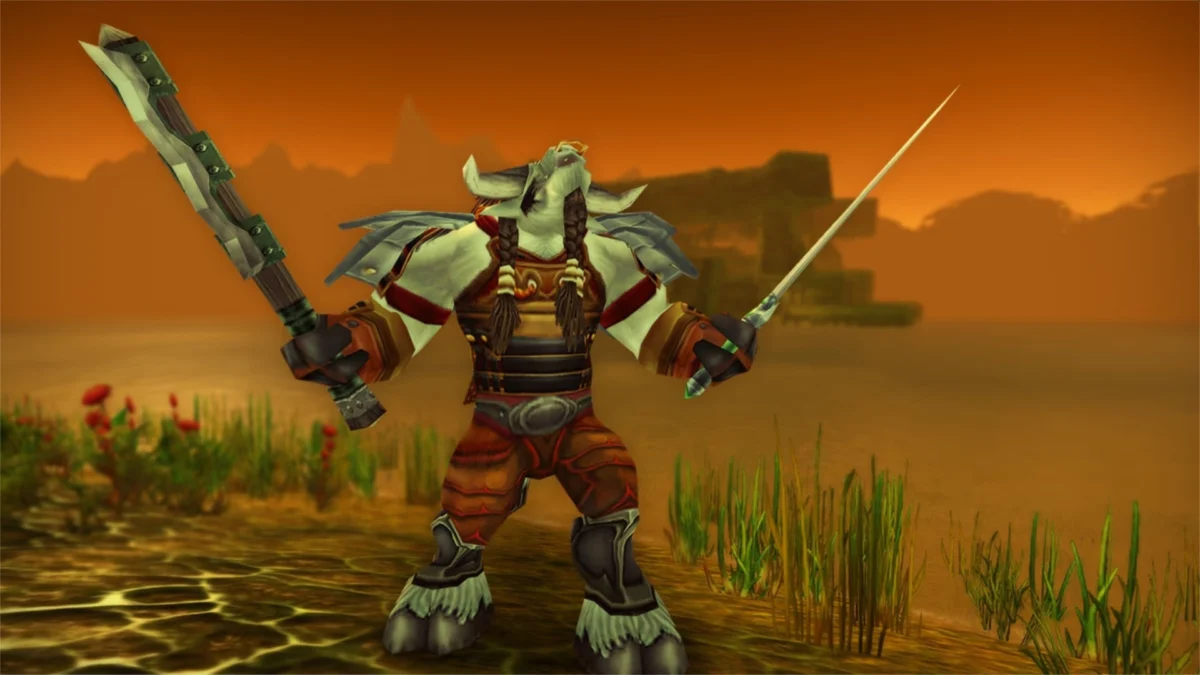
To understand the fervor surrounding the recent "Fresh" discourse, one must first appreciate what Season of Discovery represented for the World of Warcraft ecosystem. Launched as an experimental playground for WoW Classic, the mode was designed to "break all the rules" of the traditional Vanilla experience.
Unlike the static, nostalgic re-release of the 2004 original, Season of Discovery introduced a revolutionary Rune system. This allowed players to graft abilities from future expansions onto their base classes, effectively creating hybrid archetypes—such as Mage healers or Warlock tanks—that had never existed in the original World of Warcraft meta. Furthermore, the mode reimagined iconic dungeons as challenging raids and introduced unique, item-centric secrets that turned the world of Azeroth into a collaborative puzzle.
Even with active development cycles ceasing in mid-2025, the game mode maintained a cult-like following. It offered a level of mechanical fluidity and class customization that standard Classic realms simply could not match, cementing its status as the most daring iteration of the Classic formula to date.
A Chronology of the "Fresh" Rumor Mill
The hope for a "fresh" start—a server where everyone begins at level one with a clean economy—is a perennial desire among WoW fans. When the community-led "Fake Fresh" initiative began to gain traction on the Wild Growth realm, the narrative shifted from "is it possible?" to "is it inevitable?"
The Data Mining Spark
The catalyst for the most recent wave of hysteria occurred on June 27, 2026. As documented by WoWhead, eagle-eyed data miners discovered a new game build, "1.15.9.68185," uploaded to Blizzard’s servers.
To the layperson, this is merely a string of numbers. To the WoW Classic community, however, the build prefix "1.15" is synonymous with the Season of Discovery engine. Because Season of Discovery launched on the 1.15 framework, any update to that specific branch is scrutinized for signs of content patches or, in this case, new server infrastructure. The discovery triggered a massive influx of players to the Wild Growth server, with community organizers hoping that a visible spike in concurrent users would force Blizzard’s hand to launch an official fresh realm.

The Community-Driven Revival
The "Fake Fresh" event was a triumph of social engineering. By organizing thousands of players to reroll characters simultaneously, the community successfully replicated the social atmosphere of a launch day. Player counts on affected servers reportedly doubled, climbing to 4,600 active participants in a matter of days. This surge was intended to serve as a proof-of-concept: if the players were willing to return in droves for an unofficial, community-managed start, surely a dedicated, developer-supported fresh server would be a commercial and critical success.
The Developer Response: A Definitive Shutdown
The dreams of a new Season of Discovery chapter were brought to an abrupt end by Josh Greenfield, the Senior Game Designer for WoW Classic. Addressing the community’s mounting anticipation directly, Greenfield provided a candid, sobering look into the logistics of server management.
Responding to a player who feared that investing time into the "Fake Fresh" event would be futile if an official server were to launch, Greenfield was unequivocal:
"There will be no fresh SoD. ‘Just open a new server’ is not as trivial as most people think it is. It requires many teams and a large portion of the Classic team to make that happen. Then there’s an ongoing effort to manage each phase as it rolls out. With other things we have going on, that’s a distraction we can’t afford."
The Burden of Maintenance
Greenfield’s comments illuminate a common misconception among the MMO player base. The idea that a server is merely a "switch" that can be flipped is a technical simplification that ignores the immense overhead involved. Every active server requires:
- Infrastructure Management: Monitoring for stability, hardware allocation, and server-side performance.
- Customer Support: Dedicated teams to handle report tickets, ban appeals, and technical glitches specific to the phase.
- Phase Management: Season of Discovery was built around rolling content releases. Launching a new server would require the team to re-release content in a staggered format, requiring constant oversight to ensure that bugs don’t resurface or that balancing adjustments remain consistent across different versions of the game.
Greenfield emphasized that the development team is currently committed to other projects, and diluting their resources to support a new SoD instance would be "irresponsible."
The Implications for the Future of Classic
While the news is undeniably disappointing for those who wanted a "blank slate" experience, the definitive statement from Blizzard offers a silver lining: Certainty.

The End of the "Waiting Game"
For weeks, thousands of players were holding back from participating in the "Fake Fresh" movement because they were paralyzed by the "what if" scenario—the fear that they would spend weeks leveling, only for a fresh, official server to render their progress obsolete. With Greenfield’s confirmation, that hesitation is removed. Players can now dive into the current SoD experience with the confidence that they are not "wasting" their time on a temporary solution.
The "Fake Fresh" as a Sustained Model
The success of the "Fake Fresh" event highlights a burgeoning trend in the MMO space: the move toward player-led community events. When developers step away from active content cycles, the community effectively acts as a curator for the game’s longevity. By coordinating start dates and establishing social pacts to keep the economy balanced, the player base has shown that they are capable of sustaining a server’s health without constant developer intervention.
The Lesson for Blizzard
Blizzard now faces a unique challenge. They have a product (Season of Discovery) that the audience still craves, but they lack the bandwidth to treat it as a primary development pillar. The takeaway for the studio is clear: there is a vocal, active, and organized segment of the player base that is eager for the Classic experience to remain dynamic. Whether this leads to a new "Season" model in the future—or perhaps a different approach to Classic altogether—remains to be seen.
Conclusion: A Call to Adventure
While the dream of an official Season of Discovery fresh start has been officially laid to rest, the World of Warcraft community has proven that the spirit of the game is not dependent on a specific server launch date. The "Fake Fresh" event continues to grow, and for many, this remains the best way to experience the unique, rule-breaking mechanics that defined the season.
For those who have been sitting on the sidelines, waiting for a signal from the developers, that signal has finally arrived. The gates of Wild Growth are open, the community is active, and the current iteration of Season of Discovery is the only one we will have for the foreseeable future. It is time to stop waiting for a fresh start and instead commit to the one that is happening right now.