
The Pokémon franchise, a titan in the gaming and multimedia landscape for over two decades, has cultivated a legacy built on its endearing creatures, unforgettable characters, and vibrant worlds. With twelve mainline installments, numerous remakes, spin-offs, animated series, and films, Pokémon’s enduring appeal is undeniable. While many modern role-playing games (RPGs) often present early-game areas as mere transitional spaces to be quickly surpassed, the Pokémon series has a remarkable history of crafting initial regions that remain etched in players’ memories long after their initial journey. This article delves into the most iconic and impactful early-game locations across the Pokémon universe, exploring what makes them resonate so deeply with fans and how they continue to set a benchmark for immersive beginnings in gaming.
The Foundation of Adventure: What Makes an Early Route Memorable?
The success of an RPG is often intrinsically linked to its initial offering. For Pokémon, these early routes are not just tutorials for battling and catching; they are the player’s first taste of a new world, their initial encounters with the game’s mechanics, and the genesis of their adventure. Several key elements contribute to the memorability of these formative areas:
- Atmosphere and Visual Design: Whether it’s the vibrant hues of the Alola region or the mysterious depths of Eterna Forest, the aesthetic of an early route plays a crucial role. Unique art direction, evocative soundtracks, and a distinct visual identity can transform a simple stretch of land into a cherished memory.
- Narrative Integration: Early routes that seamlessly weave in story elements, introduce compelling NPCs, or hint at the larger conflict ahead create a more engaging experience. These narrative hooks give players a reason to care about the world and their place within it.
- Discovery and Exploration: The thrill of uncovering new Pokémon, finding hidden items, or stumbling upon secrets is a cornerstone of the Pokémon experience. Early routes that reward exploration with novel encounters or unique discoveries foster a sense of wonder and encourage players to delve deeper.
- Gameplay Mechanics Introduction: While basic tutorials are expected, the best early routes subtly introduce core gameplay mechanics in a way that feels natural and rewarding. This could be through clever Pokémon placement, environmental puzzles, or unique trainer encounters that highlight specific battle strategies.
- Nostalgia and First Impressions: For many players, their first Pokémon journey began in these very locations. The inherent nostalgia associated with these areas, coupled with the profound impact of a first gaming experience, imbues them with a special significance.
A Chronological Journey Through Iconic Early Routes
Examining the evolution of Pokémon’s early routes reveals a consistent commitment to crafting engaging starting experiences, adapting to technological advancements while retaining core design principles.

1. Pokémon Red/Blue/Yellow: Viridian Forest, Mt. Moon, Nugget Bridge & Rock Tunnel
The genesis of the Pokémon phenomenon, the Kanto region’s early routes remain legendary. Viridian Forest, a dense, bug-filled woodland, served as the player’s first true test, introducing them to wild Pokémon encounters and trainer battles. Its labyrinthine nature, though simple by today’s standards, demanded careful navigation and resource management.
Mt. Moon followed, offering a more complex dungeon crawl with new Pokémon and the introduction of the Moon Stone. Nugget Bridge in Cerulean City presented a significant early challenge, a gauntlet of trainers testing the player’s team-building skills. Finally, Rock Tunnel, a dark and treacherous cave, was a rite of passage, often forcing players to backtrack for the HM "Flash" or navigate its oppressive darkness relying on memory and luck. These early areas, constrained by the Game Boy’s limitations, were incredibly efficient, packing significant gameplay and narrative impact into compact, memorable spaces. Their success lay in their directness and the crucial lessons they imparted about exploration, strategy, and the world of Pokémon.
2. Pokémon Gold/Silver/Crystal: Dark Cave, Ruins of Alph, Sprout Tower & More
The Johto region built upon Kanto’s foundation with an even greater density of memorable early locations. Sprout Tower, with its serene atmosphere and martial arts monks, provided an early introduction to strategic battles and the concept of evolution. The Ruins of Alph, an ancient and mysterious site, offered a puzzle-based experience that hinted at deeper lore and introduced the enigmatic Unown.

The Dark Cave, a true test of a player’s preparedness, demanded the use of "Flash" or careful navigation through its oppressive darkness, introducing the challenge of limited visibility in dungeons. The introduction of Slowpoke Well added another layer of intrigue and a unique encounter. Despite the limitations of the Game Boy Color, Johto’s early routes were remarkably rich, offering a narrative tapestry woven with themes of tradition and heritage. Each location felt purposeful, contributing to an immersive and engaging start to the adventure.
3. Pokémon Diamond/Pearl/Platinum: Eterna Forest, Old Chateau
Sinnoh’s Eterna Forest stands as a prime example of how atmospheric design can elevate an early-game location. This dense, mysterious forest offered more than just Pokémon encounters; it housed the Old Chateau, a haunted mansion that injected an element of gothic horror into the early game, complete with spectral encounters and eerie lore. The presence of Moss Rock, essential for evolving Eevee into its Grass-type form Leafeon, added a layer of strategic discovery.
The inclusion of a temporary battle partner during the initial exploration of Eterna Forest fostered a sense of camaraderie and provided a unique gameplay dynamic. The DS’s capabilities allowed for a richer atmosphere and more detailed environments, but Sinnoh’s developers wisely prioritized mood, mystery, and narrative integration over sheer scale, creating a truly unforgettable early-game experience.
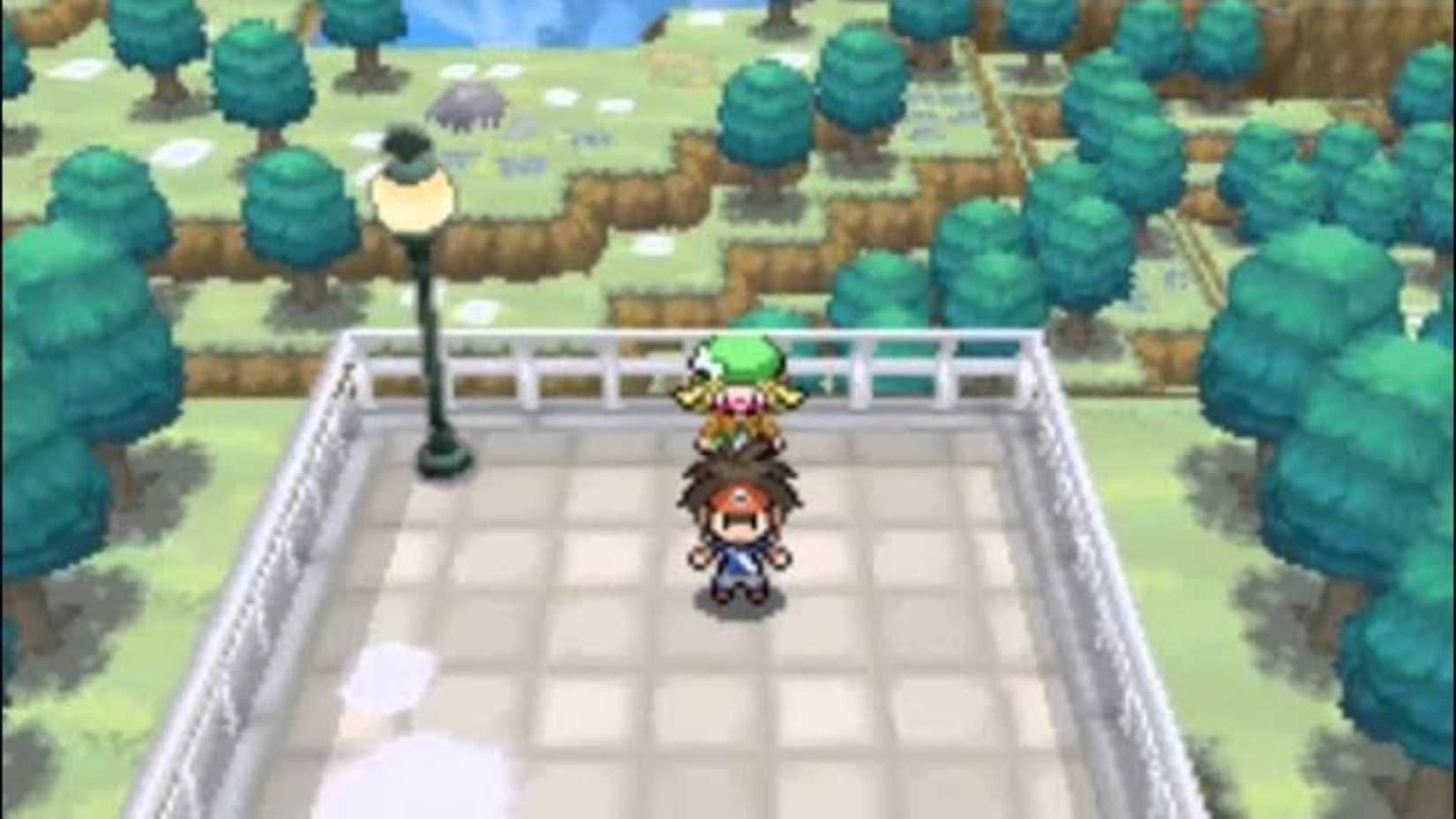
4. Pokémon Ruby/Sapphire/Emerald: Route 102, 104, Petalburg Woods, Rusturf Tunnel
The Hoenn region, with its vibrant tropical aesthetic, presented a significant graphical leap for the franchise on the Game Boy Advance. The early routes of Hoenn, such as Route 102 and 104, were bathed in vivid, full-color visuals that captivated players. Petalburg Woods offered a lush, green environment filled with new Pokémon and a sense of natural wonder.
Rusturf Tunnel provided an early dungeon-crawling experience, introducing the concept of HMs for traversal. Beyond the visual upgrade, Hoenn’s early routes were populated with memorable moments, like the quest to catch a Ralts after witnessing Wally’s success, and the surprising evolution of Nincada into two Pokémon. These experiences fostered a deep connection to the region and its inhabitants, making the early journey feel alive and personal.
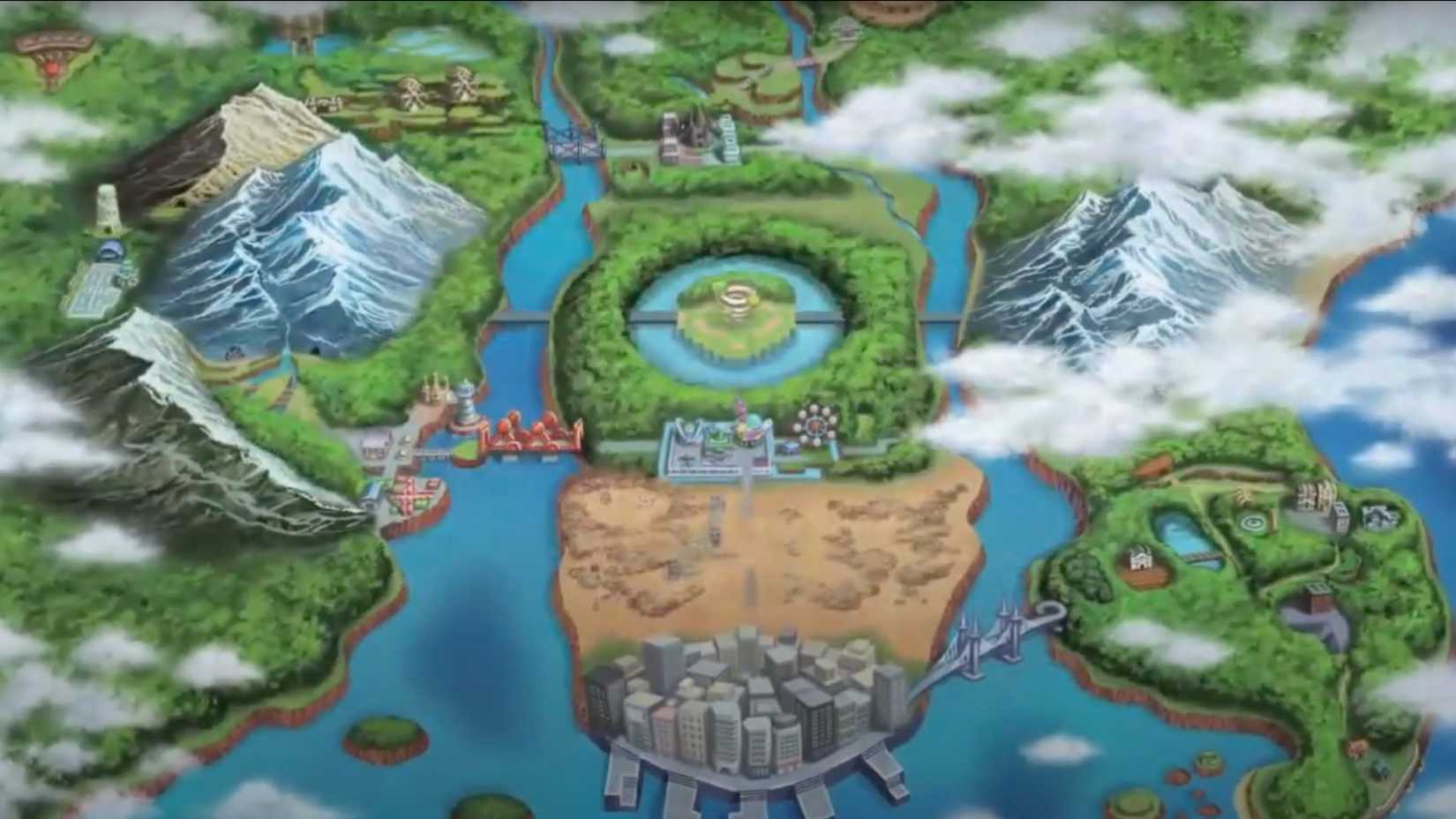
5. Pokémon Black/White: Pinwheel Forest, The Dreamyard
Despite an initially mixed reception, Pokémon Black and White are now celebrated for their bold approach, including a focus on a fresh set of Pokémon and a compelling narrative. The Unova region’s early routes, particularly Pinwheel Forest, offered a unique blend of atmosphere and strategic exploration. Pinwheel Forest, with its winding paths and secrets, rewarded players who ventured off the beaten path.
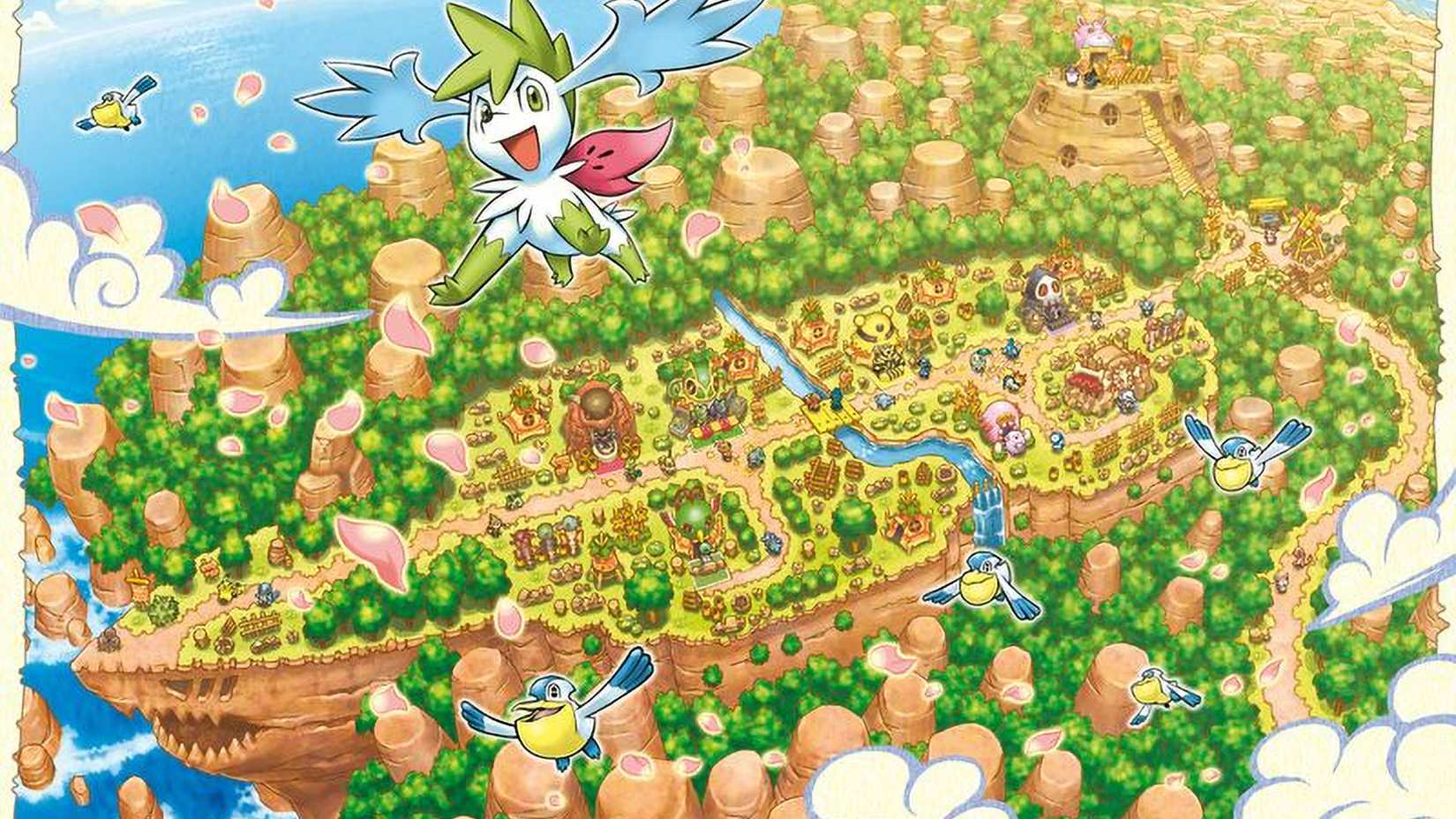
The restriction of available Pokémon to only those new to the series in the early game created a genuine sense of discovery, making every encounter feel significant. This approach contrasted with many modern RPGs, where early areas can feel redundant. Pinwheel Forest’s layered design encouraged true exploration, providing a refreshing experience that still resonates with players who appreciate its depth and thematic coherence.
6. Pokémon Colosseum: Outskirt Stand, Phenac City, Agate Village
Pokémon Colosseum, a departure from the mainline series with its console-based, battle-focused gameplay, demonstrated that impactful early areas don’t require vastness. With fewer locations overall, each one carried significant narrative weight. Phenac City, a desolate but intriguing urban center, served as a key hub, while Agate Village offered a sanctuary and a sense of hope amidst the game’s darker themes. The Outskirt Stand provided a more humble, introductory setting.
These areas were not mere transitional zones but integral parts of the narrative, each with a distinct personality and purpose. Their deliberate design and thematic relevance left a lasting impression on players, proving that focused, narrative-driven environments can be just as memorable as sprawling open worlds.
7. Pokémon Sun/Moon: Route 3, Verdant Cavern, Melemele Meadow & More
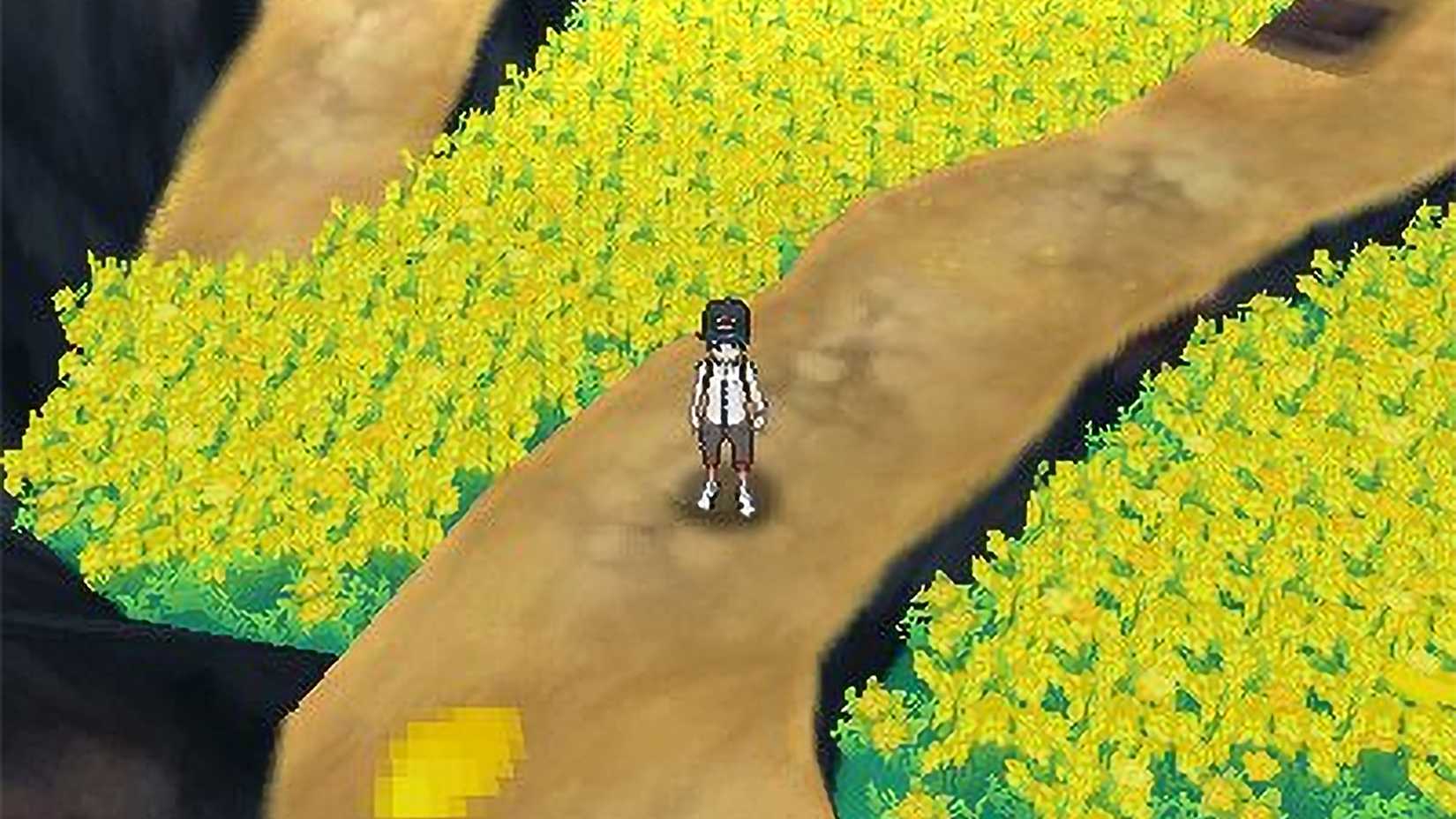
The Alola region introduced a significant shift with its Island Trial system replacing traditional Gyms. This change, while substantial, was complemented by a visually stunning and characterful world design from the outset. Melemele Meadow, with its vibrant flora, and Route 3, notorious for the meme-worthy acquisition of a high-level Salamence, showcased Alola’s unique charm.
While the early game’s extensive tutorials could be frustrating, the overall aesthetic and the memorable in-game events, like the aforementioned Salamence discovery, contributed to the early routes’ distinct identity. The bright, expressive designs and the integration of new gameplay elements made Alola’s initial areas stand out, offering a refreshing take on the familiar Pokémon formula.
8. Pokémon Legends: Arceus: Obsidian Fieldlands
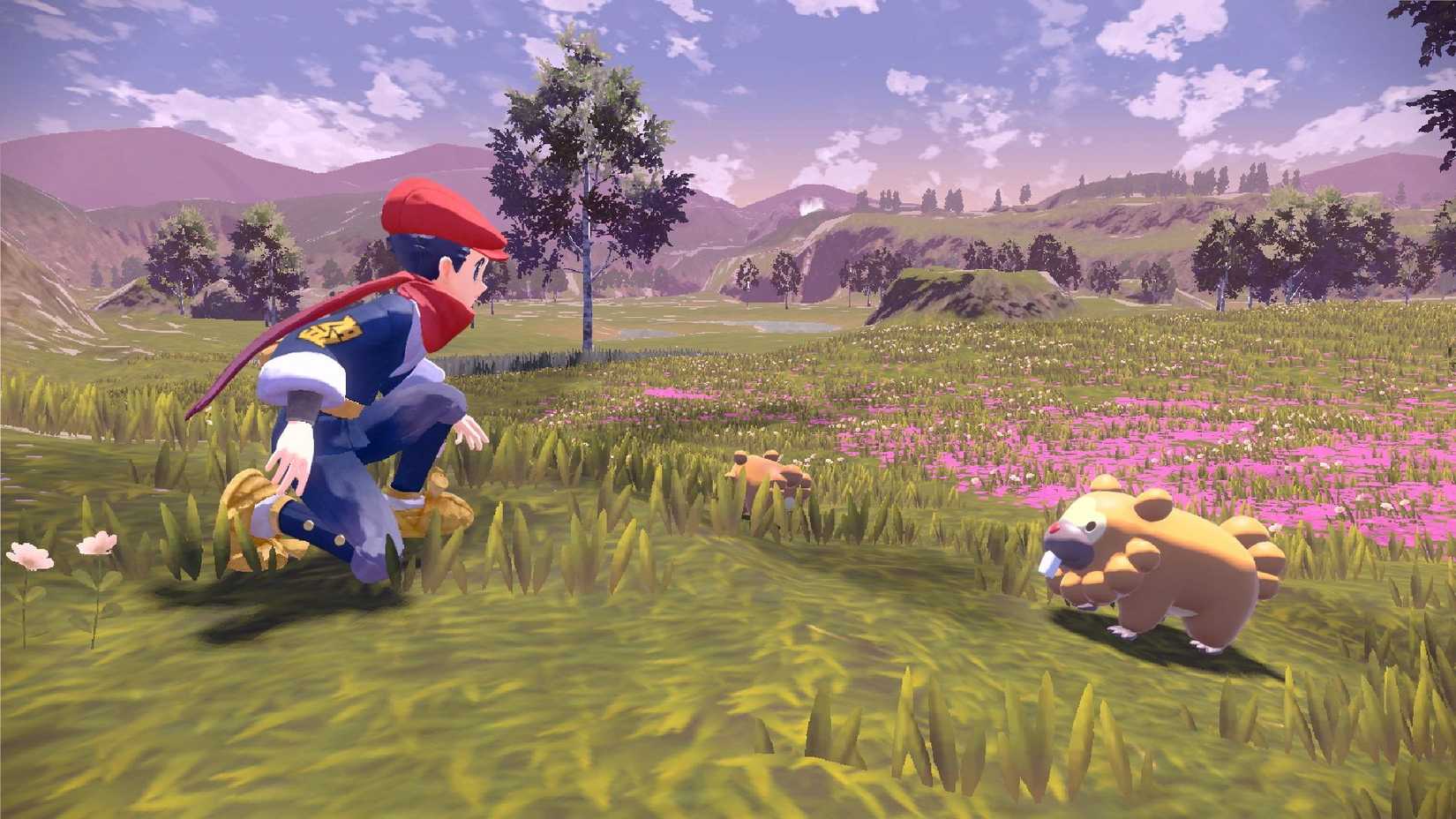
Pokémon Legends: Arceus revolutionized the franchise by introducing a more open-world approach and a focus on player freedom. The Obsidian Fieldlands, the game’s inaugural area, served as a breathtaking introduction to this new style of gameplay. It wasn’t a traditional "route" but a sprawling, explorable zone filled with Pokémon visible in the overworld, dynamic weather, and interactive environments.
This initial area was crucial in demonstrating the game’s innovative catching and battling mechanics, its new traversal methods, and the reasons for revisiting areas. The Obsidian Fieldlands offered a unique blend of nostalgia and novelty, fundamentally altering the player’s interaction with the Pokémon world and leaving a profound and lasting impression.
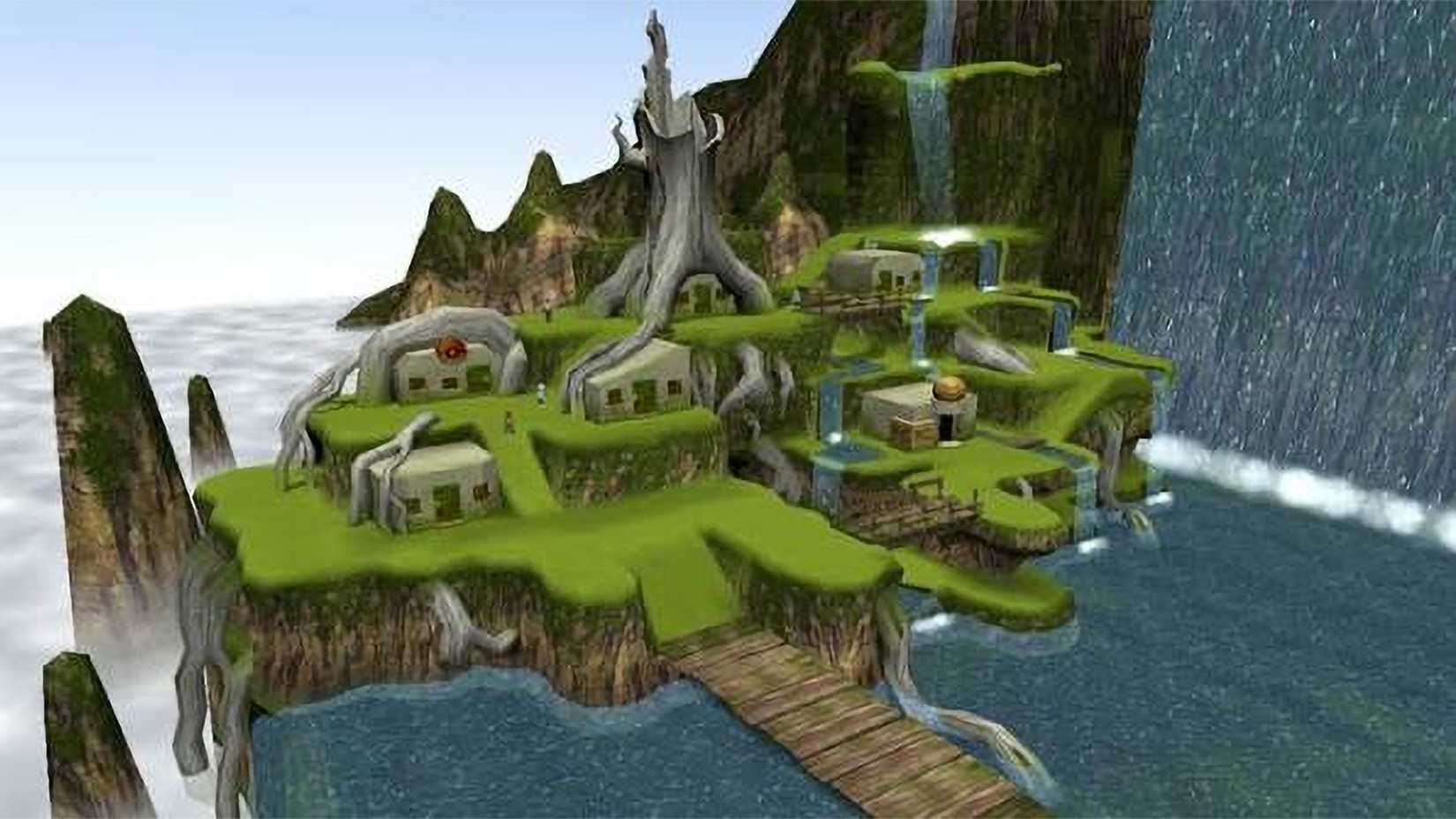
9. Pokémon Mystery Dungeon: Explorers of Time/Darkness/Sky: Treasure Town
The Mystery Dungeon series, while a spin-off, has a unique ability to forge deep emotional connections with its players through its locations. Treasure Town, the central hub in Explorers of Time, Darkness, and Sky, is a prime example. It wasn’t just a place to buy items; it was a living, breathing community that players returned to repeatedly throughout their adventure.
The recurring characters, shops, and story events fostered a strong sense of belonging and attachment. Treasure Town’s charm and utility made it more than just an early-game town; it became a beloved destination, a testament to the series’ ability to create emotionally resonant spaces.
10. Pokémon Black 2/White 2: Floccesy Ranch, Virbank Complex
As direct sequels, Pokémon Black 2 and White 2 faced the challenge of reintroducing players to a familiar region. They succeeded by offering new perspectives and locations, such as Floccesy Ranch and the Virbank Complex. Floccesy Ranch provided a well-rounded early-game experience with a good variety of Pokémon and opportunities for team building.
The fact that these areas felt novel and engaging, despite being in a revisited region, highlighted their strong design. They offered solid enemy variety, team-building potential, and narrative integration, proving that even familiar settings could feel fresh and memorable with thoughtful development.
Implications and the Future of Early Game Design
The enduring popularity of these early Pokémon routes underscores a fundamental truth in game design: the beginning of an adventure matters immensely. These meticulously crafted starting points not only introduce players to the game’s mechanics and world but also forge emotional connections that last a lifetime.
The Pokémon franchise’s consistent success in creating memorable early experiences serves as a valuable case study for other developers. By prioritizing atmosphere, narrative integration, rewarding exploration, and efficient gameplay design, even limited hardware can yield profoundly impactful beginnings. As the Pokémon series continues to evolve, its legacy of crafting unforgettable early routes will undoubtedly inspire future generations of trainers and game designers alike, ensuring that the thrill of discovery and the magic of the journey begin from the very first step.