Ali Ikhwan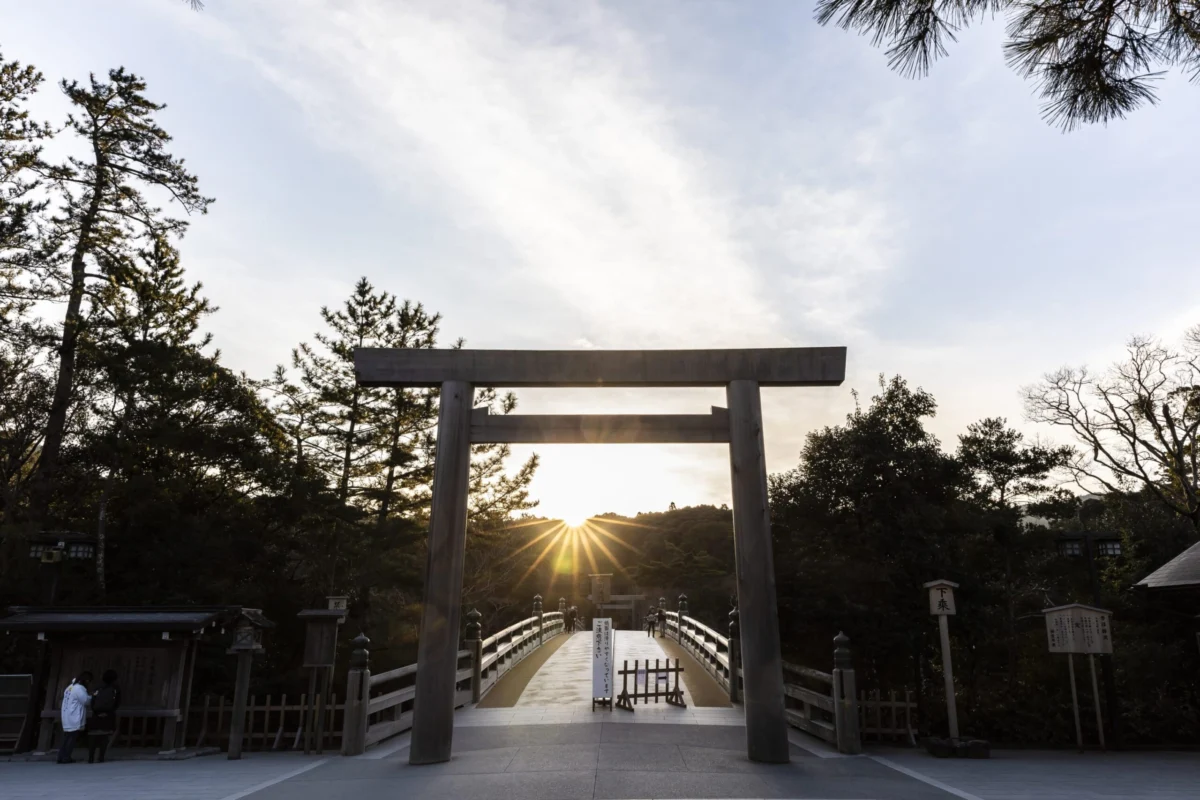
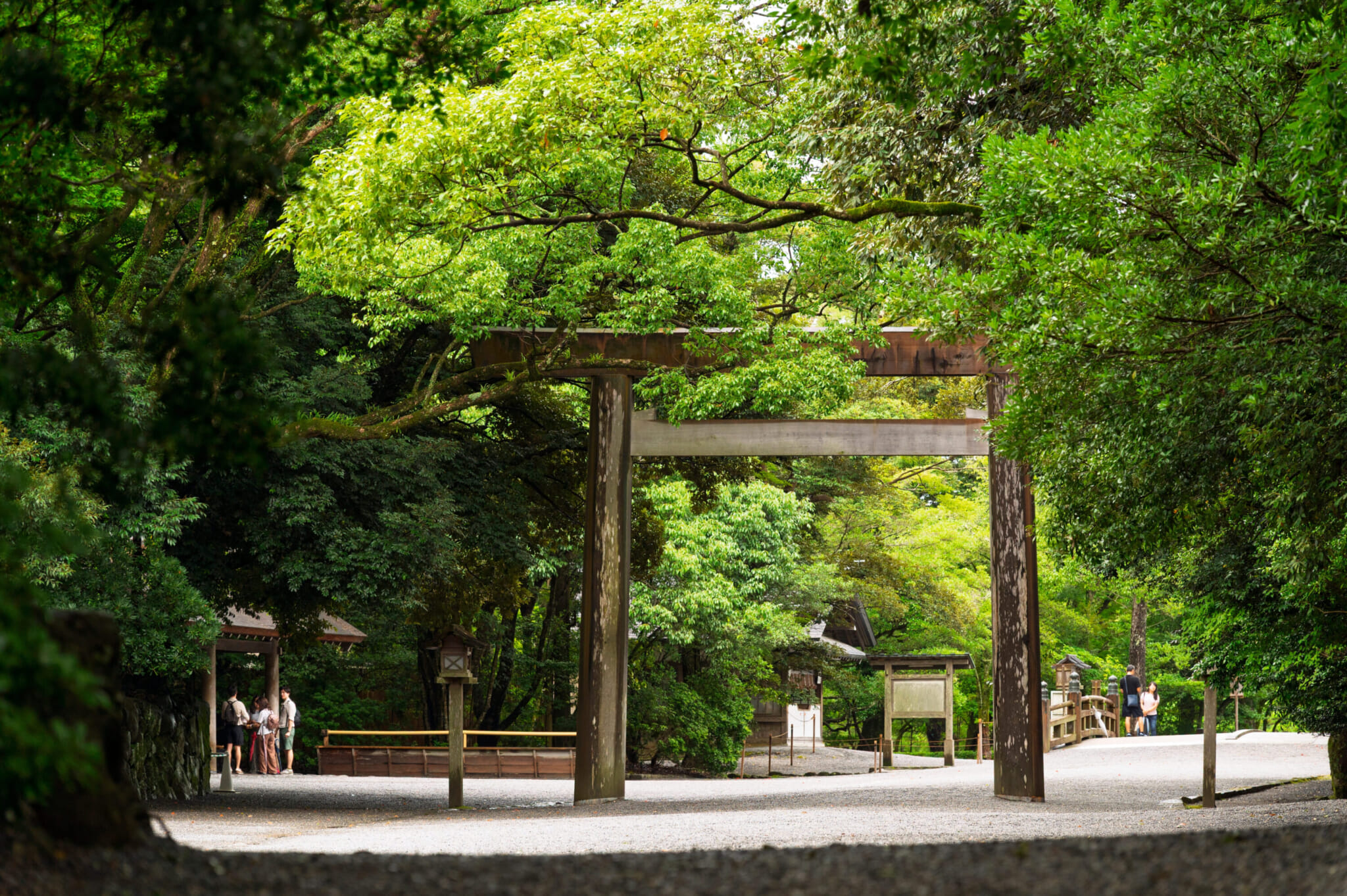
Deep within the primordial, mist-shrouded cedar forests of Japan’s Mie Prefecture lies Ise Jingu, a site so profoundly central to the Japanese identity that an age-old proverb dictates every citizen should make a pilgrimage to its gates at least once in their lifetime. Comprising a sprawling complex of 125 individual shrines, Ise Jingu serves as the spiritual epicenter of Shinto, the indigenous faith of Japan. At its heart lies the Naiku (Inner Shrine), dedicated to Amaterasu Omikami, the sun goddess and the ancestral deity of the Imperial House.
For the casual observer, Ise Jingu is a place of serene, ancient beauty. For the historian and the student of architecture, however, it represents something far more radical: a site that is never truly “old.” The complex is currently undergoing Shikinen Sengu, a monumental, multiyear ritual process that culminates in the complete dismantling and reconstruction of the sanctuary. This cycle, which has persisted since 690 CE, offers a rare, living window into a tradition that defies the Western obsession with static preservation, favoring instead the preservation of process and spirit.
The Mechanics of Rebirth: What Is Shikinen Sengu?
At its core, Shikinen Sengu is an act of architectural and spiritual renewal. Every twenty years, the primary shrine buildings, along with the onshozoku-shinpo—the sacred apparel, furnishings, and divine treasures housed within—are meticulously recreated from scratch using traditional methods.
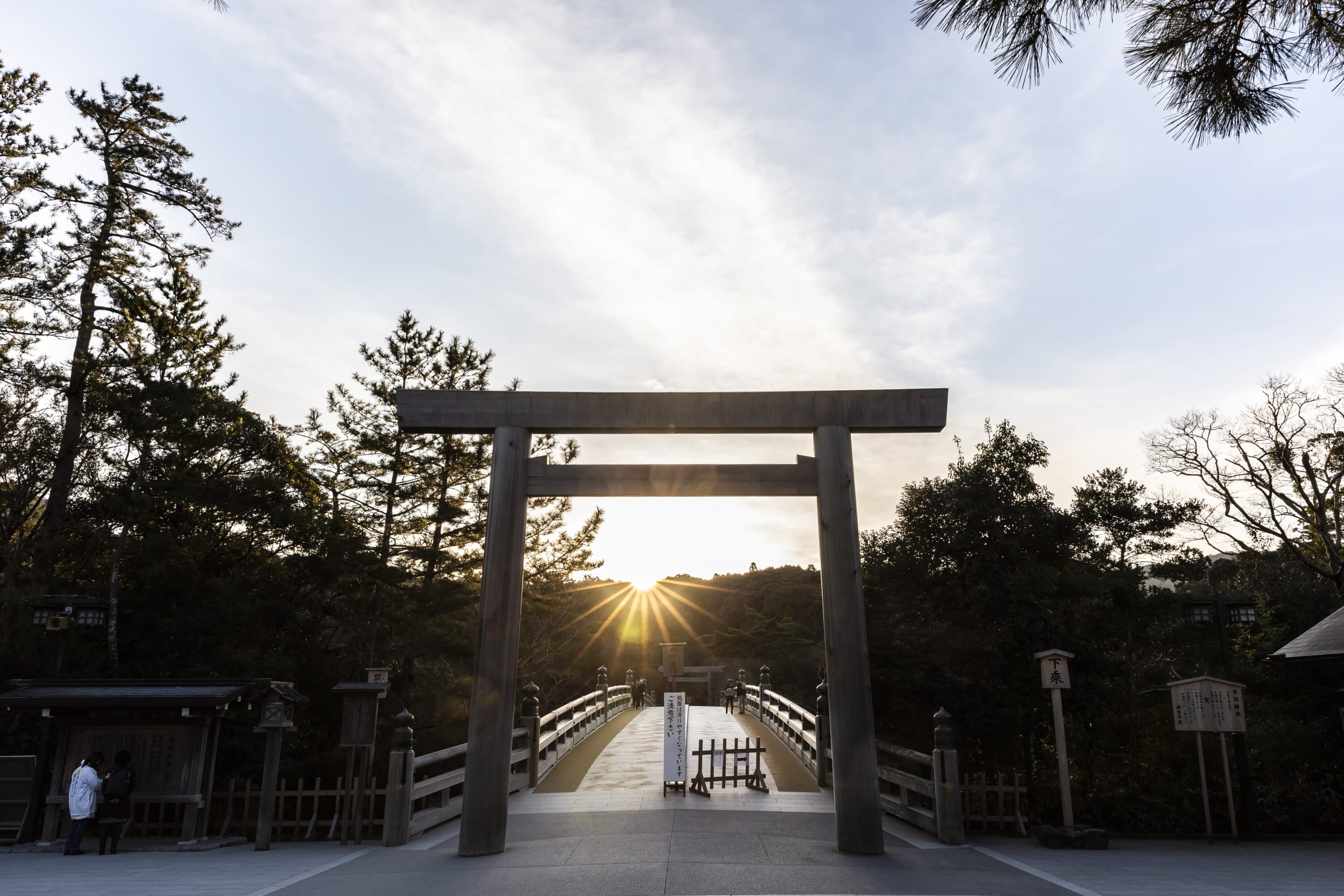
The cycle is not a singular event but an epic, eight-year odyssey involving approximately 30 distinct ceremonies. It culminates in the Sengyo, a highly secretive, nocturnal procession. Under the cover of darkness, the deities—and the Yata no Kagami (the sacred bronze mirror representing Amaterasu)—are transferred from the centuries-old sanctuary to the brand-new, identical structure built on the adjacent plot of land, known as the kodenchi. Once the transition is sanctified, the old structure is carefully dismantled, its wood repurposed for other sacred sites across the nation.
Chronology of the 20-Year Cycle
The rhythm of Ise Jingu is governed by the lunar and agricultural calendars, meticulously managed by the priesthood and a legion of master craftsmen. While the final transfer will not occur until 2033, the current cycle is already well underway, having transitioned from the preparatory phases into the active construction period.
- Preparatory Phases (Years 1–3): This period focuses on site preparation and the procurement of materials. The "ceremonial felling" of the sacred hinoki cypress trees, selected from forests managed specifically for the shrine, marks the beginning of the material life of the new shrine.
- The Festival of Transport (Year 2/3): This is the most public-facing segment of the cycle, known as the Okihiki festival. It serves as a bridge between the forest and the sanctuary.
- Architectural Synthesis (Years 4–7): This is the "hidden" work. Master carpenters, working without nails, join the hinoki timbers using complex joinery techniques that have remained unchanged for over a millennium.
- The Culmination (Year 8): The Sengyo ritual. The deity is moved, the old site is cleared, and the cycle of "tokowaka" (constant renewal) begins anew.
The Okihiki Festival: A Symphony of Human Effort
While the most sacred rites of Shinto are obscured behind high wooden fences, the Okihiki festival—the ceremonial transport of the hinoki logs—is a boisterous, public-facing celebration of communal devotion.
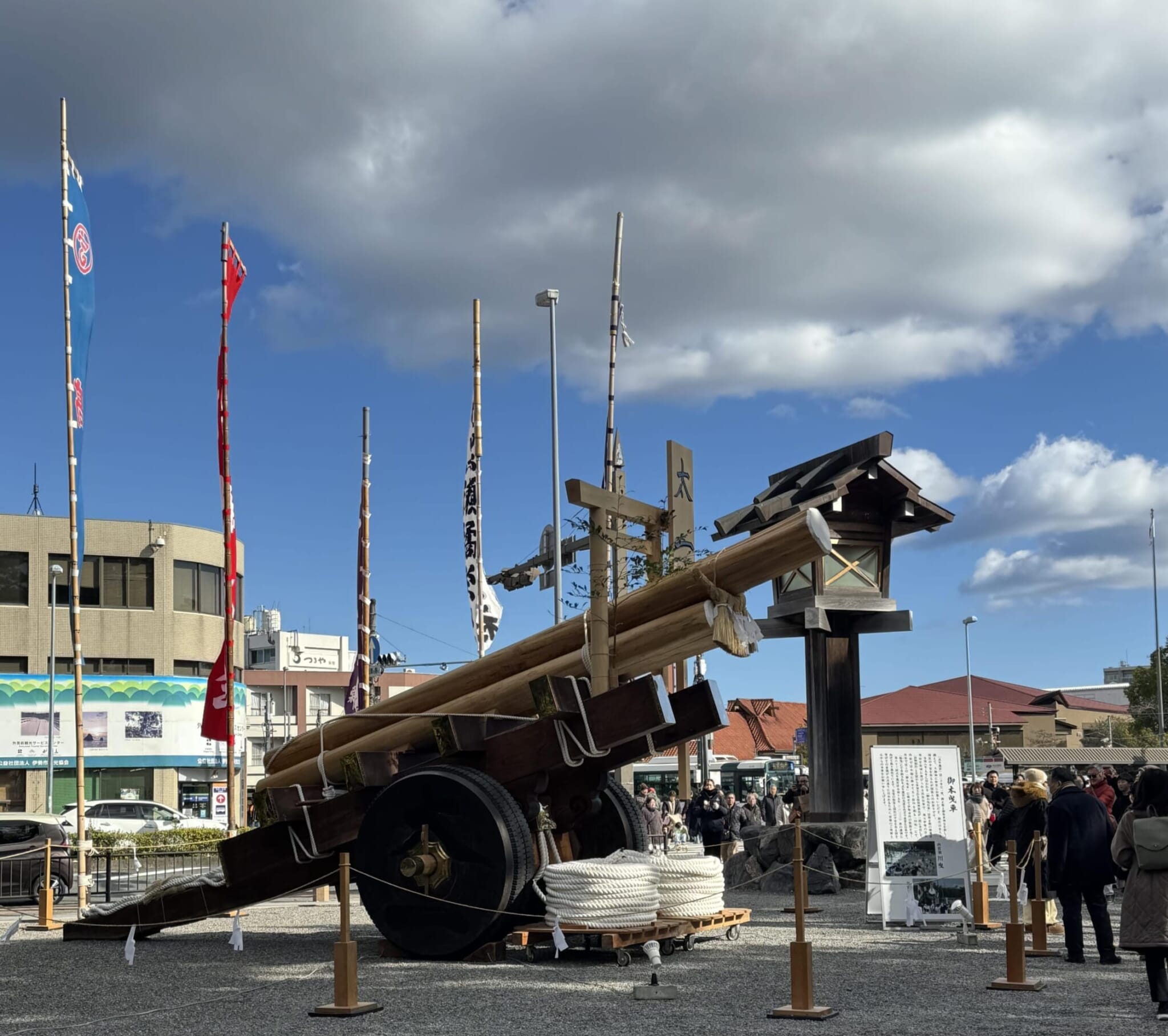
During the spring and summer months of the cycle’s second year, thousands of local residents and pilgrims don traditional happi coats to participate in the hauling of massive timber beams. The festival manifests in two distinct spectacles: Okabiki (overland hauling) and Kawabiki (river hauling).
In Okabiki, the logs are lashed to hoeisha—ceremonial wooden carts. Participants pull massive, winding ropes, guided by the rhythmic, guttural chants of kiyari (work songs) and the rallying cry of "Enya!"—a visceral sound of collective effort that echoes through the streets of Ise. Conversely, Kawabiki involves floating the logs down the Isuzu River, a serene, meditative process that mirrors the ancient methods of timber transport used when the shrine was first established in the 7th century.
Tokowaka: The World’s Oldest Sustainability Model
In a contemporary context, the act of tearing down perfectly sound, pristine buildings every two decades might be viewed as an architectural anomaly or even a waste of resources. However, when viewed through the lens of tokowaka—a Shinto concept denoting the maintenance of eternal youth—it becomes clear that Ise Jingu is actually the world’s most sophisticated model of long-term sustainability.
1. Forest Self-Sufficiency
The shrine operates on a 200-year forestry plan. Every log used in the Shikinen Sengu is harvested from a managed forest ecosystem that is meticulously replanted. The priests and foresters at Ise do not look at the next decade; they look at the next century. The trees currently being planted are destined for the shrines of the 22nd century.
2. The Philosophy of Recycling
Nothing is discarded. When a shrine building is dismantled, the high-quality hinoki timber is recycled. The massive central pillars often become torii gates for smaller shrines across Japan, while other materials are distributed to regional shrines to facilitate their own repairs. This creates a nationwide "circular economy" of sacred architecture.
3. The Preservation of Craftsmanship
Perhaps the most critical "resource" preserved at Ise is human knowledge. The Shikinen Sengu ensures that the specialized skills of the miya-daiku (shrine carpenters) are never lost. Because the reconstruction happens on a 20-year cadence, there is a constant, overlapping transmission of skills from master to apprentice. Over 2,000 artisans are employed in the various facets of the construction, ensuring that the ancient arts of joinery, lacquerwork, and textile weaving remain vibrant, living practices rather than museum pieces.
Official Responses and Institutional Significance
The Association of Shinto Shrines (Jinja Honcho) has consistently emphasized that Shikinen Sengu is not merely about maintaining a building, but about maintaining a state of purity. Official statements from the shrine administration reiterate that the physical structure is merely a vessel for the kami (deity). By rebuilding the vessel, the priests argue, they prevent the decay of the spirit.
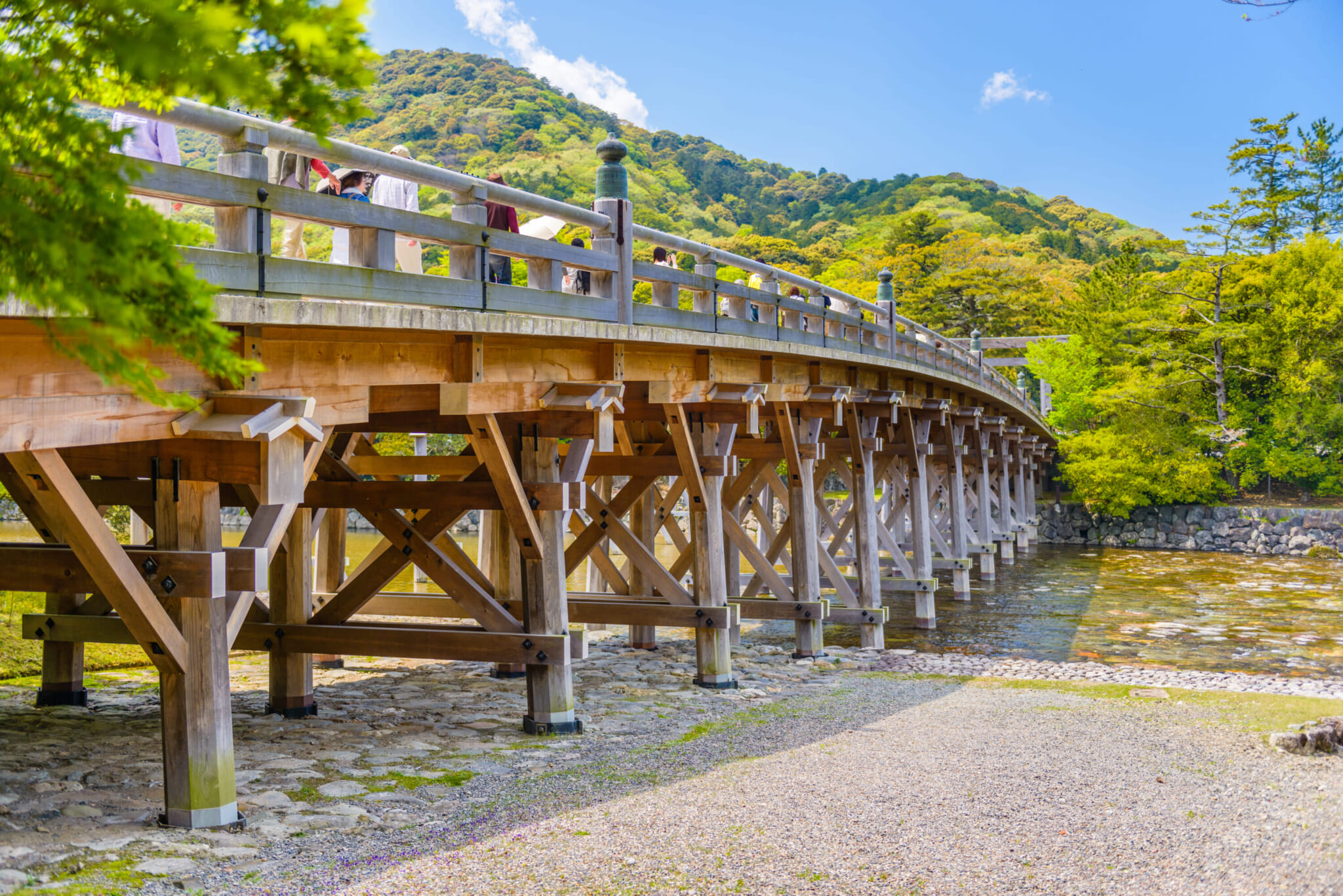
From an academic perspective, historians have lauded the Ise Jingu management for their transparency regarding the "technology" of the shrine. The Sengukan Museum, located near the Geku (Outer Shrine), serves as an official repository of this knowledge. It provides visitors with a 1:1 scale reconstruction of a shrine building, allowing the public to see the intricate joinery that holds the massive structures together without a single iron nail.
Implications for Modernity
The implications of the Ise Jingu model are profound for a modern world grappling with environmental degradation and the loss of traditional knowledge. Ise Jingu posits that true permanence is not found in the material (which will eventually rot), but in the community’s commitment to the ritual of care.
By prioritizing the "rebuilding" over the "built," the Shinto tradition offers a counter-narrative to the modern "build-to-last" philosophy, which often leads to neglect once a structure becomes too costly to maintain. At Ise, the cost is built into the culture, and the labor is framed as a communal honor rather than a burden.
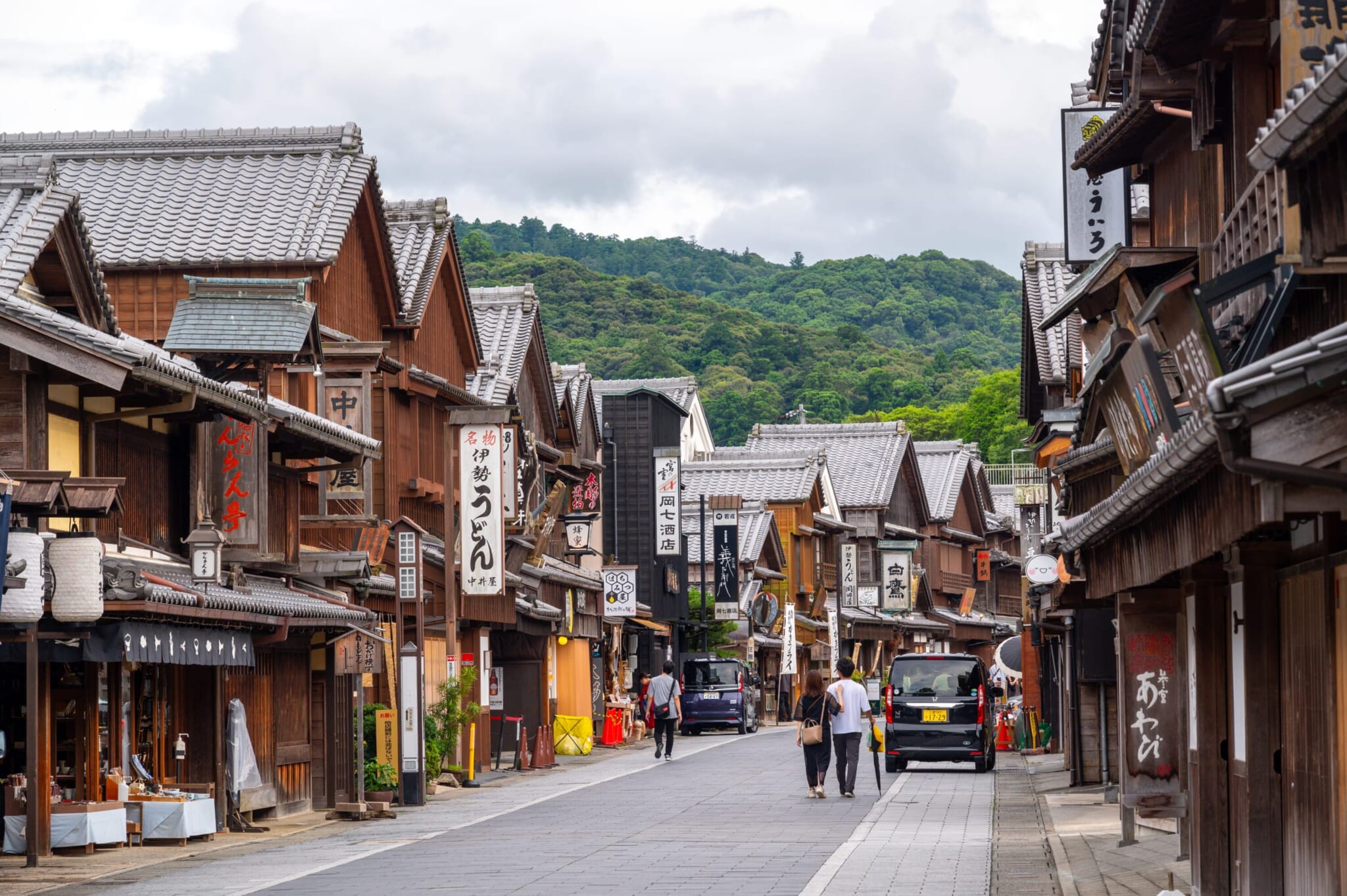
For the visitor, whether one travels to Ise during the thunderous energy of the Okihiki log-hauling or during the quiet, contemplative seasons of the year, the message is clear: history is not something that stays behind us. It is something we must actively rebuild, day by day, year by year, century by century. As you walk the cobblestones of Oharaimachi—the merchant street that leads to the shrine gates—and sample the akafuku (the sweet red bean mochi that has fueled pilgrims since the Edo period), you are not just a tourist. You are a participant in a 1,300-year-old conversation about what it means to keep a culture alive.
Ise Jingu stands as a testament to the idea that if you care for the forest, the forest will care for your traditions, and if you care for the traditions, they will provide the architecture of your soul.


 Neng Nana
 Asro
Asro