

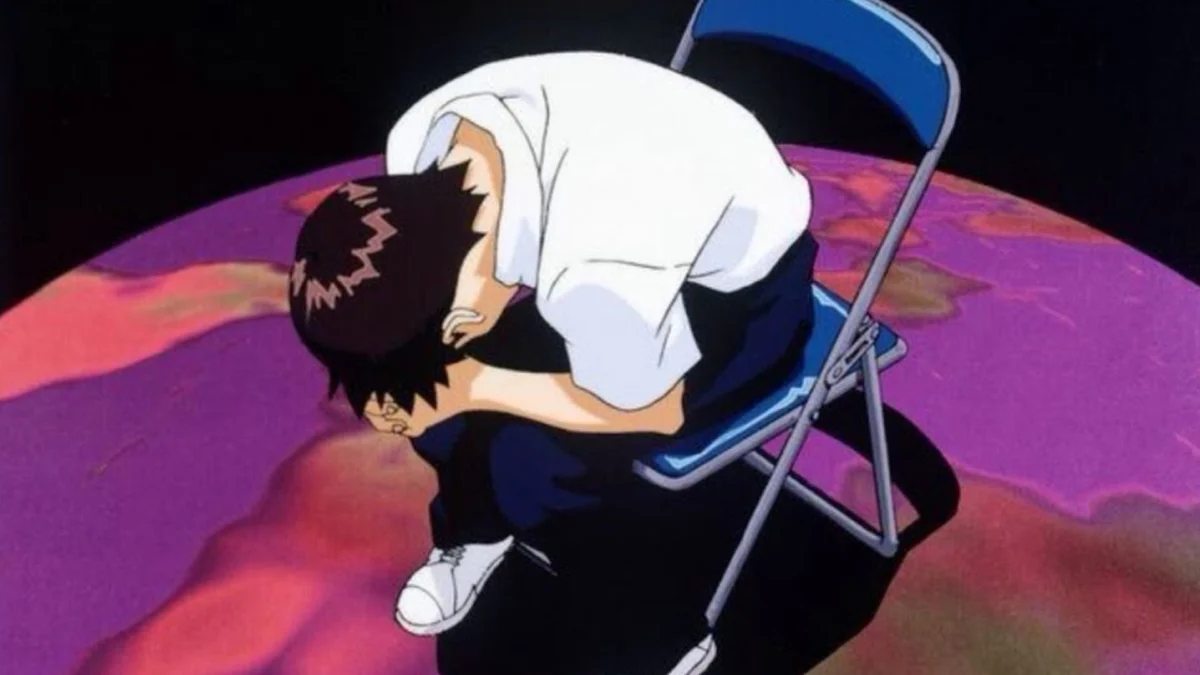
For over three decades, Neon Genesis Evangelion has stood as the undisputed monolith of the anime industry. Since its debut in 1995, Hideaki Anno’s psychological masterpiece has transcended the medium of animation, becoming a cultural touchstone that has sparked endless academic discourse, philosophical debate, and fan-driven analysis. While the series is often remembered for its groundbreaking mechanical designs and apocalyptic stakes, its true legacy lies in its deeply intimate exploration of human trauma and the desperate search for connection.
As of 2026, the franchise has reached a momentous milestone: its 30th anniversary. Rather than resting on its laurels, the Evangelion IP has entered a period of unprecedented activity, culminating in a surprise short film, a definitive closure for its most complex character, and the announcement of a bold new era for the series.
A Legacy Defined by Deconstruction
When Neon Genesis Evangelion first aired, it was ostensibly a "mecha" anime. Audiences were initially drawn in by the sleek aesthetics of the Evangelion Units and the high-stakes battles against the enigmatic Angels. However, creator Hideaki Anno had a different agenda. As the series progressed, the focus shifted from the external war against humanity’s extinction to the internal war being waged within the minds of its teenage pilots.
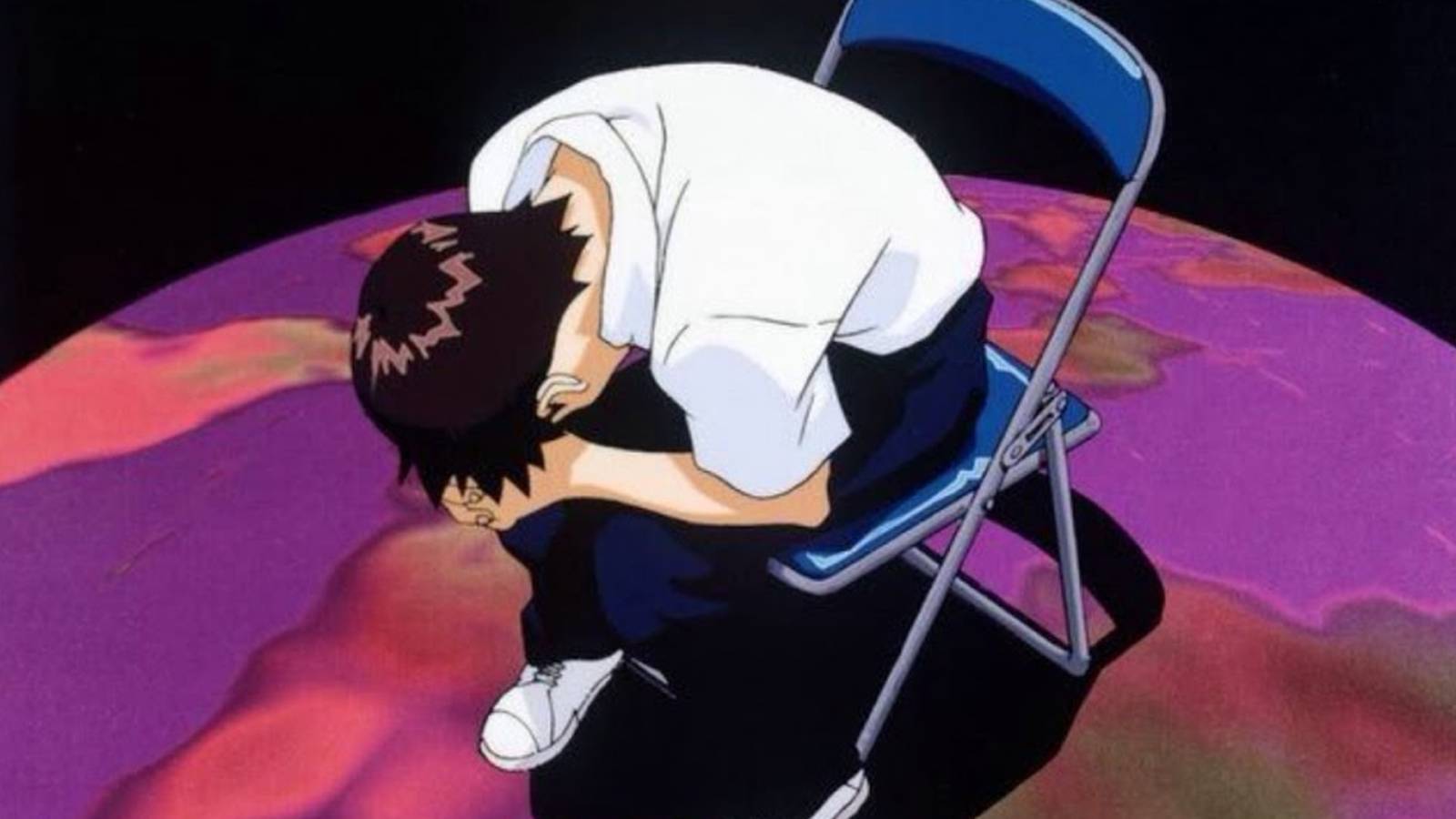
Over the last 30 years, the series has survived multiple iterations—from the original TV ending and The End of Evangelion film to the expansive Rebuild of Evangelion tetralogy. Each installment served to deconstruct the viewer’s expectations, challenging the very tropes of the genre it helped popularize. It is this refusal to remain static that has kept Evangelion at the forefront of pop culture, ensuring that every new generation discovers the series with fresh, often bewildered, eyes.
Chronology: From 1995 to the 30th Anniversary
The history of Evangelion is one of constant evolution. To understand the gravity of the recent 30th-anniversary developments, one must look at the timeline of its transformation:
- 1995–1996: The original TV series airs, concluding with the abstract and controversial psychological exploration of the "Human Instrumentality Project."
- 1997: The End of Evangelion provides a visceral, cinematic, and polarizing alternative conclusion, grounding the series’ philosophical queries in shocking, apocalyptic imagery.
- 2007–2021: The Rebuild of Evangelion films (1.0, 2.0, 3.0, and 3.0+1.0) redefine the series for a modern audience, ultimately serving as a meta-commentary on Anno’s own journey as an artist and his desire to finally "grow up" and move past his creation.
- 2026: The 30th-anniversary celebration in Tokyo marks a pivot point. The debut of a new, secretive short film and the announcement of a new project helmed by Yoko Taro signal that the franchise is stepping into a post-Anno era.
The 30th Anniversary Short Film: A Radiant Conclusion
At the Evangelion:30 event in Tokyo earlier this year, the atmosphere was thick with anticipation. Hideaki Anno, having previously expressed that his work on the Rebuild films was his final goodbye to the franchise, shocked attendees by presenting a brand-new short film. According to Anno, the piece was completed mere hours before the screening.

The short film is widely regarded by attendees as the most "hopeful" and "bright" conclusion the series has ever seen. While the franchise is famous for its crushing nihilism and heavy emotional baggage, this short offers a unique gift to the character of Asuka Langley Soryu. By focusing on her perspective during the events of Instrumentality, the short serves as a bridge between the original series and the Rebuild timeline, placing both Asuka Langley Soryu and Asuka Shikinami Langley in dialogue with one another.
Giving Asuka the Closure She Deserved
For 30 years, Asuka has been a lightning rod for fan debate. Often caught in the crossfire of Shinji Ikari’s internal struggles, her own trauma was frequently overshadowed by the plot’s grander requirements. The short film corrects this imbalance. By giving Asuka the lead role, the narrative allows her to take agency over her own future.
The inclusion of the iconic, haunting track "Komm, süsser Tod" from The End of Evangelion creates a powerful juxtaposition. Where the song once underscored a moment of total collapse, here it acts as a swan song for the old guard, signaling a transition toward self-actualization. It is, by all accounts, a satisfying, humanistic end for the series’ most spirited and combative pilot.

Implications: The New Era of Evangelion
The most significant takeaway from the 30th-anniversary event is the confirmation that Evangelion will continue, but under a new creative vision. Studio Khara’s announcement that Yoko Taro, the visionary creator behind the Nier and Drakengard series, will be writing an all-new Evangelion anime project has sent shockwaves through the industry.
Why Yoko Taro?
Yoko Taro is perhaps the only creator whose thematic sensibilities align as closely with Anno’s as they do with the Evangelion DNA. Like Anno, Taro is a master of "meta" storytelling, frequently breaking the fourth wall and forcing players to question their own role in the tragedies they witness.
Taro’s work on Nier: Automata shares a deep, structural affinity with Evangelion—both deal with the nature of existence, the futility of war, and the search for identity in a world dominated by god-like entities and artificial constructs. Handing the reins to Taro suggests that the new project will not simply be a reboot or a spin-off, but a thematic successor that honors the franchise’s history while carving out a distinct, potentially darker, and more existential path.
Official Responses and Industry Impact
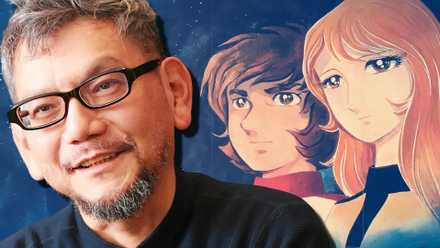
The industry reaction to the 30th-anniversary developments has been one of reverence and caution. Hideaki Anno has long been a vocal critic of the state of the modern anime industry, often warning that the sector is becoming too focused on commercial replication rather than creative risk-taking.
In light of this, the move to bring in a creator like Yoko Taro is viewed by critics as a deliberate attempt to preserve the "auteur" spirit of the series. The official response from Studio Khara has been sparse regarding the plot of the new series, but they have emphasized that this will be a "new era." By moving away from the core cast of the original series, the studio is signaling a willingness to let the legacy characters rest, allowing the world of Evangelion—the lore, the Evas, and the philosophical inquiries—to exist as a sandbox for new creative voices.
Final Analysis: The Future of a Titan
As Neon Genesis Evangelion enters its fourth decade, it finds itself in a rare position for a legacy franchise: it is both finished and beginning. The recent short film provided a emotional catharsis for fans who have spent decades analyzing every frame of the original series. It provided the closure that many felt was missing for Asuka and, by extension, for the audience itself.

However, the announcement of a new series ensures that the conversation will not end here. The prospect of an Evangelion world filtered through the cynical, beautiful, and mind-bending lens of Yoko Taro is an exciting development that promises to keep the franchise relevant for years to come.
Whether the new project will feature the return of Shinji, Rei, or Asuka remains a point of intense speculation. Yet, for the millions of fans worldwide, the question is less about the characters and more about the ideas. As long as Evangelion continues to ask the difficult questions about the human condition—the "Hedgehog’s Dilemma" of desiring closeness while fearing the pain it brings—it will remain the most essential series in anime history.
The 30th anniversary was more than just a celebration; it was a passing of the torch. While Hideaki Anno’s specific fingerprints will always define the foundational aesthetic of Evangelion, the series is now poised to evolve into something greater: a cultural phenomenon that can survive the departure of its creator, proving that the themes it explores are as timeless as the human experience itself.











No comments yet. Be the first to join the conversation!