Ammar Sabilarrohman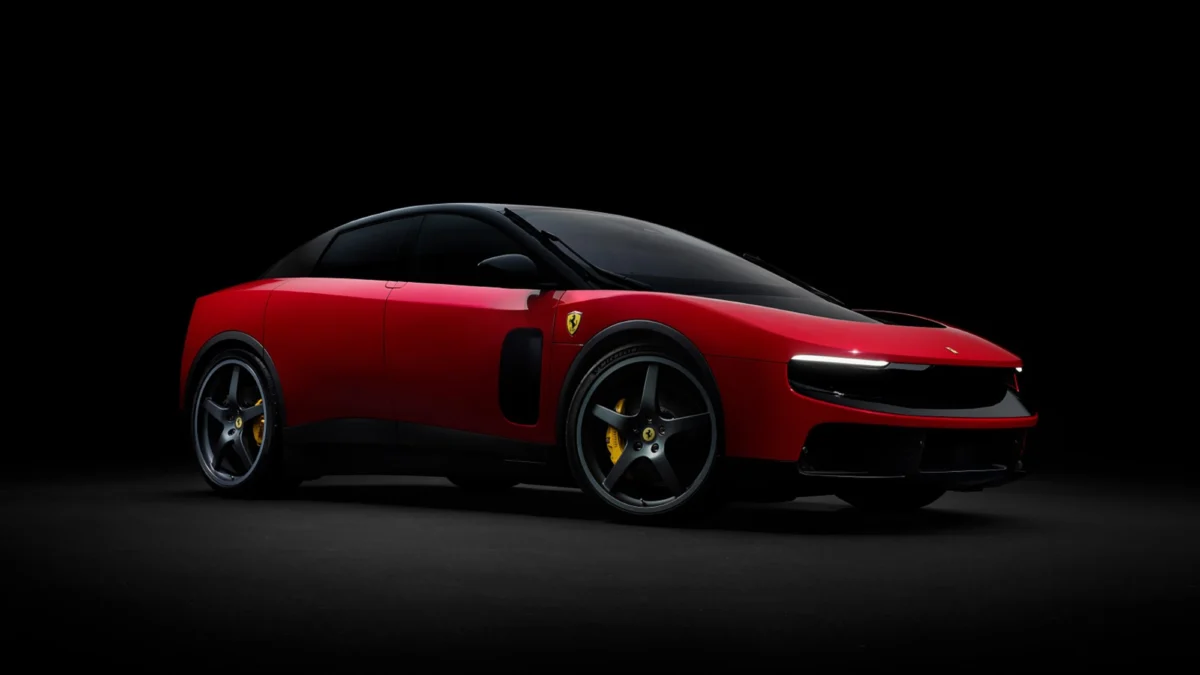
The unveiling of the Ferrari Luce—the legendary Italian marque’s inaugural foray into the pure electric vehicle (EV) market—has triggered a seismic shift in the automotive world. While the phrase "broke the internet" is frequently diluted by hyperbolic social media usage, the arrival of the Luce truly commanded a global stage, resulting in a fractured reception that pits traditionalist purists against the forward-looking architects of the brand’s future.
The vehicle, a collaborative effort involving the storied Maranello design house and the LoveFrom design collective led by Sir Jony Ive, has become a focal point of intense scrutiny. From its aesthetic departure from the classic Ferrari silhouette to the contentious $640,000 price tag and a 329-mile range that many critics deem insufficient for the hyper-luxury segment, the Luce is a study in high-stakes corporate transition.
The Anatomy of a Design Backlash
The primary source of the public’s ire stems from the Luce’s aesthetic identity. Ferrari, a brand historically synonymous with emotive, aggressive, and sculpted Italian styling, has delivered an EV that critics describe as "bulbous" and "homogenous."
Sir Jony Ive, famed for his minimalist, human-centric design language during his tenure at Apple, has applied a similar philosophy to the Luce’s interior and exterior. By rejecting the industry-standard trend of "Tesla-style" oversized tablet screens in favor of a button-heavy, tactile cockpit, Ive has signaled a clear intent to prioritize driver engagement. However, the external form factor has failed to resonate with the Tifosi.
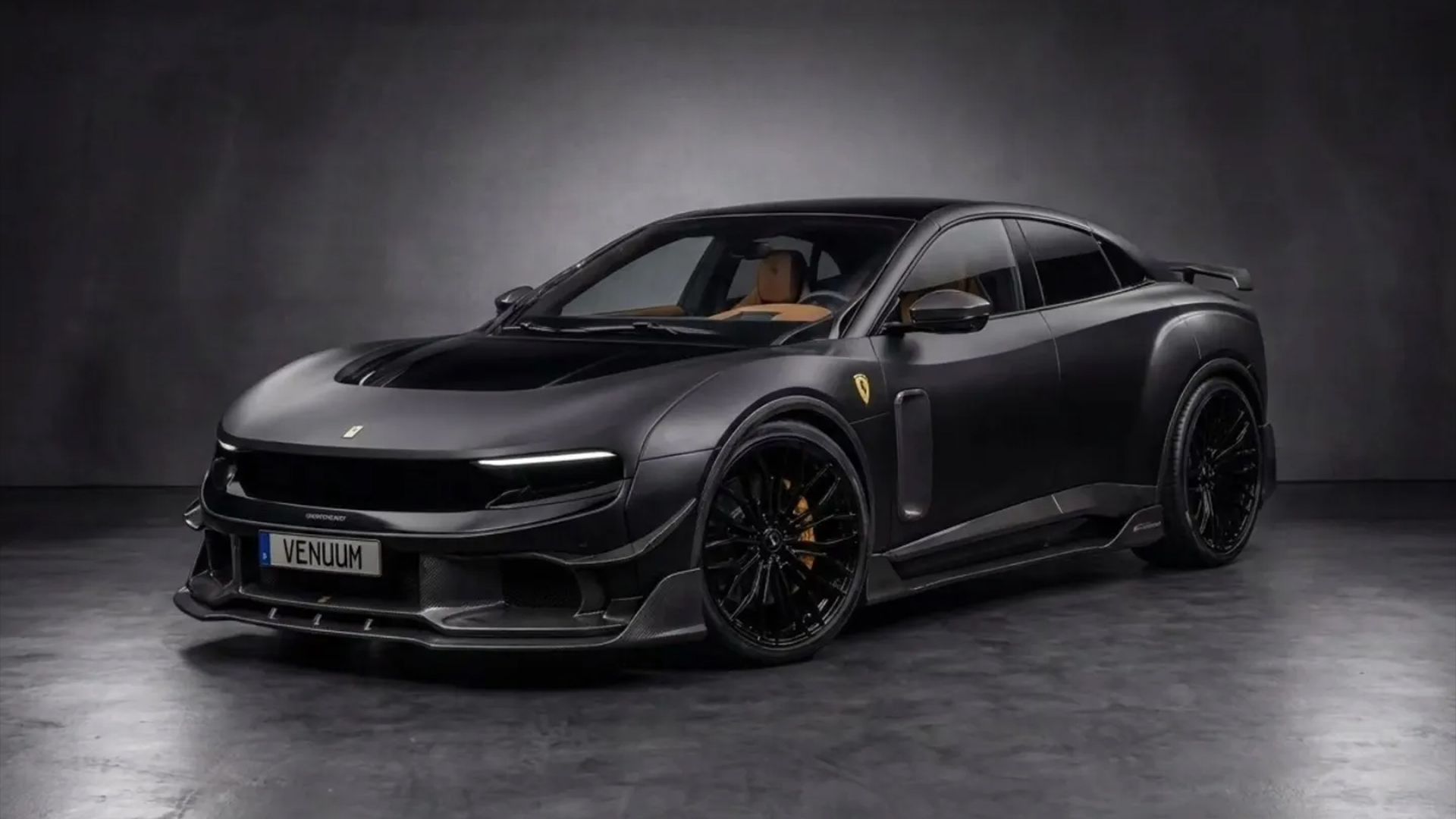
The design, which prioritizes aerodynamics for efficiency—a necessity for any EV aiming for range—has resulted in a shape that lacks the visceral "Italian drama" expected of the Prancing Horse. The controversy reached such a fever pitch that Nissan’s North American social media team publicly remarked on the car’s resemblance to the Nissan Leaf, a comparison that served to deflate the prestige Ferrari usually commands. While the post was swiftly retracted, the damage to the narrative was done.
Chronology of the Crisis
The timeline of the Luce’s reception highlights how quickly a prestige product can become a lightning rod for criticism:
- The Tease: Leading up to the reveal, speculation was rampant. Would Ferrari pivot to a sleek, low-slung EV or something entirely new?
- The Reveal: The Luce is unveiled to a global audience. The immediate reaction on social media is one of confusion and disappointment, with thousands of forum users questioning the design direction.
- The Financial Impact: Within 48 hours of the announcement, Ferrari’s stock price suffered a notable decline, reflecting investor uncertainty regarding the brand’s ability to maintain its high-margin luxury status while transitioning to electric propulsion.
- The "Leaf" Comparison: Nissan’s social media gaffe draws mainstream media attention, turning the car into a viral meme.
- The Aftermath: Independent design houses, such as the UAE-based Venuum, begin releasing unofficial renders to "fix" the design, while Ferrari leadership attempts to curb the narrative by focusing on order books and new customer acquisition.
The Aftermarket Intervention: The Venuum Vision
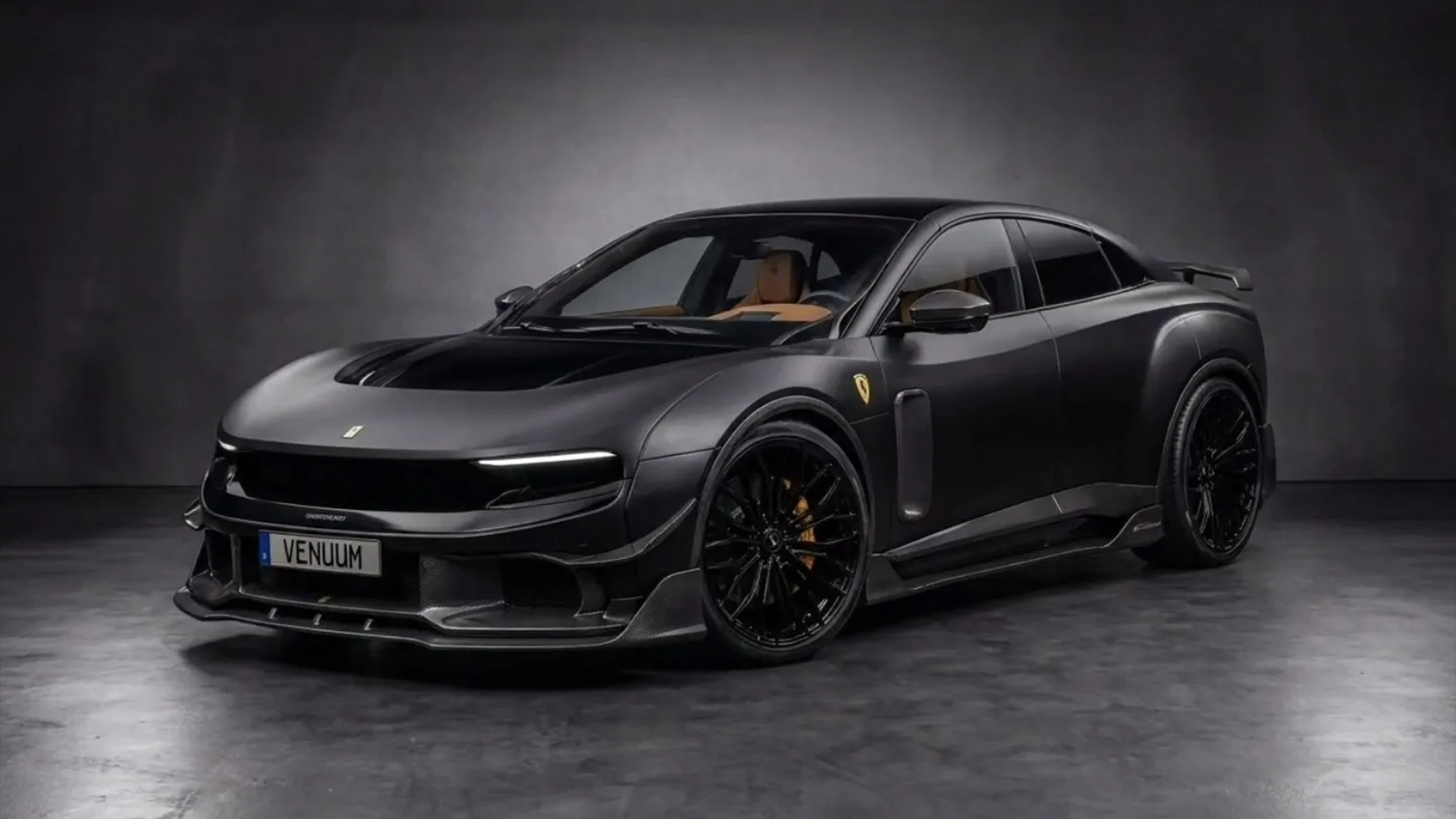
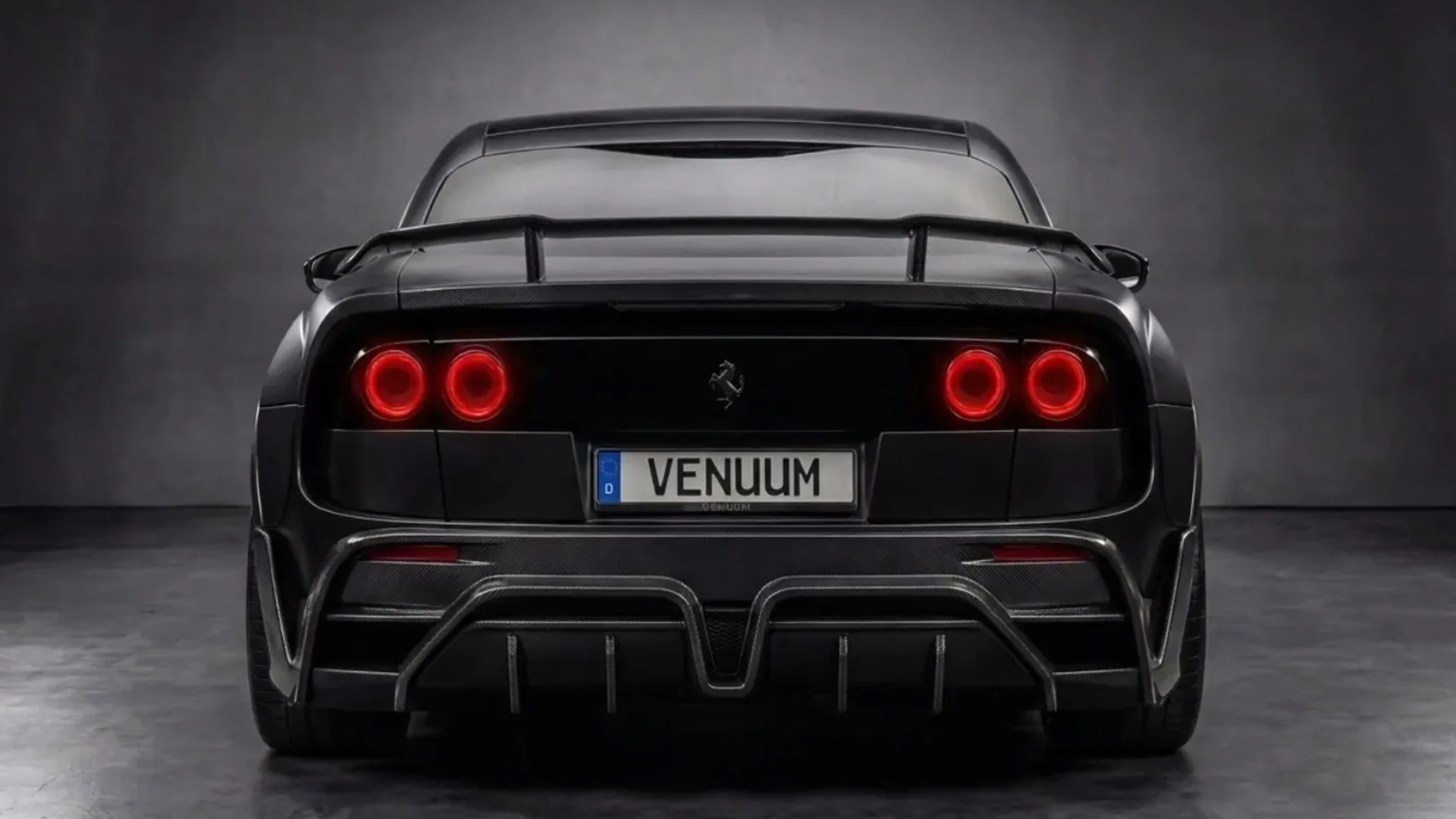
In the wake of the public outcry, the UAE-based aftermarket tuner Venuum took it upon themselves to "re-imagine" the Luce. By integrating aggressive carbon-fiber splitters, a fixed rear wing, and a massive, track-ready diffuser, Venuum attempted to inject the missing aggression into the car’s profile.
While the render has been praised by those who feel the original is too soft, it has also sparked a secondary debate: does the Luce’s underlying chassis allow for such aesthetic modification? Furthermore, the tuning firm’s intervention highlights a recurring theme in the history of the brand—the tension between Ferrari’s strict, controlled design language and the desire of owners to personalize their vehicles. It is worth noting that Ferrari maintains a notoriously litigious relationship with those who "mess" with their designs, meaning the Venuum kit may remain a digital fantasy.
Technical Specifications and Market Positioning
The Luce enters the market at a significant disadvantage regarding the "numbers game." At a $640,000 price point, consumers expect class-leading specifications. A 329-mile range is, by modern standards, respectable for a daily driver, but for a vehicle carrying the Ferrari badge—and competing against hyper-performance EVs from brands like Rimac or Lucid—it is viewed by many as underwhelming.
The core challenge for Ferrari is the "weight-to-soul" ratio. EVs are inherently heavy due to battery density, and the Luce is no exception. This weight compromises the agility that has defined Ferrari’s engineering excellence for decades. The reliance on extreme aerodynamic shaping to mitigate the range penalty has created a "dumpy" appearance, as noted by industry analysts, which makes it difficult to justify the price to the traditional Ferrari collector who values the "theatre" of an internal combustion engine (ICE).
Official Responses and Strategic Defense
Ferrari’s leadership, led by CEO Benedetto Vigna, has remained steadfast in the face of the criticism. Vigna has publicly emphasized that the Luce is attracting an entirely new demographic of buyers—people who have perhaps never owned a Ferrari before.
"We have already received bank transfers," Vigna told Reuters. "Clients who were there want it." This defense is crucial: it suggests that the traditional Tifosi are not the target market for the Luce. By pivoting toward a new, tech-oriented, and perhaps younger, eco-conscious elite, Ferrari is banking on the idea that the "brand equity" of the Prancing Horse is strong enough to survive a departure from its traditional aesthetic roots.
However, the opposition is not just from the public. Reports indicate that even within the highest echelons of the industry, there is apprehension. A former CEO of the company notably remarked that the project risked "destroying a legend," even going so far as to suggest the car should not wear the Ferrari badge if it failed to deliver on the brand’s promise of passion and performance.
Implications for the Future of Ferrari
The Luce represents a "make-or-break" moment for the Italian icon. The implications of this launch are threefold:
- Design Language Evolution: If the Luce fails to sell in the numbers expected, Ferrari may be forced to abandon the "minimalist" approach and return to the dramatic, sculptural forms that defined the 458 and the F50.
- Market Segmentation: Ferrari is effectively splitting its identity. The brand will likely continue to offer high-performance V12 and hybrid models for the traditionalists, while using the Luce line as a distinct, "tech-first" sub-brand.
- The EV Transition: The broader automotive industry is watching. If Ferrari—a brand that sells on passion and heritage—cannot successfully transition to an electric future, it sends a chilling message to other luxury manufacturers attempting the same move.
Conclusion: A Difficult Road Ahead
The Ferrari Luce is not just a car; it is a symptom of the industry’s broader struggle to reconcile the cold efficiency of electric power with the warm, emotional appeal of luxury motoring. While Sir Jony Ive has defended his choices, arguing for a clean and functional design, the market’s reaction suggests that the "soul" of a Ferrari cannot be entirely stripped away in favor of aerodynamic coefficients.
Whether the Luce eventually becomes a misunderstood classic or a cautionary tale remains to be seen. For now, it stands as a reminder that when you are the world’s most famous car manufacturer, the price of entry into the future is not just money—it is the potential loss of the very identity that made you a legend in the first place. As the dust settles, the question remains: is the Prancing Horse still a horse if it no longer gallops with the same fire? The bank transfers suggest that for the new generation of buyers, the answer is yes. But for the rest of the world, the debate is only just beginning.


 Lina Hope
 Suro Senen