

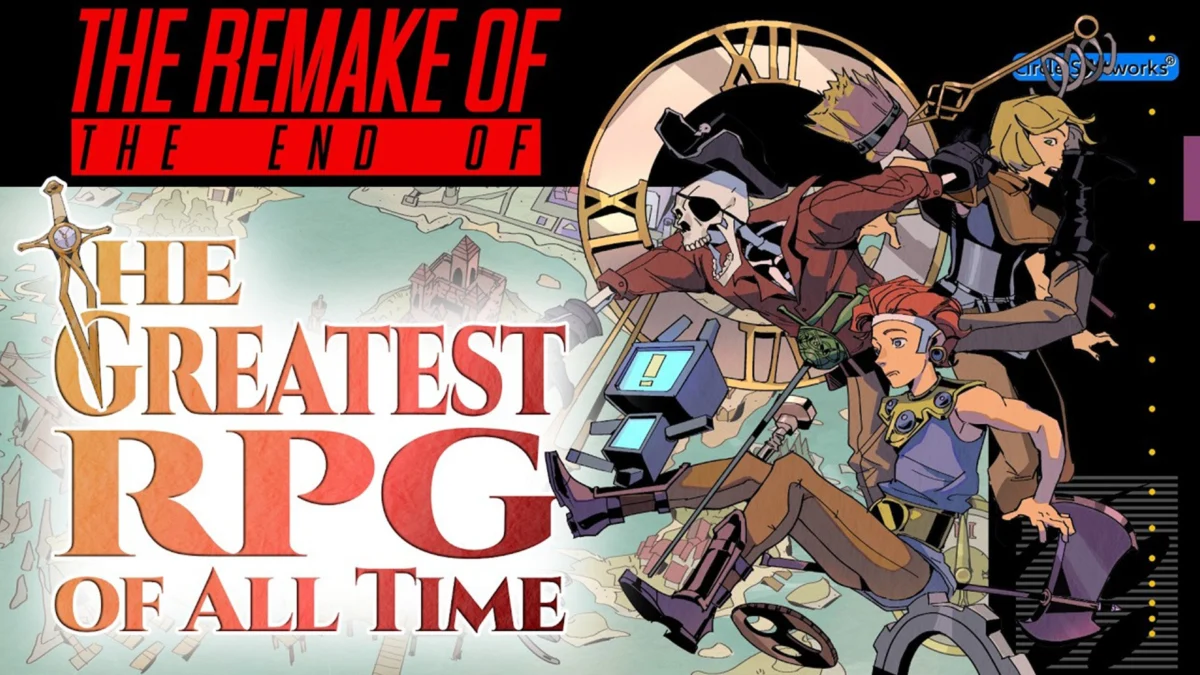
In an industry often obsessed with the "definitive" edition, the "ultimate" remaster, and the perpetual cycle of nostalgia-driven re-releases, it was perhaps inevitable that a game would arrive to deconstruct the very nature of the genre itself. Released today, The Remake of the End of the Greatest RPG of All Time (henceforth referred to as TROTEOTGOAT) is not merely a game—it is an investigative, multi-genre critique of the RPG canon and the fan culture that sustains it.
Developed by Coin Drop Games, the title arrives with a mouthful of a name and a premise that deliberately subverts expectations. It does not offer a sprawling, 100-hour odyssey through a fantasy realm. Instead, it offers a meditative, 4-to-6-hour exploration of the idea of the Greatest RPG of All Time, blending 16-bit aesthetic sensibilities with a meta-narrative that challenges how we define excellence in gaming.
Main Facts: What is TROTEOTGOAT?
At its core, TROTEOTGOAT is a narrative-driven adventure that wears the skin of a classic SNES-era Japanese Role-Playing Game (JRPG). Visually, it leans heavily into the popular "HD-2D" aesthetic—a style popularized by Square Enix’s Octopath Traveler—marrying pixel-art sprites with modern lighting effects and depth-of-field manipulation.
However, the "RPG" label is a red herring. Players do not embark on a grand quest to save a kingdom from a dark lord. Instead, they navigate a world that feels like an archeological dig site of 1990s gaming culture. The gameplay loop involves wandering through environments that feel familiar yet "off," accompanied by a cast of characters who seem pulled from disparate, clashing tropes. The real gameplay, however, takes place in the periphery: inspecting digital manuals, listening to mock director’s commentaries, and uncovering "lost" amateur documentary footage that chronicles the development of a fictional game.
The central mystery is not a plot twist in the game world, but an inquiry into the nature of the "Greatest RPG of All Time." By framing the experience through the lens of a "remake," the developers force players to question whether a work of art can ever truly be perfected or if the "greatest" status is merely a construct of collective memory and cultural bias.
Chronology: From Concept to Release
The development cycle of TROTEOTGOAT was largely kept under wraps until its initial announcement, which leaned into the tongue-in-cheek nature of the project.
- Pre-Production: Coin Drop Games began prototyping the concept as an exercise in exploring "the culture around the game." The team wanted to move away from traditional combat-heavy RPGs and focus on environmental storytelling and artifact analysis.
- The Reveal: The game’s reveal trailer generated immediate buzz for its bold aesthetic and its self-aware, almost irreverent marketing. By poking fun at the long-winded titles of modern JRPGs, the studio managed to capture the attention of a demographic weary of the AAA gaming industry’s tendency to take its own history too seriously.
- The Launch: As of today, the game is available on Steam. Its short, curated runtime—roughly 4 to 6 hours—is a deliberate design choice. In an era where "value" is often equated with "time spent," the developers have opted for a "quality over quantity" approach, tailoring the experience to the modern adult player who may not have the capacity for 80-hour completionist runs.
Supporting Data: The Manual as a Narrative Device
One of the most innovative features of TROTEOTGOAT is its reliance on in-game "physical" media—specifically, the digital game manual. In the 1990s, manuals were more than just instructions; they were part of the experience, often containing lore, character art, and even blank pages for notes.
TROTEOTGOAT captures this "medium immaturity" with remarkable accuracy. Players encounter a manual that has been "desecrated" over time:
- Torn Pages: These serve as environmental puzzles. If a page with a key hint is missing, the player must locate it elsewhere in the world.
- Hand-written Annotations: The manual is filled with the frantic scribbles of a previous "owner," providing tips, hints, and personal frustrations that humanize the experience.
- Doodles: These cheeky additions serve both as aesthetic flair and subtle clues for solving puzzles, bridging the gap between the game’s internal world and the player’s real-world engagement.
This design choice creates a "sacrilegious" feeling of intimacy. It transforms the manual from a static document into a living, breathing artifact of the game’s fictional history.
Official Responses and Industry Context
Early responses to the game suggest a strong critical reception, particularly regarding its tone. Gaming critics have noted that TROTEOTGOAT serves as a much-needed antidote to the "ranking culture" that dominates enthusiast discourse.
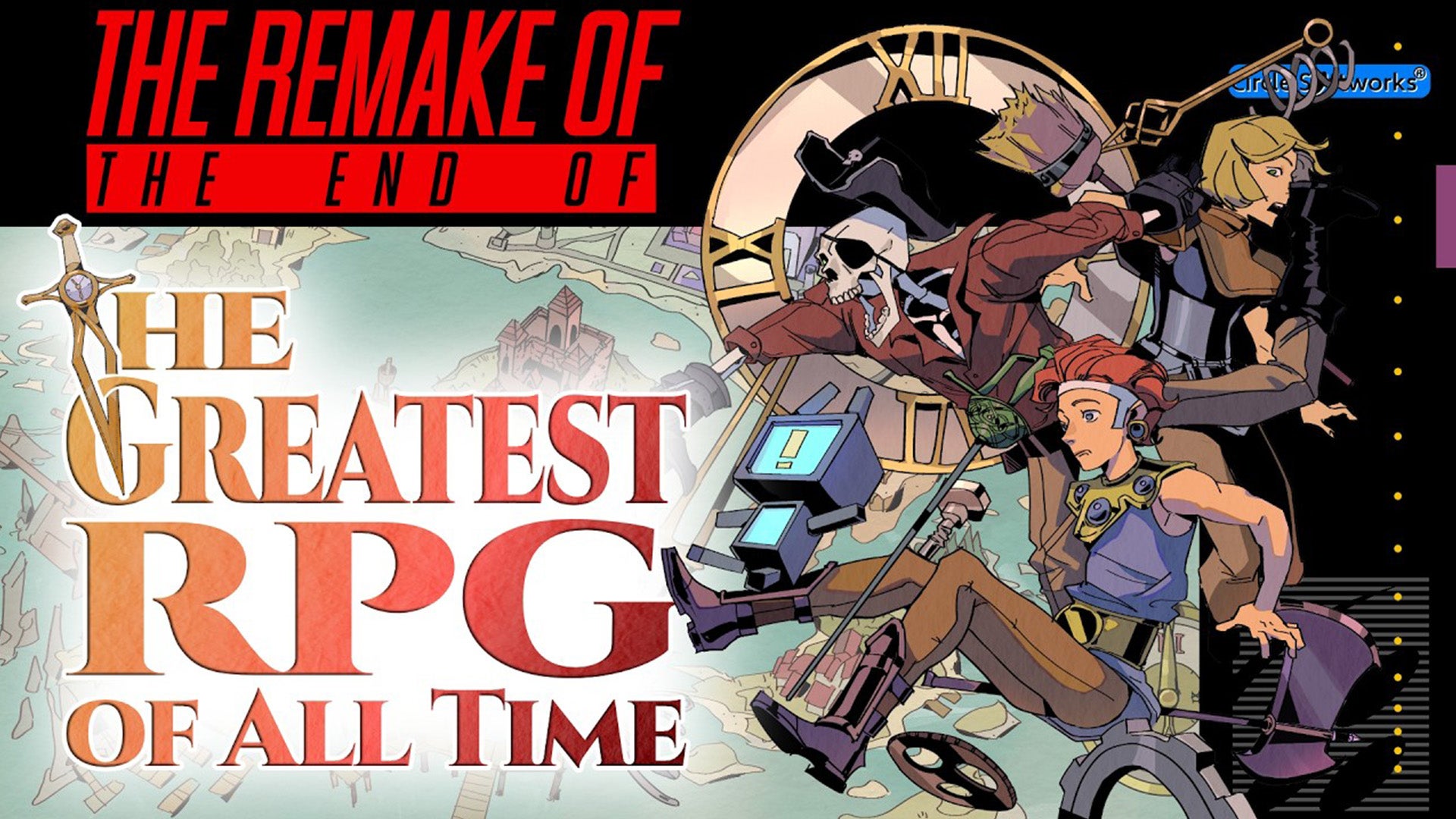
The developers have remained relatively quiet regarding the "Greatest RPG of All Time" debate, effectively letting the game speak for itself. Their stance, as interpreted through the game’s narrative, is that such rankings are inherently fruitless. By presenting the game as a series of perspectives—commentaries, documentaries, and fan-notes—they encourage players to realize that "Greatness" is a subjective, personal metric.
"Someone disagreeing with you won’t kill you," reads the sentiment found within the game’s subtext. It is a plea for pluralism in a medium often divided by tribalism and rigid standards of what constitutes a "perfect" experience.
Implications: The Future of Meta-Gaming
The release of TROTEOTGOAT marks a shift in how indie developers are interacting with the history of the medium. We are seeing a move away from simple "retro-clones" toward games that interrogate the history of gaming itself.
1. The Death of the "Definitive" Experience
By positioning the game as a remake of something that likely never existed, Coin Drop Games is questioning the authority of the "Remake." When developers remake classic titles, they often alter the original vision to suit modern sensibilities. TROTEOTGOAT asks: if the original was already "the greatest," why does it need to be remade? And if it wasn’t the greatest, why do we pretend it was?
2. Time-Efficient Narrative
The decision to cap the experience at 6 hours is a significant statement on the current state of the industry. Many AAA titles are criticized for "bloat"—side quests and filler content designed to inflate playtimes. By opting for a tight, 4-6 hour window, TROTEOTGOAT respects the player’s time, suggesting that a focused, impactful experience is superior to a sprawling, repetitive one.
3. The "Archival" Aesthetic
The game’s focus on manuals, documentaries, and commentaries elevates the game from a product to an archive. This signals a growing trend where games act as museums, preserving the feeling of playing in the 90s, rather than just copying the mechanics.
Conclusion: A Necessary Disruption
The Remake of the End of the Greatest RPG of All Time is a title that requires a bit of effort to type out, but it is an effort well-spent. It is a rare game that manages to be both a love letter to the JRPG genre and a sharp, cynical, and ultimately heartwarming critique of why we love these games in the first place.
Whether you are a fan of 16-bit classics or simply someone interested in the evolving narrative techniques of the medium, TROTEOTGOAT is essential. It asks us to look past the pixels, the turn-based combat, and the "Greatest Of All Time" labels, and instead look at the human experience of play. It reminds us that our personal favorites are valid, our nostalgia is a tool, and that sometimes, the best way to move forward is to look back—with a critical eye and a sense of humor.
TROTEOTGOAT is available now on Steam. For those looking for a concise, thoughtful, and self-aware journey into the heart of gaming culture, it stands as one of the most interesting releases of the year.











No comments yet. Be the first to join the conversation!