

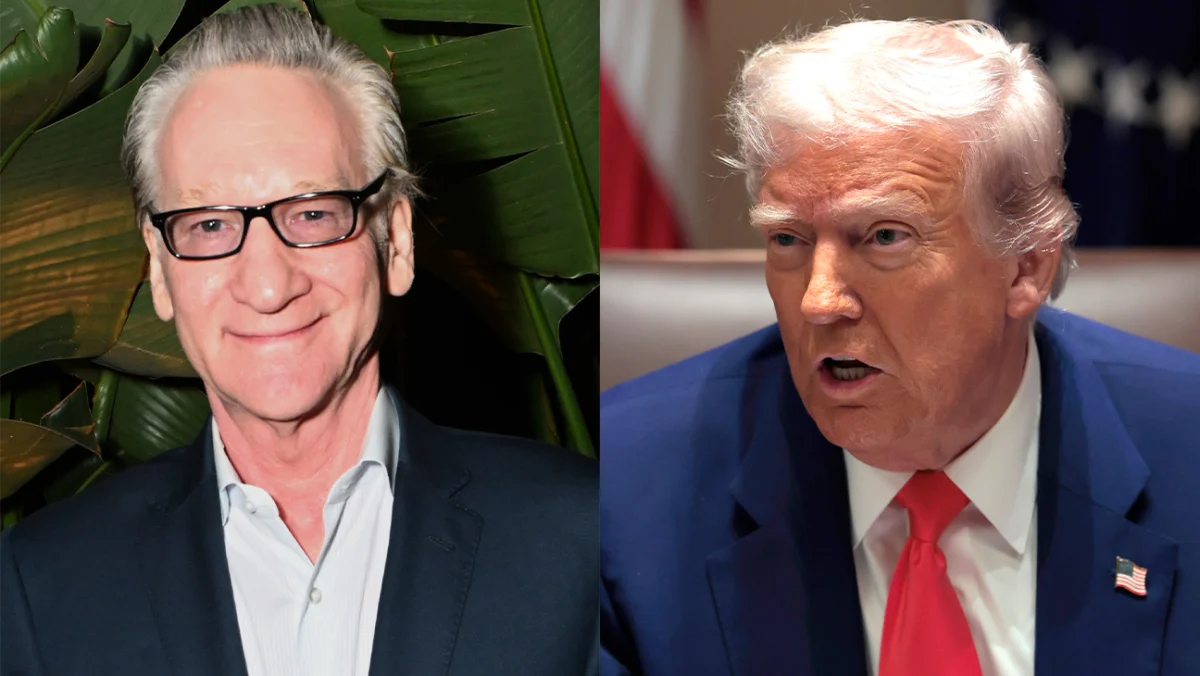
The proposed "Freedom 250" concert series, intended to be the centerpiece of America’s 250th-anniversary celebrations, has devolved into a public relations crisis for the Trump administration. What was marketed as a high-profile, patriotic musical showcase on the National Mall has been marred by a cascading series of artist withdrawals, logistical confusion, and sharp political satire. The fallout has transformed a planned tribute to American heritage into a focal point for the growing cultural divide, leaving the future of the event in significant doubt.
The Monologue That Defined the Narrative
The public’s perception of the chaotic lineup was crystallized this past Friday when political commentator Bill Maher dedicated a segment of his HBO program, Real Time, to the disintegrating roster. Maher, known for his acerbic wit, targeted the administration’s attempt to curate a lineup that seemed detached from the contemporary music industry’s mainstream.
"We’re having a big 250th birthday party for America, a concert," Maher remarked to a laughing audience. "They announced the lineup: Vanilla Ice, Milli Vanilli, Morris Day, Bret Michaels. I think this is very admirable about the president; it shows he’s concerned for the unemployed."
Maher’s monologue underscored the absurdity of the situation, particularly regarding the inclusion of acts that had not confirmed their participation—or, in the case of Milli Vanilli, acts that are geographically and historically unable to perform in the capacity suggested. "That’s got to hurt a lot when you can’t close the deal with Milli Vanilli," Maher quipped, highlighting the administrative failure to properly vet the list of performers before broadcasting it to the nation.
A Chronology of Disengagement
The "Freedom 250" debacle did not happen overnight; it was the result of a slow-moving train wreck that began shortly after the administration’s initial announcement. The timeline of the withdrawals illustrates a growing reluctance within the entertainment industry to align with the specific political brand of the Freedom 250 initiative.
The Initial Wave of Doubt
The trouble began when artists whose names appeared on the promotional materials started taking to social media and their official representatives to deny any involvement. The most jarring of these denials came from the camp of Milli Vanilli. Jodie Rocco, a key figure associated with the group, expressed public shock upon seeing the band’s name on the promotional flyer, noting that no agreement had been reached, nor had any outreach been made.
The Exit of Country and Rock Staples
As the week progressed, the departures became more formal and publicized. Martina McBride, the multi-platinum country music icon, was among the first to formally distance herself from the event. Her withdrawal was followed by industry veterans Young MC and Morris Day, who both clarified that they would not be gracing the stage in Washington, D.C.
The Final Blow: Bret Michaels and The Commodores
The momentum against the concert hit a fever pitch on Friday when Bret Michaels and The Commodores announced their exit. For an event marketed as a unifying celebration, these specific withdrawals were particularly damaging, as they removed the "headliner" quality from the remaining lineup.
The Rationale: Safety and Ideological Divergence
The statements issued by the departing artists provide a window into why this specific event proved so toxic to talent management agencies. While some cited scheduling conflicts or clerical errors, the statement from Bret Michaels offered a deeper look into the friction between the event organizers and the artists.
"Unfortunately, what was presented to us as a celebration of our country has evolved into something much more divisive than what I agreed to be a part of," Michaels noted in a formal statement posted to his website.
The Poison frontman went further, citing tangible safety concerns that reached beyond mere political disagreement. "Concerns have also been raised regarding the safety of my fans, band, crew, family and myself, including threats that are completely unfounded and unforgivable," Michaels wrote. "Because of that, I have made the difficult decision to step away from this performance."
Michaels’ emphasis on the "divisive" nature of the event highlights the central failure of the planning committee: the inability to separate a national milestone from the polarizing political rhetoric currently surrounding the Trump administration. For many artists, the decision to play at an event backed by a specific political administration is no longer viewed as a neutral patriotic act, but as a partisan endorsement that carries real-world risks to their brand and the safety of their touring personnel.
Supporting Data and the "Public-Private" Conflict
The Freedom 250 concert series is anchored by a public-private partnership, a structural model that is intended to bridge the gap between taxpayer-funded initiatives and private sector capital. However, in this instance, the structure appears to have backfired.
By tying a government-backed initiative to a private concert promoter, the administration placed the burden of artist recruitment on a team that seemingly lacked the credibility or the professional network to secure high-tier talent. According to industry insiders, the "Freedom 250" organizers bypassed standard talent-buying protocols—which usually involve lengthy negotiations, contract riders, and mutual vetting—in favor of a "big splash" announcement strategy.
The result is a quantitative failure: out of a list that was arguably thin to begin with, the attrition rate has surpassed 60 percent. With the event scheduled for June 25 through July 10 on the National Mall, time is rapidly running out to fill the void left by the departing acts.
Implications: The Cultural Divide in 2025
The collapse of the Freedom 250 lineup is symptomatic of a broader phenomenon in American culture: the "siloing" of entertainment. As the nation approaches its 250th birthday, the inability to produce a unified, national-scale celebration reveals that cultural cohesion is at an all-time low.
The "Political Test" for Performers
The Freedom 250 saga has set a new precedent for how artists view government-sanctioned events. Moving forward, talent agencies are likely to subject invitations to perform at federal events to rigorous political "stress tests." The risk of being labeled a partisan actor now outweighs the prestige of performing for a presidential initiative.
Administrative Embarrassment
For the administration, the fallout is a significant political bruise. In Washington, optics are paramount. A half-empty concert series on the National Mall during the country’s quasquicentennial would be a potent symbol of failure. The administration now faces a choice: pivot to a more inclusive, non-partisan branding strategy to woo back talent, or proceed with a significantly diminished roster that risks becoming a spectacle of its own making.
The Impact on Public-Private Partnerships
This event may also lead to a cooling of interest in public-private partnerships for cultural celebrations. When commercial interests and political agendas collide, the "private" half of the partnership—the artists and the promoters—often find themselves in a precarious position. The Freedom 250 disaster serves as a case study in how lack of transparency and poor communication can sink an event before it even begins.
Conclusion
As the calendar inches toward the June 25 start date, the "Freedom 250" concert series stands as a testament to the volatility of modern political engagement. While the administration may attempt to rebrand or recruit a new wave of performers, the damage to the event’s reputation is profound.
The exodus of talent, ranging from country legends to 80s pop icons, reflects a consensus that the event had strayed from its intended purpose. Whether this becomes a footnote in the history of the 250th anniversary or a definitive moment of political-cultural friction remains to be seen. For now, the "Freedom 250" concert remains a project in search of both a lineup and a purpose, serving as a reminder that even the most patriotic intentions can falter when they lose the trust of those they intend to showcase.











No comments yet. Be the first to join the conversation!