Muslim
For years, the world of 3D printing was shrouded in a veil of technical complexity. To enter the hobby, enthusiasts were often expected to be part engineer, part software developer, and part patient tinkerer. The learning curve was notoriously steep, frequently involving manual bed leveling, complex slicer configurations, and the constant threat of print failure. However, the landscape is shifting rapidly. As desktop manufacturing moves toward mass-market adoption, manufacturers are prioritizing "plug-and-play" accessibility.
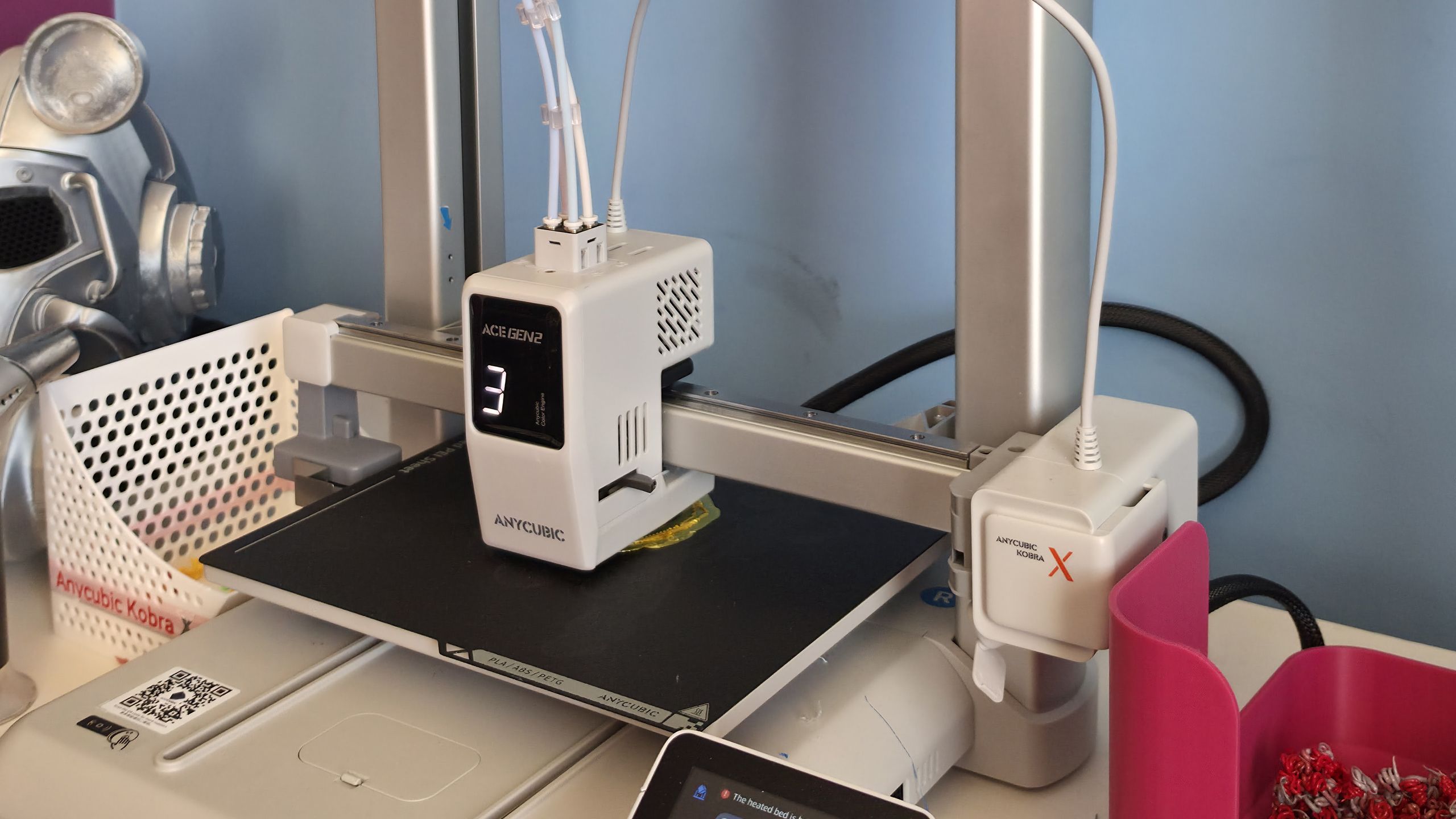
Leading this charge is the Anycubic Kobra series, a line of "bed-slinger" printers that has consistently bridged the gap between professional-grade results and beginner-friendly usability. The latest entrant to this ecosystem, the Anycubic Kobra X, arrives at a pivotal moment, offering advanced multi-color capabilities at a price point that makes it one of the most compelling entry-level machines currently on the market.
Main Facts: A New Standard for Entry-Level Printing
The Anycubic Kobra X is not merely an iterative update; it represents a significant leap forward in how hobbyists approach color-based additive manufacturing. Historically, achieving multi-color 3D prints required expensive, cumbersome external hardware, such as the ACE Pro unit or similar multi-material systems, which often doubled the footprint and cost of the printer.
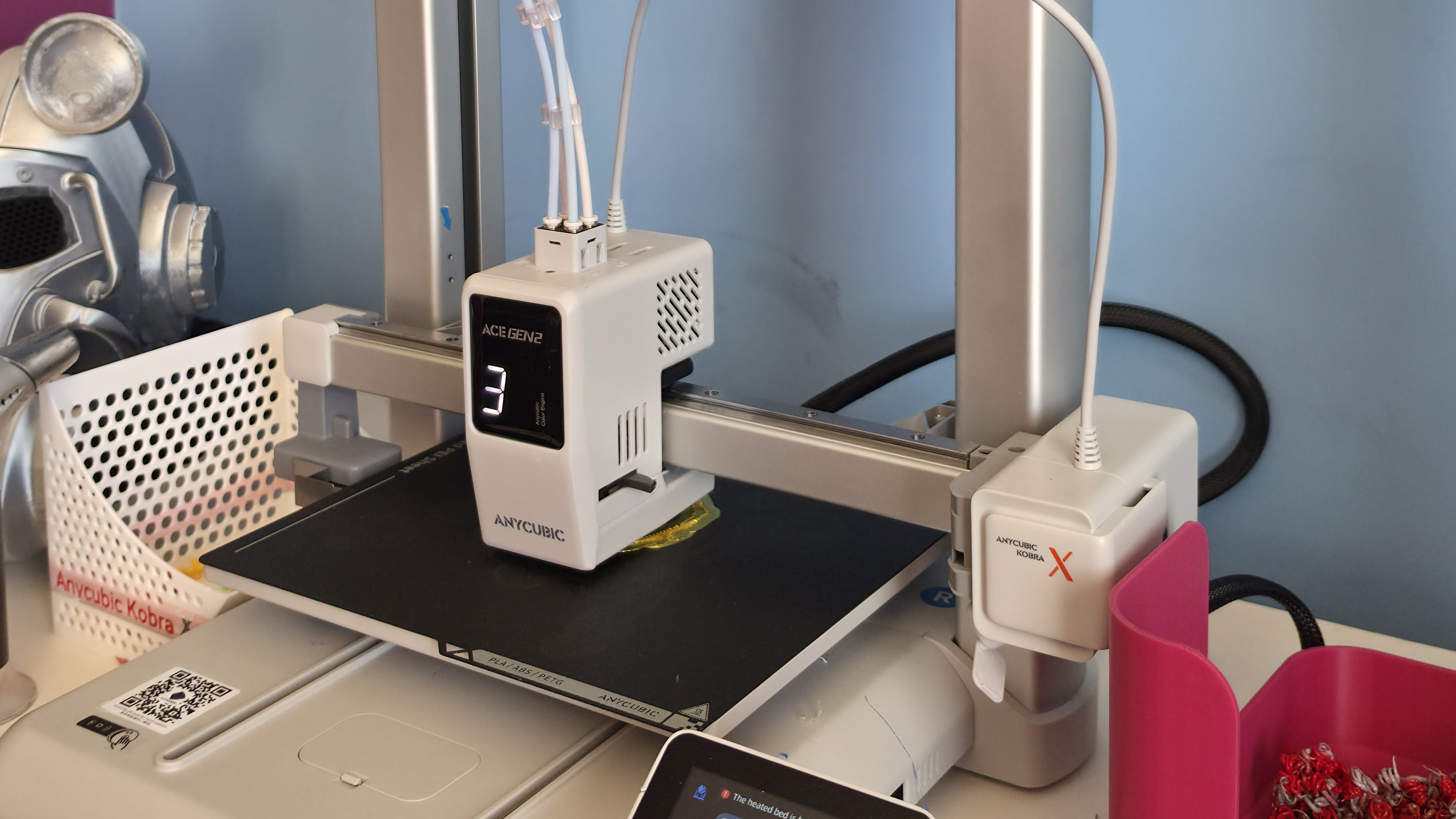
The Kobra X differentiates itself by integrating 4-color compatibility directly into the base unit. This design choice eliminates the need for external feeding systems, allowing users to dive straight into complex, multi-hued projects without the logistical nightmare of setting up intricate auxiliary equipment.
Key Technical Highlights:
- Integrated Multi-Color Architecture: Unlike its predecessors or competitors that require external "AMS" or "Pro" modules, the Kobra X features a streamlined path for four distinct filaments.
- Bedslinger Form Factor: Utilizing the reliable and well-understood Cartesian design, the Kobra X offers a balance between high-speed performance and mechanical simplicity.
- User-Centric Interface: Designed to minimize input, the machine features automated calibration protocols, reducing the manual labor usually associated with first-layer adhesion.
- Unprecedented Value: Currently, the machine is hitting its lowest historical price, with significant discounts available in both the UK (£279, down from £359) and the US ($100 off), positioning it as a highly accessible gateway for students, designers, and hobbyists.
Chronology: The Evolution of the "Kobra" Philosophy
The trajectory of the Kobra line is a masterclass in market responsiveness. When Anycubic first introduced the Kobra series, the focus was primarily on refining the basic bed-slinger experience—improving auto-leveling sensors and build-plate materials to ensure consistency.
- Phase 1: Foundation. Early models focused on reliability. The primary goal was to make "the first layer stick," a notorious pain point for beginners.
- Phase 2: Speed and Efficiency. As the market began to demand faster prints, the Kobra series integrated improved motion systems, reducing print times while maintaining structural integrity.
- Phase 3: The Multi-Color Revolution. The current phase, embodied by the Kobra X, shifts the focus toward artistic expression. Recognizing that hobbyists want to print toys, functional prototypes, and art pieces in multiple colors, Anycubic moved the hardware integration to the center of their development strategy.
The launch of the Kobra X follows a period of intense competition, where brands have been racing to lower the cost of entry for multi-material printing. By integrating the color-changing hardware, Anycubic has effectively undercut the price-to-performance ratios set by competitors in 2023 and early 2024.
Supporting Data: The Economics of the Kobra X
When analyzing the value proposition of the Kobra X, the current promotional pricing is a significant factor. In the UK market, the base price of £359 has been reduced to £279, with an additional "checkout" incentive of £20, totaling a £100 discount. Similar aggressive pricing is visible in the US market, where a $100 discount positions the unit as an "impulse buy" for those curious about 3D printing.
Comparative Market Positioning
| Feature | Traditional 3D Printer | Multi-Color Add-on Systems | Anycubic Kobra X |
|---|---|---|---|
| Setup Complexity | Moderate | High (External modules) | Low (All-in-one) |
| Footprint | Compact | Large (Needs side-space) | Compact |
| Cost (Total) | Low | High | Low |
| Color Ability | Single | 4+ | 4 |
The data suggests that the "hidden costs" of 3D printing—the cost of accessories, enclosures, and external feeders—are the primary barriers for new users. By internalizing these features, the Kobra X lowers the total cost of ownership (TCO) significantly.
Official Responses and Industry Outlook
While Anycubic has kept technical specifications tight-lipped during the pre-launch phase, their marketing communications emphasize the concept of "democratizing complexity." An official spokesperson for the company noted, "The Kobra X is designed for the creator who is intimidated by the ‘mechanical mess’ of modern 3D printing. We want the printer to be the last thing the user thinks about; the focus should remain entirely on the design itself."
Industry analysts observe that this move is a direct response to the "Bambu Lab effect," where users became accustomed to high-speed, multi-color printing. Anycubic’s strategy is clearly to provide that same high-end experience at a price point that dominates the mid-range hobbyist market.
Implications: What This Means for the Maker Community
The arrival of the Kobra X has profound implications for three specific groups:
1. The Aspiring Creator
For those who have been "window shopping" 3D printers, the Kobra X removes the technical anxiety. The promise of an out-of-the-box, 4-color capable system means that the gap between a digital file and a physical, multi-colored object has never been shorter.
2. The Educational Sector
Schools and makerspaces often struggle with the maintenance requirements of traditional printers. A machine that simplifies the color-changing process reduces the likelihood of "operator error," making it an ideal candidate for classroom environments where students need to move from design to print quickly.
3. The Prototyping Market
Designers who need to iterate on functional parts often require color-coding to differentiate components (e.g., in a complex assembly). Having a low-cost, integrated 4-color system on their desktop allows for rapid, color-coded prototyping without the need for expensive industrial-grade machines.
Conclusion: Is It Time to Buy?
As we move into the latter half of the year, the 3D printing market is becoming increasingly crowded. However, the Kobra X stands out not just for its features, but for its timing. By bringing the technology of high-end, multi-color printers into the price bracket of standard, single-material machines, Anycubic is forcing a change in consumer expectations.
For those looking to enter the hobby, the Kobra X offers a rare combination of modern features and historical low pricing. While the "jargon" of 3D printing—slicing, bed adhesion, filament profiles—may still seem daunting, the hardware is finally catching up to the vision. As you embark on your 3D printing journey, having a machine that handles the heavy lifting allows you to focus on what matters most: bringing your creative ideas to life.
For those ready to take the plunge, be sure to consult updated starter guides to ensure you have the necessary filaments and safety gear to get your first print off the bed and into your hands.

 Ammar Sabilarrohman
 Asro
Asro