Raul Delapena Setiawan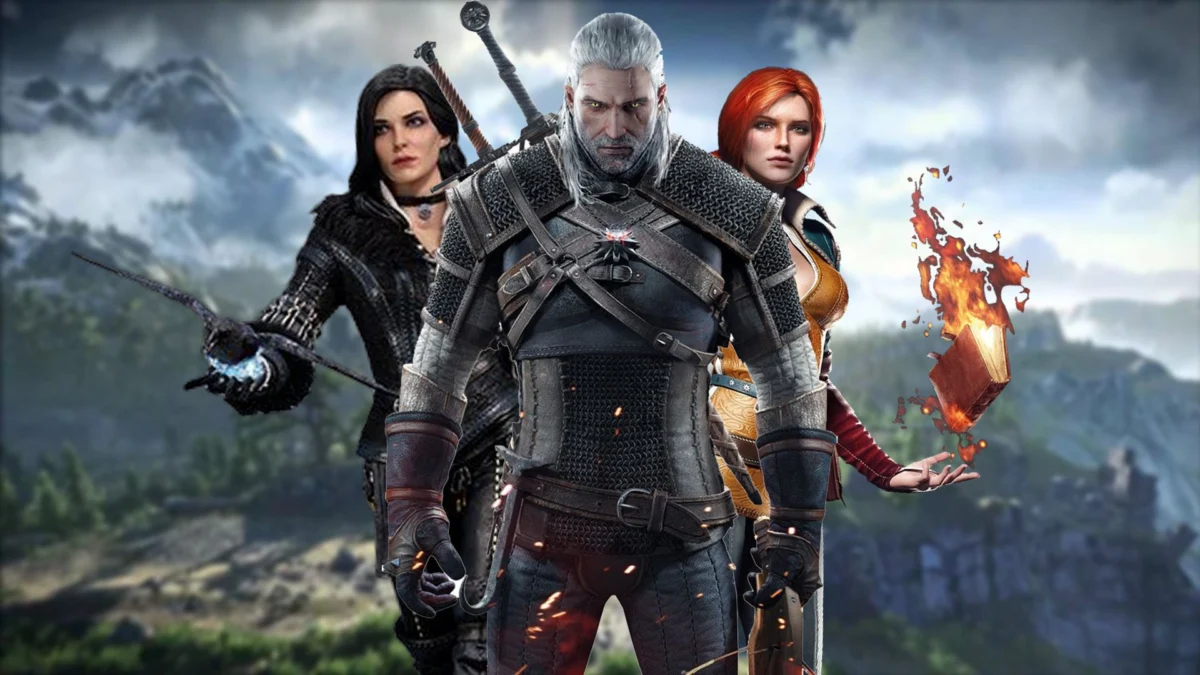
The Witcher 3: Wild Hunt stands as a titan in the pantheon of fantasy role-playing games. While its success is often attributed to its revolutionary open-world design, visceral combat mechanics, and expansive lore, its true longevity lies in the profound emotional weight of its narrative. CD Projekt Red masterfully crafted a world where the line between monster and man is perpetually blurred, forcing players to navigate moral ambiguity, heartbreak, and brief, flickering moments of profound human connection.
As we revisit the Continent, we explore ten of the most impactful quests that defined the emotional landscape of Geralt of Rivia’s journey, examining why these stories continue to resonate with players years after their release.
The Complexity of Morality: A Chronological Look at Iconic Quests
The narrative structure of The Witcher 3 is unique in that the "main" questline is constantly punctuated by side contracts and secondary story arcs that possess as much depth as the primary narrative.
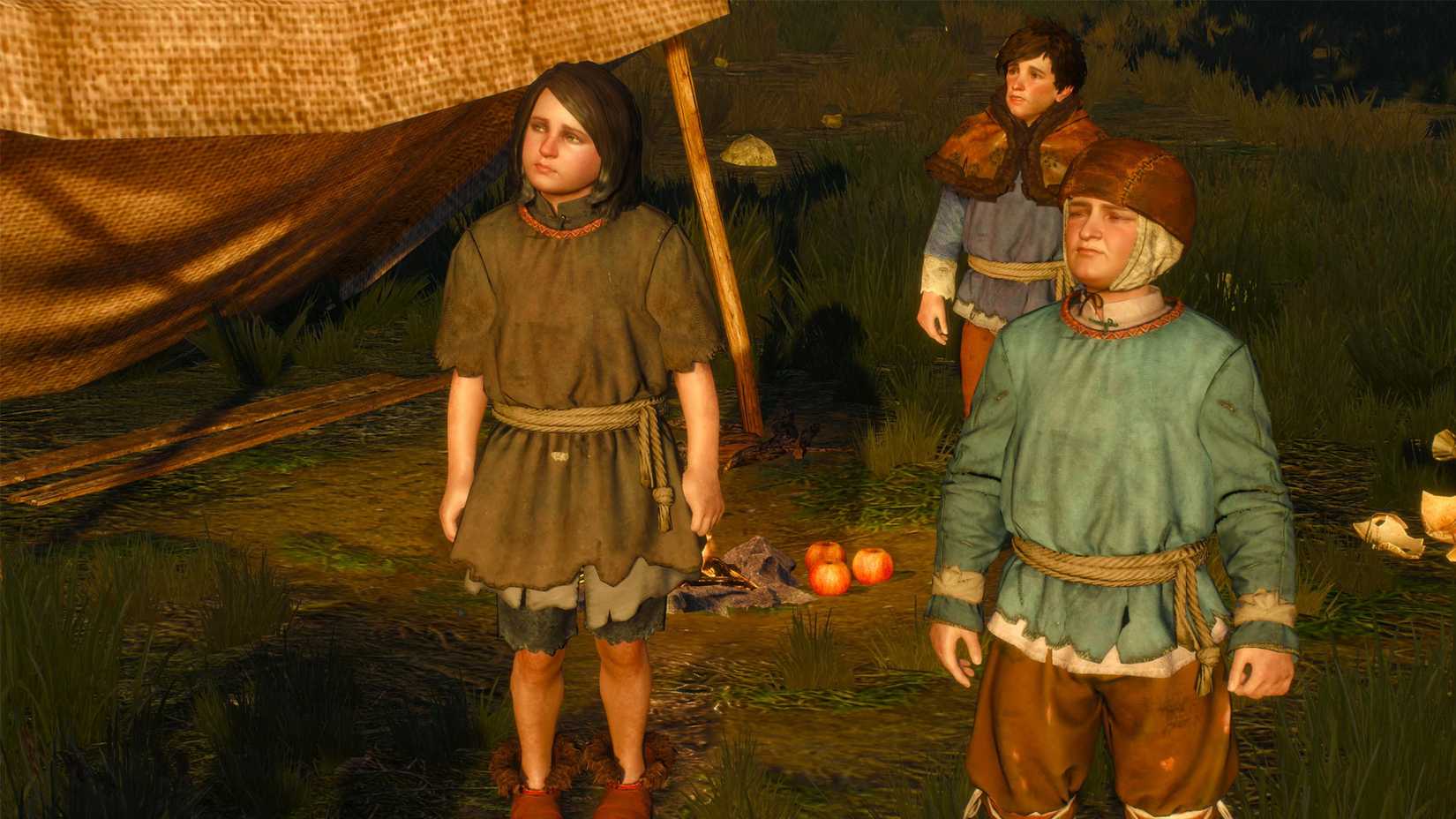
10. Empty Coop: The Desperation of Survival
What begins as a seemingly standard monster contract—"Missing Chickens"—serves as a grim introduction to the societal rot in Novigrad. Tracking the thief leads Geralt not to a hardened bandit, but to a group of orphaned children living in the woods. This quest forces a reflection on the cycle of poverty and crime, challenging the player to view "villains" through the lens of survival.

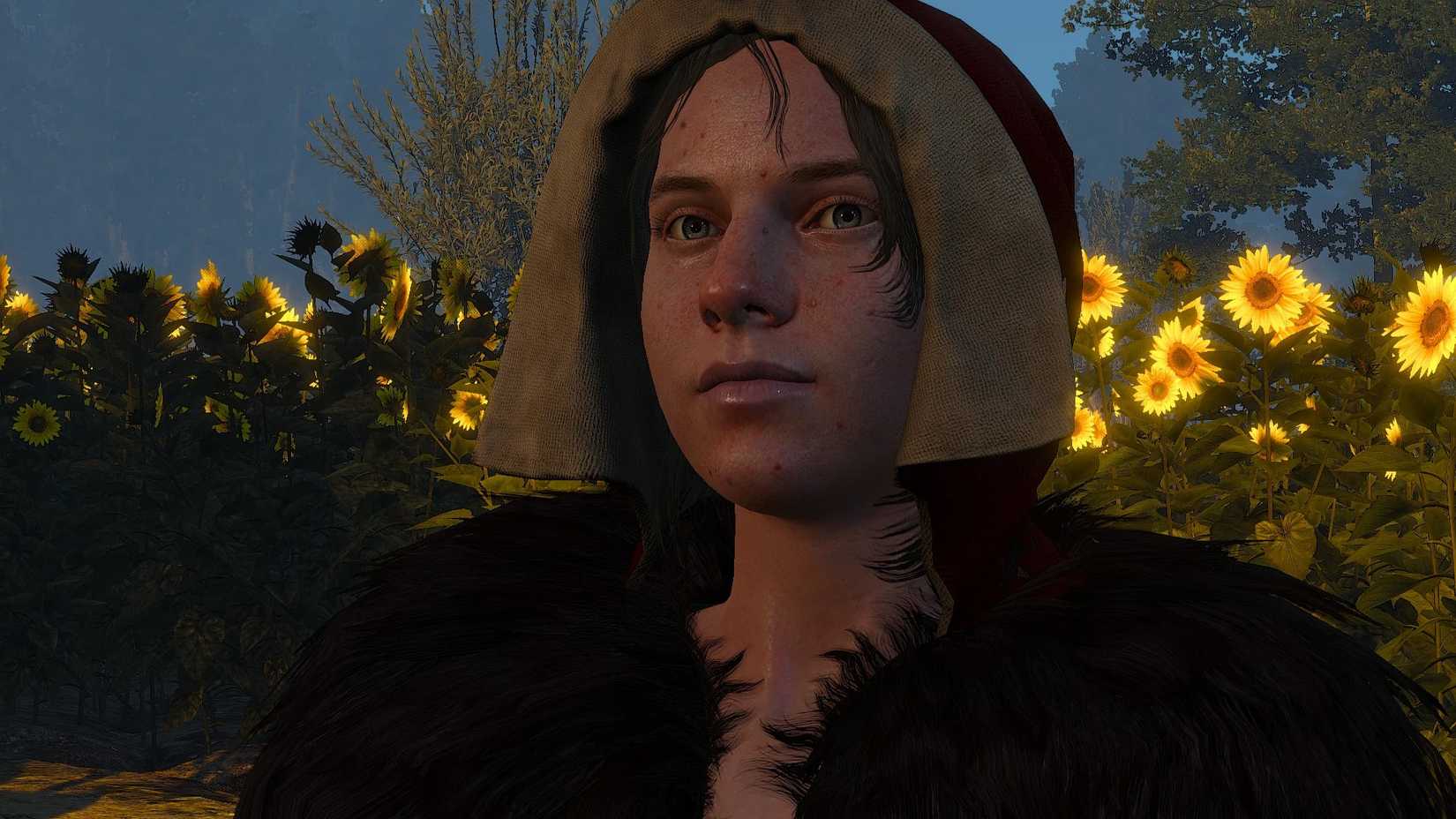
9. Little Red: Folk Horror Revisited
In Yantra, a twist on the classic Red Riding Hood archetype unfolds. The "Little Red" quest showcases the terrifying reality of life in the rural provinces. When the titular character is revealed to be a werewolf, it isn’t merely a boss fight; it is a commentary on how cursed beings are pushed to the fringes of society, driven by desperation and societal rejection.
8. A Matter of Life and Death: Moments of Respite
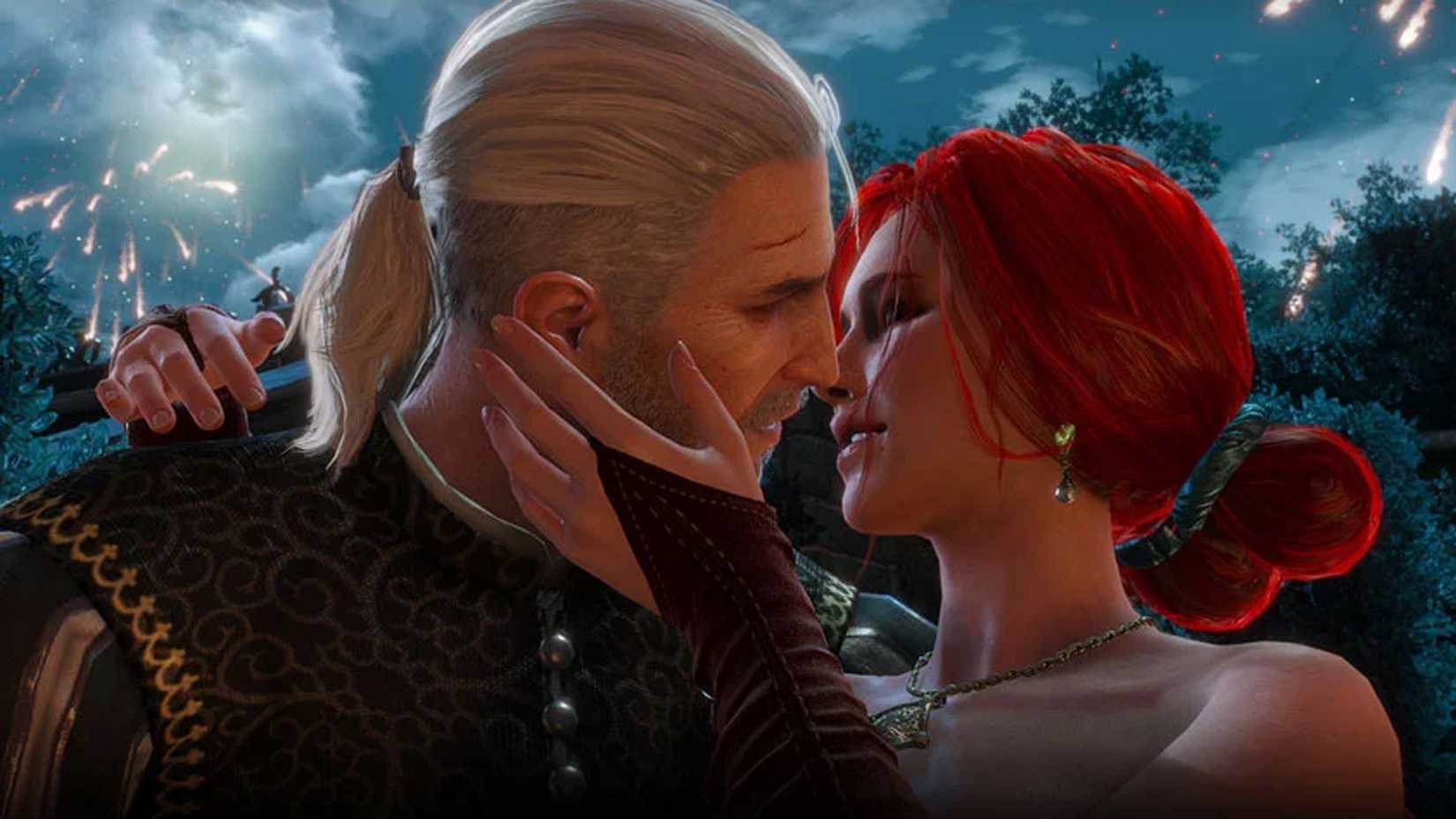
Amidst the gloom of war, the masquerade ball at the Vegelbud estate offers a rare moment of levity. This quest highlights the burgeoning, organic chemistry between Geralt and Triss Merigold. It serves as a necessary breather, allowing players to experience a "normal" social engagement before the narrative inevitably pulls them back into the abyss of political intrigue.

7. The Final Trial: Trauma and Camaraderie
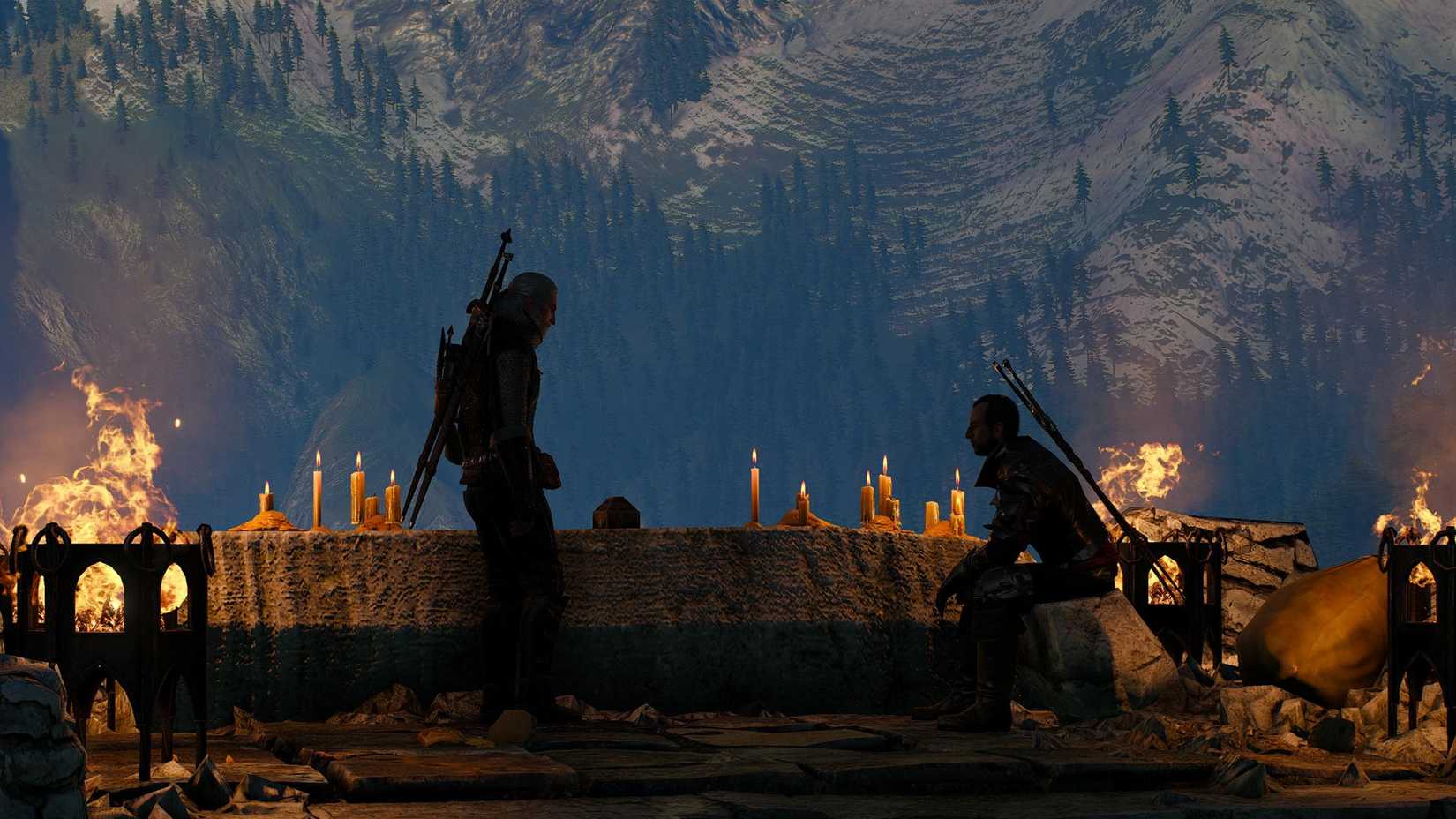
Following the harrowing events at Kaer Morhen, the walk with Lambert is one of the game’s most underrated character studies. As they navigate the path to the Circle of Elements, the banter shifts from casual camaraderie to raw, unfiltered trauma. Lambert’s confession regarding his abusive upbringing adds layers of humanity to the Witcher profession, reminding us that these warriors carry invisible scars.
6. Carnal Sins: A Descent into Horror
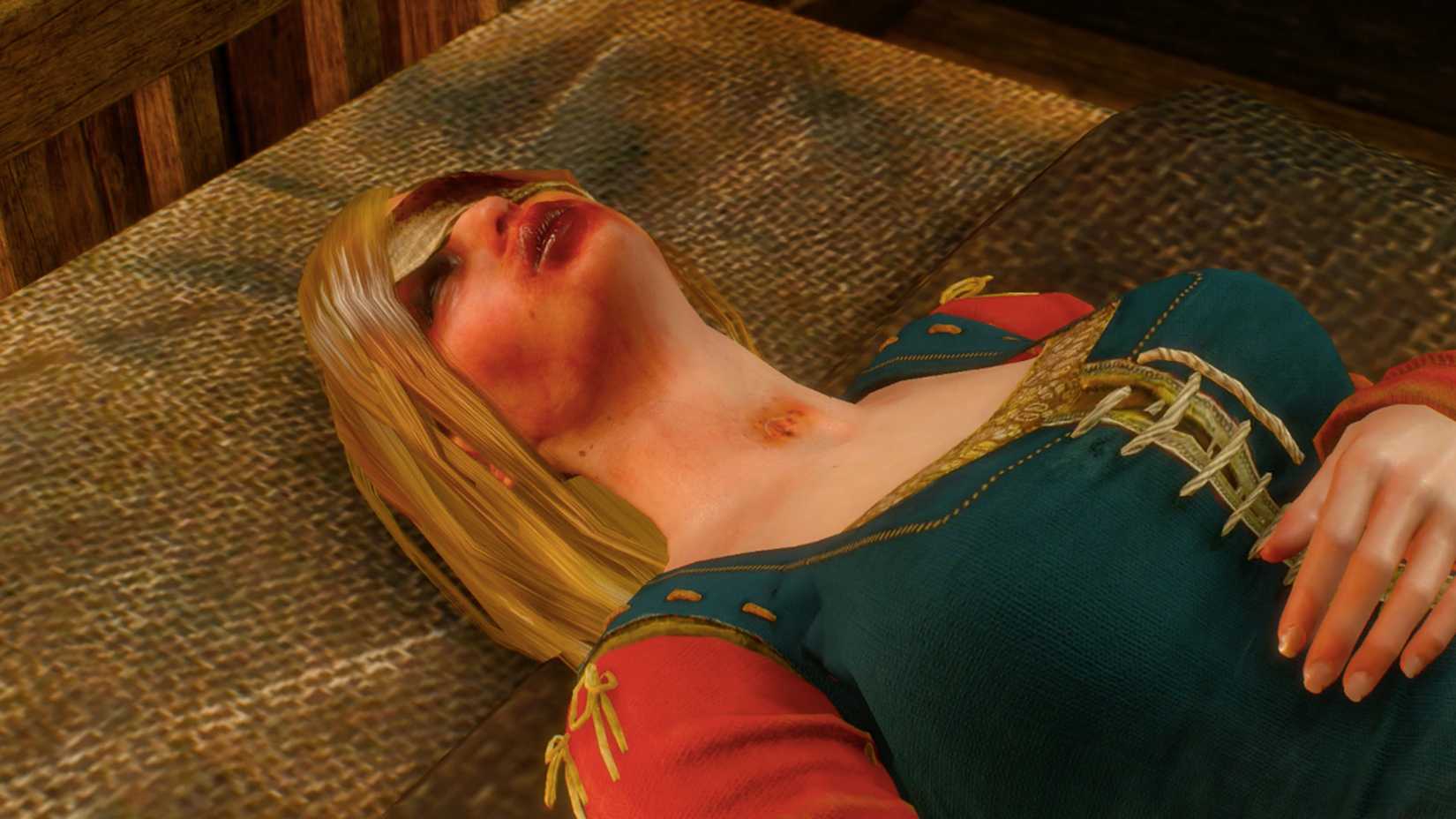
Carnal Sins is perhaps the most visceral murder mystery in the game. It is a grueling, dark procedural that culminates in a tragic assault on Dandelion’s companion, Priscilla. The sight of the singer—whose voice brought hope to so many—permanently silenced by acid is a devastating blow that proves no character, regardless of their kindness, is safe from the cruelty of the world.
5. Family Matters: The Anatomy of Abuse
The saga of the Bloody Baron is widely considered the gold standard for side-quest design. By tackling themes of domestic abuse, miscarriage, and alcoholism, CD Projekt Red created a character who is neither a hero nor a clear-cut villain. The transformation of the unborn child into a "Botchling" remains one of the most disturbing and memorable visual metaphors in gaming history.
4. Possession: The Psychological Burden
On the island of Spikeroog, the Possession quest introduces the concept of a "Hym"—a spirit that feeds on the guilt of its host. The player is forced to make a harrowing choice: trust Cerys an Craite’s unconventional plan involving a furnace, or take the "safer" path. It is a masterclass in tension, testing the player’s faith in the game’s characters.
3. Now or Never: The Choice of Heart
Now or Never acts as the emotional pivot point for the romance narrative. As mages are purged from Novigrad, the player must decide the fate of Triss. This is the definitive moment where the player determines the trajectory of Geralt’s personal life, making the departure of the ship a genuinely painful goodbye for those who chose to move on.
2. The Last Wish: The Weight of Destiny
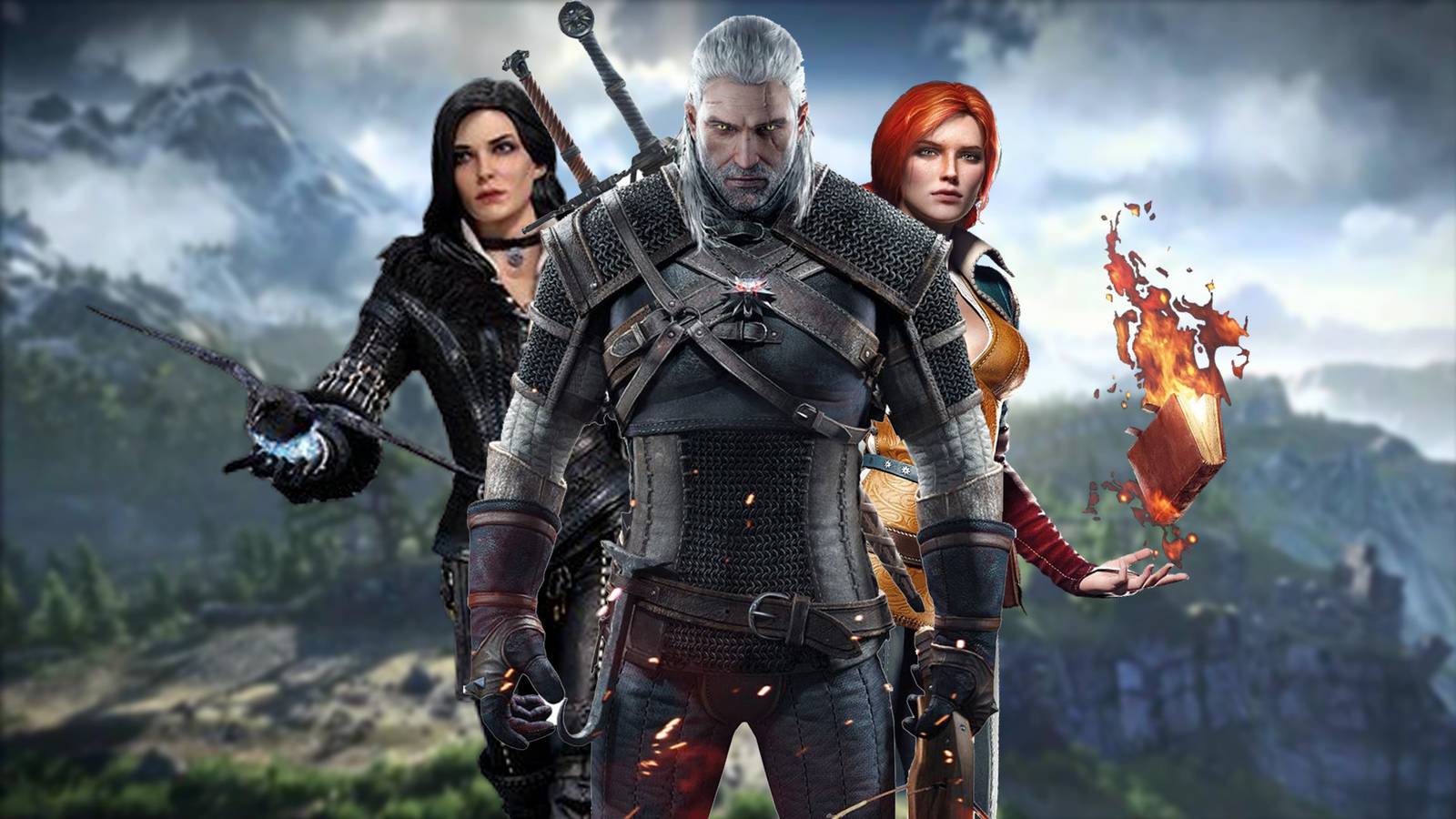
The confrontation on the peak of Kaer Trolde is the culmination of the "fated" romance between Geralt and Yennefer. By summoning the Djinn to lift the magical bond, the quest transitions from a high-fantasy battle to an intimate, vulnerable conversation about whether their love was artificial or genuine. It is a defining moment for two characters who have spent decades defining themselves by their independence.
1. The Isle of Mists: The Emotional Zenith
The discovery of Ciri on the Isle of Mists is the emotional crescendo of the entire saga. After a relentless, continent-spanning search, the moment Geralt finds her, seemingly lifeless, is a rare instance where the stoic Witcher completely breaks down. The relief of her revival is the ultimate payoff for the player’s investment, cementing the bond between father and daughter as the game’s true heartbeat.
Supporting Data: Why These Stories Matter
The emotional impact of The Witcher 3 is backed by its meticulous attention to detail. CD Projekt Red employed a "reactive world" philosophy, where the player’s choices do not just change dialogue, but alter the physical state of the world. For instance, the outcome of the Family Matters quest dictates the fate of an entire village and the psychological well-being of the Baron’s household, creating a sense of permanence that is rarely seen in open-world RPGs.
Furthermore, the integration of music—composed by Marcin Przybyłowicz—plays a critical role. The haunting strings of "The Wolven Storm" or the somber tones of the Skellige tracks serve as an emotional anchor, often signaling to the player when a moment of significance is approaching.
Official Perspectives and Development Insights
CD Projekt Red developers have frequently cited the "grey morality" of Andrzej Sapkowski’s original novels as the guiding light for the game’s writing. In various interviews, quest designers have noted that they intentionally avoided "Good vs. Evil" binaries. Instead, they focused on "lesser evils," forcing players to live with the consequences of their actions.
Regarding the most controversial quests, such as Possession, designers noted that the goal was never to shock for the sake of shock, but to challenge the player’s agency. By placing the player in a position where they must act on intuition rather than perfect information, the game forces them to empathize with the panic and desperation of the characters involved.
Implications: The Legacy of Narrative-Driven RPGs
The legacy of The Witcher 3 is that it proved high-fidelity graphics and massive world maps are meaningless without a coherent, emotional soul. The industry has since seen a shift, with more developers prioritizing "narrative weight"—the idea that every side mission should be an opportunity for character development rather than just a checklist of tasks.
The Witcher 3 taught players that a "side quest" could be a tragedy, a romance, or a horror story. It set a standard for storytelling that continues to influence modern RPG design. As we look toward the future of the genre, the lessons learned from Geralt’s journey—that empathy, consequence, and character-driven stakes are the true pillars of immersion—remain as relevant as ever.
Whether it is the quiet heartbreak of a songbird losing her voice or the explosive relief of a father reunited with his child, these moments are the reason we return to the Continent time and time again. They are not just parts of a game; they are fragments of a deeply human experience, masterfully woven into a world of monsters and magic.

 Asro
Asro
 Muslim