

In the bustling arteries of Japan’s urban landscape, the commuter train is the lifeblood of society. For the average passenger, a train ride is a mundane interval—a moment to check a smartphone, doze off, or stare vacantly at advertisements. However, for Ryoku, a television producer and guest columnist who has lived with near-total blindness due to glaucoma for the past four years, the morning commute is a high-stakes, cognitively demanding navigation of a shifting environment.
Ryoku’s experience offers a rare, intimate look at the "hidden architecture" of public transit—a world where the placement of a body against a door frame is not a matter of preference, but a vital strategy for maintaining autonomy, safety, and mental well-being in a sightless world.
The Cognitive Load of a Silent Journey
Contrary to the cinematic trope suggesting that the loss of sight automatically grants a person "heightened" senses, Ryoku emphasizes that his reality is far more prosaic and exhausting. "You always have to be paying attention," he notes. "Is my footing safe? Am I going to bump into someone? What was that sound? Where exactly am I?"
For Ryoku, navigating the train station consumes roughly 60 percent of his mental capacity before he even boards. Once the doors of the train slide open, that expenditure hits 100 percent. The process of boarding is a delicate calculation. He relies heavily on sound—the rustle of clothing, the shuffle of feet, and the flow of air currents—to gauge the density of the crowd.
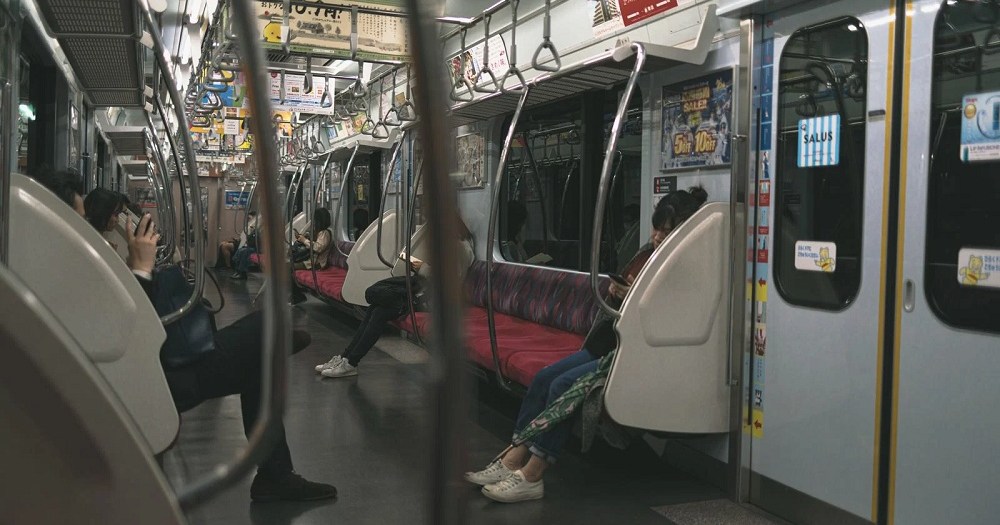
This hyper-vigilance is a constant, draining state. While the public often perceives a commuter train as a passive environment, for someone with visual impairment, it is a dynamic, high-pressure obstacle course. Every interaction—asking for help, apologizing for accidental contact, or navigating the movement of others—requires a level of social and spatial negotiation that most passengers never have to contemplate.
The Sanctity of the Doorway: A Chronology of the Commute
The morning ritual for Ryoku is a structured series of calculated risks. His routine typically begins shortly after 9 a.m., aiming for the "shoulder" hours of the morning rush where the density of commuters is slightly lower.
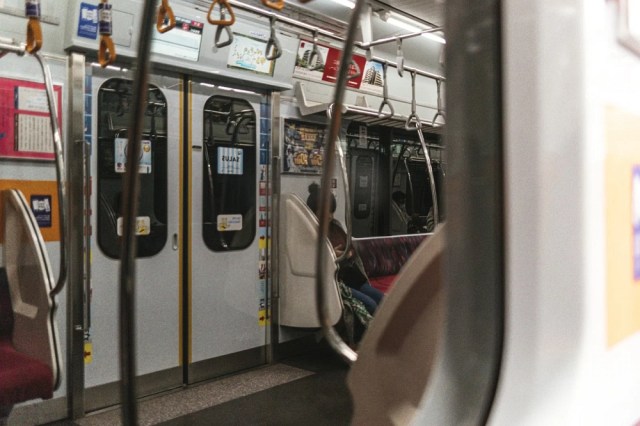
- The Platform Wait: As he waits, Ryoku scans his surroundings, hoping for a specific, elusive vacancy: the empty space directly next to the carriage door.
- The Arrival: When the train arrives and the doors chime open, he does not move immediately. He pauses, listening to the ambient noise of the cabin.
- The Test: He reaches out his left hand, probing for a wall or a support. If he feels the presence of another passenger, he understands that the space is occupied. This is a moment of quiet disappointment, as he knows the alternative is moving deeper into the carriage.
- The In-Transit Dance: If he is forced to stand in front of the door, he must perform a rhythmic, repetitive task: stepping off the train at every stop to allow passengers to exit and enter, then re-boarding. This ensures he does not block the flow of traffic, but it keeps him in a state of perpetual movement and social navigation.
"To other people, it probably looks like a peaceful scene," Ryoku observes. "But actually, I’m moving around the train constantly appreciating, apologizing, and feeling frightened. I’m in a state of serious panic."
Supporting Data and Personal Strategy: The "Help Mark" Phenomenon
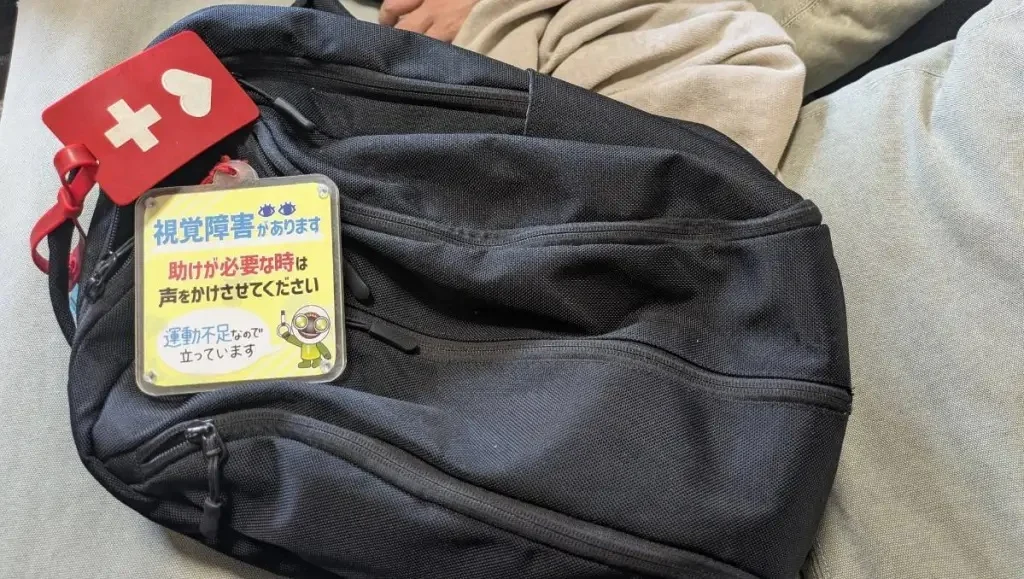
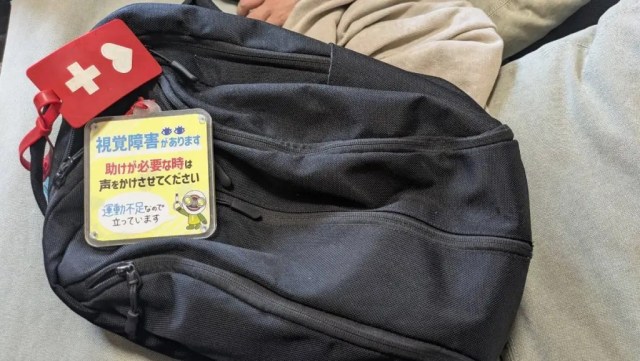
To mitigate the complexities of this daily journey, Ryoku has adopted a pragmatic tool: the Japanese "Help Mark" badge. The Help Mark is a nationally recognized, bright red tag with a white cross and heart, designed to indicate that the wearer has a hidden disability or medical condition and may require assistance.
Alongside the badge, Ryoku has added a personalized sign to his bag that reads: "I am standing because I don’t get enough exercise."
This dual-signaling strategy serves a dual purpose:
- The Help Mark: Alerts station staff and observant passengers that the bearer has a disability, facilitating help if needed.
- The Custom Sign: Provides a social "buffer" that prevents well-meaning commuters from constantly offering him their seats.
This strategy has proven remarkably effective. By signaling that his standing is a choice, he avoids the social pressure of having to constantly decline or accept seat offers, which can be an exhausting cycle of gratitude and guilt. However, as Ryoku notes, this creates its own irony: when he truly does want a seat—perhaps on a longer, 90-minute journey to visit his parents—he finds that his self-imposed sign prevents others from offering, leaving him in a position of "prideful discomfort."
Official Perspectives on Universal Design
While Ryoku’s testimony is personal, it highlights significant gaps in the "Universal Design" goals of Japan’s railway operators. Major companies like JR East and Tokyo Metro have implemented extensive accessibility measures, including tactile paving (tenji blocks), platform screen doors, and multi-purpose priority seating areas.
However, industry experts note that the human element of public transit—the behavior of the crowd—remains the hardest variable to control. Transit advocates argue that while infrastructure improvements (like platform doors) have greatly improved safety, the "social infrastructure"—public awareness of how to interact with visually impaired passengers—lags behind.
Official guidance from the Ministry of Land, Infrastructure, Transport and Tourism (MLIT) encourages passengers to be mindful of those with disabilities, but the reality remains that for commuters, the primary focus is often personal efficiency. The "doorway" spot that Ryoku finds so vital is also the most coveted spot for able-bodied commuters looking for a quick exit, leading to an unintentional but persistent conflict of needs.
Implications: Building a More Inclusive Transit Culture
The implications of Ryoku’s experience extend beyond the individual. His story calls for a shift in how we perceive public spaces.
- Redefining "Independence": True independence for the visually impaired is not just about physical access; it is about the mental capacity to navigate space without the crushing burden of constant, high-stakes social negotiation.
- The Role of the Bystander: Ryoku’s experience shows that small, thoughtful gestures—such as offering a space near the door—have a profound impact on the "mental HP" (health points) of a passenger with a disability.
- Policy vs. Practice: While railway operators continue to invest in physical accessibility, there is a clear need for ongoing public education campaigns. The Help Mark is a success, but it is only as effective as the public’s willingness to acknowledge it.
Ultimately, Ryoku is not calling for a rewrite of transit rules. He is advocating for a deeper awareness of the "invisible" struggles occurring in the silent corners of our public commute. His request is simple: if you see someone with a white cane or a Help Mark attempting to navigate the train, recognize that they are engaging in a complex, high-energy task.
"The next time I’m waiting on the platform and the train comes," Ryoku writes, "I’ll be listening as the doors open, and stretching out my hand to see if that space is available."
For the rest of us, the takeaway is a reminder to be observant. In the crowded, anonymous landscape of the morning train, a little awareness of our neighbor’s needs can turn a daunting, panic-filled journey into a manageable, and perhaps even dignified, commute.











