Ali Ikhwan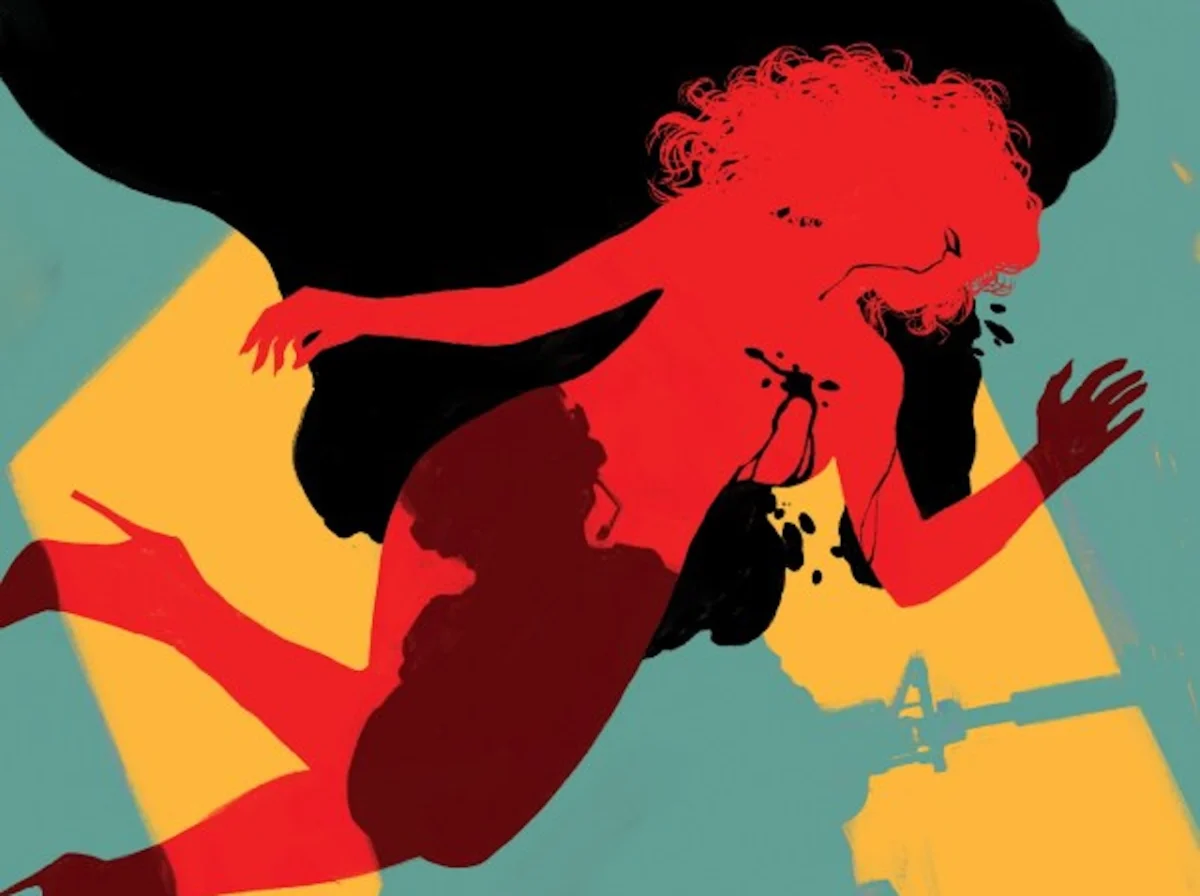
The sophomore issue of Bad Thoughts, published by Ignition Press, marks a definitive shift in the series’ trajectory. Written by Ande Parks with visceral, kinetic artwork by Dave Wachter, the series has successfully transitioned from a character-driven premise into a high-octane action thriller. In Bad Thoughts #2, the narrative stakes are raised significantly as protagonist Jack Coates—a man cursed with the ability to hear the darkest, most malevolent thoughts of those around him—faces a threat that strikes at the very foundation of his personal life.
Main Facts: The Evolution of a Premise
The core hook of Bad Thoughts remains its unique psychological vantage point. Jack Coates is not your typical vigilante; he is a specialized asset for a high-stakes private security firm. His professional utility is simple yet harrowing: he can identify and neutralize volatile threats before they manifest into violence by reading the "bad thoughts" of potential perpetrators.
However, issue #2 pivots away from the procedural nature of the first issue. The central conflict is no longer just about the targets Jack faces in the field, but the devastating revelation that someone within his intimate circle is not who they claim to be. This betrayal serves as the narrative engine for the issue, forcing Jack to reckon with the duality of his existence: the man who protects the world, and the man who has been deceived in his own home.
Chronology of Events
The narrative structure of Bad Thoughts #2 is carefully paced to maximize emotional impact.
The Domestic Setup: The issue opens with a series of quiet, character-building moments that serve to ground Jack in humanity. Readers see Jack interacting with his wife, Sara, and their dog. These scenes, supplemented by flashbacks to their childhood, are designed to create a sense of normalcy and warmth. This is further reinforced by a dinner scene with his security team, where the lines between professional colleagues and family begin to blur.

The Escalation: Once the emotional groundwork is laid, the issue accelerates. The pacing shifts abruptly as Jack is forced into a confrontation that tests his combat capabilities.
The Climax: Following the discovery of the deception, the issue descends into a masterclass of action storytelling. In a sequence spanning roughly five pages, the narrative moves from an interior, dialogue-heavy domestic setting to a brutal, fluid escape sequence. Jack utilizes environment-based combat, including a notable head-butt, a desperate leap from a window, and the high-speed theft of a motorcycle to neutralize his pursuers.
Supporting Data: Artistic and Technical Execution
The success of Bad Thoughts #2 is largely owed to the collaborative synergy between writer Ande Parks, artist Dave Wachter, and colorist Brad Simpson.
The Visual Language of Violence
Dave Wachter’s pencils are the engine of the book’s intensity. His panel layouts are engineered to focus the reader’s eye on the mechanics of violence. The action sequences evoke the same rhythmic brutality seen in the John Wick franchise, where every movement feels heavy, purposeful, and lethal.
Equally impressive is Wachter’s depiction of Jack’s telepathy. Rather than utilizing standard thought bubbles, Wachter renders the dark, intrusive thoughts of targets as shards of shattered glass. This visual metaphor communicates the invasive and painful nature of Jack’s gift, effectively showing the reader the psychological burden he carries.
Chromatic Emotionality
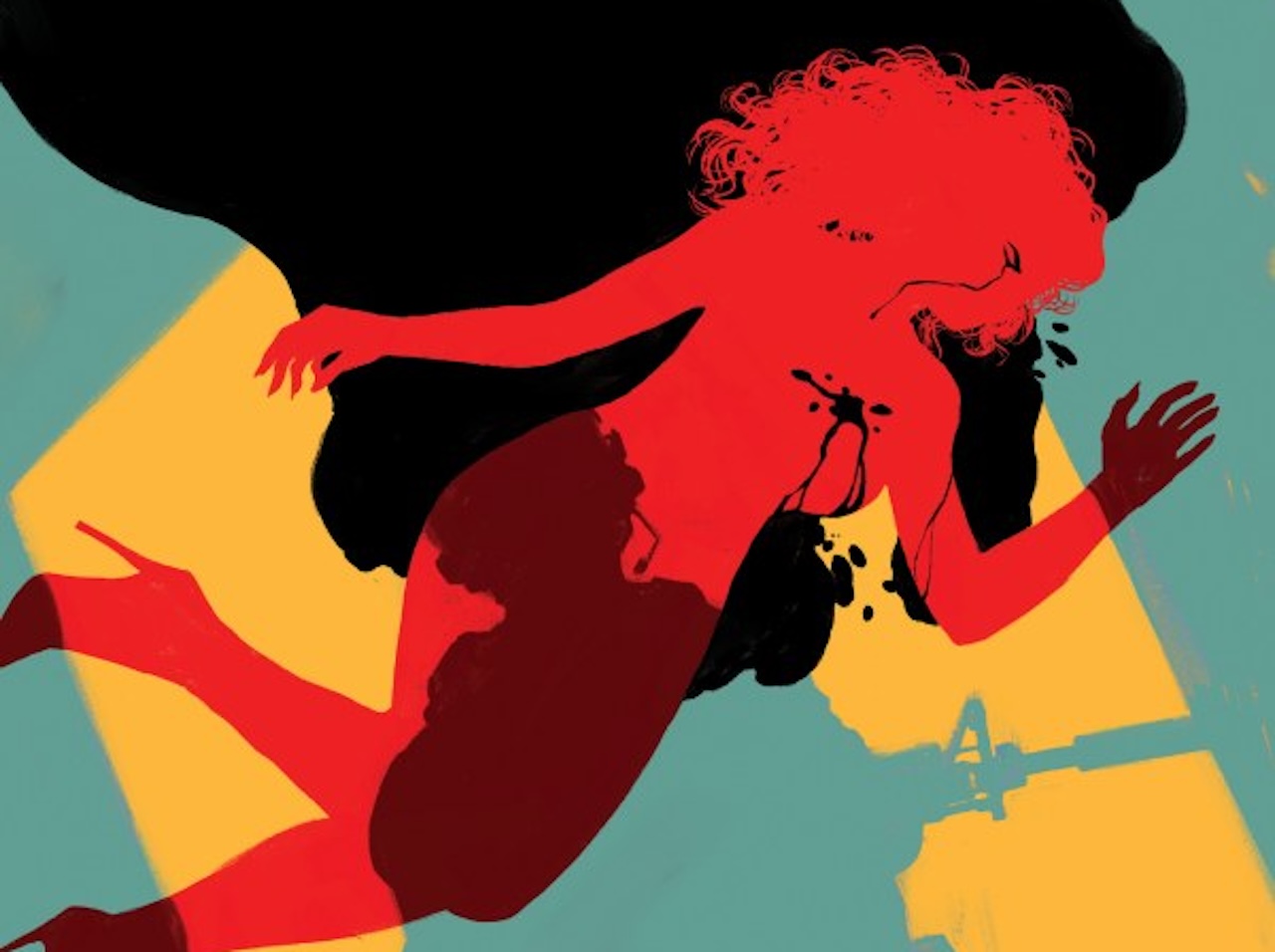
Brad Simpson’s color palette acts as a secondary narrative voice. The action sequences are frequently back-lit with golden yellow tones, which serve a dual purpose: they heighten the excitement of the scene while simultaneously creating a jarring contrast with the violence occurring in the foreground.
More importantly, Simpson utilizes a deep, blood-red hue to represent Jack’s telepathic vision. As Jack probes deeper into a person’s mind, the red deepens and grows more suffocating, visually signaling the moral and psychological decay he is witnessing. This technique underscores a pivotal line of dialogue in the issue, where Jack questions the toll his gift takes on his own soul: "If the darkness is all I get… what does that say after me?"
Official Responses and Publishing Strategy
The release of Bad Thoughts #2 has also sparked discussion regarding Ignition Press’s broader publishing strategy. The issue includes promotional material for the "Cold Open" series, a unique initiative designed to provide readers with a "pilot" episode of various titles before they commit to a full series run.
While the "Cold Open" concept is praised for lowering the barrier to entry for new readers, some critics have questioned the timing of the release. The inclusion of these advertisements, combined with the availability of supplemental short stories on the publisher’s website, suggests a multi-platform approach to world-building. However, some readers have argued that the development of the plot in Bad Thoughts #2—specifically the deepening of the emotional bonds—might have been more effective had it been integrated into the introductory pages of the series’ first issue.
Implications: The Cost of Power
The primary implication of Bad Thoughts #2 is the subversion of the traditional "superpower as a gift" trope. Throughout the issue, the narrative challenges the reader to consider the psychic cost of Jack’s ability. He is not merely a hero with a convenient tool; he is a man constantly bombarded by the worst aspects of human nature.

The revelation regarding his wife, Sara, suggests that the series will continue to explore themes of paranoia and isolation. If Jack cannot trust the person closest to him, the question remains: can he truly trust his own senses? The "shards of glass" visual motif suggests that his power is fracturing his reality, and the betrayal in this issue may be the first step in a larger psychological unraveling.
Conclusion: A Shift in Momentum
Bad Thoughts #2 is a bold step forward for the series. By successfully balancing intimate character moments with high-octane, expertly choreographed action, Parks and Wachter have proven that the series is more than just a high-concept gimmick.
While there are minor pacing critiques regarding the late introduction of certain character dynamics, the overall package is compelling. The issue succeeds in making the reader care about Jack Coates, ensuring that when the action hits, the stakes feel personal and immediate. As the series moves forward, it appears to be positioning itself as a must-read for fans of gritty, grounded, and psychologically intense thrillers. With its sharp visual language and an increasingly complex mystery at its core, Bad Thoughts is cementing its place as a standout title from Ignition Press.

 Sagoh
Sagoh
 Ammar Sabilarrohman