Neng Nana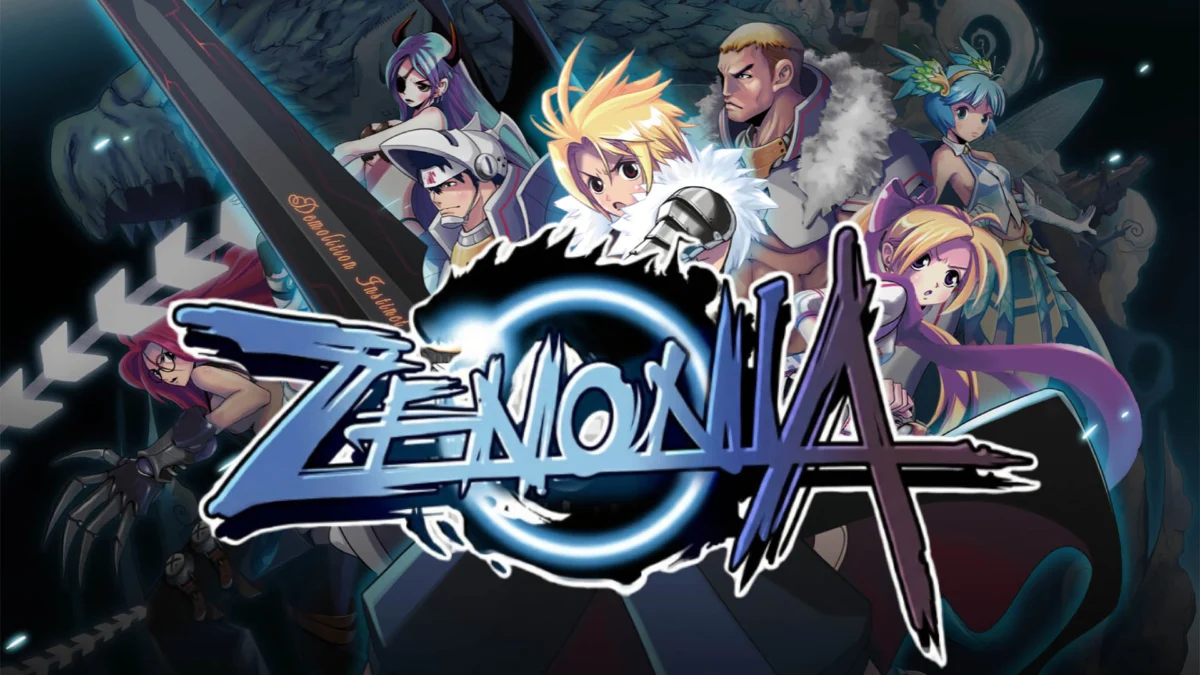
The landscape of mobile gaming is littered with the ghosts of early titles that defined an era, but few franchises possess the cultural weight of ZENONIA. Long before the era of modern mobile gacha behemoths and hyper-casual advertisements, ZENONIA stood as a titan of the burgeoning smartphone RPG scene. Today, publisher and developer Com2uS, in collaboration with co-developer CFK, has officially announced a full-scale remake of the original ZENONIA 1. This ambitious project aims to transplant the quintessential 2000s pixel-art action experience onto the Windows PC platform via Steam, bridging the gap between mobile nostalgia and modern gaming standards.
The Return of a Pioneer: Main Facts and Project Scope
The announcement confirms that ZENONIA 1 is currently in active development for Windows PC. While a concrete release date remains elusive, the developers have provided an immediate point of entry for curious players: a fully playable demo is available now on the official Steam store page.
This remake is not merely a port; the development teams at Com2uS and CFK are focusing on a "reimagining" of the source material. The project seeks to retain the core mechanics that made the original a runaway success while refining the presentation for high-definition displays and modern controller inputs. By moving from the vertical orientation of early touchscreens to the expansive horizontal vistas of the PC platform, the remake aims to preserve the "charm of that small adventure" while offering the technical stability and performance expected by the contemporary PC gaming community.
A Chronological Journey: From Java Roots to PC Remake
To understand the significance of this announcement, one must look back at the origins of the series. ZENONIA (originally titled Zenonia: Legend of Four Swords) debuted in 2008. At the time, the concept of a fully realized, story-driven action RPG on a handheld device was revolutionary.
The Dawn of Mobile RPGs (2008–2010)
When ZENONIA first hit the market, the mobile gaming landscape was significantly more constrained. The original game arrived just as smartphones were beginning to phase out standard feature phones. It stood out by offering a complex, non-linear storyline, a deep item-crafting system, and a morality system that forced players to choose between the paths of "Good" and "Evil." This level of depth was unheard of for mobile software at the time, earning it critical acclaim and a massive, dedicated fanbase.
The Expansion Era (2011–2015)
Following the success of the first entry, Com2uS turned ZENONIA into a flagship franchise. Sequels like ZENONIA 2: The Lost Memories, ZENONIA 3, and ZENONIA 4 refined the formula, introducing online multiplayer components and expanding the game’s lore. The series became a touchstone for "mobile hardcore" gamers, a demographic that eventually transitioned into more traditional gaming spaces.
The Modern Transition (2020–Present)
In recent years, Com2uS has attempted to modernize the ZENONIA brand, most notably with Zenonia Chronobreak (known as World of Zenonia in some regions), which shifted the series into the MMORPG genre. However, for many purists, the soul of the franchise remained tethered to the single-player, narrative-heavy experience of the early entries. The announcement of a remake for ZENONIA 1 suggests that the developers have recognized a significant demand for the classic, focused RPG experience that started it all.
Gameplay Mechanics and Design Philosophy
The essence of ZENONIA 1 lies in its deceptively simple, yet remarkably deep systems. The remake promises to uphold these pillars:
1. A World Shaped by Choice
The narrative backbone of the game centers on the conflict between light and darkness. Unlike many contemporary RPGs that offer a binary moral choice, ZENONIA historically tracked player decisions that rippled through the world. Every encounter and every quest resolution contributes to the player’s alignment, effectively altering the world state and how NPCs interact with the protagonist.
2. Class-Based Progression
Players choose between three distinct archetypes, each providing a unique approach to combat. Whether through the direct, high-damage output of the warrior classes or the tactical, skill-reliant nature of the rogue or mage archetypes, the game encourages distinct playstyles. The remake emphasizes deep stat customization, allowing players to build their characters with precision—a feature that remains a hallmark of classic 2000s design.
3. Dynamic Environmental Interaction
The world of ZENONIA is not just a backdrop; it is a reactive ecosystem. The remake promises to maintain the original’s focus on environmental depth, where actions taken in the world leave lasting marks. From day/night cycles that dictate enemy spawns to weather systems that affect combat performance, the game’s mechanics demand that players stay alert and adapt to their surroundings.
Official Commentary: Bridging Generations
In a joint statement, representatives from Com2uS and CFK expressed their intent to honor the legacy of the franchise while making it accessible to a new generation of PC players.
"With this project, we’re working to bring back the charm of that small adventure that began in the palm of your hand—the joy of growth, exploration, and the nostalgia of those days—reimagined for the Steam platform," the companies stated. "Whether you’re returning to ZENONIA after many years or experiencing it for the very first time, we’re dedicated to delivering the unique appeal of a classic action RPG that everyone can enjoy."
This rhetoric highlights a crucial strategy for the developers: balancing the expectations of the "nostalgia crowd" with the standards of the modern PC market. By providing a demo early in the development cycle, the teams are effectively inviting community feedback, a move that signals a desire for transparency and refinement.
The Broader Implications for Mobile Remakes
The move to bring ZENONIA 1 to Steam is part of a larger, burgeoning trend in the gaming industry: the preservation and modernization of "lost" or "legacy" mobile classics. For years, as operating systems updated and old app stores were shuttered, early mobile games often became unplayable, effectively vanishing from the cultural consciousness.
Preserving Digital Heritage
The decision to bring ZENONIA 1 to PC serves as a form of digital preservation. By decoupling the game from the volatility of mobile operating system updates and placing it on a stable, long-term platform like Steam, Com2uS is ensuring that the title remains playable for decades to come.
The Shift in Development Strategy
This announcement also suggests a potential shift in how publishers view their legacy IP. Rather than simply porting mobile titles to newer mobile devices, there is a clear appetite for high-fidelity PC and console remakes. If ZENONIA 1 proves successful, it could pave the way for a wave of high-quality remakes of other mobile-native classics that defined the early app store era.
Impact on the Action RPG Market
The Steam marketplace is currently saturated with indie RPGs. However, ZENONIA occupies a unique niche. It bridges the gap between the "SNES-era" 16-bit RPG aesthetic and the "MMO-lite" progression systems that became popular in the late 2000s. Its arrival on PC may offer a compelling alternative to players who find modern RPGs overly complex or bloated, serving as a reminder of the efficacy of "less is more" design.
Conclusion: A New Horizon for a Classic Legend
As the development of the ZENONIA 1 remake continues, the gaming community will be watching closely to see how the developers balance the raw, nostalgic appeal of the original with the polished requirements of modern PC gaming. The demo currently available on Steam offers a promising glimpse into this effort, showcasing a refined UI and crisp visuals that honor the source material while looking sharp on a monitor.
For the developers at Com2uS and CFK, this project is more than just a commercial endeavor; it is a bridge between the humble beginnings of mobile gaming and the sophisticated, global platform that gaming has become today. Whether the remake successfully captures the "magic in the palm of your hand" remains to be seen, but the intent—to preserve and elevate a foundational piece of RPG history—is a welcome sight in an industry that often looks forward at the expense of its past.
As we await further details regarding the full release, one thing is clear: the Legend of the Four Swords is ready to be told again, and this time, the world is waiting on a much bigger screen.


 Asro
Asro
 Muslim