

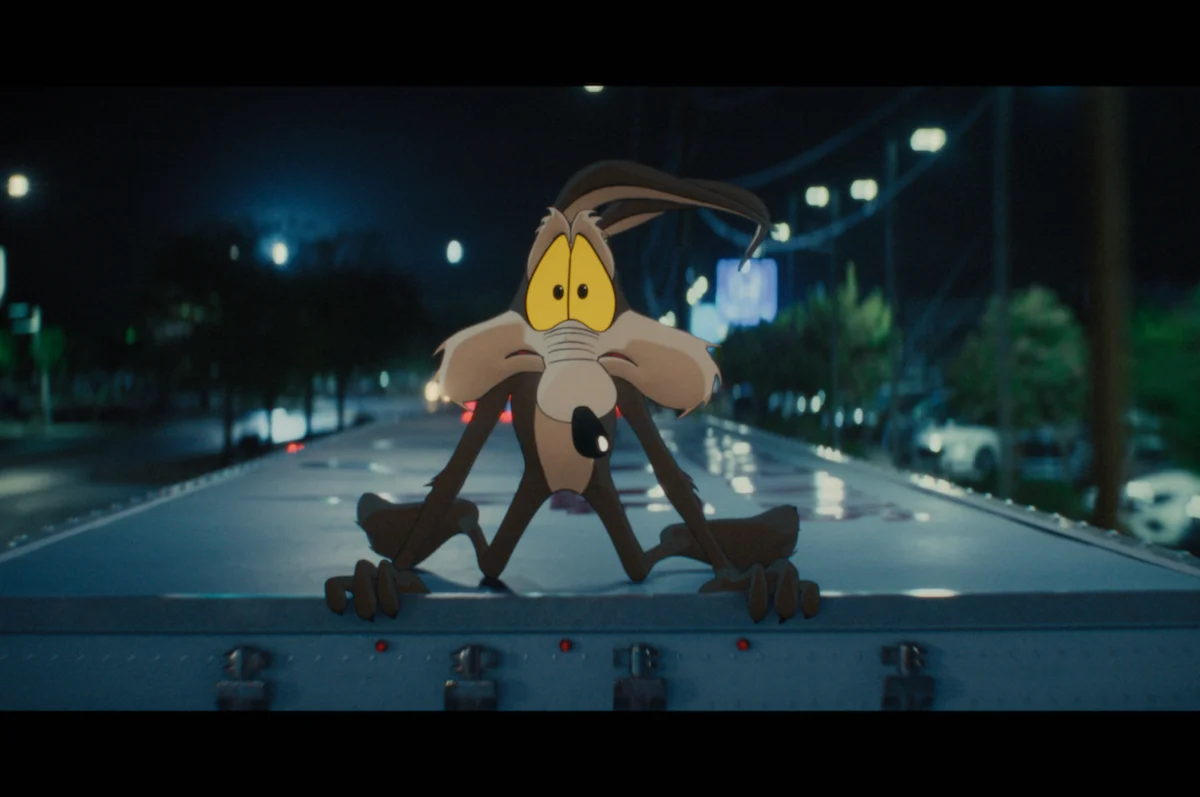
In the landscape of modern cinema, few films have experienced a journey as fraught with professional instability and public outcry as Coyote vs. ACME. Once destined to become a forgotten casualty of corporate tax restructuring, the hybrid live-action/animated feature has defied the odds, securing a theatrical release date of August 28, 2026. This improbable survival story—from a completed project gathering dust in a studio vault to a highly anticipated tentpole release—serves as a case study in the evolving power dynamics between studio executives, creative talent, and a vocal, internet-savvy fanbase.
The Main Facts: A Legal Battle Against Corporate Malfeasance
The central premise of Coyote vs. ACME is as meta as it is comedic. After decades of serving as the primary victim of slapstick physics—being flattened by anvils, incinerated by rocket malfunctions, and launched into the abyss by faulty contraptions—Wile E. Coyote has finally decided that enough is enough. The film centers on the iconic Looney Tunes antagonist taking his grievances to the courtroom.
Represented by a struggling, human attorney named Kevin Avery, played by Will Forte, Wile E. Coyote seeks to hold the ACME Corporation accountable for their shoddy, dangerous products. Standing in their way is the formidable corporate defense attorney Buddy Crane, portrayed by John Cena, who represents the profit-obsessed conglomerate. The film, directed by Dave Green, promises a blend of courtroom drama and high-octane animation that honors the legacy of the Looney Tunes while offering a satirical critique of late-stage capitalism.
Chronology of a Corporate Rollercoaster
The history of Coyote vs. ACME is a timeline of internal studio upheaval and public advocacy.
The Shelving (2023)
In November 2023, Warner Bros. Discovery sent shockwaves through the entertainment industry by announcing that it would shelve the completed Coyote vs. ACME film entirely. The decision was framed as a strategic tax write-off, with the studio opting to absorb the loss to balance its books rather than gamble on the film’s theatrical performance. The move, while financially motivated, sparked immediate backlash from the creative community, as the film had reportedly tested well with preview audiences.
The Public Outcry and Reversal
The announcement triggered a rare wave of collective protest from filmmakers, critics, and fans alike. Many saw the decision as a betrayal of artistic labor—the act of destroying a finished product for tax purposes was viewed as a dangerous precedent that prioritized quarterly balance sheets over the preservation of art. Within weeks, the pressure mounted, leading Warner Bros. to reverse its stance, allowing the production team to shop the film to other distributors.
The Ketchup Entertainment Rescue
The film found its savior in Ketchup Entertainment. By stepping in to handle distribution, the company ensured that the efforts of hundreds of artists, animators, and actors would not be wasted. The partnership, confirmed in early 2024, signaled that the film would indeed see the light of day, albeit on a delayed timeline that has now culminated in the August 2026 premiere.
Supporting Data: The Talent Behind the Anvil
Coyote vs. ACME is not merely a nostalgia-driven project; it boasts a pedigree of creative talent that explains why the film was so fiercely defended by industry insiders.
- Director: Dave Green, known for his work on Teenage Mutant Ninja Turtles: Out of the Shadows, brings experience in balancing CGI characters with live-action environments.
- The Creative Minds: The story was conceived by industry heavyweights James Gunn and Jeremy Slater, with the screenplay penned by Samy Burch, whose work on May December demonstrated a sharp, witty voice capable of handling complex character dynamics.
- The Cast: The film features a robust ensemble, including Will Forte as the underdog lawyer Kevin Avery and John Cena as the slick, antagonist Buddy Crane. Lana Condor and Tone Bell round out the human cast, while the film prominently features the Road Runner.
The inclusion of Bugs Bunny—recently confirmed by a silhouette in the first trailer—adds a layer of franchise connectivity that fans have been eagerly awaiting. The film’s official synopsis provides a comprehensive list of the "chaotic catastrophes" the Coyote has endured, framing the film as the ultimate catharsis for one of animation’s most abused characters.
Official Responses and Industry Implications
The saga of Coyote vs. ACME has ignited a broader conversation regarding the role of "tax write-offs" in the film industry. Warner Bros. had previously used this tactic for other projects, such as Batgirl and Scoob! Holiday Haunt, which faced similar fates. However, the public reaction to the cancellation of Coyote vs. ACME was markedly more intense, suggesting a turning point in how audiences view corporate ownership of creative IP.
The Shift in Power Dynamics
For years, studios held the absolute right to "vault" content. The Coyote situation suggests that in the age of social media, the audience has gained a seat at the table. When the internet rallies around a project, the reputational damage to a studio can outweigh the immediate financial benefits of a tax write-off.
The Future of Hybrid Animation
The film serves as a test for the viability of hybrid animation-live action projects in a post-pandemic market. By blending the surreal, physics-defying world of the Looney Tunes with a gritty, real-world legal setting, the film attempts to bridge the gap between adult-oriented satire and family-friendly slapstick. If successful, it could provide a roadmap for other legacy properties currently sitting on studio shelves.
Implications for the Future of Cinema
The fact that Coyote vs. ACME is hitting theaters in 2026 is a victory for the concept of "film preservation." It reinforces the idea that once a film is completed, it belongs to the audience and the creators, not just the accountants. The long wait time between the initial shelving and the eventual release date also highlights the complexities of distribution rights and the logistical hurdles involved in salvaging a "dead" project.
Furthermore, the involvement of high-profile names like James Gunn (who now heads DC Studios) in the film’s development suggests that there is a significant appetite for these types of character-driven, comedic ventures within the broader Warner Bros. ecosystem. The film represents a unique bridge between the classic Looney Tunes era and the modern era of high-budget, CGI-integrated filmmaking.
Why 2026 Matters
The 2026 release date is strategic. It allows for a cooling-off period following the initial controversy, ensuring that the film is judged on its own merits rather than as a symbol of the 2023 studio protests. It also allows the VFX and marketing teams the necessary time to polish the product for a global theatrical rollout, ensuring that the final output matches the high expectations set by those who fought to save it.
Conclusion: A Testament to Resilience
As the trailer hits screens, it is clear that Coyote vs. ACME is more than just a movie; it is a symbol of the resilience of the artistic process. It is a story about a character who has been "blown to bits" and "trampled by trains" for decades finally finding a way to fight back—a sentiment that mirrors the journey of the film itself.
When the lights go down on August 28, 2026, the audience will be watching more than a Looney Tunes caper. They will be watching a triumph of public advocacy, a testament to the talent of the cast and crew, and a rare moment where the collective voice of the fanbase actually succeeded in rewriting the ending of a corporate narrative. Wile E. Coyote may be a genius, but in this instance, it was the unified, passionate support of the film community that truly saved the day.










No comments yet. Be the first to join the conversation!