

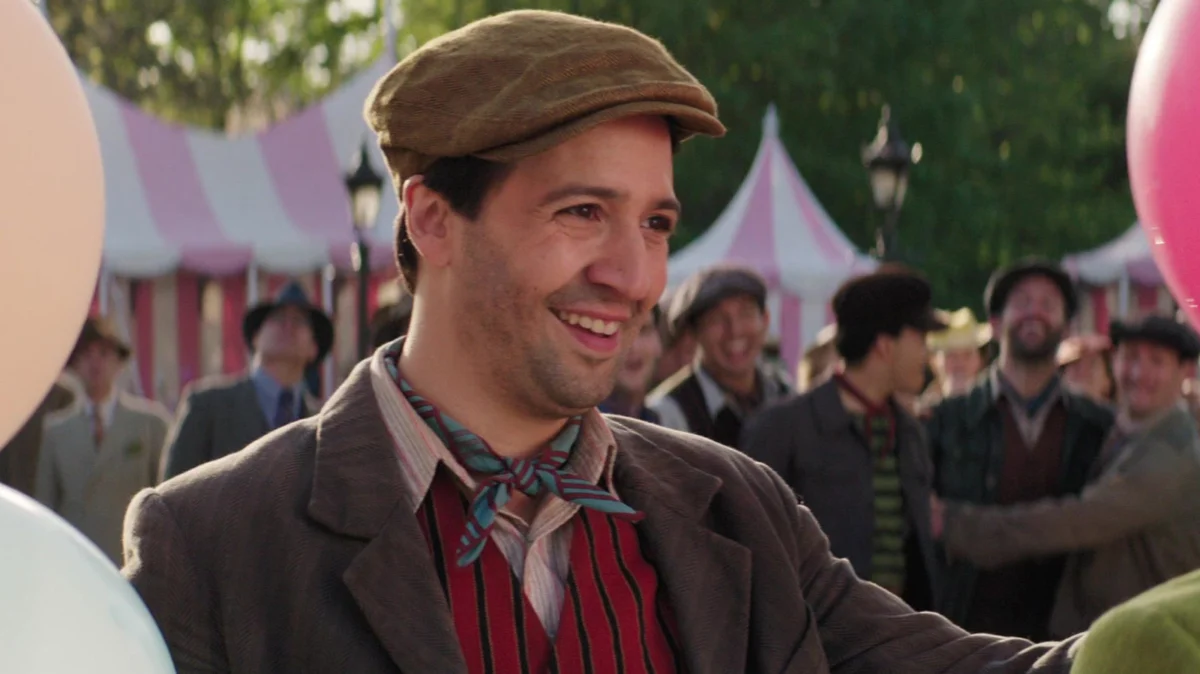
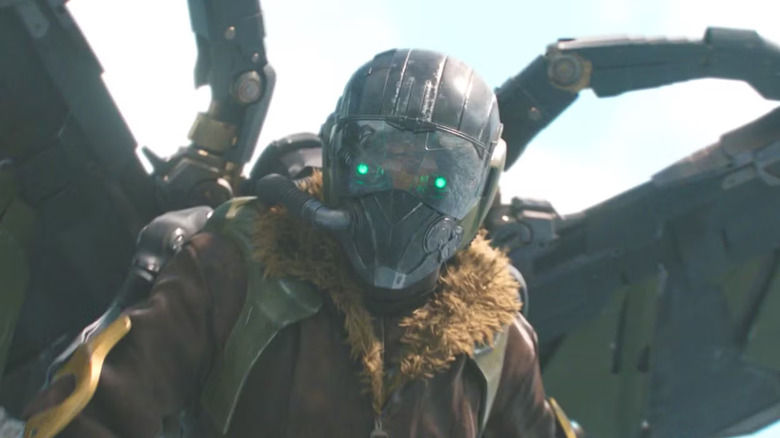
In the sprawling, interconnected landscape of the Marvel Cinematic Universe (MCU), casting decisions often serve as the cornerstone of a film’s legacy. When Spider-Man: Homecoming (2017) arrived, it faced the monumental task of reintroducing Peter Parker to audiences already familiar with two previous iterations of the wall-crawler. Central to its success was the grounded, terrifying, yet strangely sympathetic antagonist Adrian Toomes, better known as the Vulture. While Michael Keaton’s performance has since been cemented as one of the definitive villains in comic book film history, a recent revelation from Lin-Manuel Miranda suggests the role was almost occupied by a vastly different creative force.
The Intersection of Broadway and Blockbusters
Lin-Manuel Miranda’s trajectory in the 2010s was nothing short of meteoric. Following the critical and commercial triumph of In the Heights, which earned him a Tony and a Grammy, Miranda became a cultural phenomenon with Hamilton. The musical’s unprecedented success—netting him a Pulitzer Prize and transforming him into a household name—made him the most sought-after talent in the entertainment industry.
As Hollywood studios scrambled to attach themselves to his brand, Miranda found himself balancing a dizzying array of projects. His pivot to film scoring for Disney’s Moana earned him an Academy Award nomination, and his subsequent work on Encanto, The Little Mermaid, and Mufasa: The Lion King solidified his role as a Disney creative cornerstone. Yet, amidst the stage-to-screen transitions and high-profile musical collaborations, an unexpected invitation arrived from the offices of Marvel Studios: an offer to join the MCU.
The Call from Kevin Feige
During a candid conversation on the Happy. Sad. Confused. podcast with host Josh Horowitz, Miranda confirmed long-standing rumors that he had been considered for the role of Adrian Toomes in Spider-Man: Homecoming.
The offer came directly from Marvel Studios President Kevin Feige, who walked the composer through the narrative arc of the character over a phone call. According to Miranda, the pitch was compelling. Feige detailed the vision of a "blue-collar" antagonist—a salvage contractor who, after being slighted by the elite forces of the Avengers, uses Chitauri technology to build a criminal empire.
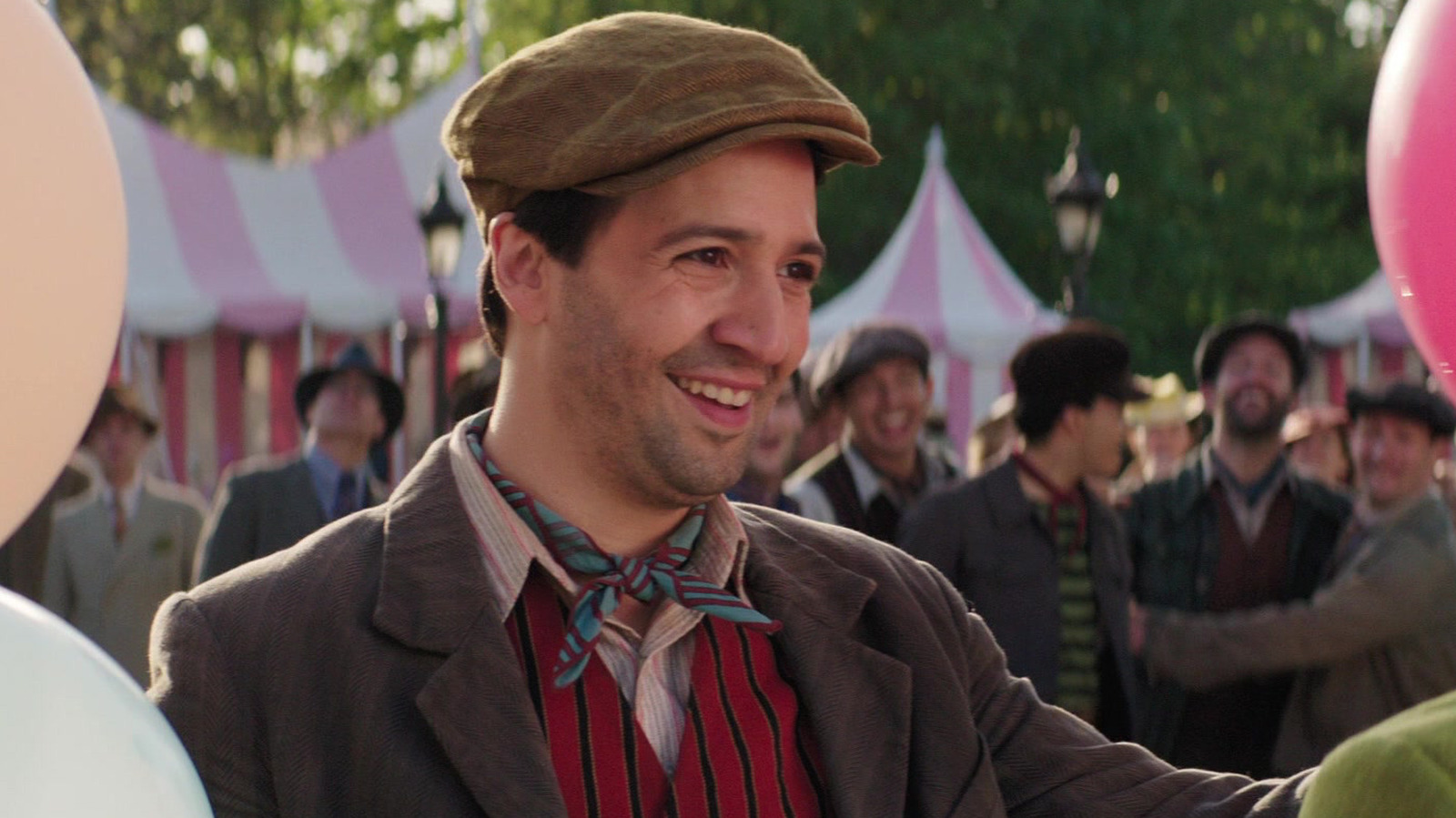
"I was like, ‘Oooh!’" Miranda recalled during the interview. The premise resonated with him, tapping into the high-stakes drama that defines the MCU. However, the excitement of the role was quickly tempered by the harsh reality of his professional schedule.
Chronology of a Missed Opportunity
The timing of the offer could not have been more inconvenient. In 2016, Miranda was finishing his grueling run as the lead in Hamilton. The production, which required immense physical and mental stamina, had kept him away from his home and family for an extended period.
When Feige outlined the shooting schedule for Spider-Man: Homecoming, it became clear that the timeline overlapped directly with the conclusion of Miranda’s Broadway tenure. "He goes, ‘Basically, the moment you step off stage in Hamilton,’" Miranda explained.
For many performers, the chance to inhabit a marquee villain role in a billion-dollar franchise would be an immediate "yes," regardless of the personal cost. For Miranda, the decision was anchored in personal priorities. "I love these movies, but I would really like to stay married," he noted with characteristic humility. He acknowledged that he was exhausted and in desperate need of a respite from the relentless pace of his career. He ultimately declined the role, choosing personal equilibrium over a major superhero debut.
The Case for Michael Keaton: Why the Rejection Was a Win
Reflecting on the decision years later, Miranda was quick to praise the outcome. Michael Keaton, an actor whose pedigree includes playing Batman and winning acclaim for Birdman, brought a specific grit to Adrian Toomes that redefined the "everyman" villain.
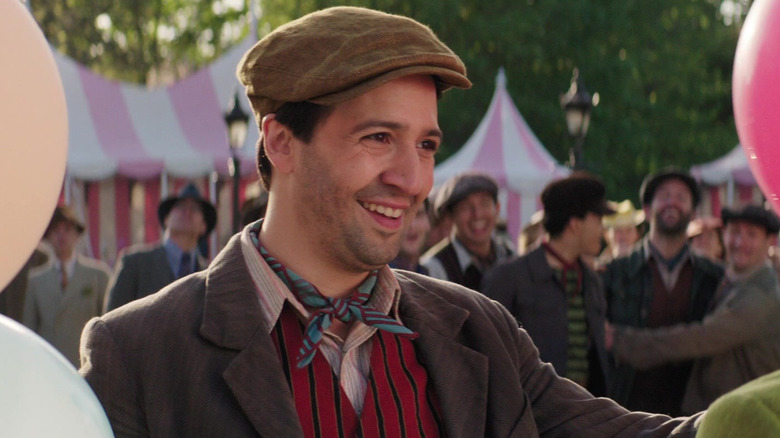
Miranda’s self-assessment was blunt: "I would have been so miscast." He recognized that Keaton possessed a seasoned, weathered intensity that was essential to the character’s motivation—a man driven by the need to provide for his family in a world that had left him behind. Keaton’s performance became the heart of the film, providing a foil to Tom Holland’s youthful, idealistic Peter Parker.
From an industry perspective, the casting of Keaton was a masterstroke that lent the film a sense of prestige. Had the role gone to Miranda, it would have undoubtedly changed the tone of the movie. While Miranda is a masterful performer, the specific "blue-collar" desperation required for Toomes was uniquely suited to Keaton’s career-long persona of the restless, slightly unhinged working man.
Implications: The Sliding Doors of Superhero Casting
The ripple effects of this "what-if" scenario extend beyond Spider-Man: Homecoming. Had Miranda taken the role, his professional trajectory would have looked significantly different.
- The "Morbius" Connection: One of the most intriguing implications involves the 2022 film Morbius. In the post-credits scenes of that critically panned Sony/Marvel project, Keaton’s Vulture appears in an attempt to bridge the gap between the MCU and Sony’s Spider-Man Universe. If Miranda had been the Vulture, he would have been contractually obligated to appear in that film. Given the project’s notorious reputation and box office failure, Miranda arguably dodged a bullet, sparing his brand from association with one of the most ridiculed comic book adaptations of the decade.
- Career Diversification: By rejecting the role, Miranda was able to pivot toward directing. His transition into a filmmaker with Tick, Tick… BOOM! (2021) allowed him to leverage his musical expertise in a way that serving as a hired-gun villain in a franchise would not have permitted.
- Super-Being Resume: Interestingly, Miranda did not avoid the superhero genre entirely. He eventually voiced the hero Gizmoduck in the DuckTales reboot and portrayed the god Hermes in Percy Jackson and the Olympians. These roles allowed him to dip his toe into the world of larger-than-life characters without the crushing burden of a multi-film franchise contract.
Future Endeavors: From Villainy to Directing
While the Vulture role remained a "what-if," Miranda has successfully transitioned into a new chapter of his career. His focus has shifted toward directing, with his upcoming feature film Octet currently in development. Based on Dave Malloy’s Off-Broadway musical, the film explores the modern struggle with digital addiction.
With a star-studded cast including Rachel Zegler, Amanda Seyfried, and Jonathan Groff, Octet represents a significant step forward for Miranda as a creative visionary. His ability to curate complex, character-driven narratives, demonstrated clearly in his directorial debut, suggests that he is far more interested in shaping the tone and substance of a film than simply stepping into an existing machine.
Conclusion
Lin-Manuel Miranda’s decision to turn down the role of the Vulture is a testament to his self-awareness and professional discipline. In an industry that often incentivizes actors to say "yes" to every opportunity for the sake of fame or capital, Miranda’s choice highlights the value of knowing one’s strengths and prioritizing personal well-being.
The Marvel Cinematic Universe benefited from the gravitas of Michael Keaton, and Lin-Manuel Miranda benefited from the creative freedom to pursue his own artistic vision. As we look back on the casting of Spider-Man: Homecoming, it remains a perfect example of a "sliding doors" moment—one where the path not taken was perhaps the best outcome for everyone involved. The legacy of the Vulture is secure, and the future of Lin-Manuel Miranda as a director remains one of the most exciting prospects in contemporary cinema.








