Muslim
In the landscape of modern pop culture, few figures loom as large—or as unpredictably—as John Carpenter. As of 2026, the legendary filmmaker has effectively retired his director’s chair, yet he has never been busier. For a man who defined the aesthetic of the late 20th century with the shivering synths of Halloween and the claustrophobic dread of The Thing, the current phase of his career represents a fascinating, decentralized evolution. Rather than resting on his laurels as a cinematic auteur, Carpenter has transformed into a multimedia force of nature, proving that his creative DNA is not confined to the silver screen.
The Chronology of a Multi-Hyphenate Renaissance
Carpenter’s transition away from traditional feature filmmaking did not happen overnight; it was a deliberate pivot toward the mediums that have always fueled his sensibilities. The timeline of this shift began in earnest during the early 2020s, as his focus drifted from the high-pressure environment of studio production toward more immediate, independent creative outlets.
By 2024, the "Carpenter brand" had become synonymous with a specific type of cross-platform engagement. He began appearing at global fan conventions, not merely as a guest of honor, but as an active participant in the community. This was followed by his deeper integration into the gaming industry—most notably his work on the high-octane FPS John Carpenter’s Toxic Commando.
His musical output, once a background element of his films, moved to the forefront. Touring globally with his synthesizer, Carpenter has revitalized his film scores as live experiences. Simultaneously, his venture into comic book storytelling—often paired with companion heavy metal albums—has allowed him to bypass the traditional gatekeepers of Hollywood, focusing instead on the pulp-inspired narratives that originally defined his voice in the 1970s and 80s.
Supporting Data: The Anatomy of a Cult Legacy
To understand why Carpenter remains a pivotal figure in 2026, one must look at the "Carpenter effect." His films are characterized by a unique juxtaposition: the bizarre and the mundane. Whether it is the blue-collar, cynical reality of They Live or the supernatural underworld of Big Trouble in Little China, Carpenter’s work succeeds because it treats the extraordinary with a casual, almost indifferent shrug.
The Economics of Independence
Carpenter has been famously candid about his lack of sentimentality regarding his legacy. In various interviews, he has noted that he is perfectly content with remakes of his work, provided the financial terms are favorable. This pragmatism—the "get paid for doing nothing" philosophy—is not merely a joke; it is a business strategy that has allowed him to retain creative freedom. By licensing his past, he funds his present, allowing him to experiment with comics, music, and games without the burden of studio interference.

The Cross-Pollination of Cultures
The synergy between Carpenter’s body of work and the world of anime is a subject of growing interest among cultural critics. Both share a penchant for high-concept sci-fi, kinetic energy, and the exploration of the "weird."
Consider the following thematic parallels currently driving discourse among fans:
- Big Trouble in Little China & Space Dandy: Both feature protagonists who are fundamentally unbothered by the cosmic terrors surrounding them. Jack Burton and Dandy are united by a common thread of self-interest and a profound lack of introspection, making their chaotic adventures feel uniquely subversive.
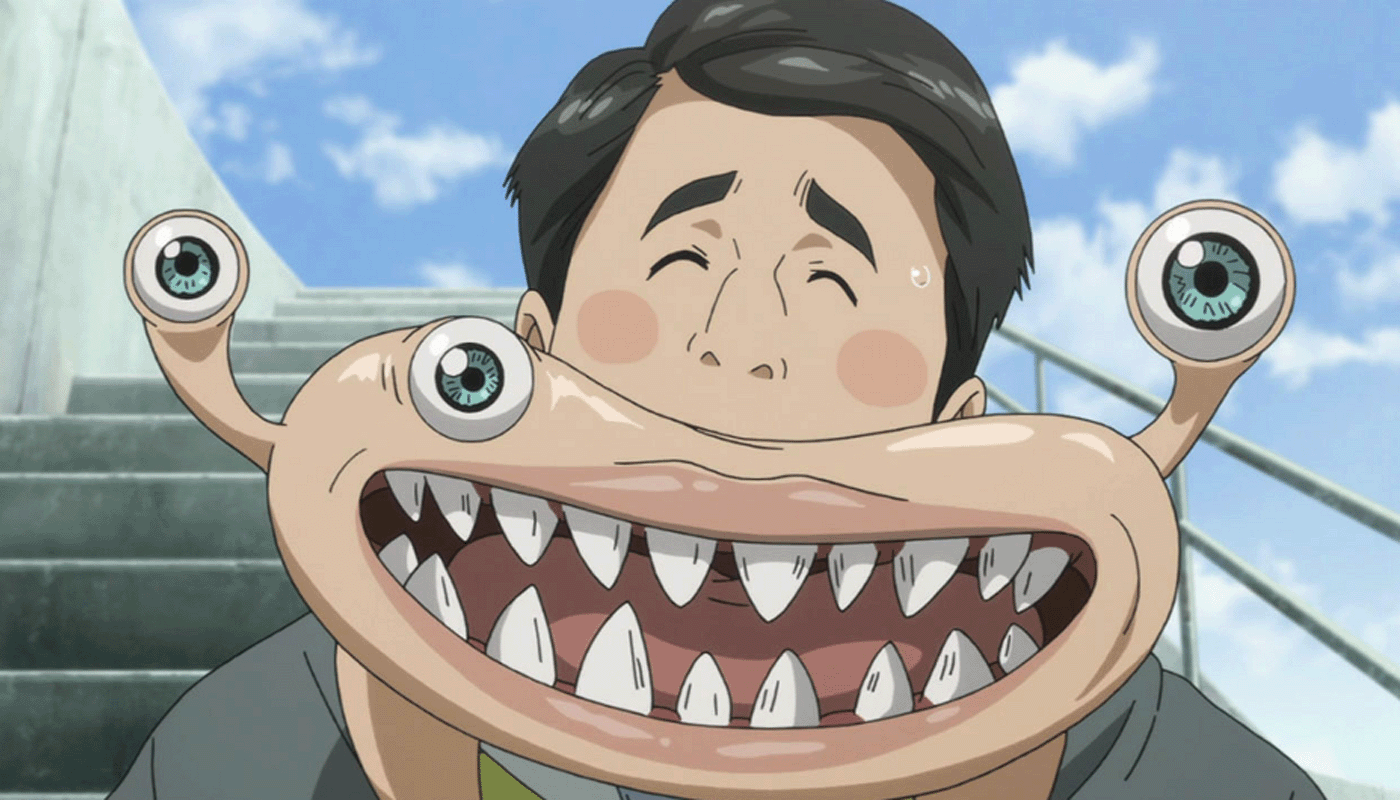
- They Live & Parasyte: The Maxim: While Carpenter used alien invasion as a sharp critique of 1980s Reagan-era consumerism, Parasyte uses the same premise to dissect human ego and biological superiority. Both serve as warnings against the "tiny monstrosities" we normalize in our daily existence.
- The Thing & To Your Eternity: The intersection of body horror and the search for identity. While The Thing remains the gold standard of practical effects-driven paranoia, To Your Eternity offers a philosophical meditation on what it means to take the shape of others.
- Halloween & Monster: The psychological chilling effect of the "human monster." Both works subvert the traditional slasher tropes by focusing on the mundane reality of evil, suggesting that the most terrifying villains are those who walk among us in plain sight.
Official Perspectives and Industry Implications
Industry insiders view Carpenter’s 2026 trajectory as a blueprint for the "legacy creator." In an era where franchises are often treated with sacred, rigid reverence, Carpenter’s approach is refreshing. By engaging with video games and comics, he has successfully bridged the gap between Gen X, Millennial, and Gen Z audiences.

"Carpenter is not precious about his work, and that is precisely why it survives," says media analyst Elena Rodriguez. "He understands that pop culture is a conversation, not a museum exhibit. By moving into games and live music, he keeps the conversation going without needing to release a new film every two years."
The implication for the industry is clear: the traditional Hollywood career arc—climb the ladder, win the awards, fade away—is no longer the only path to sustained relevance. Carpenter has effectively decentralized his influence, proving that an artist’s value is determined by their ability to adapt to new formats rather than their adherence to old ones.
The Enduring Impact of the Odd Duck
John Carpenter’s influence on the past 50 years of pop culture is nearly impossible to quantify. He did not just make movies; he codified a visual and auditory language that continues to be mimicked by every generation of directors. From the synth-heavy scores of modern horror to the anti-hero tropes seen in contemporary anime and manga, his fingerprints are everywhere.

His shift away from directing in 2026 is not an end; it is a transition into a more liberated form of expression. He is currently a man who enjoys the freedom of watching sports, playing the games he helped build, and touring with his music. He has achieved what few creators ever do: the ability to exist as both an institution and an active, evolving participant in the culture he helped shape.
As we look at his current endeavors, we are reminded that Carpenter’s strength has always been his ability to see the world for what it is—a place that is simultaneously terrifying, absurd, and occasionally quite fun. Whether he is directing a film or simply playing a video game, he remains a singular, uncompromising voice. While the industry may lament the lack of new Carpenter feature films, we must acknowledge that he is currently doing exactly what he has always done: following his own rules, keeping his sense of humor, and reminding us all to keep our eyes open to the monsters hidden in plain sight.
In the final analysis, John Carpenter has not left the spotlight; he has simply widened his scope. His legacy is no longer a static collection of films on a shelf—it is a living, breathing ecosystem of creative output that continues to influence, challenge, and entertain, proving that even when the cameras stop rolling, the artist’s work is never truly done.

 Reynand Wu
 Asep Darmawan