

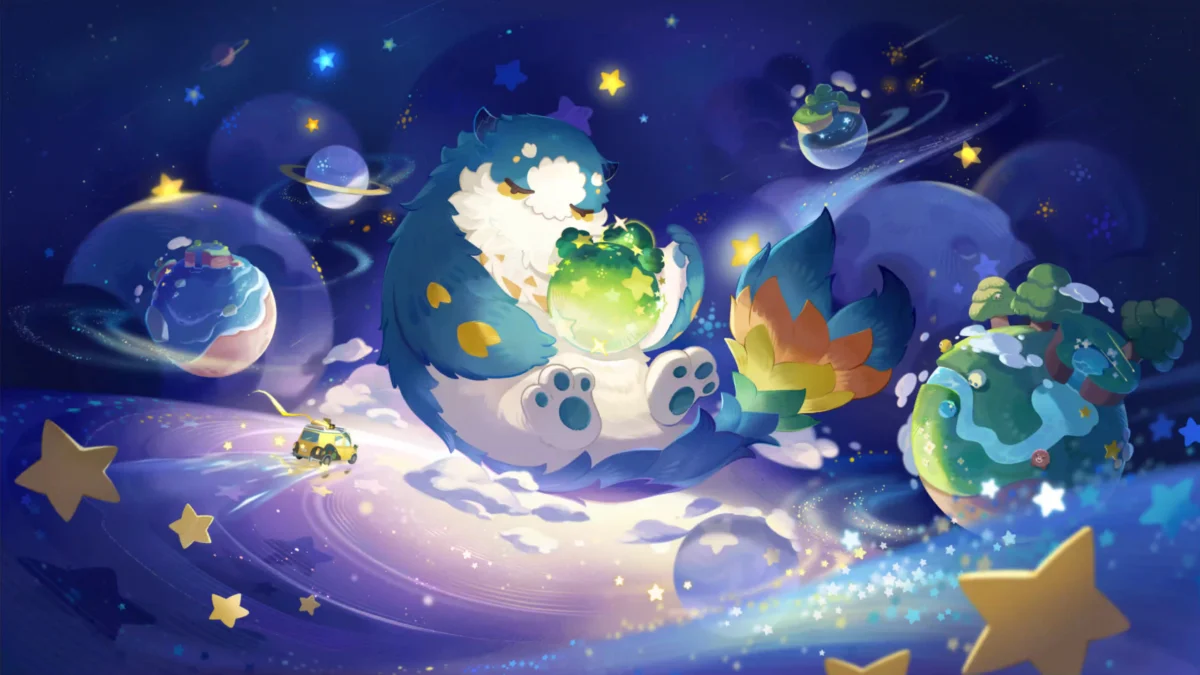
In the ever-evolving landscape of modern gaming, the "cozy" genre has shifted from a niche pastime to a dominant market force. Following the seismic success of Animal Crossing: New Horizons during the global lockdowns of 2020, the industry has seen a tidal wave of developers attempting to capture that specific lightning in a bottle. From Heartopia to the recent beta launch of Petit Planet, the "desert island social sim" formula has become a blueprint for success—or, perhaps, an indicator of creative fatigue.
HoYoverse, the juggernaut behind Genshin Impact and Honkai: Star Rail, has now entered this arena with Petit Planet. Having just concluded its second beta test, the title offers an alluring sci-fantasy aesthetic that trades the typical tropical island for a whimsical, gravity-defying celestial playground. However, as the dust settles on this latest test, the question remains: does Petit Planet offer a fresh evolution of the genre, or is it simply a high-production-value echo of the classics?
The Evolution of the Life-Sim Genre: A Chronology
The life-simulation genre has historically been defined by a "holy trinity": The Sims, Animal Crossing, and Harvest Moon (now Story of Seasons). These titles established the loop of resource gathering, social interaction, and environmental customization that players have come to expect.
- The Early 2000s: The foundation was laid with games that focused on isolated loops—farming in Harvest Moon or social management in The Sims.
- The 2020 Pivot: Animal Crossing: New Horizons arrived at a cultural inflection point, transforming the genre into a mainstream phenomenon. It emphasized asynchronous multiplayer and long-term, slow-burn progression.
- The 2024–2026 Saturation: We are currently in a period where major studios are attempting to pivot their live-service expertise toward the cozy market. Heartopia arrived in early 2024 with a focus on player-controlled NPCs, and now Petit Planet is positioning itself as the "prestige" entry in the space.
Petit Planet does not attempt to hide its influences. When the concept first leaked years ago, comparisons to Nintendo’s flagship franchise were immediate. In typical HoYoverse fashion, the developer has leaned into this, mirroring their strategy with Genshin Impact—a title that was initially dismissed as a Breath of the Wild clone before carving out its own distinct identity as a party-based action RPG. Whether Petit Planet can achieve a similar "second-act" separation remains to be seen.
Gameplay Mechanics: Familiarity vs. Innovation
For the veteran life-sim player, the moment-to-moment experience in Petit Planet is strikingly familiar. You shake fruit from trees, you catch fish, you donate insects to a scholarly, anthropomorphic NPC, and you manage the resources of a small settlement.
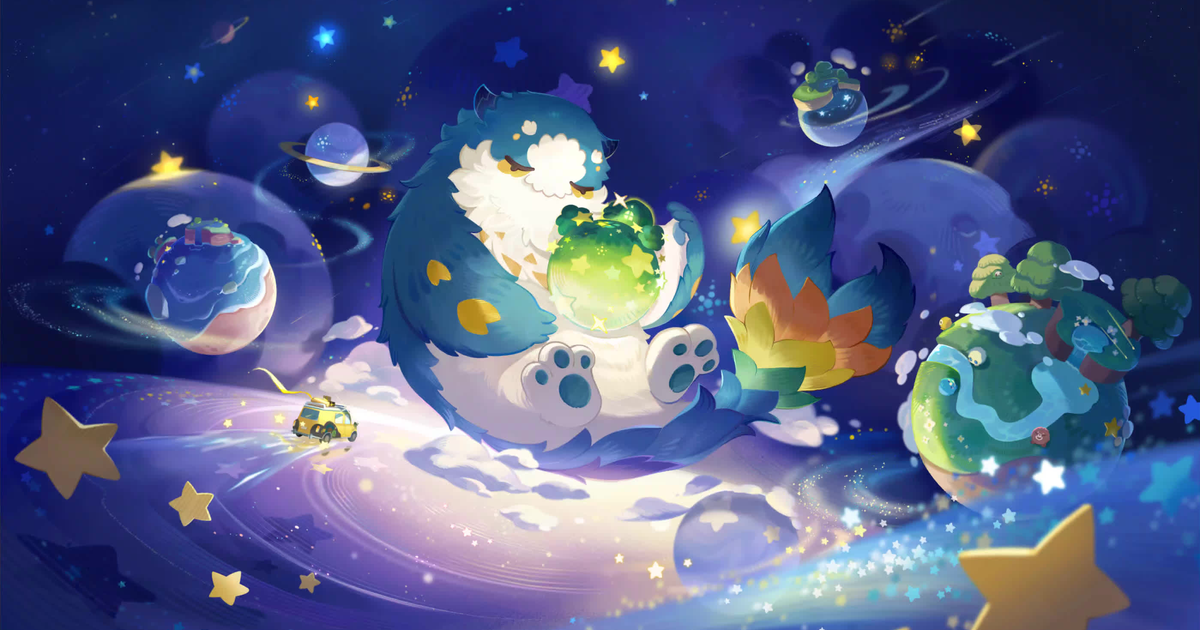
The aesthetic shift is undoubtedly the game’s strongest suit. By transplanting the island concept to miniature, spherical planets, HoYoverse has added a touch of Super Mario Galaxy-esque whimsy. The visuals are polished, the characters are undeniably charming, and the "cozy" factor is high. However, the lack of a clear Unique Selling Point (USP) is a concern. While Heartopia differentiates itself through its social, player-driven town structure, Petit Planet struggles to articulate why a player should choose it over their existing 900-hour Animal Crossing save file.

Is there room in the player’s schedule for another "chores" sim? For the dedicated, the answer is likely yes. The game succeeds as a "comfort food" experience. Yet, when the console is turned off, the game lacks a compelling "hook" to draw the player back in. It is a competent, beautifully rendered playground that currently functions more as a tribute to its predecessors than a departure from them.
The GenAI Controversy and Technical Opacity
Perhaps the most significant conversation surrounding Petit Planet involves HoYoverse’s implementation of generative AI. The studio has been transparent about its usage of GenAI, a decision that has drawn both praise for its honesty and criticism regarding the ethics of the technology.
From a technical standpoint, the current implementation appears to be an application of Large Language Models (LLMs) or Small Language Models (SLMs) to facilitate real-time NPC dialogue. However, the irony is palpable: the developer is touting "real-time conversation" as a breakthrough, yet the output feels strikingly similar to the dialogue seen in Façade, an indie project released over two decades ago.

The implication here is twofold:
- Innovation vs. Marketing: The "AI" label is being used to generate hype for a feature that feels functionally archaic.
- Labor and Ethics: The industry remains deeply divided on the use of GenAI in creative fields. By prioritizing this technology, HoYoverse faces scrutiny regarding the potential displacement of writers and the overall impact on the quality of their narrative content. If the "AI" is simply producing generic, repetitive dialogue, the cost to the studio’s reputation may outweigh the convenience of the technology.
Targeting the "Family" Demographic
A pivot toward a "family" audience is a notable shift for HoYoverse. Previously, their portfolio—consisting of games like Genshin Impact, Honkai: Star Rail, and Tears of Themis—targeted a demographic of teens and young adults with varying degrees of complexity and monetisation.
Petit Planet is the first project where the studio has explicitly courted a younger, broader audience. This raises questions about monetization. Interestingly, the beta tests have shown a distinct lack of the aggressive "gacha" mechanics that define HoYoverse’s other titles. Whether this is a permanent design choice or a temporary measure to keep the game "family-friendly" for the beta phase is unknown.

If a Gacha system is eventually introduced, it will place the company in a precarious position regarding child safety and predatory monetization—an area where they already face significant regulatory and public scrutiny. If they omit the Gacha in favor of a subscription or battle-pass model, it would mark a major departure for the company, perhaps signaling a move toward a more sustainable, less volatile revenue stream.
Implications for the Future of Cozy Gaming
HoYoverse has proven it can diversify its output, successfully pivoting from action RPGs to social sims. This is an achievement in technical agility. However, the "by-the-numbers" approach of Petit Planet suggests that the studio is playing it safe.
In a market saturated with clones, success is rarely found in mere replication. To truly succeed, Petit Planet will need to move beyond being a "competent" simulator and lean into the unique potential of its space-faring, multi-planetary premise.

Key Takeaways
- The "Cozy" Market is Crowded: Petit Planet must fight for attention against established titans and agile indie competitors.
- Visual Fidelity is Not Enough: While the game is gorgeous, the gameplay loop remains derivative of 20-year-old genre standards.
- The AI Gamble: The use of generative AI remains a point of contention; the studio must prove that the technology adds value rather than just serving as a marketing buzzword.
- Targeting the Youth: The shift toward a younger demographic could be a lucrative expansion, provided the studio navigates the ethical minefield of monetization carefully.
Ultimately, Petit Planet is a project in transition. It is a game that feels like a polished, safe, and comforting space—but one that has yet to prove it deserves a permanent spot in the pantheon of life-simulation greats. For now, it remains an appealing, if predictable, addition to the HoYoverse library.












No comments yet. Be the first to join the conversation!