Reynand Wu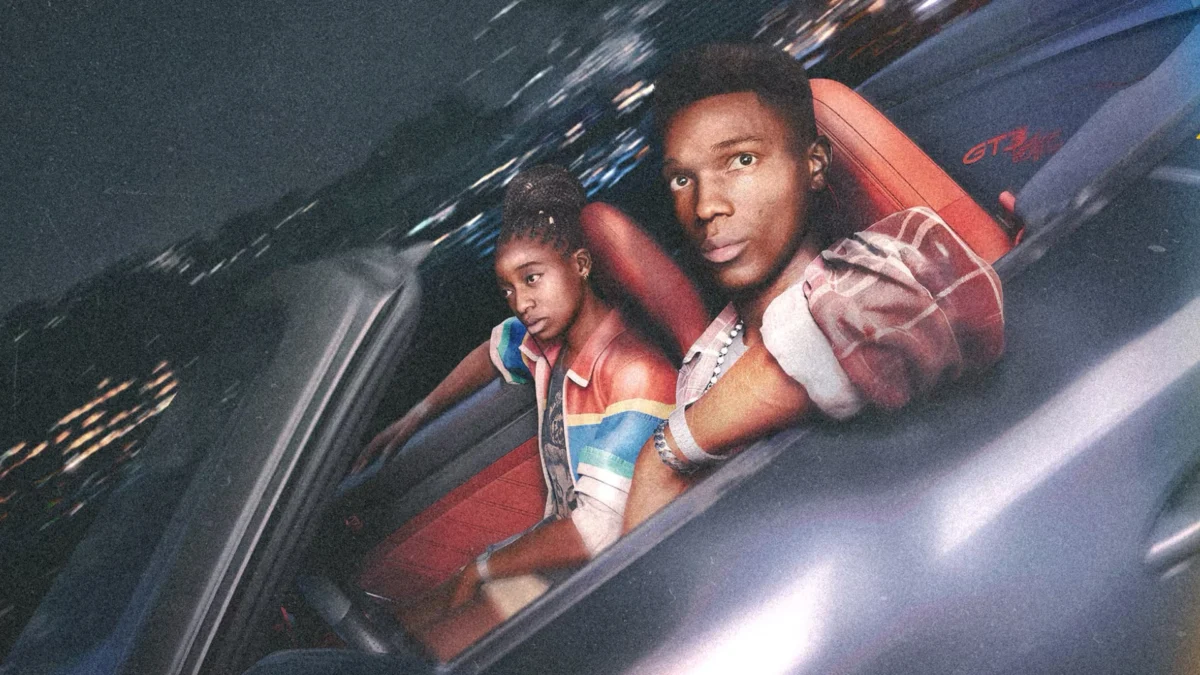
For years, the racing game genre, a cornerstone of interactive entertainment, has felt like a well-oiled, yet predictable, machine. While technically proficient and undeniably popular, many of the genre’s flagship titles have coalesced into a familiar mold: hyper-realistic simulators or sprawling open-world experiences brimming with meticulously replicated vehicles. This perceived homogeneity, while satisfying a dedicated niche, has left many enthusiasts yearning for a breath of fresh air, a return to the genre’s more experimental and exhilarating roots. Fortunately, the winds of change are blowing, and the racing game landscape is showing promising signs of a vibrant resurgence, driven by a renewed commitment to innovation and diverse gameplay experiences.
The Era of Predictability: A Decade of Refinement, Not Revolution
Over the past decade, the racing game genre has undoubtedly achieved new heights in terms of graphical fidelity and simulation accuracy. Titles like Assetto Corsa, Gran Turismo 7, and the Forza Motorsport series have set benchmarks for realism, offering players an unparalleled opportunity to experience the thrill of driving meticulously detailed virtual cars on authentic tracks. Similarly, the Forza Horizon franchise has carved out a massive audience with its expansive open worlds, diverse car rosters, and accessible, arcade-infused gameplay.
However, for some players, this consistent refinement has inadvertently led to a sense of creative stagnation. The core gameplay loop in many of these prominent titles, while polished to a mirror sheen, has become remarkably predictable. As one commentator observed, "I’m sure some people aren’t going to like this, but speaking as a fan of racing games, I think they’ve been kinda boring for a while." This sentiment reflects a growing weariness with the "if it ain’t broke, don’t fix it" mentality that seems to have permeated the upper echelons of the genre.
The issue, as articulated by critics and players alike, isn’t a lack of quality but a lack of variety. The sheer dominance of the simulation and open-world arcade subgenres has created a landscape where new releases, even those with substantial budgets, often feel like variations on a theme. The anticipation for a hypothetical Forza Horizon 6, while understandable given the series’ pedigree, is tempered by the knowledge of what to expect. This predictability, while a testament to the genre’s successful formula, can dampen the spark of genuine excitement and discovery that once defined it.
The Seeds of Change: Emerging Titles Rekindling the Arcade Spirit
Thankfully, the tide is beginning to turn. The past few years have witnessed a discernible shift, with a growing number of titles deliberately veering away from the established norms, reintroducing elements that have been absent from the mainstream for too long. This diversification is not merely a niche appeal; it represents a conscious effort to inject new life and creativity into the genre.
A notable early harbinger of this shift was Hot Wheels Unleashed. Developed by Milestone, this title eschewed the often-serious tone of simulations for a full-throttle, chaotic arcade experience. Its commitment to the whimsical, high-octane world of die-cast toy cars, coupled with its sequel, demonstrated a successful revival of pure, unadulterated fun. This was a clear signal that high-profile racing games could thrive by embracing a less conventional, more playful approach.
More recently, the genre has seen a welcome influx of titles that are pushing boundaries and exploring new gameplay avenues:
- Sonic Racing: CrossWorlds: This release finally delivered a competent and enjoyable kart racer to the PlayStation 5, a subgenre that had been notably underserved for a significant period.
- Wreckreation: While its execution may have been imperfect, the ambitious premise of merging Burnout‘s explosive demolition derby with Trackmania‘s creative track building represented a bold attempt to innovate. This willingness to "swing big," even if not every swing connects, is a positive indicator of the genre’s evolving mindset.
- Screamer: This title has been lauded as one of the most unique and engaging racing games in recent memory. Its distinctive approach suggests that true innovation can come from unexpected places, offering players a genuinely novel experience.
The Horizon of Hope: A Promising Slate of Upcoming Titles
Perhaps the most compelling evidence for the racing genre’s revitalized future lies in the slate of upcoming titles. A closer examination reveals a deliberate effort to blend established gameplay mechanics with fresh ideas, catering to a broader spectrum of player preferences.
Clutch: This free-roaming racing game, developed by former Forza Horizon developers, is already generating significant buzz. While it retains the open-world exploration that fans have come to expect, Clutch is actively experimenting with narrative integration and unconventional gameplay mechanics. The inclusion of a character-led story and the incorporation of gadgets like a grappling hook signal a departure from the purely car-centric focus of many contemporary racers. This willingness to introduce novel elements within a familiar framework is precisely what the genre needs to evolve.
Star Wars: Galactic Racer: This title promises a thrilling amalgamation of beloved racing franchises. Its high-speed, aggressive, and gravity-defying action evokes the spirit of classics like MotorStorm, Burnout, and WipEout. The absence of many modern racers that can credibly evoke such a legacy underscores the significance of Star Wars: Galactic Racer‘s potential to recapture a lost sense of exhilarating, over-the-top racing.

Stuntman: Hollywood: While not a traditional racing game, Stuntman: Hollywood offers a distinct and captivating driving experience. Its focus on explosive action sequences and its garage filled with iconic movie vehicles provide a unique blend of automotive engagement and cinematic spectacle. This expansion of what constitutes a "racing" or "driving" game is a testament to the genre’s growing willingness to explore adjacent possibilities.
Crazy Taxi: World Tour: The revival of the beloved Crazy Taxi series is a welcome announcement for many. This installment promises to introduce a new generation to its signature madcap driving and fast-paced, objective-driven gameplay. The return of such a fondly remembered franchise, with a modern twist, signifies a desire to revisit and reimagine classic experiences.
Hot Wheels: Infinite Rush: Building upon the success of Hot Wheels Unleashed, this new entry takes the toy car aesthetic into an open-world setting. Crucially, it retains the unique toy-based physics and visual style that made its predecessor so appealing. This approach demonstrates how even established franchises can find new life by intelligently integrating innovative elements without sacrificing their core identity.
These upcoming titles represent a significant departure from the predictable trajectories of the past. They are not merely incremental updates; they are bold explorations of what racing games can be. By incorporating narrative, unique gadgets, a wider range of gameplay styles, and a willingness to draw inspiration from diverse sources, these games are poised to re-energize the genre and capture the imaginations of a new generation of players.
Supporting Data and Industry Trends
The perceived stagnation in the racing game genre wasn’t an isolated phenomenon. For a period, the market was heavily saturated with titles that catered to a very specific demographic – the hardcore simulator enthusiast or the open-world explorer. While these games achieved critical and commercial success, they often did so by reinforcing existing paradigms rather than challenging them.
However, data from recent years suggests a growing appetite for more varied experiences. Indie developers have often been at the forefront of this diversification, experimenting with unique mechanics and aesthetics that larger studios might deem too risky. Titles like GRIP: Combat Racing and Distance have demonstrated that there is a substantial audience for arcade-style racers with a focus on speed, combat, and innovative track design.
The success of games like Mario Kart 8 Deluxe on the Nintendo Switch, a perennial best-seller that consistently offers pure, unadulterated kart-racing fun, further underscores that a market for accessible, entertaining racing experiences remains robust. While not a direct competitor to the simulation or open-world giants, its sustained popularity highlights the enduring appeal of well-crafted, focused gameplay.
Furthermore, the increasing prevalence of user-generated content in games like Trackmania and the growing popularity of sandbox driving experiences indicate a player base that is eager to engage with driving mechanics in creative and emergent ways. This desire for player agency and emergent gameplay is a trend that more ambitious racing titles are beginning to tap into.
Official Responses and Developer Intentions
While direct "official responses" to the perceived boredom of racing games are rare, the actions of developers and publishers speak volumes. The increasing number of studios actively experimenting with new concepts and reviving dormant franchises suggests a recognition of the need for innovation.
The investment in titles like Clutch by experienced developers who previously worked on highly successful but formulaic franchises like Forza Horizon is a strong indicator. It suggests an internal drive within the industry to push boundaries and explore new creative avenues, even within established studios.

The focus on narrative in Clutch and the eclectic mix of inspirations for Star Wars: Galactic Racer point to a desire to broaden the appeal of racing games beyond purely technical prowess. These developers are not just aiming to create technically impressive vehicles; they are aiming to craft engaging experiences with compelling worlds and memorable moments.
The revival of franchises like Crazy Taxi also signals a strategic approach to tap into nostalgia while modernizing the core gameplay. This strategy acknowledges that players are eager for new experiences, but also appreciate the evolution of beloved classics.
Implications for the Future of Racing Games
The current trajectory of the racing game genre holds significant implications for its future. The diversification we are witnessing is not just a temporary trend; it signals a fundamental shift in how developers are approaching the genre.
Increased Player Choice: The most immediate implication is a vastly expanded range of choices for players. No longer will enthusiasts be confined to a narrow spectrum of gameplay styles. Whether you crave hyper-realistic simulation, chaotic arcade action, narrative-driven driving, or creative track design, there will likely be a game to suit your tastes.
Re-emergence of Niche Genres: The success of titles like Hot Wheels Unleashed and the anticipation for Sonic Racing: CrossWorlds suggest a potential resurgence of subgenres that have been underserved in recent years. This could lead to a richer and more diverse ecosystem of racing games, catering to a wider array of specific interests.
Innovation Beyond Vehicle Simulation: The focus on narrative, gadgets, and unique gameplay mechanics in upcoming titles indicates a move beyond solely simulating the act of driving. Racing games are becoming more about the overall experience, incorporating elements of adventure, storytelling, and even puzzle-solving.
Renewed Excitement and Engagement: Ultimately, this diversification is poised to reignite player excitement and engagement with the racing genre. By offering fresh ideas and unique experiences, developers can recapture the sense of discovery and wonder that has been missing for some time. This renewed enthusiasm can lead to a healthier and more dynamic genre, fostering creativity and encouraging further innovation for years to come.
The era of predictable racing games appears to be drawing to a close. As developers embrace innovation and explore new creative territories, the genre is poised for a renaissance, promising a future filled with exhilarating, diverse, and deeply engaging driving experiences. The checkered flag is waving, and the race for the most exciting racing games has just begun.


 Lina Irawan
 Sagoh
Sagoh