

As the frost of winter recedes and the days lengthen, homeowners across the country are turning their attention to the garden. There is an undeniable satisfaction in achieving that perfect, carpet-like lawn, especially as the season for backyard barbecues and outdoor entertaining approaches. However, in the rush to tidy up the yard after a spring shower or a heavy morning dew, many gardeners commit a critical error that can have long-lasting, damaging consequences for both their turf and their equipment.
The secret to a lush, green, and healthy lawn isn’t just about fertilizer or aeration—it is about timing. Specifically, the cardinal rule of lawn care is one that is frequently ignored: never mow your grass while it is wet.
The Core Problem: Why Moisture Matters
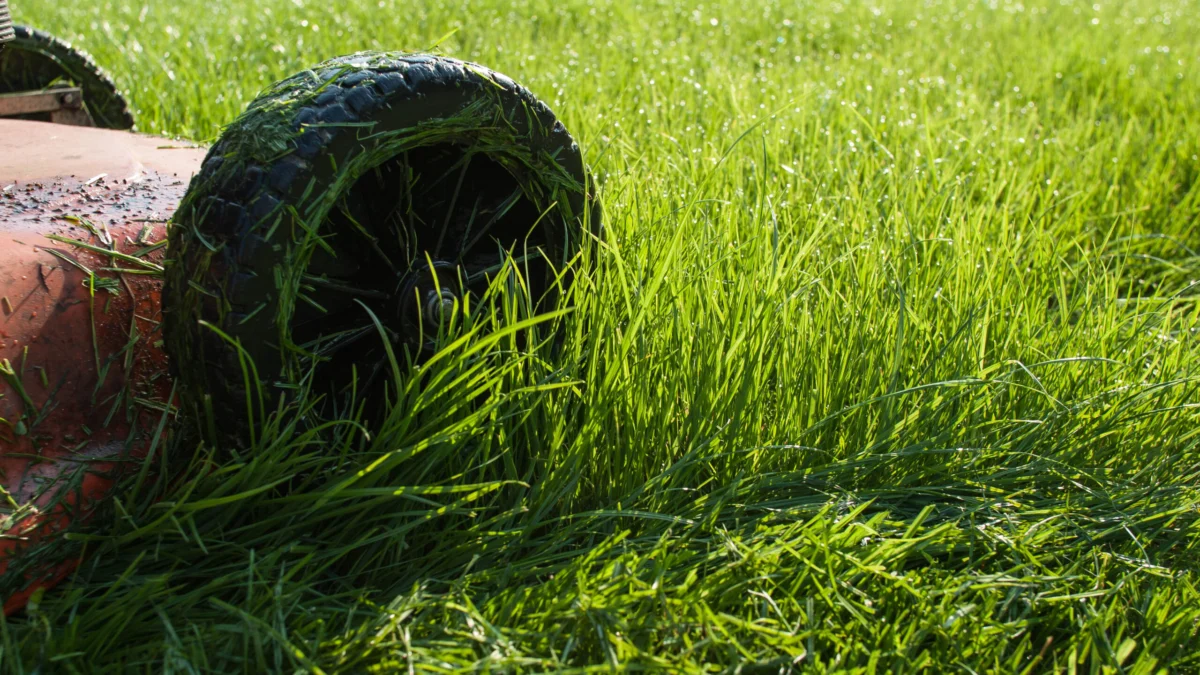
While it may seem trivial, cutting wet grass is a recipe for disaster. The problem lies in the physical nature of water-saturated vegetation. When grass is damp, it becomes heavy, pliable, and prone to clumping. Unlike dry, crisp grass blades that stand upright and offer clean resistance to a mower blade, wet grass tends to droop and bend, clinging to itself and the underside of your mower deck.
This seemingly minor change in state triggers a cascade of negative effects. First and foremost, the excess moisture creates a "sludge" effect. Instead of the clean, sharp cut that promotes healthy regrowth, the mower blades essentially beat and tear at the grass. This results in a ragged, uneven finish that not only looks unsightly but also leaves the grass vulnerable to disease and dehydration.
The Chronology of Damage: From Blade to Soil
To understand the full scope of this issue, it is helpful to look at the progression of the damage caused by cutting wet grass.
Immediate Impact: The Mechanical Strain
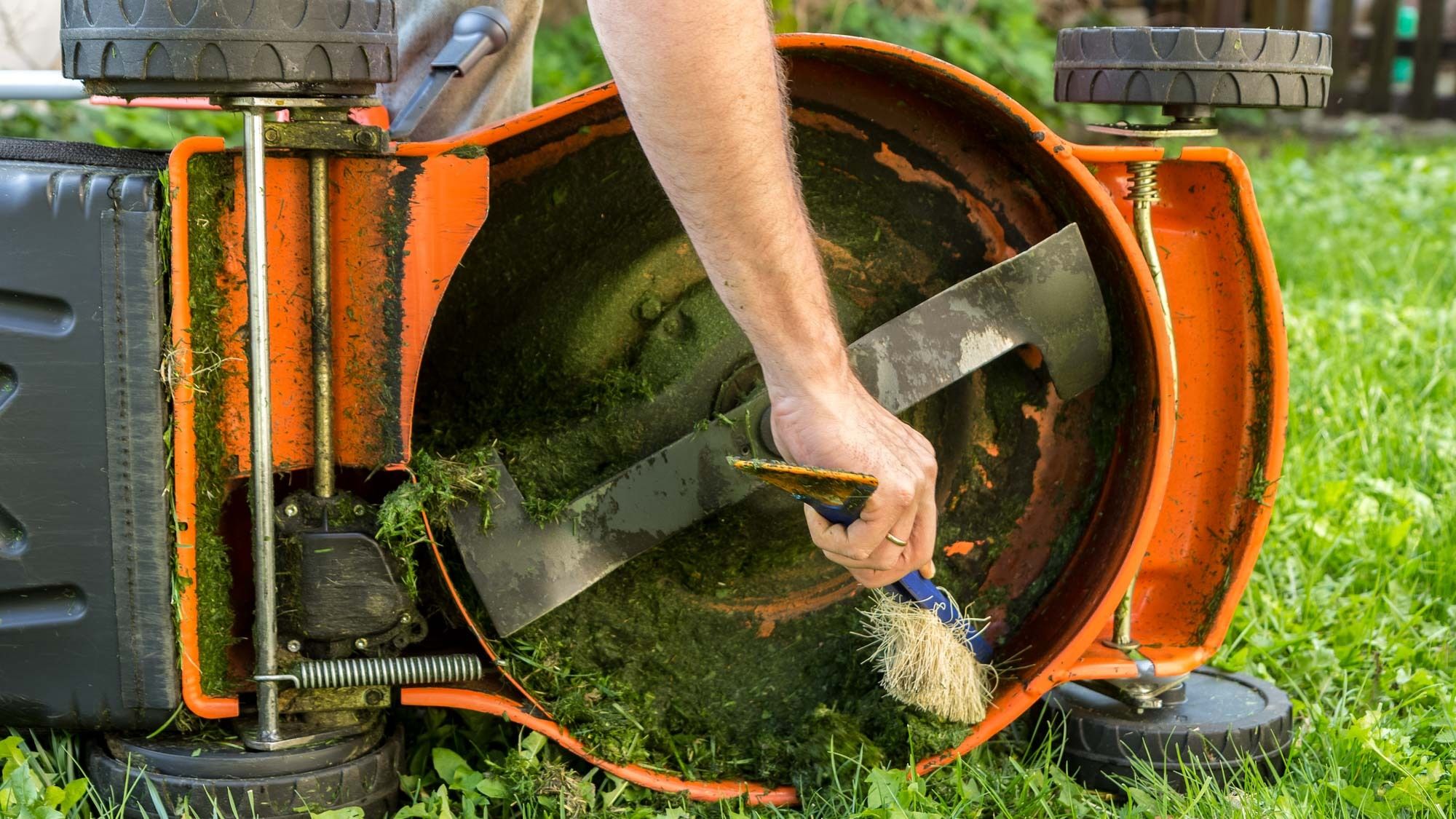
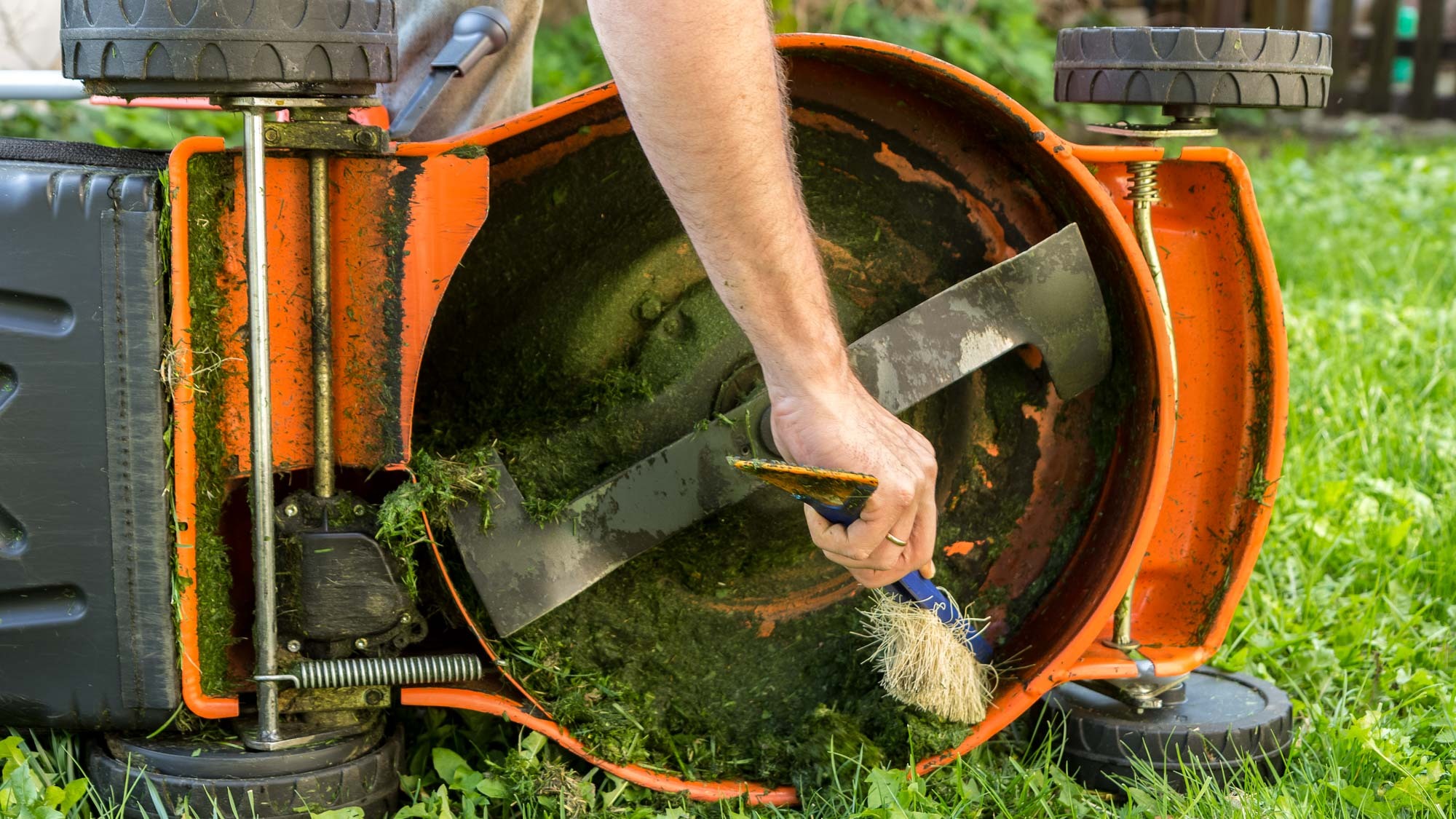
The moment you engage the mower deck in wet conditions, the machine begins to struggle. The clumps of wet clippings act as a drag on the engine and the blades. As the debris builds up beneath the deck, it creates a physical barrier that prevents the mower from properly discharging the grass.
Because the mower is forced to work significantly harder to power through this thick, matted mess, the engine experiences increased strain. Over time, this causes the mower to overheat. Furthermore, the constant exposure to moisture accelerates the oxidation process, leading to premature rust on the mower deck and the cutting blades.
Short-Term Consequences: The Appearance of the Lawn
Within hours of cutting wet grass, the tell-tale signs of a poor job will emerge. Because the blades were torn rather than sliced, the tips of the grass will begin to brown. This is because the jagged, shredded ends lose moisture rapidly, turning yellow or brown and giving the lawn a lackluster, unhealthy appearance that can persist for days or even weeks.
Long-Term Implications: Turf Health and Disease
The most concerning impact occurs at the soil level. When you cut wet grass, the clippings don’t disperse evenly; instead, they fall in thick, wet mats. These clumps act as an incubator for fungal growth. The lack of airflow beneath these mats creates a humid, anaerobic environment that is a breeding ground for lawn diseases, such as leaf spot or dollar spot. If left unmanaged, these diseases can infiltrate the root system, causing thinning, patchiness, and in severe cases, the death of the turf.
Supporting Data and Technical Realities
Professional landscapers and turf management experts consistently rank moisture management as a pillar of lawn health. According to horticultural research, a clean, sharp cut is essential because it minimizes the surface area of the "wound" on the grass blade. When a blade is sliced cleanly, it heals quickly, sealing in moisture and nutrients.
When the cut is torn—which is inevitable when mowing wet—the plant is forced to expend significant energy just to survive the injury, rather than using that energy for deep root growth or spreading. Furthermore, the "sludge" that builds up under the mower deck is not merely a nuisance; it is a major factor in machine failure. Most consumer-grade mowers are not designed to handle the heavy, wet weight of saturated clippings, which can lead to clogged discharge chutes, slipping belts, and premature engine wear.
Professional Advice: The Optimal Mowing Schedule
If you want to ensure a greener, more resilient lawn, you must treat your mowing schedule with the same precision as a professional turf manager.
The Mid-Morning Sweet Spot
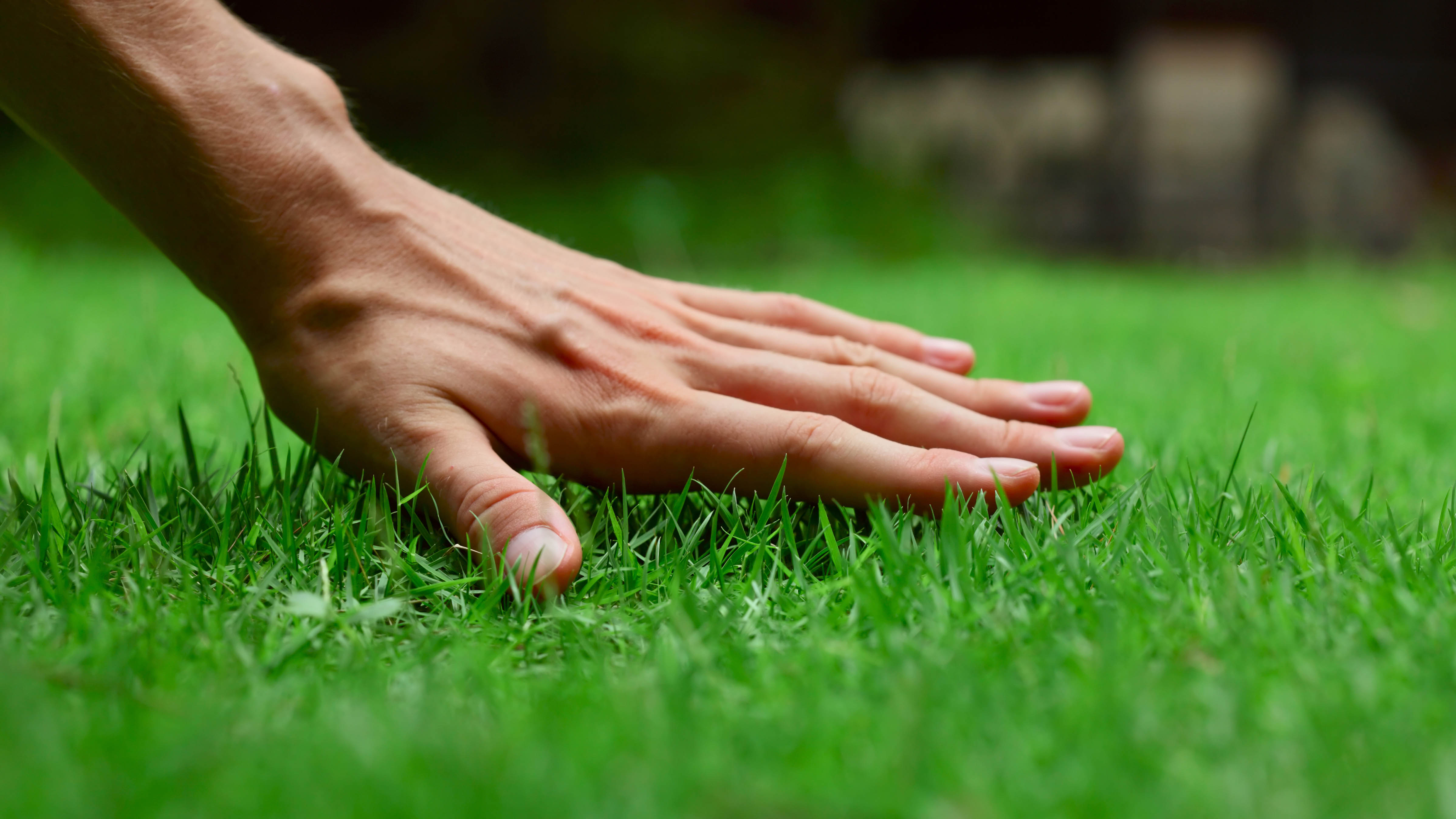
The ideal time to mow is mid-morning, typically after 10:00 AM. By this time, the morning dew has evaporated, and the sun has had a chance to dry the surface of the blades. Mowing at this time allows the grass to stand upright, ensuring that the mower blades can slice through with maximum efficiency. Furthermore, performing the task in the morning allows the grass a full day of sunlight to recover and "heal" from the trauma of being cut before the cooler, more humid temperatures of nightfall arrive.
The Afternoon Alternative
If your schedule does not permit a mid-morning start, the late afternoon—specifically between 4:00 PM and 6:00 PM—is your second-best window. During these hours, the heat of the midday sun has passed, reducing the risk of heat stress or scorching on the freshly cut grass. Additionally, the dew has not yet begun to settle, providing a dry environment for a clean cut.
Avoid mowing during the peak heat of the day (between 12:00 PM and 3:00 PM) if possible, as this can cause the grass to dry out too quickly, and never mow in the evening, as the grass will remain damp overnight, creating the perfect conditions for fungal development.
Essential Maintenance: Keeping Your Equipment Sharp
The condition of your equipment is the second half of the equation. Even if you only mow when the grass is bone-dry, a dull blade will produce the same "shredding" effect as a wet cut.
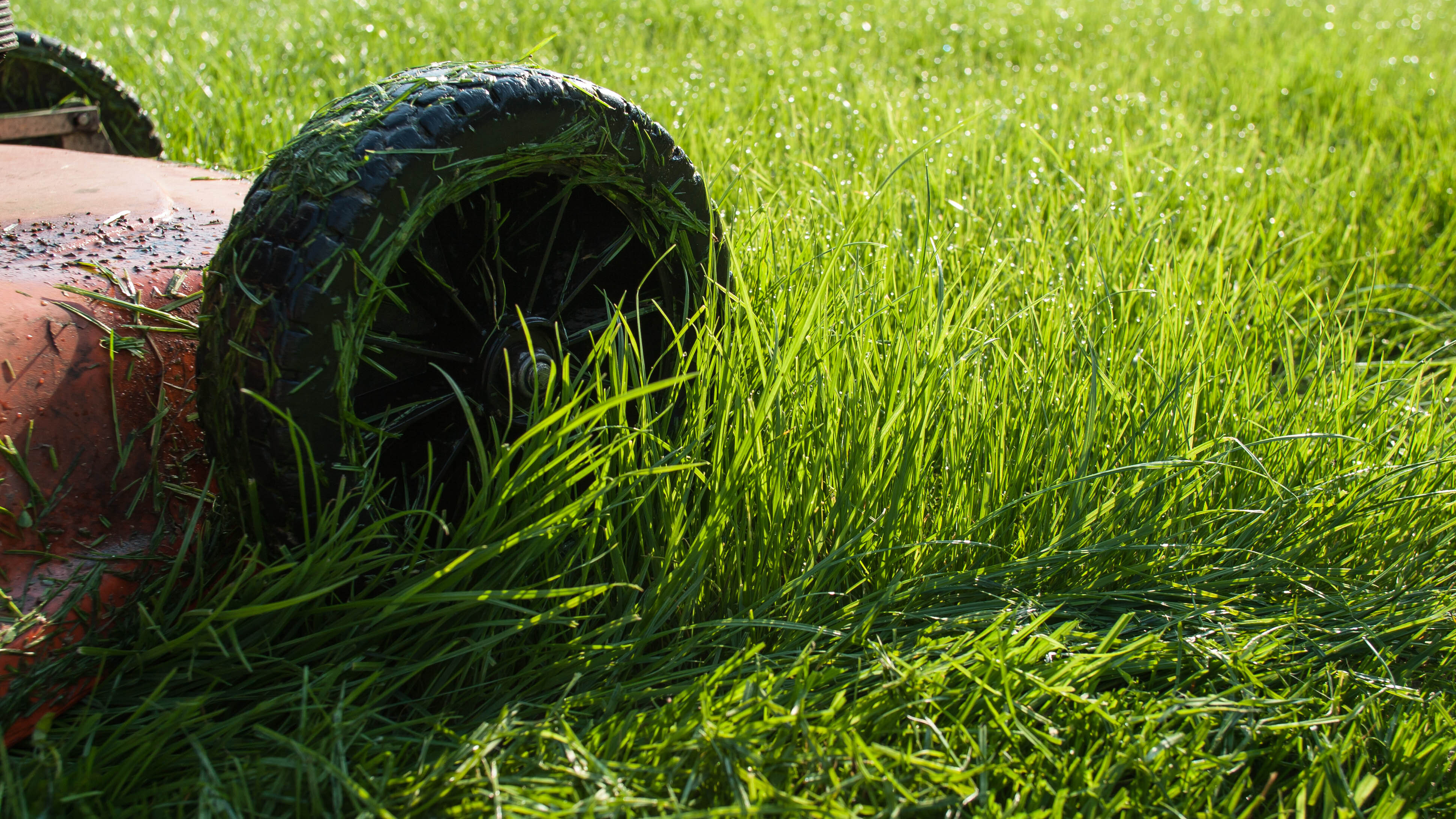
Homeowners should inspect their mower blades at least once every few weeks during the growing season. A sharp blade should look like the edge of a kitchen knife. If your blades appear rounded, chipped, or blunt, they are doing more harm than good. Using a metal file or a dedicated sharpening tool, you can maintain the edge yourself. However, for those uncomfortable with manual maintenance, many hardware stores offer professional sharpening services.
Remember, the goal is to have the blade slice through the grass like a razor. If you notice your lawn looks ragged immediately after mowing, check your blade sharpness before blaming your technique.
Conclusion: Patience Pays Off
The transition from a mediocre lawn to a neighborhood standout is rarely about purchasing the most expensive fertilizer or the most powerful mower. It is about discipline and understanding the biology of your turf. By waiting for the right conditions—ensuring the grass is dry, the timing is optimal, and the blades are sharp—you not only preserve the health of your lawn but also extend the lifespan of your equipment.
The next time you see the morning dew glistening on your grass, or you watch a summer rain shower pass through, resist the urge to head to the shed. A lush, vibrant lawn is worth the wait. Treat your grass with care, and it will reward you with a verdant, healthy landscape all season long.











