

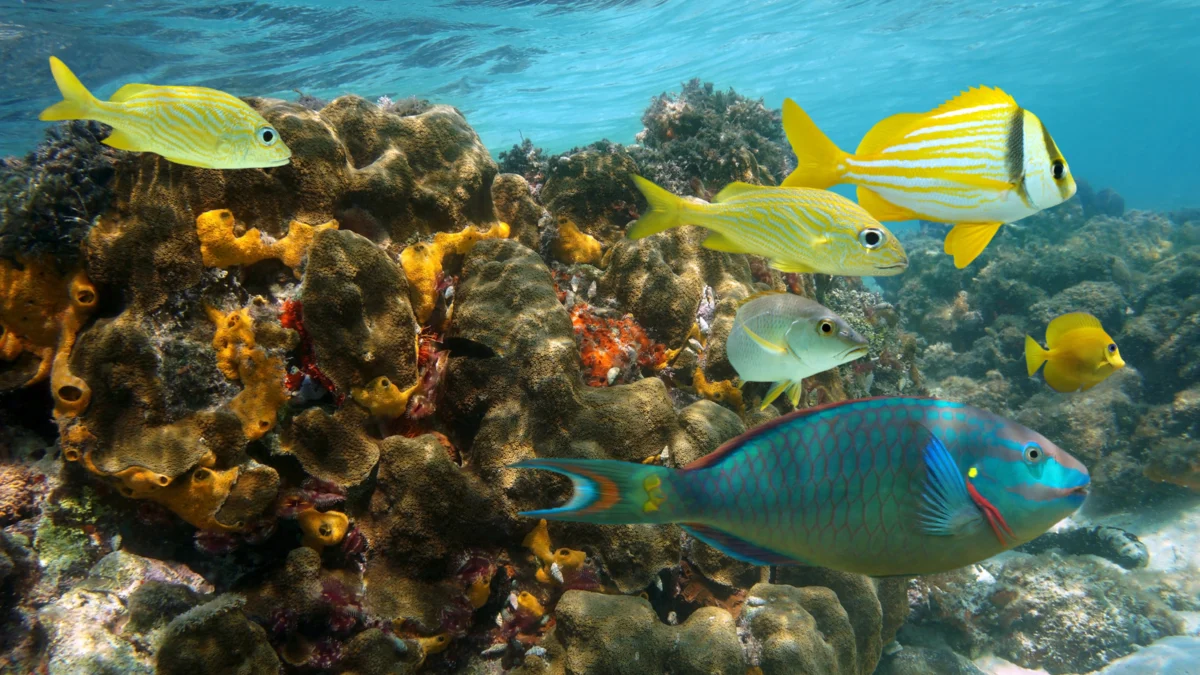
The vibrant, bustling underwater metropolises of Jamaica’s coral reefs have long been defined by a complex, rhythmic soundscape. For millennia, the crackle of snapping shrimp, the grunts of nocturnal fish, and the low-frequency vibrations of larger marine life have served as a siren song for larvae and juvenile fish seeking a safe harbor. However, the catastrophic marine heatwaves of 2023 silenced these reefs. As sea temperatures spiked, the symbiotic algae living within the coral tissue were expelled, leaving behind ghostly, white skeletons—and a deafening, unnatural silence.
In the wake of this ecological collapse, marine biologists are turning to a seemingly futuristic, if not unconventional, intervention: the deployment of underwater "boomboxes." By broadcasting high-fidelity recordings of healthy, thriving ecosystems into the desolate, bleached zones, scientists are attempting to use acoustic ecology to lure life back to the reef. This strategy, while experimental, represents a bold frontier in marine restoration, shifting the focus from mere physical replanting to the restoration of the biological "neighborhood" itself.
The Silence of the Reef: A Chronology of Collapse and Intervention
The degradation of Jamaica’s reefs is not a localized anomaly but a symptom of a global crisis.
- Pre-2023 Baseline: Jamaican reefs maintained a delicate balance, characterized by high biodiversity and a constant, diverse acoustic profile that signaled safety and abundance to passing marine life.
- The 2023 Heatwave: An unprecedented spike in ocean temperatures triggered a mass bleaching event. As corals died, the physical structure of the reef began to degrade, and the inhabitants—fish, crustaceans, and invertebrates—fled the area.
- The "Silent" Phase: Post-bleaching, researchers noted a dramatic drop in biological activity. The acoustic signature of a healthy reef—the "crackling" sound of snapping shrimp and the rhythmic clicks of fish—vanished, replaced by the eerie, empty hum of an underwater graveyard.
- Deployment of Acoustic Restoration: In response, conservationists began integrating artificial soundscapes into restoration sites. By placing waterproof loudspeakers on degraded substrates, the team initiated a process of "acoustic enrichment," aimed at tricking larval fish into believing the reef is a bustling, healthy environment.
The Science of Sound: How Acoustic Enrichment Works
The premise behind underwater boomboxes is rooted in the evolutionary biology of reef-dwelling organisms. Many coral reef species, including various fish and even the coral larvae themselves, utilize sound as a primary navigational tool.
Research published in the journal Nature has provided the foundational evidence for this methodology. By conducting field trials on the Great Barrier Reef, scientists demonstrated that degraded reefs equipped with loudspeakers playing healthy recordings attracted significantly higher numbers of juvenile fish compared to control sites. The acoustic signal acts as a vital sensory cue; in the vast, featureless blue of the open ocean, larvae are constantly searching for a "healthy" signal—an auditory indicator of habitat quality, predator presence, and resource abundance.
The Sensitivity of Coral Larvae
While fish are the primary targets for acoustic recruitment, the potential to influence coral larvae—the "seeds" of the reef—is equally compelling. Research from the Woods Hole Oceanographic Institution (WHOI) has highlighted that coral larvae are not entirely passive drifters.
In experiments conducted in the U.S. Virgin Islands, scientists discovered that golfball coral larvae exhibit a preference for settling in areas emitting the sounds of a healthy reef. Crucially, this sensitivity is highly specific to the larvae’s developmental window. The research suggests that there is a "narrow window" in the life cycle of these organisms where they are most responsive to sound. Once they move past this stage, they become less selective. This implies that for future restoration projects to be successful, timing is everything: scientists must broadcast these soundscapes at the precise moments when the next generation of coral is ready to attach to the substrate.
Bridging the Gap: Integrating Technology with Traditional Restoration
The use of underwater speakers is not a silver-bullet solution, nor is it meant to function in isolation. In Jamaica, the current restoration strategy is multi-faceted, combining acoustic cues with physical structural support.
The Role of Bio-Sculptures
At the Alligator Head Foundation, researcher Bethany Dean is leading efforts to grow coral fragments in laboratory settings. These lab-grown corals are then transplanted onto artificial structures. A particularly innovative aspect of the current Jamaican initiative is the collaboration with Italian artist Marco Barotti. Barotti’s sculptural work—designed to serve as artificial reef foundations—integrates seamlessly with the loudspeakers.
"Sound has always been at the core of my work," Barotti explains. By merging the aesthetic with the functional, the project creates an environment that is not only physically conducive to growth but also acoustically inviting. These sculptures provide the physical topography needed for coral to attach, while the speakers provide the "invitation" for the ecosystem to return.
The Limits of Intervention: Implications for Global Climate Strategy
While the deployment of boomboxes is a fascinating technological leap, scientists are quick to emphasize that it is merely a supportive measure.
The Sustainability Challenge
The core issue remains: the climate-driven degradation of our oceans. If the underlying cause of bleaching—rising ocean temperatures—is not mitigated through global decarbonization, the acoustic "lure" becomes a dangerous trap. Bringing fish back to a reef that is still subject to lethal thermal stress is, in the long term, a futile exercise unless the habitat itself can be stabilized.
Furthermore, we are still in the early stages of understanding the long-term ecological impact of artificial sound. Are we, in effect, creating a "mirage"? If we attract juvenile fish to a location that cannot ultimately support them due to lack of food or ongoing environmental degradation, we may inadvertently increase mortality rates.
A Parallel to Reforestation
Ecologists often draw comparisons between marine restoration and terrestrial reforestation. Recent satellite imaging of global forest cover has shown that nature often has an incredible capacity for self-repair if left undisturbed. Simple strategies—such as removing invasive species or providing basic protection—can lead to massive, natural regrowth.
Coral reefs, however, are far more fragile and slower to regenerate than many forest ecosystems. Because of this, the "active" approach—intervening with speakers, lab-grown corals, and protective sculptures—is considered a necessity rather than an elective. The Jamaican project serves as a test case for whether human intervention can successfully "jump-start" a system that has lost its internal momentum.
The Future of Reef Acoustics
As we look toward the next decade of ocean conservation, the role of acoustic ecology will likely expand. Future research needs to address several key questions:
- Species-Specific Audio: Can we create specialized soundscapes that target specific, high-value reef species that are essential for the ecosystem’s health, such as parrotfish (which clean algae off coral)?
- Long-Term Impact: Does acoustic recruitment lead to permanent population stability, or do the fish eventually realize the "audio" doesn’t match the environment?
- Scalability: Can this technology be deployed at a scale large enough to make a dent in the massive loss of reef cover globally, or will it remain a boutique, small-scale intervention?
Conclusion
The use of underwater boomboxes in Jamaica is a testament to human ingenuity in the face of ecological despair. It is a humble, yet profound, attempt to sing the reef back to life. By recognizing that a reef is not just a pile of calcium carbonate but a complex, auditory community, scientists are finding new ways to heal the damage caused by climate change.
While these speakers cannot replace the fundamental need for a cooler, cleaner ocean, they provide a vital tool in the conservationist’s kit. They represent a bridge—a way to sustain the hope for recovery while global society works to address the root causes of climate change. As the speakers continue to hum beneath the Caribbean waves, they serve as a reminder that even when the world seems quiet, we have the capacity to listen, to learn, and to amplify the voices of the natural world once again.











