

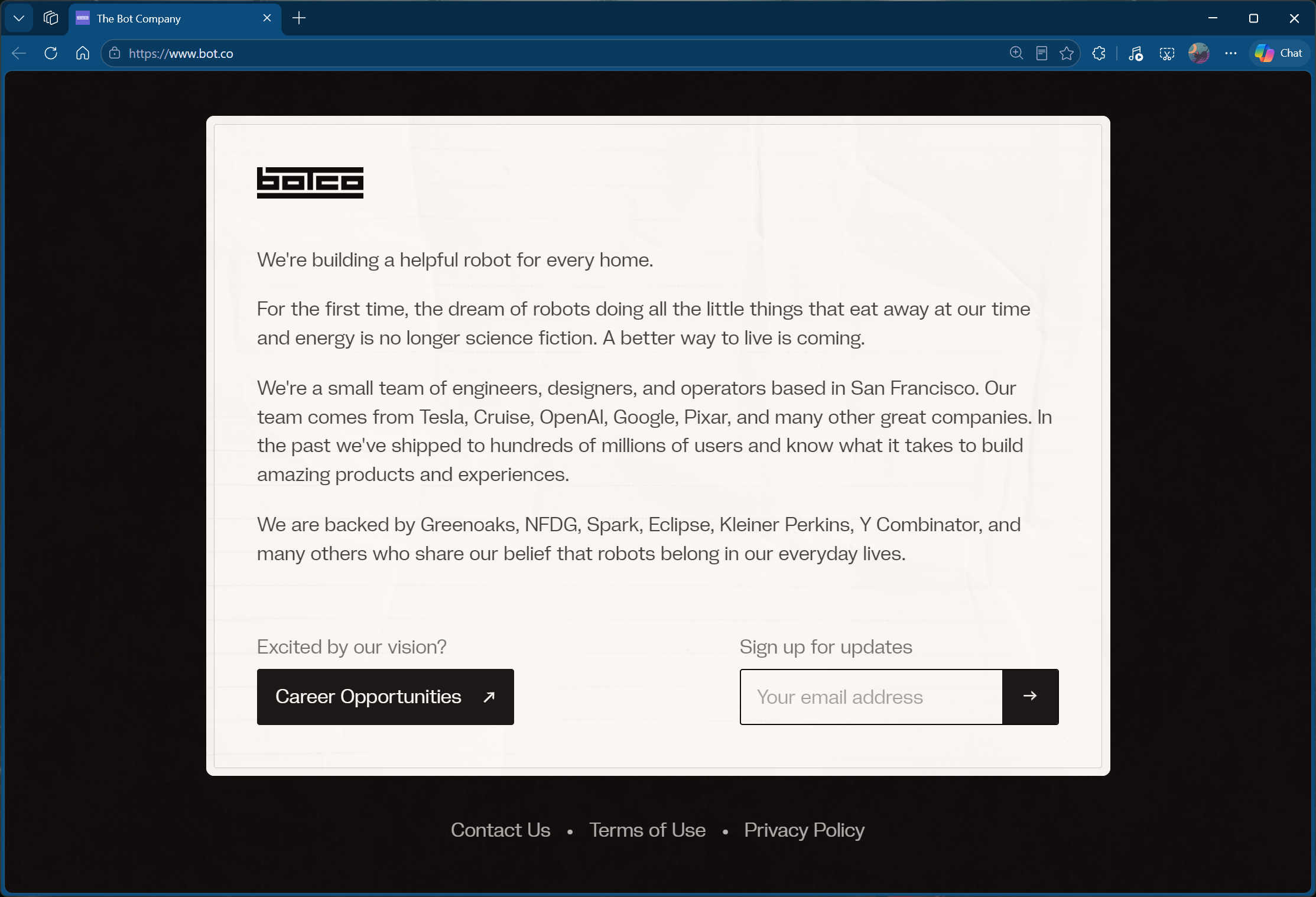
In the high-stakes world of artificial intelligence and robotics, the race to build the next generation of home-service machines is accelerating. However, a startling controversy has emerged from San Francisco, where a $2 billion unicorn startup, "The Bot Company," stands accused of bypassing traditional safety protocols and transparency by allegedly conducting secret, unauthorized robotics testing inside private residential homes booked through Airbnb.
The allegations, which have sent shockwaves through the property management and tech communities, suggest that the company—led by former Cruise CEO Kyle Vogt—has been systematically utilizing short-term rentals as makeshift, unregulated laboratories. For the hosts of these properties, the discovery of their homes being used as "ghost labs" has resulted in significant property damage, financial loss, and a profound sense of violation.
The Discovery: A Pattern of Destruction
The controversy came to light following a lawsuit filed by Sean Donovan, a San Francisco-based Airbnb host. In April 2026, Donovan accepted a booking for an 11-night stay for a group of eight individuals. What began as a standard reservation quickly spiraled into a nightmare.
During the stay, Donovan—who resided near the property—observed suspicious activity. While attending to trash removal, he discovered a tangled mess of industrial-grade black wiring inside the unit. Even more alarming was the sight of an individual sitting in the living room, accompanied by a machine that appeared to be a humanoid or specialized robotic prototype. Ring security camera footage corroborated his concerns, capturing individuals repeatedly hauling large, heavy-duty black equipment cases in and out of the house.
Upon the guests’ departure, the state of the property was described as "trashed." The damage was extensive: furniture was heavily stained, the dishwasher was rendered inoperable, bathroom tiles were cracked, and an entire shoe rack had been removed. Crockery was scattered throughout the house rather than stored in the kitchen cabinets.
"If they had come straight up, ‘Hey, we would like to rent your house for testing of our robot,’ then we could have come to an agreement," Donovan told the San Francisco Standard. "But it’s the lying and the misrepresentation that makes me feel violated."
Chronology of a Corporate Scandal
The events surrounding The Bot Company’s testing methods appear to follow a calculated, albeit deceptive, trajectory.
- Early 2024: Kyle Vogt, after his departure from the autonomous vehicle firm Cruise, co-founds The Bot Company. The startup rapidly gains momentum, securing $150 million in seed funding and reaching a staggering $2 billion valuation.
- Spring 2026: The company begins its intensive testing phase. Eschewing the expense and regulatory oversight of building dedicated laboratory environments, it allegedly turns to the peer-to-peer rental market.
- April 2026: Sean Donovan’s property is booked. He later discovers through online research and connections with other hosts that his experience is not an anomaly.
- May 2026: A wave of reports surfaces from at least 12 other hosts who have hosted the same group of "guests." These hosts share similar stories of property damage, ranging from cracked appliances and wall streaks to broken glass.
- Late May 2026: Donovan files a lawsuit seeking $12,383.50 in damages and lost income. As of the time of reporting, The Bot Company has maintained a wall of silence, failing to provide official comment.
The "Coffee Table on Wheels": Technical Capabilities
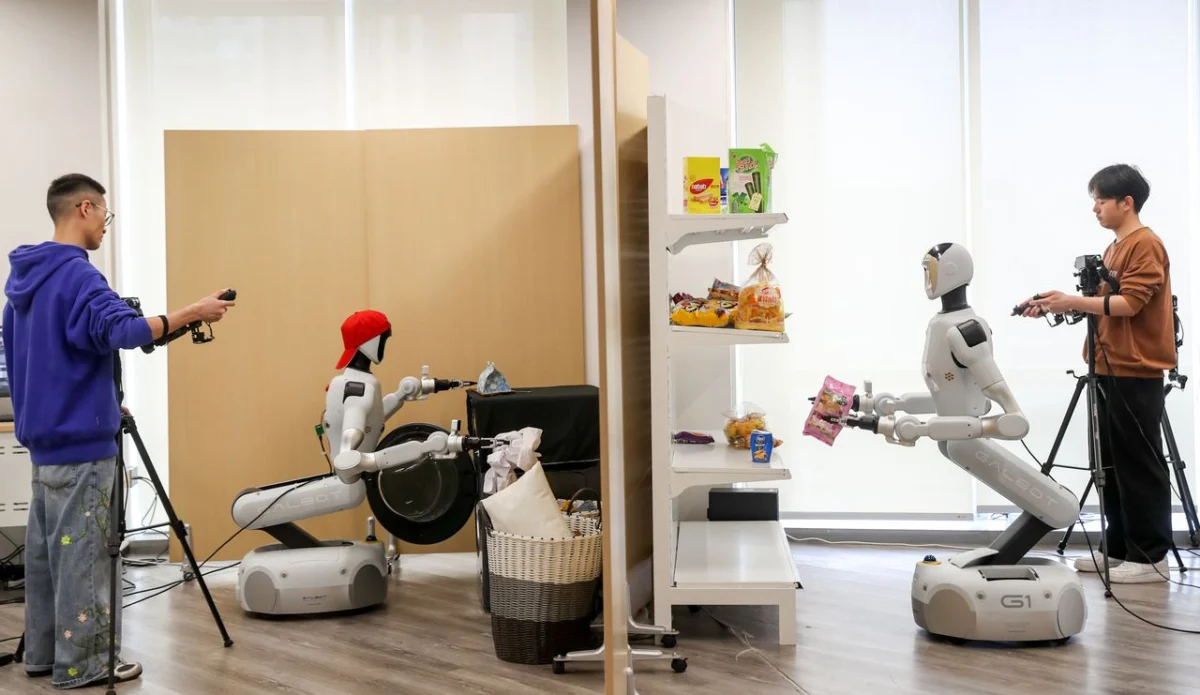
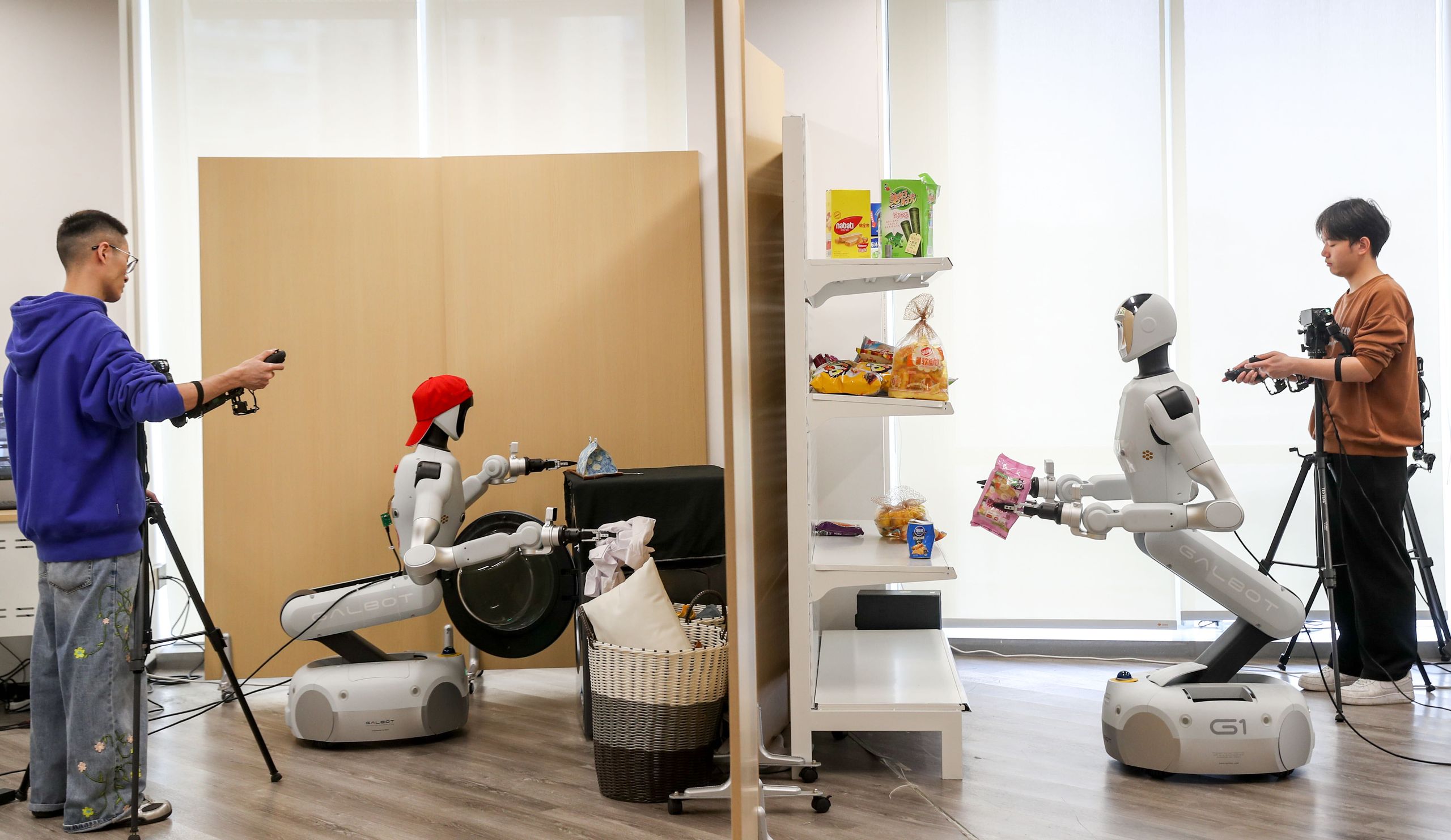
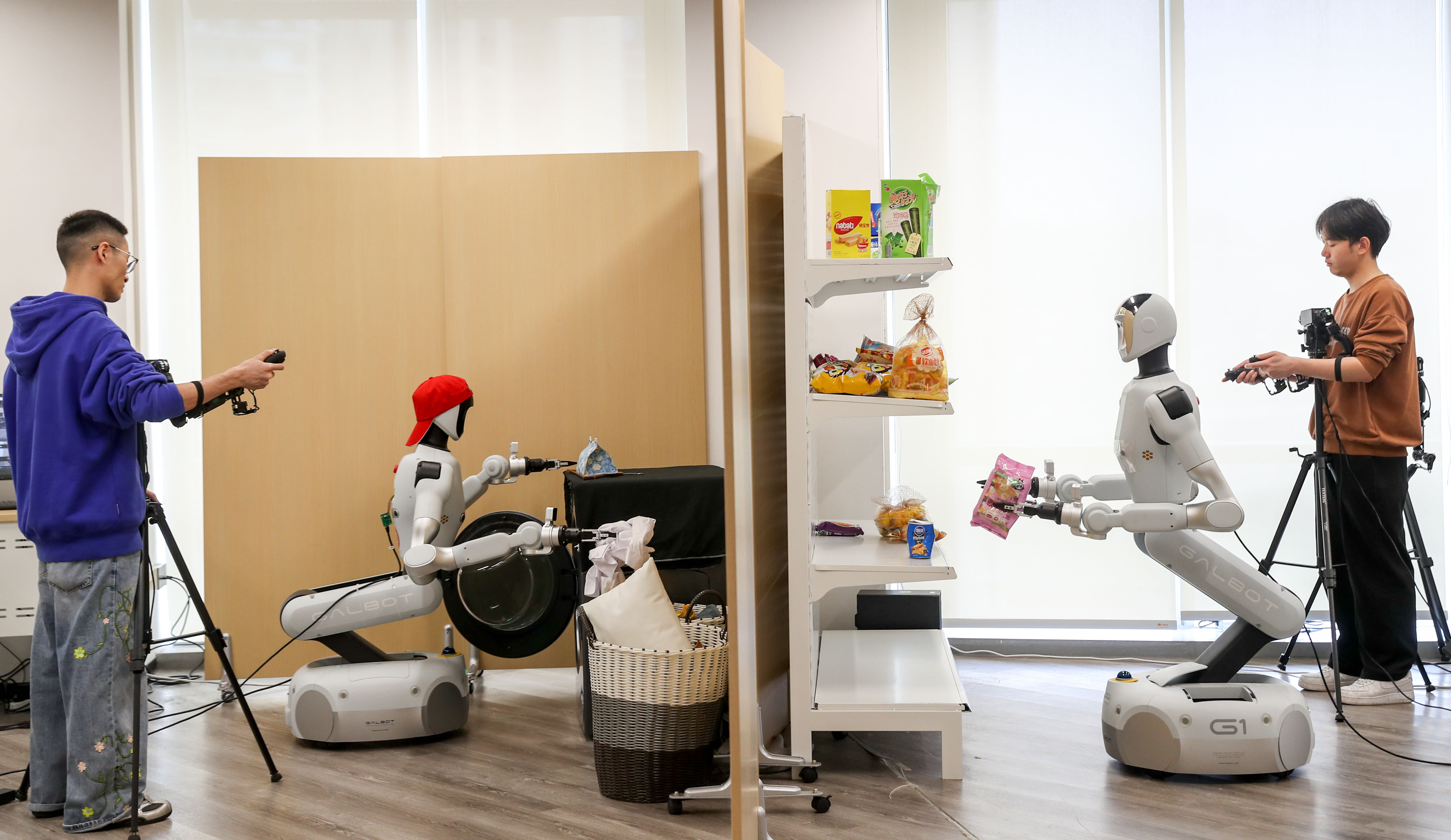
While The Bot Company operates under a veil of secrecy, industry analysts at Sacra have pieced together the nature of the firm’s development. The prototype, captured in grainy footage from Donovan’s security cameras, is described as resembling a "coffee table on wheels."
Equipped with an articulated arm and dual grippers, the robot is designed for autonomous household manipulation—picking up, moving, and organizing objects. The goal, ostensibly, is to create a machine capable of performing domestic chores. However, the reality of the testing process suggests the hardware is far from "home-ready." The destruction left in the wake of these tests—chipped paint, damaged fixtures, and structural wear—indicates a robot that is still in the "brute force" stage of learning, characterized by trial-and-error movements that a residential home is ill-equipped to withstand.
The "Sorry" Note and the Failure of Recourse
Perhaps the most chilling aspect of the saga is the casual nature of the damage. In one instance, at a historic late-Victorian home, the hosts discovered a whiteboard left by the departing "guests." The message, written in simple, apologetic text, read: "Sorry 🙁 Did my best!"
For the host of that property, the apology offered little comfort. Like Donovan, this host had initially believed the equipment cases were for film production. When they sought reimbursement for the damages—broken fridge, black streaks on the walls, and shattered glass—their claims were rejected by Airbnb’s resolution team. This highlights a critical gap in the gig economy’s insurance and protection policies: current systems are designed to cover standard wear and tear or party-related damage, not the industrial-grade wear caused by experimental robotics testing.
Implications: Fraud, Ethics, and Law
The actions taken by The Bot Company raise severe legal and ethical questions that go beyond simple property damage.
1. Fraudulent Inducement and Civil Fraud
By booking properties under the pretense of residential use while conducting commercial engineering experiments, the company has potentially committed fraudulent inducement. Hosts were effectively misled into signing a contract that did not reflect the actual usage of their property.
2. Zoning and Safety Regulations
Residential properties are zoned for living, not for heavy industrial or mechanical testing. By operating a, effectively, "24/7 robot lab" in a residential neighborhood, the company may be in violation of local zoning ordinances. Furthermore, there are significant safety concerns regarding the operation of autonomous machines around human occupants without the proper safety certifications or insurance disclosures required for lab environments.
3. Corporate Responsibility and Leadership
The involvement of Kyle Vogt brings his past at Cruise into sharp focus. Vogt resigned as CEO of Cruise in 2023 following an autonomous vehicle accident that led to the suspension of the company’s testing license in California. The current allegations suggest that the "move fast and break things" philosophy—often criticized in the tech sector—has evolved from breaking traffic rules to breaking the private sanctity of the home.
Conclusion: A New Frontier for Regulation
The Bot Company’s alleged conduct represents a new and concerning frontier in the intersection of AI development and the sharing economy. As startups continue to seek rapid, real-world data to train their models, the temptation to use public and private spaces as unregulated testing grounds will likely grow.
The lawsuit filed by Sean Donovan is more than a request for $12,383.50; it is a test case for whether the law can protect individuals from the collateral damage of corporate innovation. If companies are allowed to treat private property as an extension of their R&D departments without the consent of the owners, it could lead to a permanent erosion of trust in the rental economy. For now, the tech world watches closely, waiting to see if The Bot Company will emerge from its silence to address the wreckage it has left behind.










No comments yet. Be the first to join the conversation!