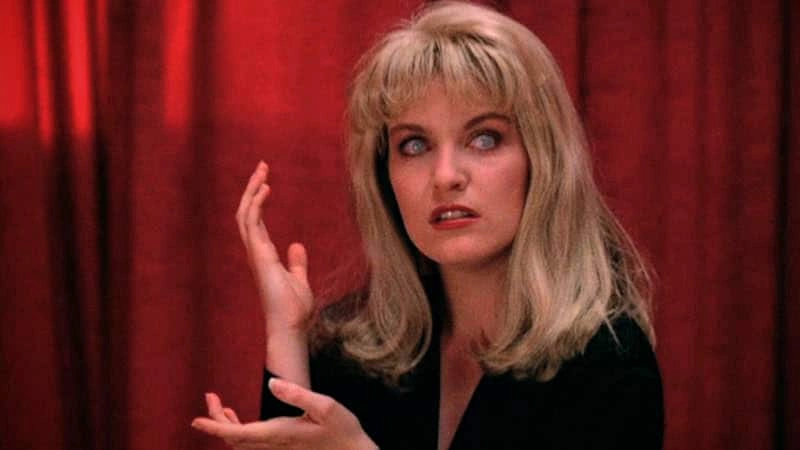
The music of Twin Peaks does not merely serve as a backdrop to the unfolding mysteries of a logging town; it is a sentient, pulsating entity that defines the show’s reality. To those who have never ventured into the woods of Washington, the promise is simple: the music will haunt your days and nights. Twin Peaks is a complex tapestry of supernatural horror, soap-operatic melodrama, slapstick comedy, and surrealist police procedural. That these disparate genres coalesce into a singular, coherent vision is due, in no small part, to the revolutionary sound design and score composed by Angelo Badalamenti, in collaboration with creator David Lynch.

The Foundations of the Lynchian Soundscape
The genesis of the Twin Peaks sound is rooted in the collaboration between David Lynch, composer Angelo Badalamenti, and vocalist Julee Cruise. Their partnership, which began with the 1986 film Blue Velvet, established a signature "dream pop" aesthetic that would later define the sonic world of the Palmer murder investigation.

As Lynch noted in a 2017 interview with The New York Times, "Cinema is sound and picture, flowing together in time… To me, the director is supposed to guide what people see and what people hear from beginning to end, to fulfill the ideas." This philosophy treats the soundtrack not as an accompaniment, but as an essential narrative engine. The music shifts with the tonal fluidity of the show—moving from jazz-inflected nostalgia to synthesized dread. The iconic "Laura Palmer’s Theme" exemplifies this, modulating between crushing gloom and a sweeping, melancholic melodrama that tracks the character’s tragic trajectory.

Chronology of a Musical Revolution
- 1990–1991: Twin Peaks premieres on ABC. The original score becomes a cultural phenomenon, praised for its blend of 1950s teen pop, ambient jazz, and modernist dissonance. It is widely credited with ushering in the era of "auteur television."
- 2017: After a 26-year hiatus, Twin Peaks: The Return debuts on Showtime. The musical landscape shifts significantly. The "finger-popping jazz quirk" of the original run is largely replaced by atmospheric soundscapes, industrial noise, and a wider variety of experimental artists, reflecting the darker, more cryptic nature of the third season.
- Post-2017: Despite nine Emmy nominations for The Return, the series remains a singular, untamable force in media history, leaving audiences and critics to continually dissect its intricate sound design.
Supporting Data: Why the Music Works
The efficacy of the Twin Peaks score lies in its deliberate manipulation of the viewer’s psychological state. Musicologist Brooke McCorkle has observed that the "blurring between the real and the fantastic" is a central Lynchian aesthetic. By utilizing both diegetic sound (music the characters hear, such as the jukebox in the Double R Diner) and non-diegetic sound (the score), the show breaks the fourth wall of reality.

Consider the "12/8 meter" trope used in the scene between James Hurley and Evelyn Marsh. While the rhythm suggests 1950s pop, the inclusion of an out-of-place saxophone and pipe organ creates a jarring, surreal effect. This is not an accident; it is a calculated disjunction that reminds the viewer that the town of Twin Peaks operates under its own, often irrational, logic.

Furthermore, the integration of classical works, such as Krzysztof Penderecki’s Threnody for the Victims of Hiroshima during the "Birth of BOB" sequence in Episode 8, provides a stark, harrowing contrast to the visual imagery. By pairing the atomic bomb test at White Sands with such a dissonant, emotionally piercing composition, Lynch elevates a simple origin story into a metaphysical examination of the nature of evil.

Iconic Musical Sequences: A Critical Analysis
The Return of the F.B.I.
In Episode 16 of The Return, the long-awaited return of Agent Dale Cooper is punctuated by the original theme song, "Falling." The use of the opening credit music at this specific juncture serves as a profound moment of "fan service" that feels earned, not cheap. As Cooper declares, "I am the F.B.I.," the score swells with a warmth and hopefulness that provides a necessary emotional release after the long, grueling arc of the Dougie Jones persona.

The "Get Happy" Dinner Scene
This sequence is a masterclass in tension. As Leland Palmer sings Harold Arlen’s "Get Happy," the jovial, upbeat lyrics contrast sharply with the unnerving atmosphere of the scene—the shaky camera, the dark lighting, and the conflicting musical harmonies. It is a moment of "absurd, uncanny humor" that forces the audience to question whether they are witnessing a breakthrough or a breakdown.

The Birth of BOB (Episode 8)
Perhaps the most experimental moment in television history, this sequence eschews traditional dialogue for ambient sound and classical dissonance. The static-heavy sound design, coupled with the screeching violins of Penderecki, transforms the screen into a canvas of abstract horror. Lynch here treats the viewer not as a consumer of entertainment, but as a witness to a metaphysical event.

Cooper’s Dream and the Smirk
The dream sequence is the moment Twin Peaks transitioned from a standard procedural to a surrealist nightmare. The musical punning at the end of the scene—where Cooper, in his pajamas, snaps his fingers to the jazz beat—is a subtle indicator of his shifting consciousness. When he finally aligns his snaps with the beat of the music, it serves as a non-verbal cue that Cooper is beginning to unravel the mystery of Laura Palmer.

"It is Happening Again"
The end of Season 2, Episode 7 remains the most haunting sequence in the show’s history. The low synthesizer drone that connects the Palmer household to the Roadhouse creates a sonic tether between two disparate locations. The transition from the drone to Julee Cruise’s "Rockin’ Back Inside My Heart" and then to "The World Spins" is a delicate, foreboding shift that perfectly mirrors the internal horror of the characters.

Audrey’s Dance
Audrey Horne’s dance in the Double R Diner is the ultimate template for the Twin Peaks aesthetic. By isolating the music from the background noise of the diner, Lynch forces the viewer to exist in Audrey’s headspace. The lack of reaction from other characters to her music choice highlights the show’s obsession with the boundary between what is "real" and what is a projection of the character’s psyche.

Official Responses and Industry Implications
The music of Twin Peaks has garnered universal acclaim, fundamentally changing how television producers approach sound design. Dean Hurley, David Lynch’s long-time sound supervisor, noted that for The Return, the script explicitly dictated a move away from the lighthearted jazz of the 1990s. This shift highlights a crucial aspect of the show’s legacy: its refusal to stagnate.

While the industry often demands continuity, Lynch and his team demonstrated that true creative freedom—especially in the realm of audio—requires an evolution of tone. The lack of Emmy wins for The Return is often cited by critics as an example of how the television industry frequently fails to recognize avant-garde achievements that operate outside of traditional narrative structures.

Implications for Future Storytelling
The legacy of the Twin Peaks sound is evident in the rise of modern "auteur television." Shows like Mr. Robot, Atlanta, and Legion have adopted the Twin Peaks methodology, using sound as a primary narrative tool to depict fractured realities and psychological instability. By treating sound design as a character rather than an effect, the makers of Twin Peaks proved that audiences are more than willing to engage with complex, abstract, and challenging auditory experiences.

In conclusion, the music of Twin Peaks is an indelible part of the show’s identity. It is the wind in the trees, the hum of the electricity, and the heartbeat of the Black Lodge. As we continue to wait for rumors of a potential Season 4, one thing remains certain: the haunting, beautiful, and deeply strange sounds of Twin Peaks will continue to echo in the halls of television history for decades to come.