Iffa Jayyana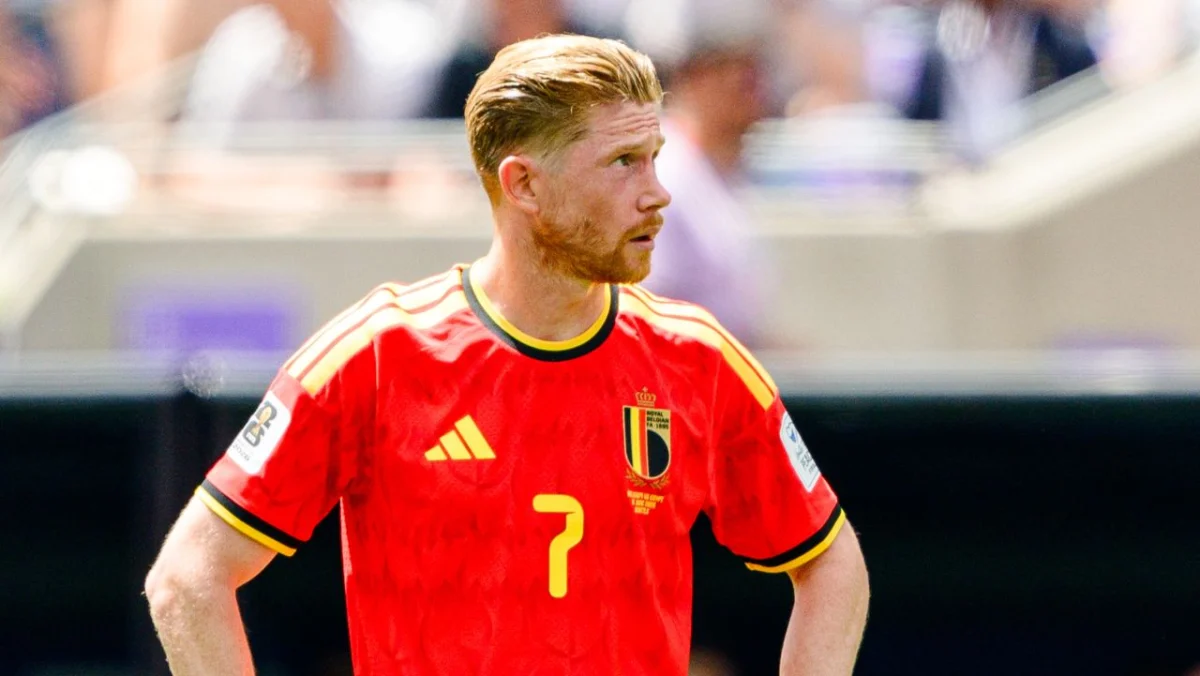
The 2026 FIFA World Cup is officially in full swing, and as the tournament finds its rhythm in North America, the pressure is mounting for two of its most intriguing sides. Belgium and Iran, both coming off disappointing stalemates in their opening fixtures, are set to collide at the iconic SoFi Stadium in Inglewood, California. This Group G clash is more than just a routine group-stage match; it is a definitive moment that could dictate the trajectory of both nations’ campaigns. For the "Red Devils," it is a test of resilience in a post-Golden Generation era; for Iran, it is a golden opportunity to cement their status as a global disruptor.
The State of Play: A Crucial Turning Point
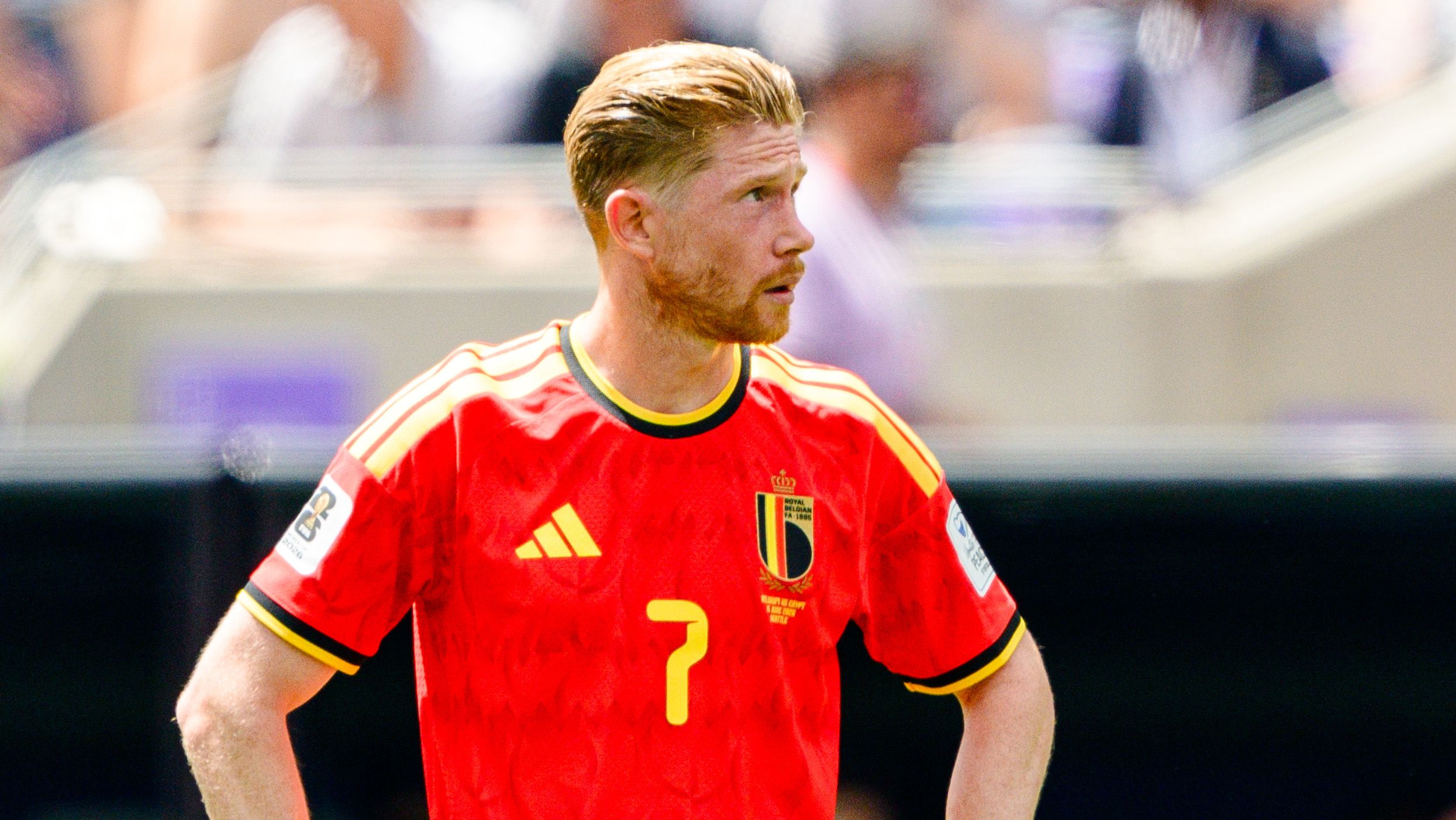
The arithmetic of the group stage is unforgiving. With only three matches to secure a path to the knockout rounds, the opening draw is often treated as a warning shot. Belgium, once the world’s number-one-ranked team, found themselves stifled in a frustrating draw against Egypt, highlighting a lack of clinical precision that has plagued them in recent major tournaments. Kevin De Bruyne, the heartbeat of the Belgian midfield, remains the focal point of the team’s creative ambitions. However, the reliance on a veteran core has raised questions about the squad’s depth and their ability to transition into a new, leaner iteration of their former selves.
Conversely, Iran enters the fixture buoyed by a resilient 2-2 performance against New Zealand. Their ability to score twice and show tactical flexibility suggests a team that has evolved significantly under the current management. A victory for either side on Sunday, June 21, would put them in the driver’s seat for qualification, leaving the defeated party to endure a high-stakes, "must-win" scenario in their final group match next week.
Chronology and Context: The Road to Inglewood
The match is scheduled to take place at the state-of-the-art SoFi Stadium, a multi-billion dollar engineering marvel that stands as the crown jewel of the 2026 host venues. Originally built as the home for the NFL’s Los Angeles Rams and Chargers, the stadium’s capacity—expandable to 100,000 for elite sporting events—will provide an electric backdrop for this international affair.
The tournament’s structure has placed these two teams on a collision course at the perfect time. Belgium’s tactical struggles in their opener have been analyzed extensively by the global media, with critics pointing to a disconnect between the midfield transition and the final third. Iran, known for their defensive discipline and dangerous counter-attacking style, will undoubtedly look to exploit this friction. The match is slated for an 8:00 p.m. BST kick-off (local time adjustments apply), and the world will be watching to see if Belgium’s technical superiority can break through Iran’s disciplined defensive block.
Supporting Data: Tactical Nuances and Player Form
When examining the statistical profile of both teams, the narrative becomes clear. Belgium’s possession-heavy approach under their current tactical setup has yielded high ball-retention rates, but their "Expected Goals" (xG) metrics from the Egypt game were remarkably low for a team of their pedigree. De Bruyne continues to lead the charts in key passes created, but the conversion rate of the forwards remains a point of contention for head coach Domenico Tedesco.

Iran’s performance against New Zealand was characterized by a lower percentage of possession but high efficiency in transition. They demonstrated a propensity to capitalize on set-piece situations, an area where Belgium has historically shown vulnerability. The battle between the Belgian defensive line and the Iranian target men will likely be the decisive factor. Should Belgium fail to secure an early goal, the frustration could mount, potentially opening the door for an Iranian upset that would send shockwaves through the tournament brackets.
Official Responses and Managerial Outlook
In the lead-up to the match, the tone from both camps has been one of focused intensity. Belgium’s leadership has acknowledged the need for "greater urgency" in the final third. During his pre-match press conference, the Belgian manager emphasized that the "Golden Generation" label is a thing of the past and that the current squad must earn their reputation through grit and tactical discipline rather than reliance on past glory.
The Iranian camp has been notably optimistic. The coaching staff has lauded the squad’s physical conditioning and their ability to adapt to the high-tempo nature of the North American pitch conditions. There is a palpable sense of belief within the Iranian locker room that they can replicate their 2-2 draw performance, or better, against a European powerhouse that is currently searching for its identity.

Implications: The Road to the Knockouts
The implications of this result extend far beyond the three points on offer. For Belgium, a failure to win would be a catastrophic blow to their morale and would invite intense scrutiny from the Belgian media regarding the long-term viability of their current roster. A draw might suffice, but it would leave them vulnerable to tie-breaker scenarios that have historically worked against them.
For Iran, the match represents a chance for history. A win over a top-tier European side would be one of the most significant results in their footballing history, likely sparking national celebrations and cementing their place in the Round of 16. Even a draw would place them in a strong position, as they would head into their final match with their destiny entirely in their own hands.
How to Watch: A Global Streaming Guide
As global interest in the 2026 World Cup reaches a fever pitch, access to live coverage is paramount. Fans in the U.K. can catch the action on ITV, with pre-match build-up starting at 7:00 p.m. BST. In the United States, the match is being broadcast on FS1, with digital access available via YouTube TV, Hulu+Live TV, Sling, Fubo, and DirecTV. For those seeking a direct streaming option, Fox’s dedicated service, "Fox One," offers comprehensive access to the tournament’s matches.

Canadian supporters can tune in via TSN and CTV, with subscription packages like TSN+ offering full coverage for a monthly fee. In Australia, the free-to-air broadcaster SBS will carry the match, with live streaming available through their "SBS On Demand" platform.
Traveling Abroad?
For fans traveling internationally, local broadcasting rights often create "geo-blocks" that prevent access to home-country streams. To circumvent these restrictions, many viewers utilize VPN services. A VPN, such as Norton VPN, allows users to route their internet connection through a server in their home country, effectively "tricking" the streaming platform into granting access. This ensures that regardless of whether you are in a hotel room in Asia or an airport in Europe, you can enjoy the same commentary and studio analysis you would have at home.
Disclaimer: We test and review VPN services in the context of legal, recreational uses, such as accessing home services while traveling or enhancing online privacy. We do not support or condone the use of VPNs for illegal activities, including the circumvention of copyright laws.

Conclusion: A Defining 90 Minutes
As the sun sets over the SoFi Stadium, the eyes of the footballing world will be fixed on the pitch. Whether Belgium proves their doubters wrong by finding their scoring boots or Iran delivers a tactical masterclass to pull off a monumental upset, the outcome will fundamentally shift the landscape of Group G. One thing is certain: in the high-stakes environment of the 2026 World Cup, there is no room for complacency. For these two teams, Sunday represents the most important 90 minutes of their professional careers.

 Siti Muinah
 Layla Zulfa