Nana Muazin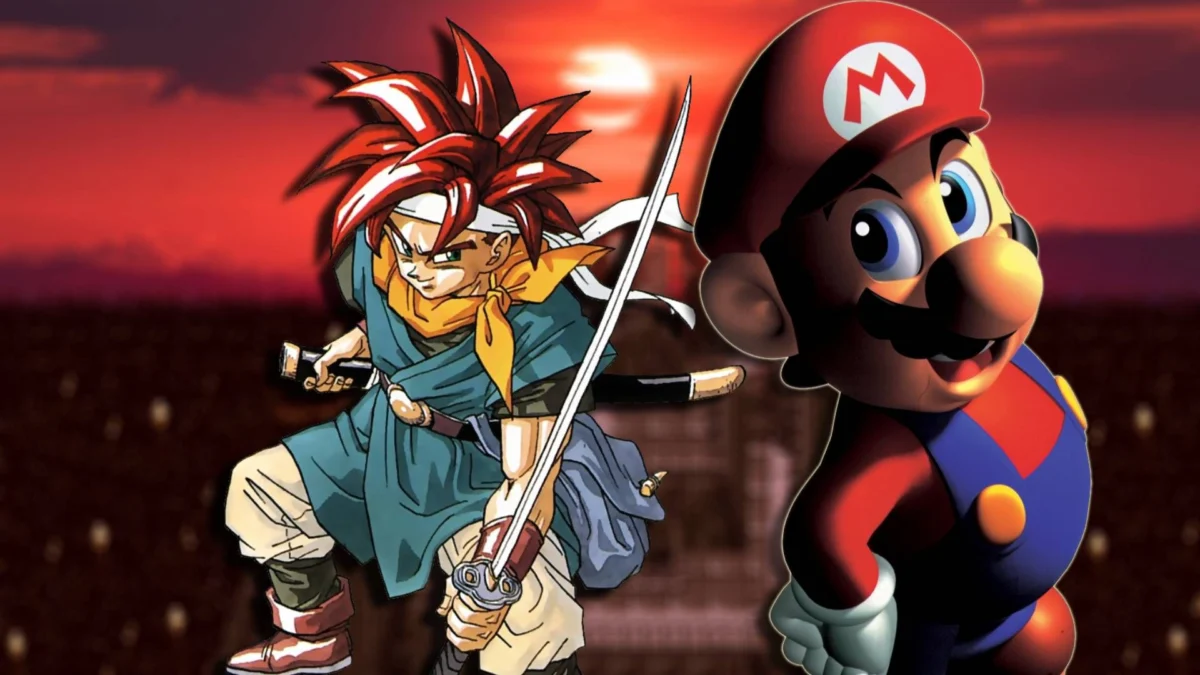
The Super Nintendo Entertainment System (SNES) remains a titan in the annals of video game history, particularly revered for its groundbreaking contributions to the Japanese Role-Playing Game (JRPG) genre. While the console’s impact was felt globally, its 16-bit era saw an unprecedented surge in critically acclaimed and commercially successful JRPGs that captivated players for countless hours. This article delves into the heart of what made these games so compelling, exploring ten of the most addictive JRPGs that defined the SNES experience and continue to hold a special place in the hearts of gamers.
The Golden Age of 16-Bit JRPGs: A Cultural Phenomenon
The 1990s marked a pivotal moment for JRPGs. As technology advanced, so did the complexity and depth of storytelling, character development, and gameplay mechanics. The SNES, with its superior graphics and sound capabilities compared to its predecessors, provided the perfect canvas for developers to create immersive worlds and unforgettable narratives. While the JRPG genre had garnered a dedicated following in Japan for years, the SNES era witnessed a significant expansion of its appeal in Western markets. Games released during this period weren’t just niche titles; many achieved mainstream success, demonstrating the genre’s growing cultural impact.
This article focuses on the games that truly hooked players, the ones that demanded late-night sessions and sacrificed precious sleep. It’s not about the best-selling titles, but rather the ones that offered an experience so engaging, so utterly consuming, that players found themselves unable to put down their controllers. From intricate storytelling to innovative gameplay, these JRPGs masterfully blended elements that created a truly addictive loop, cementing the SNES’s legacy as a haven for role-playing enthusiasts.
A Journey Through Time: Chronological Highlights of SNES JRPGs
The SNES JRPG landscape was rich and diverse, with titles emerging throughout the console’s lifespan, each building upon and innovating the genre. Understanding the chronology of these releases helps appreciate the evolution of JRPG design and the increasing sophistication of the titles.

The early years of the SNES saw the release of foundational titles that laid the groundwork for future successes. Games like ActRaiser (1991) offered a unique hybrid experience, blending action-adventure with city-building elements, proving that JRPGs could explore unconventional gameplay loops. This innovation set a precedent for later titles to experiment beyond traditional turn-based combat.
As the console’s life cycle progressed, JRPGs grew in narrative complexity and visual fidelity. Final Fantasy VI (1994) is often cited as a masterpiece of the era, boasting a sprawling narrative, a massive cast of memorable characters, and a truly epic scope. Its ability to allow players to revisit and experiment with different party compositions and strategies contributed significantly to its replayability and addictive nature.
Mid-cycle releases like EarthBound (1995) dared to be different, offering a quirky, modern-day setting that stood in stark contrast to the typical fantasy fare. Its unique humor, unconventional themes, and accessible gameplay made it a cult classic that continues to be celebrated for its originality.
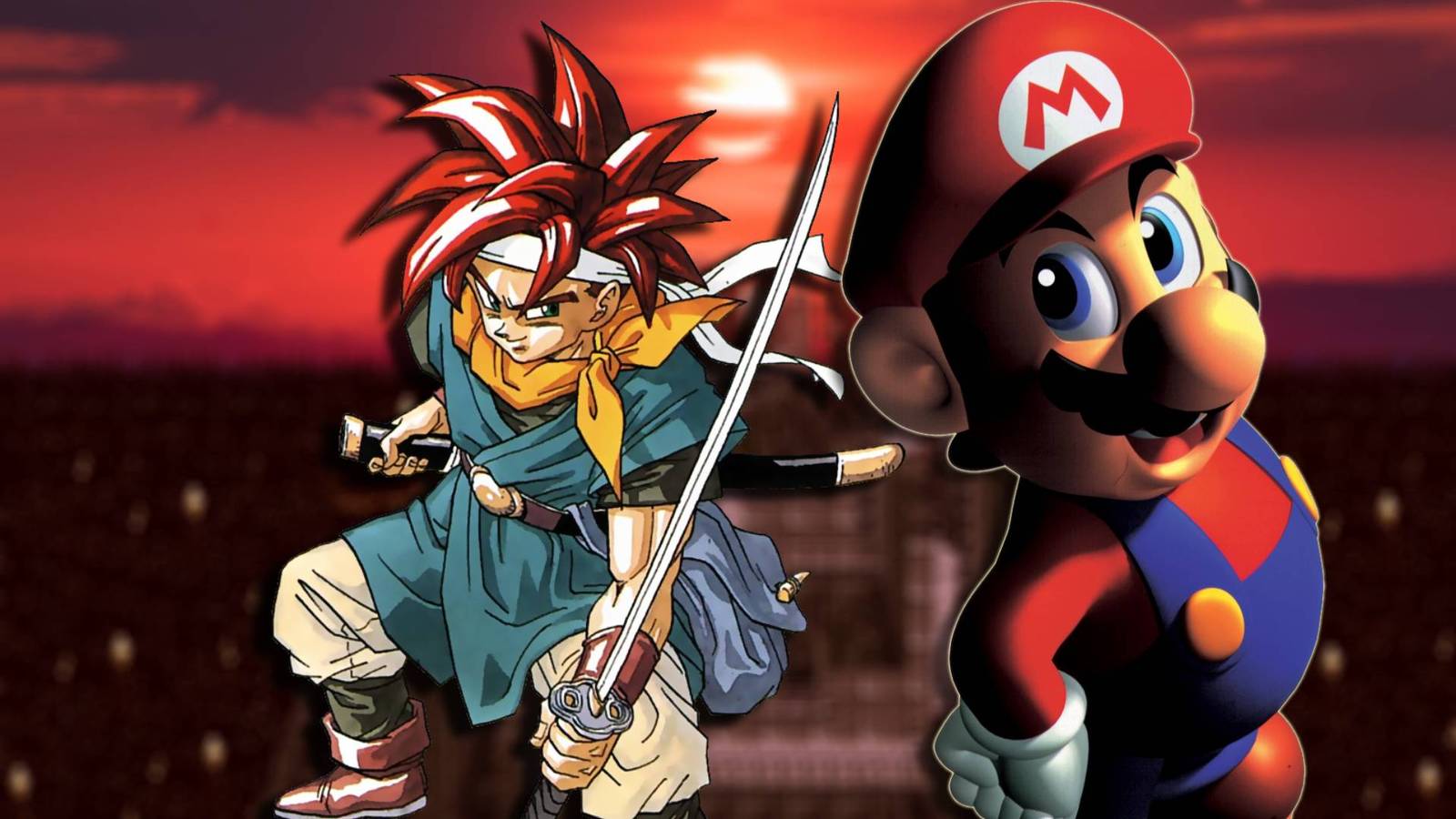
The later years of the SNES saw the release of titles that pushed the boundaries even further. Chrono Trigger (1995), developed by a "dream team" of industry legends, is widely regarded as one of the greatest JRPGs ever made, not just for its compelling story and innovative combat but also for its sheer respect for the player’s time, a key factor in its addictiveness. Similarly, Super Mario RPG: Legend of the Seven Stars (1996) successfully merged the beloved Mario universe with JRPG mechanics, introducing innovative gameplay elements that influenced the genre for years to come.
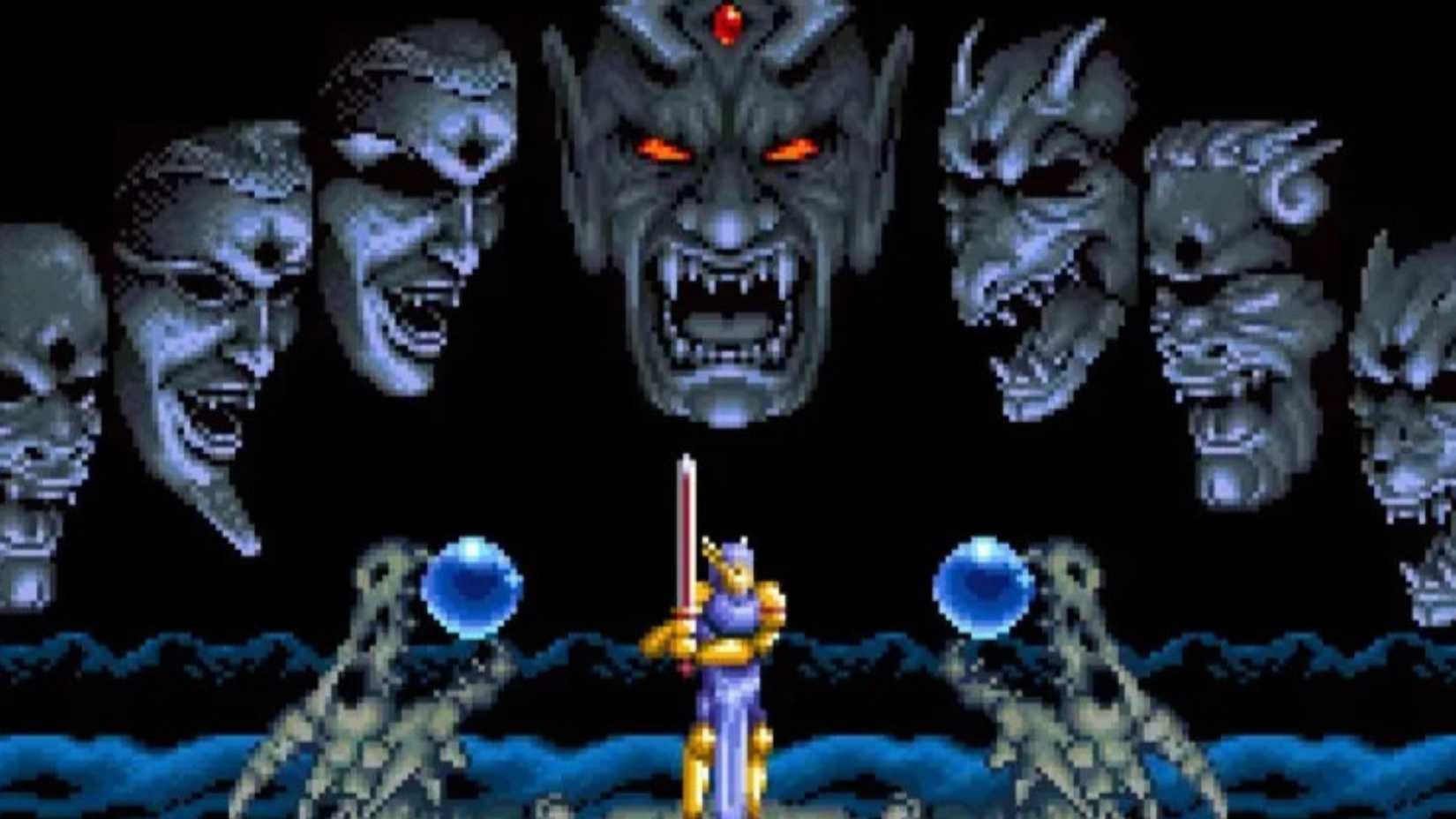
The presence of games like Lufia II: Rise of the Sinistrals (1995) and Breath of Fire II (1995) further underscored the breadth of the SNES JRPG library, offering engaging mechanics such as monster training and town-building that provided hours of supplementary gameplay, enhancing the overall addictive quality of the core experience.
Deep Dives into Addictive Gameplay Mechanics
What truly separated these SNES JRPGs from the pack and kept players glued to their screens? It was a combination of innovative mechanics, compelling narratives, and sheer replayability.
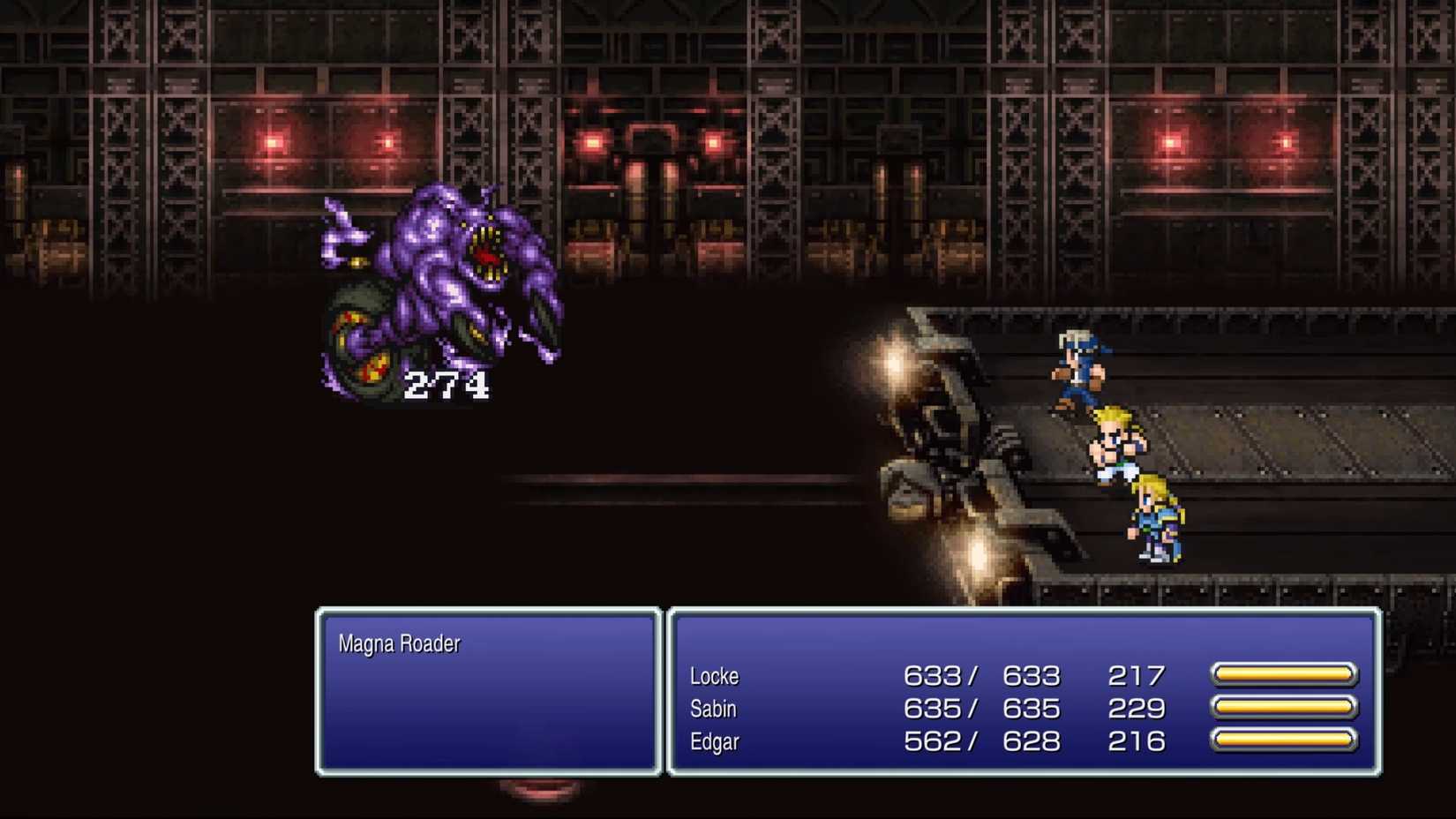
10. ActRaiser: The Divine Intervention of Gameplay
ActRaiser stands out for its audacious fusion of genres. It seamlessly blended the strategic city-building and simulation elements reminiscent of SimCity with the engaging side-scrolling action of a beat ’em up. Players took on the role of the Master, a divine being tasked with clearing monstrous threats in action sequences and then guiding the growth and development of human settlements from an overhead perspective. This dual gameplay loop created a uniquely addictive rhythm. The satisfaction of conquering challenging combat encounters was mirrored by the joy of seeing a thriving civilization flourish under your guidance. The strategic decisions involved in city placement, resource management, and defense, coupled with the immediate gratification of action-packed gameplay, formed a potent cocktail that was hard to resist.
9. Final Fantasy VI: A Symphony of Story and Strategy
Widely considered one of the greatest JRPGs of all time, Final Fantasy VI offered an unparalleled level of depth and replayability. Its most significant contribution to addictiveness was its expansive cast of playable characters, each with unique backstories, abilities, and combat styles. This vast ensemble encouraged players to experiment with different party compositions and strategies for various encounters. The game’s non-linear structure, particularly in the latter half, allowed players to tackle objectives in a flexible order, further enhancing the sense of agency and encouraging exploration. The emotional weight of its narrative, coupled with the sheer variety of character interactions and potential party dynamics, meant that a single playthrough could feel drastically different from the next, driving players to dive back in and experience the story from new perspectives.
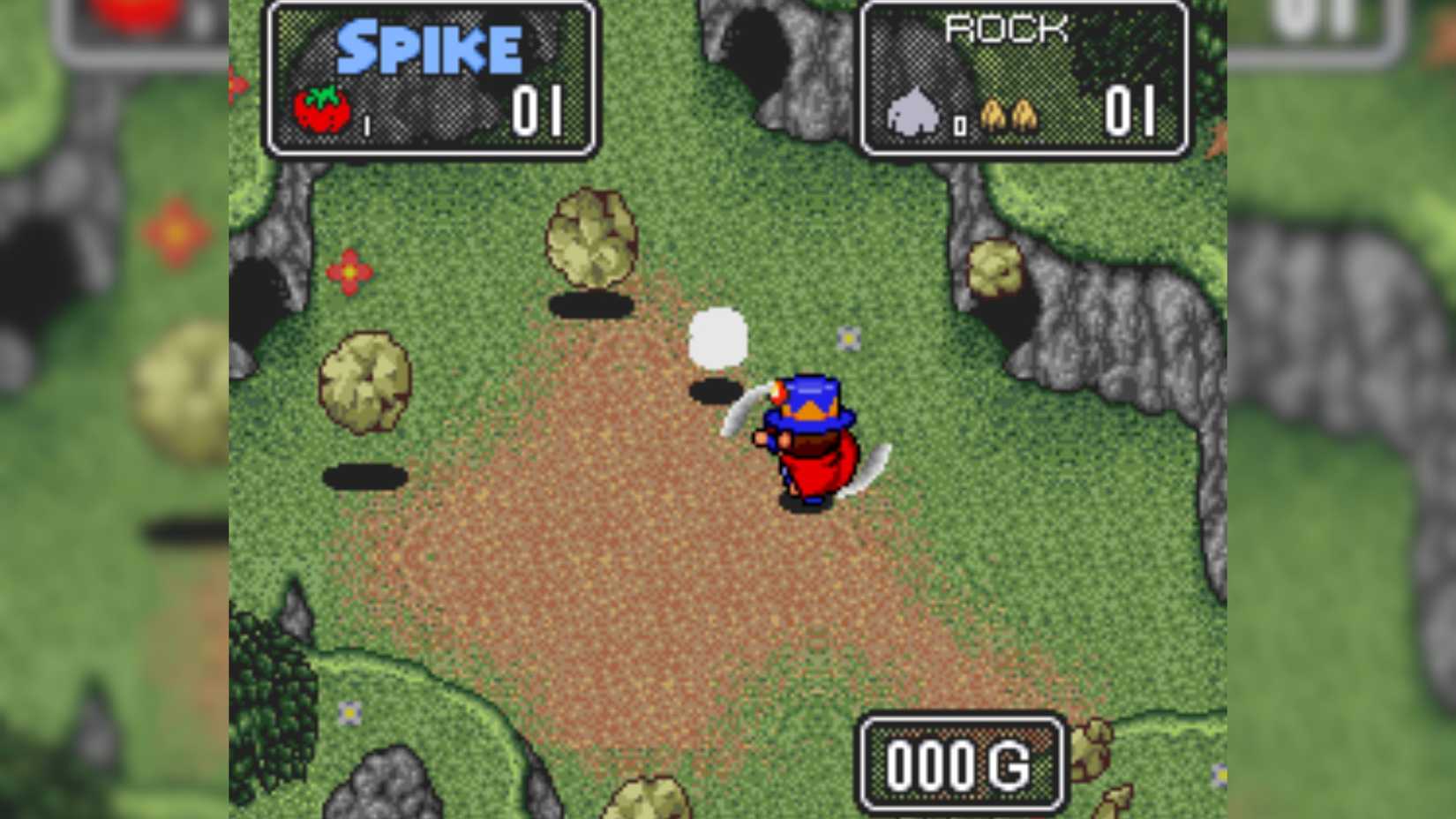
8. The Twisted Tales of Spike McFang: Charm and Clever Combat
Don’t let the seemingly whimsical title and cartoonish art style fool you; The Twisted Tales of Spike McFang is a surprisingly deep and engaging action RPG. Its core gameplay revolved around Spike McFang, a vampire, and his ability to utilize an array of hats with different magical properties. This unique weapon system, combined with a top-down perspective reminiscent of early Zelda titles, offered a refreshing take on action-RPG combat. The game’s charm extended beyond its mechanics, with a witty narrative and memorable characters that kept players invested. The satisfaction of discovering new hat combinations and mastering the timing-based combat provided a constant sense of progression and reward, making it a surprisingly addictive experience.
7. Lufia II: Rise of the Sinistrals: Beyond the Main Quest
Lufia II: Rise of the Sinistrals offered a compelling JRPG experience with a solid narrative and engaging combat. However, its true addictive power lay in its robust side content, most notably the "Capsule Monsters" system and the procedurally generated "Ancient Cave." The Capsule Monsters mechanic allowed players to capture, train, and evolve a variety of creatures, adding a layer of pet-raising and strategic team-building that extended gameplay far beyond the main storyline. The Ancient Cave, a challenging 99-level dungeon that reset player progress upon entry, offered a high-stakes, endlessly replayable challenge. The thrill of delving deeper into the cave with each attempt, uncovering new secrets and testing one’s mettle, proved to be an incredibly addictive diversion that many players found themselves drawn to for hours on end.
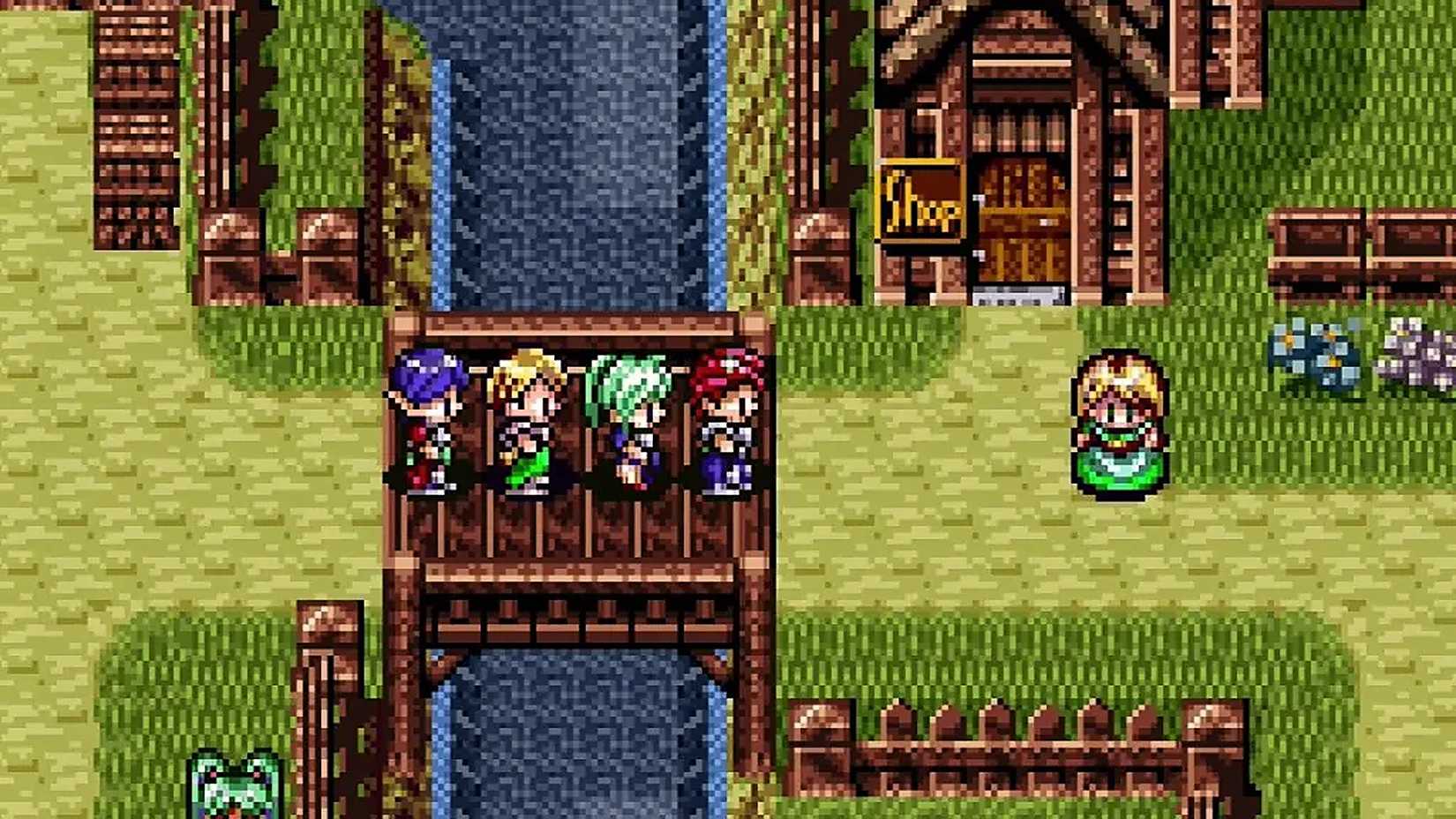
6. EarthBound: The Unconventional Allure of the Ordinary
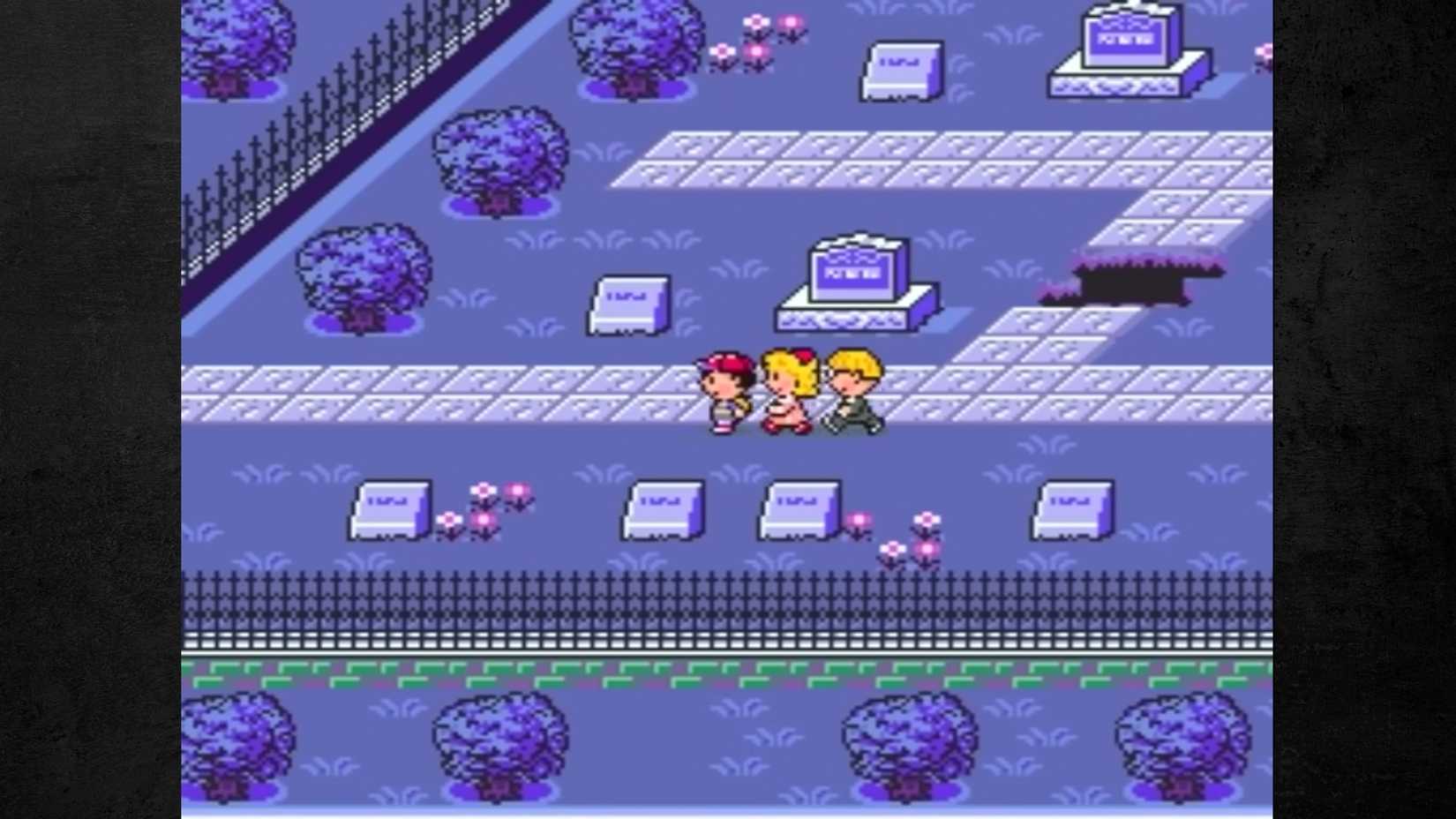
EarthBound, known as Mother 2 in Japan, was a game that defied convention in every sense. Set in a surreal, modern-day America, it traded dragons and medieval castles for baseball bats and alien invasions. This unique premise, combined with a quirky sense of humor and genuinely touching moments, created an experience unlike any other. The gameplay itself, while adhering to traditional turn-based combat, was infused with EarthBound‘s distinct personality. The psychic abilities of the protagonist, Ness, and his friends, coupled with the use of everyday items as weapons and the innovative "rolling HP meter" that allowed players to potentially survive fatal blows if they acted quickly, added layers of strategic depth and thrilling unpredictability. Its sheer originality and the constant sense of wonder it evoked made it a deeply addictive experience for those who embraced its peculiar charm.
5. Breath of Fire II: Building a Community, One Quest at a Time
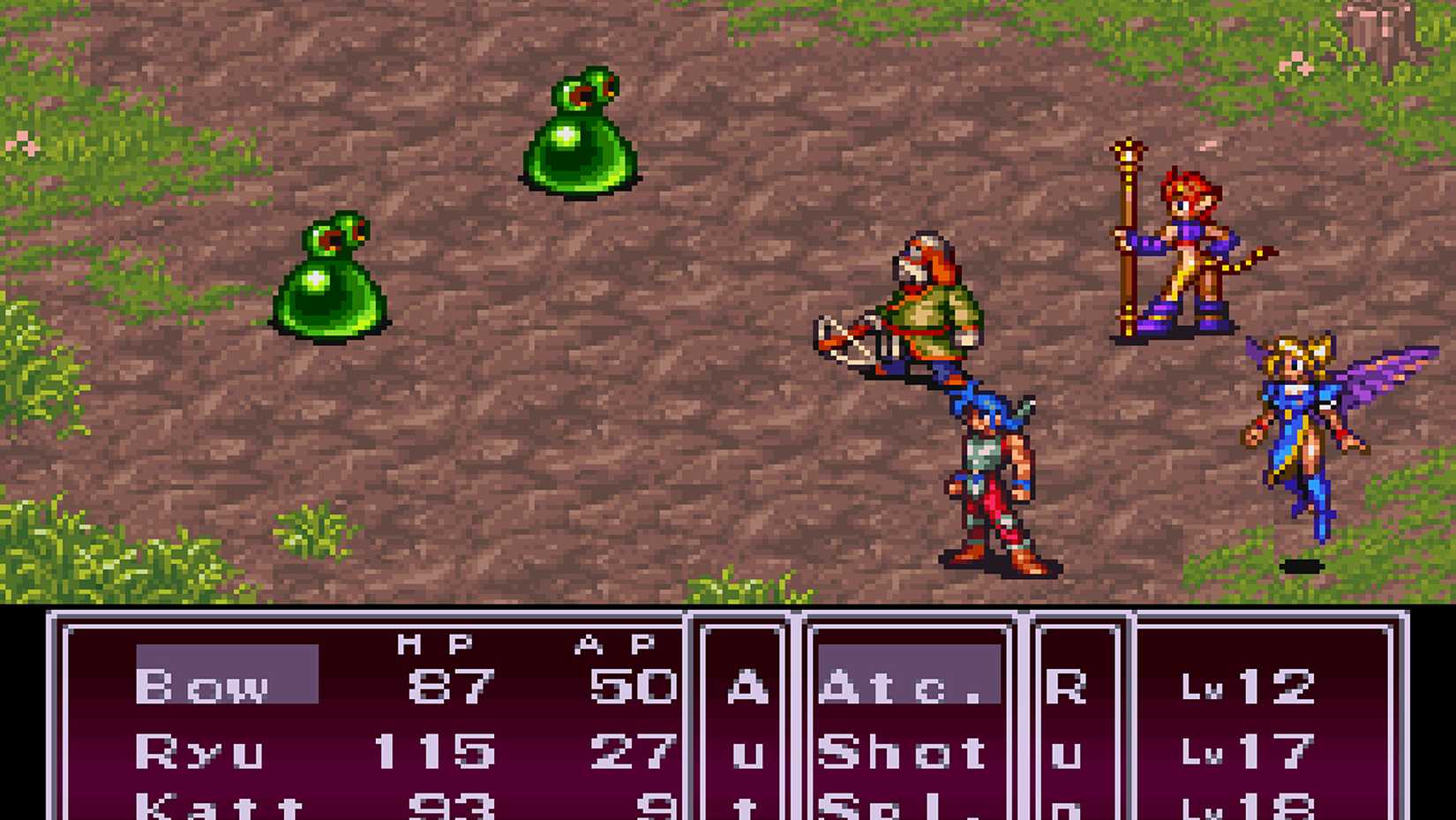
The Breath of Fire series has long been celebrated for its compelling narratives and unique dragon-transformation mechanics. Breath of Fire II stood out for its inclusion of a robust town-building element. Players were tasked with establishing and developing a new settlement, recruiting various characters with unique skills and professions to inhabit it. This system went beyond a mere cosmetic feature; it offered tangible benefits, such as access to new shops, services, and even cooking facilities that provided stat-boosting buffs. The satisfaction of nurturing this burgeoning community, seeing it grow and thrive, and reaping its rewards in the main quest provided a powerful incentive to keep playing. This engaging side activity, coupled with the classic Breath of Fire gameplay, created a deeply immersive and addictive experience.
4. The 7th Saga: A Brutal Challenge That Demands Persistence
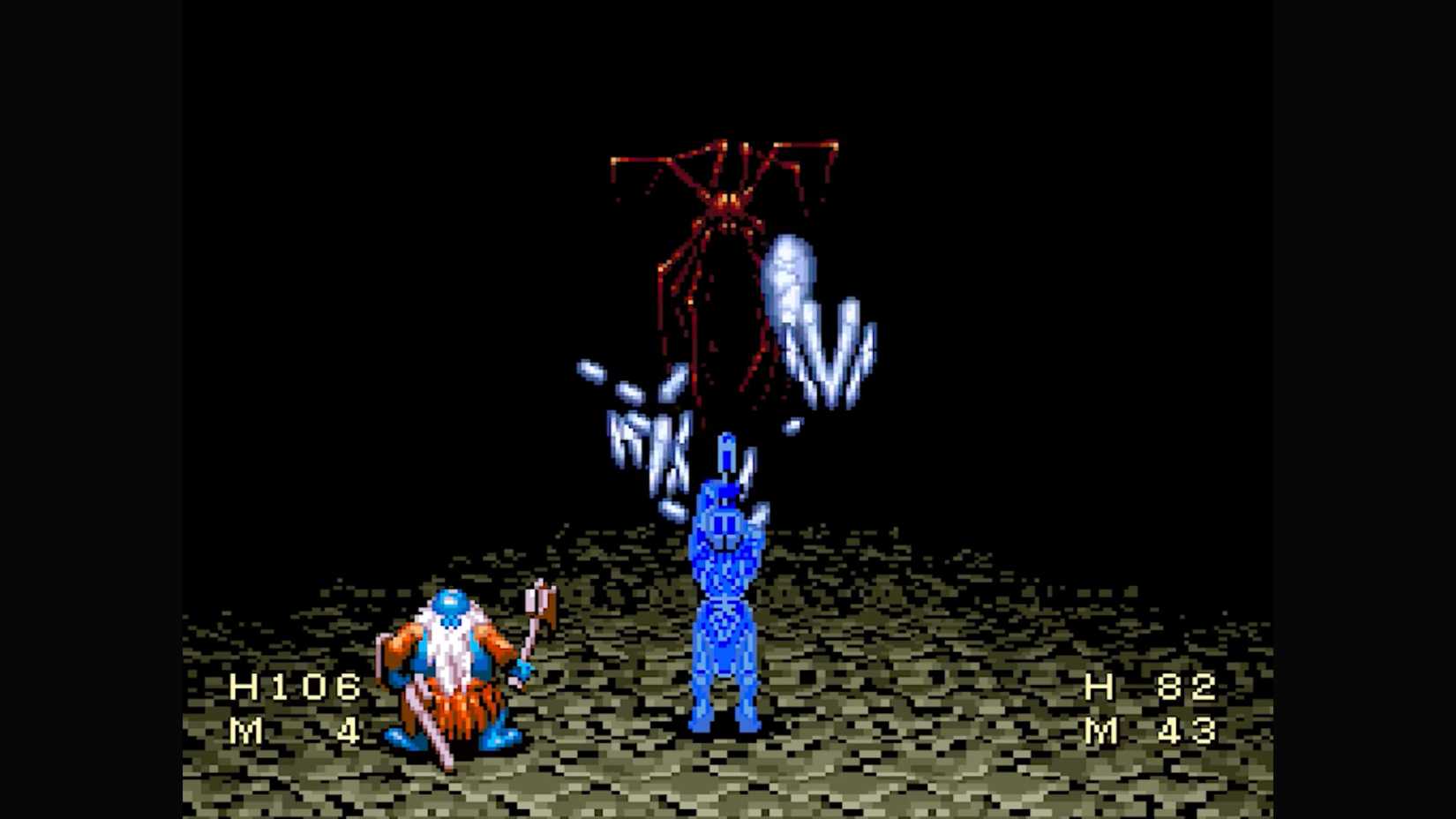
The 7th Saga is infamous for its punishing difficulty, a characteristic that, paradoxically, fueled its addictive nature for a dedicated subset of players. The game’s premise involves seven distinct characters, each on a quest to collect seven powerful runes. The twist lies in the fact that these other characters are not merely NPCs; they are active participants in the quest, and players might encounter them in the game world, leading to challenging, high-stakes battles for supremacy. The North American version, in particular, is known for its brutal combat, requiring meticulous preparation, strategic party building, and a high degree of skill to overcome. This relentless challenge, coupled with the allure of uncovering the game’s secrets and the satisfaction of finally conquering its formidable obstacles, fostered a compelling loop of trial, error, and eventual triumph.
3. Secret of Mana: The Quintessential Co-op RPG
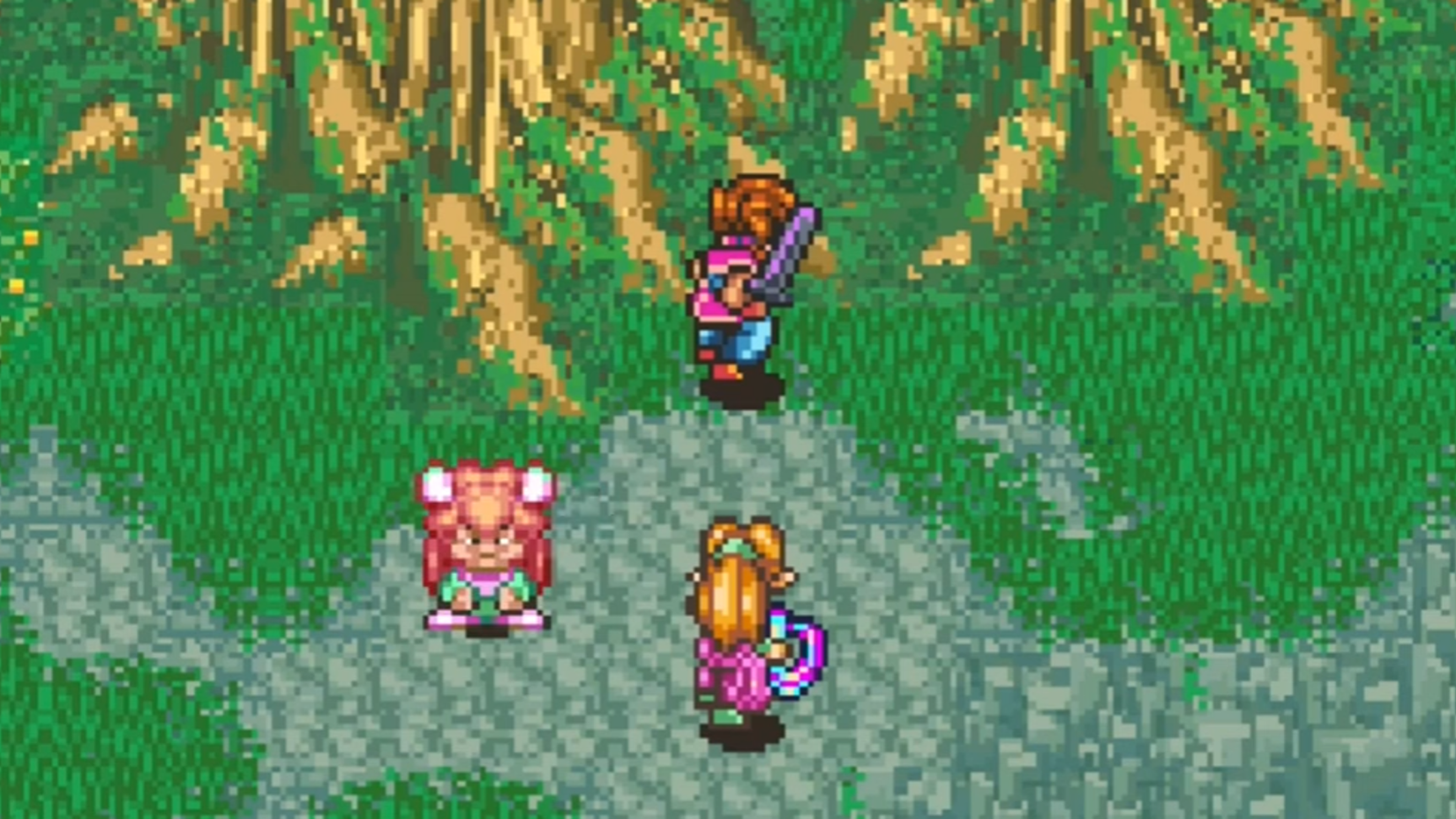
Secret of Mana carved out a unique niche on the SNES as one of its premier action RPGs, and its addictive quality was amplified by its exceptional cooperative multiplayer. The ability for up to three players to embark on an adventure together, each controlling a distinct party member, transformed the game into a social experience. Sleepovers and gatherings were often punctuated by shared quests, collaborative problem-solving, and the sheer fun of navigating the vibrant world and engaging in real-time combat as a team. This shared experience fostered a strong sense of camaraderie and collective accomplishment, making the game an irresistible draw for group play and ensuring countless hours of cooperative enjoyment. The vibrant world, accessible gameplay, and the sheer joy of adventuring with friends made Secret of Mana an unforgettable and highly addictive experience.
2. Super Mario RPG: Legend of the Seven Stars: Innovation in Every Jump
Super Mario RPG: Legend of the Seven Stars was a monumental achievement, successfully marrying the iconic Mario universe with the depth and complexity of the JRPG genre. Its addictiveness stemmed from groundbreaking innovations that blended platforming and RPG mechanics. The inclusion of active platforming elements, requiring players to jump, run, and interact with the environment in ways previously unseen in RPGs, added a dynamic layer to exploration. Furthermore, the combat system introduced timed button presses for enhanced attacks and defense, adding a strategic depth that rewarded player timing and reflexes. This fusion of familiar Mario gameplay with RPG progression created a uniquely engaging experience that was both accessible to newcomers and rewarding for genre veterans, making it incredibly hard to put down.
1. Chrono Trigger: The Masterpiece of Respect and Replayability
Chrono Trigger is, by nearly universal acclaim, the pinnacle of SNES JRPGs, and its addictiveness is a testament to its masterful design. Its core appeal lies in its profound respect for the player’s time. Unlike many contemporaries that relied on lengthy, often repetitive, filler content, Chrono Trigger offered a tightly paced narrative with meaningful side quests that enriched the world and characters. A single playthrough, even a completionist one, was remarkably concise, typically ranging from 20 to 30 hours. This efficiency meant that every moment felt purposeful.
The game’s true addictive genius, however, is revealed through its New Game+ feature. This allowed players to carry over their progress and tackle the game again, but with the ability to confront the final boss at various points in the story. With 13 distinct endings to uncover, players were incentivized to replay the game multiple times, each run offering a slightly different perspective or outcome. This inherent replayability, combined with the engaging story, memorable characters, and innovative combat system, created an experience that players were eager to revisit again and again, solidifying its status as the ultimate addictive SNES JRPG.
Official Responses and Player Impact
The success of these JRPGs wasn’t just a critical darling phenomenon; it translated into significant commercial success for their respective publishers and developers. Titles like Final Fantasy VI and Chrono Trigger sold millions of copies worldwide, solidifying the JRPG as a major genre in the global gaming market. This commercial validation encouraged further investment in the genre, leading to even more ambitious and creative titles in subsequent console generations.
The impact of these games extended beyond sales figures. They cultivated a generation of dedicated fans who developed a deep emotional connection to the characters, stories, and worlds. These players became vocal advocates for the genre, driving community engagement, inspiring fan art, and fostering online discussions that continue to this day. The SNES JRPG era laid the foundation for modern gaming culture, demonstrating the power of interactive storytelling to captivate and inspire audiences on a massive scale.
Broader Implications and Enduring Legacy
The addictive nature of these SNES JRPGs had far-reaching implications. They proved that games could be more than just simple entertainment; they could be immersive experiences that demanded significant time and emotional investment. This set a new standard for game design, encouraging developers to focus on creating compelling narratives, deep gameplay systems, and worlds that players would want to inhabit for extended periods.
The innovations introduced by these titles, from ActRaiser‘s genre-bending to Super Mario RPG‘s active combat and Chrono Trigger‘s replayability, continue to influence game development today. Elements of their design can be seen in modern RPGs, strategy games, and even action-adventure titles. The SNES JRPG library remains a cornerstone of gaming history, a testament to the creativity and innovation that flourished during the 16-bit era, and a powerful reminder of the enduring appeal of well-crafted, addictive role-playing experiences.


 Lina Irawan
 Sagoh
Sagoh